Key Takeaways
- Flip phones fold vertically to become more compact; book-style fold phones open to provide a larger, tablet-like display.
- Choose a flip if pocketability and quick cover-screen use matter most; choose a book-style fold if you expect to read, multitask or work on a larger screen.
- Compare real-world factors—not just screen size—including folded dimensions, weight, camera versatility, battery, software support, repair options and price.
- Foldable phone specifications, availability and network configurations can vary by region. Verify the exact model sold in your market.
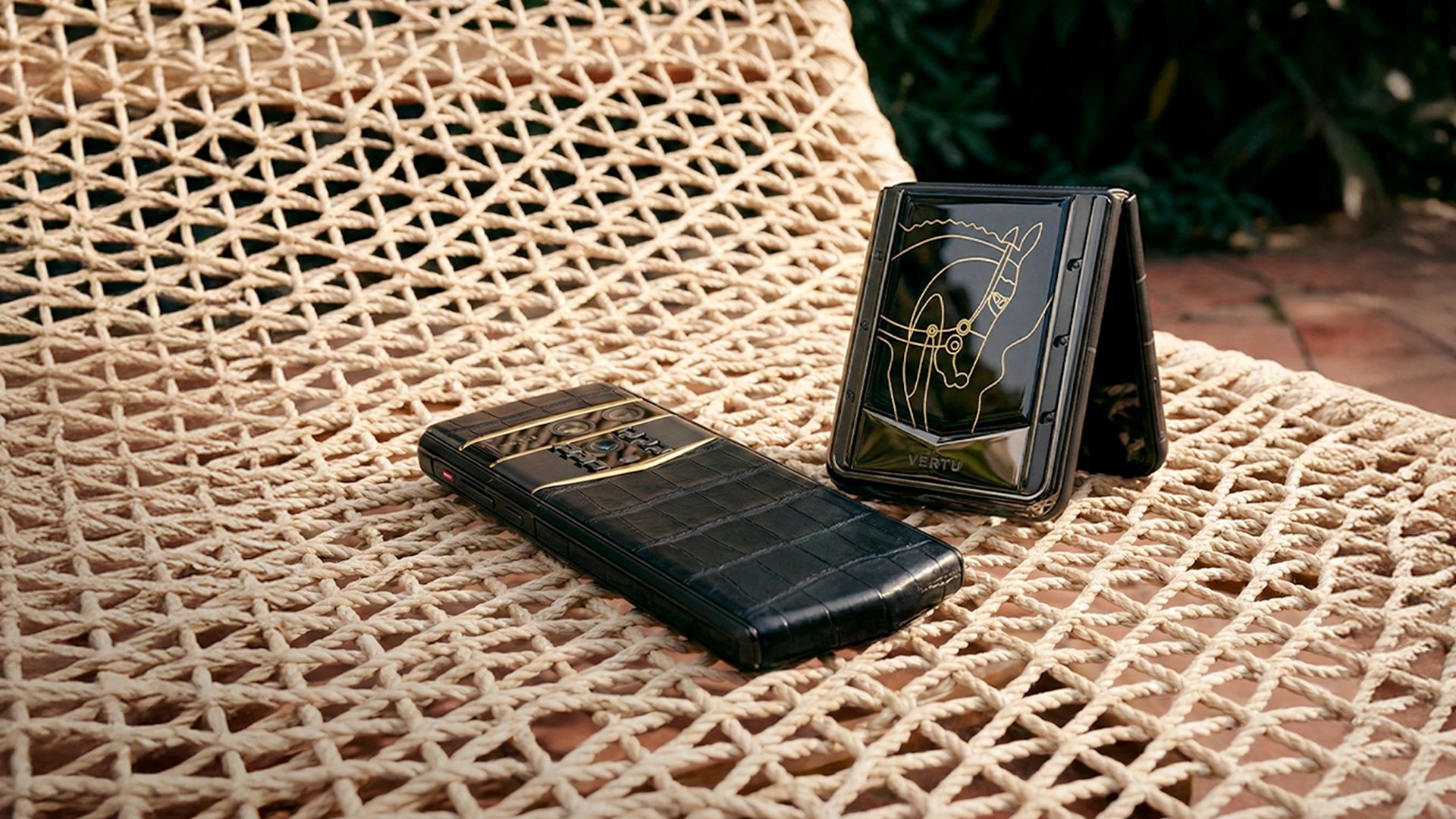
- VERTU AlphaFold is a luxury foldable option; its current configuration and availability should be confirmed on the official product page.
Flip and fold phones use hinges and flexible displays to change a smartphone’s shape, but they solve different problems. A flip phone folds a conventional-size display into a more compact form, while a book-style fold phone opens to offer a larger workspace for reading, video and multitasking. The right choice depends on whether you value portability or an expanded screen more.
Flip vs Fold Phones: What’s the Difference?
“Flip” usually describes a phone that folds in half vertically, making it shorter when closed. Many models include an outer screen for checking notifications, taking calls or using selected functions without opening the device. “Fold” commonly refers to a book-style phone that opens sideways to reveal a much larger inner display. The closed device remains phone-shaped, while the open screen can make supported apps and multitasking more comfortable.
The terms are not universal across every manufacturer, so compare the actual design and dimensions rather than relying only on product names. Samsung’s Flip vs Fold buying guide explains the distinction through compact folding versus a larger, tablet-like screen.
| Consideration | Flip phone | Book-style fold phone |
|---|---|---|
| Primary benefit | Folds into a smaller, shorter shape for carrying. | Opens into a larger display for content and supported multitasking. |
| Typical use when closed | Often supports quick checks and selected cover-screen actions. | Usually works like a conventional smartphone through its outer display. |
| Best fit for | People who prioritise compactness, style and quick interactions. | People who read, view documents, use split-screen apps or watch video on a larger screen. |
| Main trade-off | The unfolded screen is typically phone-sized, not tablet-sized. | The device can be heavier or thicker than a standard phone and may cost more. |
| What to check | Cover-screen app support, closed thickness, hinge and battery capacity. | Outer-screen usability, inner-screen aspect ratio, weight and multitasking software. |
How to Choose a Flip or Fold Phone
Start with how you will use the folded phone
A flip phone’s compact folded shape is useful when the main goal is to carry a full smartphone in less space. Check the closed dimensions and whether the cover screen can handle the tasks you actually perform, such as reviewing notifications, checking directions or framing a photo. Cover-screen capabilities differ: some actions may require opening the phone or using a specific app.
A book-style fold phone makes more sense if you expect to use the inner screen regularly. Think about reading, viewing spreadsheets, comparing documents, editing photos or running two apps side by side. The larger display is only useful if your preferred apps are optimised for it and you are comfortable carrying the device in both its open and closed forms.
Compare comfort, weight and dimensions
Foldables have two sets of dimensions to consider: folded and unfolded. A compact phone may still feel thick in a pocket when closed; a book-style device may be wider or heavier than a conventional phone. If possible, handle the exact model before buying. Check whether you can comfortably reach the outer screen, open the hinge and use the device one-handed.
Look beyond the camera headline
Camera quality depends on the complete camera system, image processing and how you take pictures—not just the number of megapixels. For a flip phone, consider whether the external display makes it easier to use the main cameras for self-portraits or hands-free framing. For a book-style fold, check whether the camera hardware meets your expectations compared with similarly priced non-folding phones.
Check battery, charging and software support
A larger inner display can encourage longer sessions, but battery performance depends on the model, network, brightness and apps. Compare independent testing and manufacturer information for the exact version you plan to buy. Also check the software-update commitment, repair process, warranty terms and the availability of replacement screen protectors in your region.
Understand durability and care
Foldable phones have moving hinges and flexible inner displays, so their care requirements may differ from those of standard slab phones. Water and dust ratings, where provided, have specific limits and should not be interpreted as a guarantee against damage. Read the manufacturer’s warranty and care guidance, and check what accidental damage or screen repairs may cost.
Top 7 Flip and Fold Phones to Consider in 2026
The options below represent different approaches to foldable design. They are not a universal ranking: the best choice depends on your country, budget and priorities. Confirm current availability, exact specifications and service terms before making a purchase.
1. VERTU AlphaFold — A luxury book-style foldable
VERTU AlphaFold is the brand’s book-style foldable option in its current phone collection. It is relevant to buyers who want a large-screen foldable within VERTU’s luxury phone range. Consider it alongside practical factors such as folded size, inner-screen use, software and local support—not on appearance alone. Check the official VERTU phone collection for current configurations, pricing and availability; these can change by market.
2. Samsung Galaxy Z Fold series — For a large-screen workflow
The book-style Galaxy Z Fold line is designed around a conventional outer display and a larger inner screen. It may suit people who expect to use multiple apps, view documents or consume media on the expanded display. Compare the specific generation’s size, weight, camera system, battery and software support before choosing; features differ between models.
3. Google Pixel Pro Fold series — For Google software and photography
Google’s Pixel Pro Fold models combine a book-style foldable design with Google’s software and camera experience. This category may appeal if you already use Google services or prioritise the company’s photography tools. Check model-specific camera performance, inner-screen dimensions, update policy and availability in your country.
4. OnePlus Open series — For multitasking-oriented software
OnePlus Open models are book-style foldables aimed at users who want a larger display and software features designed for using several apps. Compare the actual multitasking controls, screen proportions, weight, charging and local repair support. Availability can be limited or different across markets.
5. HONOR Magic V series — For a slim book-style design
HONOR’s Magic V line is another book-style option to investigate, particularly if device thickness and weight are high on your list. Those details can change with each generation and configuration, so compare official specifications and hands-on reviews for the exact model sold locally.
6. Samsung Galaxy Z Flip series — For compact folding
The Galaxy Z Flip line folds vertically and typically offers an external display for selected quick tasks. It may be a good fit if pocketability matters more to you than having a tablet-sized inner screen. Check which apps and controls work on the cover display, alongside battery, camera and repair terms for the particular generation.
7. Motorola Razr series — Another cover-screen-led flip option
Motorola Razr models offer a competing flip design, with cover-screen functionality and software features that vary by generation. Compare the outer-screen experience, camera, hinge, battery, durability information and software support against other flip phones available in your market. Do not assume that similarly named models share the same specifications.
What Is the Best Foldable Smartphone Series?
There is no single best foldable smartphone series for everyone. A flip series is usually the better starting point if your priority is a phone that folds smaller for carrying. A book-style fold series is more likely to suit you if you want an expanded screen for reading, supported multitasking or media. After choosing the form factor, compare the current models by software, cameras, battery, durability, repair support, price and regional availability.
Frequently Asked Questions
What is the difference between flip and fold phones?
A flip phone usually folds vertically to become shorter and more compact. A book-style fold phone opens sideways to provide a larger inner display. Terminology varies by brand, so compare the phone’s actual shape and screen configuration.
Are foldable phones good for everyday use?
They can work well as everyday phones if the folded size, software and durability trade-offs fit your routine. Before buying, handle the device if possible and review warranty, repair options and the manufacturer’s care guidance.
Are flip phones or book-style fold phones better for multitasking?
Book-style fold phones generally provide more screen space for supported multitasking. A flip phone prioritises compactness, and its cover screen is intended for quick interactions rather than replacing a large inner display.
What should I check before buying a foldable phone?
Check the exact model’s dimensions, weight, screens, battery, camera, software support, network compatibility, warranty, repair costs and local availability. Confirm that the apps you rely on work well on the unfolded display.
Conclusion
Choosing between flip and fold phones starts with a simple question: do you want your smartphone to fold smaller, or open larger? A flip prioritises compactness and quick cover-screen use; a book-style fold prioritises a more expansive display. Compare the exact models available in your market, check their everyday trade-offs, and choose the form that genuinely fits how you use your phone.