| Model | Processor / Chip | Key Display Tech | Camera Partner/Feature |
|---|---|---|---|
| iPhone 16 | A17 Bionic | Super Retina XDR | Advanced System |
| Galaxy S25 | High-Performance | Dynamic AMOLED | 8K Video Recording |
| Pixel 9 Pro | Tensor G4 | Ergonomic Design | AI Computational Photo |
| OnePlus 12 | Snapdragon | High-Refresh Rate | Hasselblad Co-develop |
| Xiaomi 14 | Top-Tier | Vibrant AMOLED | Leica Co-develop |
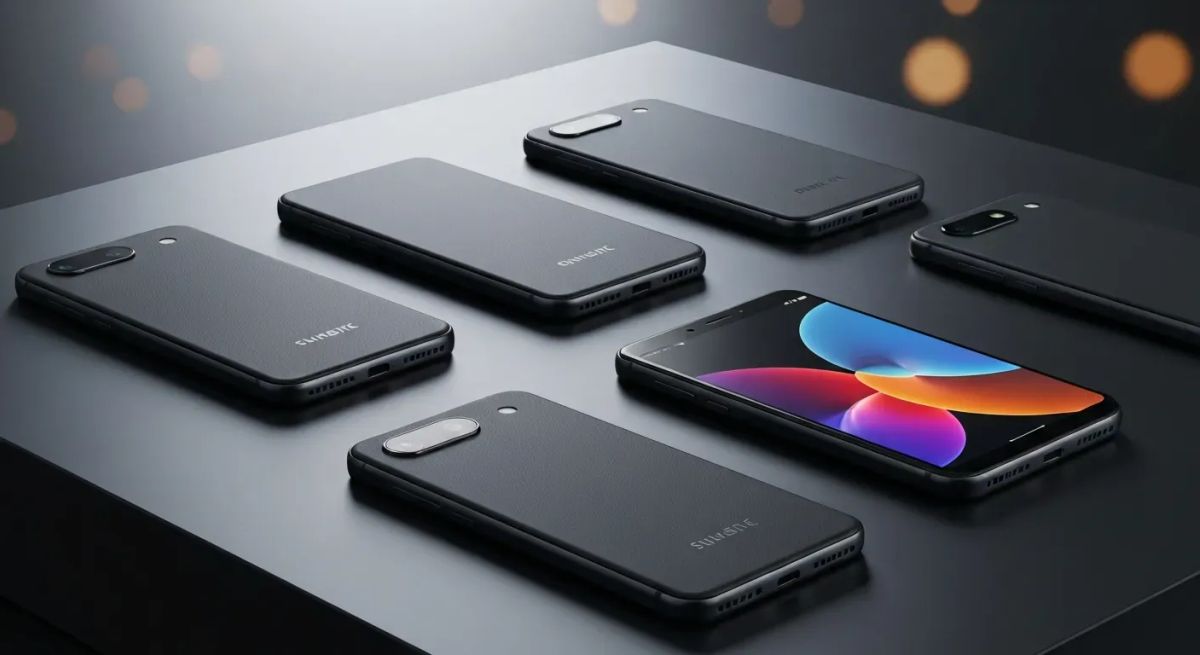
Imagine holding a device that feels like a masterpiece of craftsmanship without requiring a small fortune. In the rapidly evolving mobile landscape of 2026, the frustrating gap between high-end exclusivity and financial accessibility has finally vanished. You no longer have to compromise on exquisite style or raw performance just to stay within a reasonable budget.
Leading manufacturers are now prioritizing sophisticated aesthetics and seamless AI integration for a much wider audience. This exciting market shift has given rise to a stunning new generation of entry-level luxury phones that offer the prestige of flagship models. It is the perfect moment to upgrade your digital lifestyle with a device that radiates elegance.
In this comprehensive guide, we unveil seven exceptional devices that perfectly define this emerging era of affordable opulence. We will explore their unique craftsmanship, cutting-edge AI capabilities, and robust performance metrics tailored specifically for the discerning user. Get ready to discover the ideal smartphone that redefines exactly what premium technology means for you.
Top 7 Entry-Level Luxury Phones for 2026
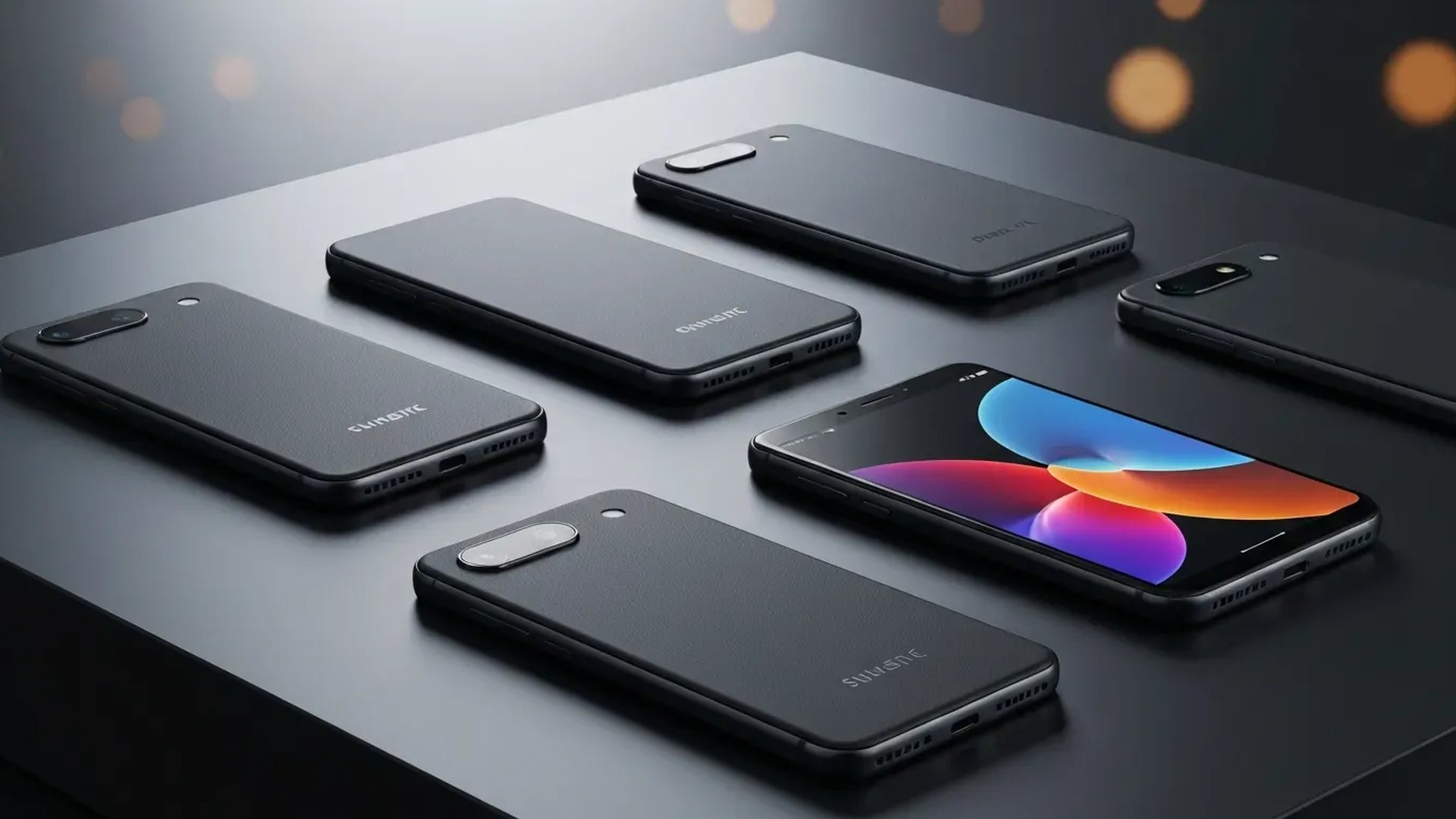
The market for entry-level luxury phones in 2026 demands more than just brand recognition. Buyers now prioritize specific materials like titanium and gold alongside high-performance silicon. This list examines seven devices that define this sector, ranging from hand-assembled craftsmanship to mainstream flagship performance.
1. Apple iPhone 16
The Apple iPhone 16 utilizes the powerful A17 Bionic chip. This processor handles daily tasks and demanding applications with exceptional speed. The Super Retina XDR display outputs high-contrast visuals ideal for media consumption. Apple engineered this model with a renewed focus on physical durability, making it a top choice for users who require deep integration within the Apple ecosystem.
2. Samsung Galaxy S25
Samsung integrates a high-performance processor into the Galaxy S25 , optimizing it for heavy multitasking. The camera array is capable of recording 8K video and capturing professional-grade still images. A dynamic AMOLED display renders sharp details and accurate colors, while the battery supports advanced fast charging protocols to minimize downtime.
3. Google Pixel 9 Pro
The Google Pixel 9 Pro leverages the custom Tensor G4 chip . This silicon enables industry-leading AI-powered computational photography, producing quality images in varied lighting conditions without manual adjustments. The device runs a clean version of Android and receives timely software updates. Its design carefully balances modern aesthetics with ergonomic comfort.
4. OnePlus 12
The OnePlus 12 features the latest Snapdragon processor paired with high-capacity RAM. Hasselblad co-developed the camera system to ensure accurate, natural color reproduction. A high-refresh-rate display ensures fluid motion during navigation and gaming. Coupled with proprietary fast charging technology, this device targets the premium segment with high-end specifications.
5. Xiaomi 14
Xiaomi partnered with Leica to develop the optical system on the Xiaomi 14 . A top-tier processor drives the device's performance, ensuring smooth operation under load. The AMOLED display provides high brightness levels for visual clarity even in direct sunlight. It is ideal for performance-focused users seeking a sleek aesthetic and fast-charging capabilities.
These seven devices represent the top entry-level luxury phones for 2026. From the hand-assembled VERTU models to the AI-centric Pixel, options exist for every preference. Buyers must weigh material quality against software ecosystems to find the right fit.
Understanding Entry-Level Luxury in 2026
In 2026, entry-level luxury phones represent a distinct market shift. These devices merge premium materials with advanced technology, offering high-end features without the extreme costs associated with ultra-premium hardware. This segment prioritizes build quality and sophisticated design for value-conscious consumers seeking prestige.
What Defines 'Entry-Level Luxury' Phones in 2026?
Manufacturers now prioritize the user experience over raw specifications. These devices bridge the gap between mass-market flagships and bespoke luxury items. They feature superior assembly and sophisticated aesthetics. This category targets buyers who demand durability and style alongside functionality.
Beyond Specs: The Craftsmanship Factor
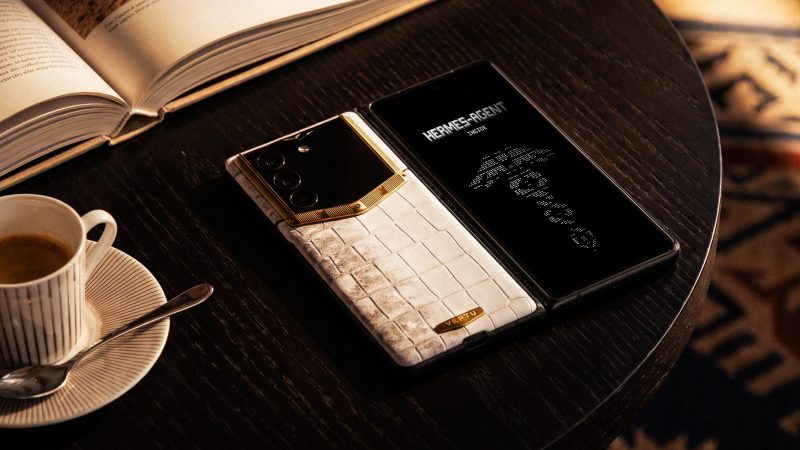
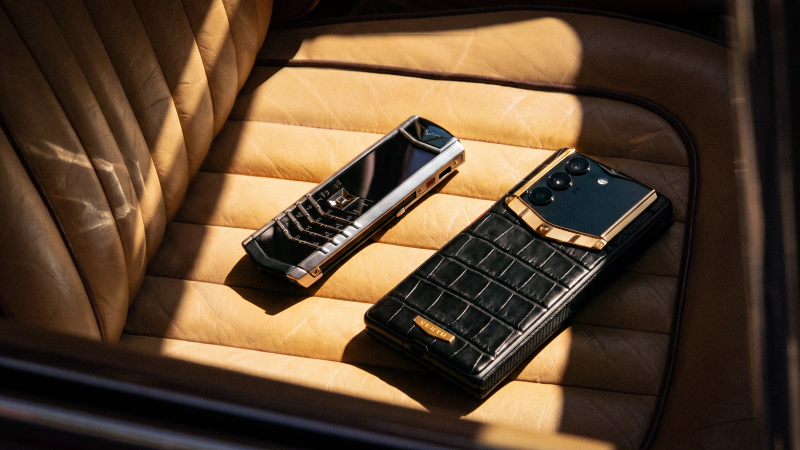
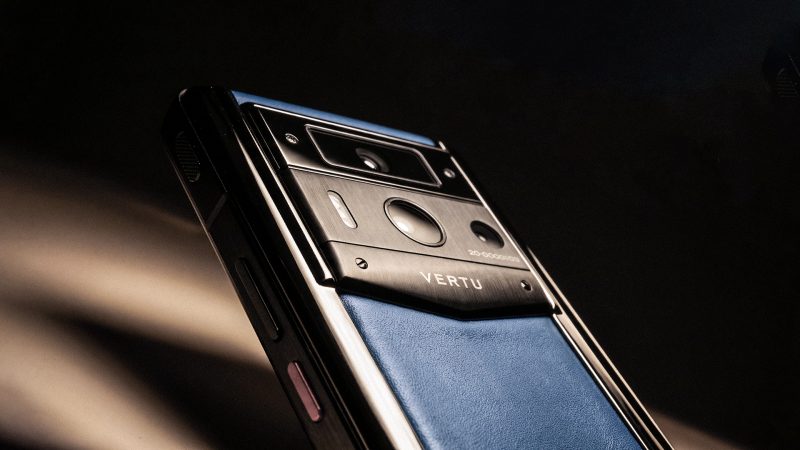
Craftsmanship is the defining trait that separates these phones from standard models. The VERTU Agent Q and Quantum Flip utilize aerospace-grade titanium and fine leather. Manufacturers employ Swiss hinges and ceramic components during assembly to ensure longevity.
These details elevate the tactile experience. The construction mirrors the precision found in luxury watches. Users interact with durable metals rather than standard glass or plastic frames, providing a sense of solidity and worth.
| Feature | Standard Flagship | Entry-Level Luxury (2026) |
|---|---|---|
| Chassis Material | Aluminum / Glass | Aerospace-Grade Titanium |
| Back Panel | Gorilla Glass | Fine Leather / Ceramic |
| Mechanism | Standard Hinge | Swiss Hinge Design |
| Focus | Raw Processing Power | Tactile Build Quality |
AI Integration: The New Luxury Standard
Artificial intelligence serves as a cornerstone of modern luxury. Phones operate as intelligent assistants rather than passive devices. Systems offer proactive support and personalized workflows to the user.
Standard capabilities now include AI-driven camera adjustments and real-time language translation. Intelligent agent services manage schedules and tasks automatically. This technology delivers convenience and enhances daily productivity beyond basic smart features.
Navigating Your Purchase: A 2026 Buyer's Guide
Purchasing technology in 2026 requires a strategic approach. Manufacturers segment devices into specific tiers, much like the automotive industry. You no longer simply buy a generic flagship phone; you select a configuration that aligns with your specific utility needs.
Considering 'Trim Levels' for Your Next Phone
Luxury cars offer distinct trims like Cadillac's Luxury or Sport lines. High-end smartphones follow this exact pattern. Consumers choose between 256GB base models or 1TB variants for heavy media storage. Specialized "trims" feature triple-lens 200MP camera systems for photography enthusiasts.
Others prefer standard dual-lens setups for general communication. These configurations allow you to pay only for the hardware you utilize. This mirrors selecting a vehicle package based on specific performance requirements.
| Feature Category | Base "Trim" Phone | Performance "Trim" Phone |
|---|---|---|
| Storage | 256GB NVMe | 1TB NVMe |
| Camera | Dual 50MP Wide | Triple 200MP Telephoto |
| Display | 60Hz OLED | 1-120Hz LTPO OLED |
| Build Material | Aluminum Frame | Grade 5 Titanium |
The Role of Leasing and Deals in 2026
Lease deals drive accessibility in the luxury car market. Similarly, carrier subsidies and trade-in offers define the 2026 phone market. These financial structures make entry-level luxury phones attainable for a wider audience.
A device with a $1,000 retail price often costs $0 upfront with a qualifying trade-in. Carriers spread the remaining balance over 36 months. This embodies the spirit of affordable luxury, allowing access to premium features without immediate capital depletion.
Comparing Entry-Level Luxury with Luxury Cars and SUVs
The selection process parallels choosing between luxury cars or SUVs like INFINITI or Audi models. Buyers must evaluate specifications against cost. You compare a phone's 120Hz OLED screen against a car's digital dashboard options.
"Both require evaluating features, performance, design, and value."
Subcompact SUVs provide utility in a compact frame. Phones offer a similar decision matrix. You seek a high-quality, feature-rich experience. The goal is a device that feels exclusive yet remains within a set budget.
FAQ (Frequently Asked Questions)
Q1: What makes a phone an "entry-level luxury" device in 2026?
A1: These phones blend premium materials like titanium with advanced AI. They offer a high-end feel and sophisticated design without the extreme cost of bespoke models, focusing on craftsmanship and user experience over just raw specs.
Q2: How important is AI in modern luxury phones?
A2: AI is a new luxury standard. It transforms phones into intelligent assistants that offer proactive support, manage schedules, and provide real-time language translation. This enhances daily productivity and delivers a seamless, convenient user experience.
Q3: Are specialized phones like VERTU better than mainstream flagships?
A3: It depends on your priorities. VERTU excels in hand-assembled craftsmanship and unique materials. Mainstream phones from Apple or Samsung offer powerful performance and deep ecosystem integration. Your choice depends on whether you value bespoke design or software familiarity.
Conclusion
In 2026, the landscape of entry-level luxury phones offers an unprecedented blend of craftsmanship and AI. These handsets prove premium features are accessible without an exorbitant price tag. Prioritize what matters most to you, whether it's camera quality, build materials, or software integration.
Your ideal device is waiting. Take the next step by comparing the models on our list and researching the latest carrier deals. Don't settle for less—invest in a phone that elevates your daily life. Choose your next entry-level luxury phone today and experience the future of mobile technology.