| Device Type | Primary Function | Key Feature | Target Condition |
|---|---|---|---|
| CGM | Glucose Tracking | Real-time alerts | Diabetes |
| BP Monitor | Pressure Reading | Continuous stream | Hypertension |
| ECG Monitor | Cardiac Rhythm | Arrhythmia detection | Heart Disease |
Imagine a world where visiting a doctor’s office is no longer the first step in managing your health. By 2026, the landscape of healthcare has shifted dramatically, moving from reactive treatments to proactive, continuous care right from the comfort of your home. This evolution is powered by smart technology that keeps you seamlessly connected to your care team around the clock.
At the heart of this revolution are advanced wearable medical sensors designed to track vital signs with clinical precision. These devices have moved far beyond simple fitness tracking, now offering real-time data that can predict health events before they become emergencies. Whether you are managing a chronic condition or recovering from surgery, this technology bridges the gap between daily life and medical oversight.
Navigating the vast array of new devices can be overwhelming, yet selecting the right tools is crucial for effective remote patient monitoring (RPM). In this guide, we explore the top 10 essential sensors defining the future of healthcare in 2026. Read on to discover how these innovations provide critical health insights and are actively reshaping modern medicine.
Top 10 Essential Wearable Medical Sensors for Remote Patient Monitoring in 2026
Remote Patient Monitoring transforms healthcare delivery in 2026. Clinicians now rely on advanced tools to track vital signs outside clinical settings. Wearable medical sensors drive this shift, ensuring continuous data collection and early detection.
These technologies bridge the gap between patients and providers, creating a safety net of digital health.
1. Apple Watch
The Apple Watch in 2026 has evolved into a clinical powerhouse. It tracks heart rate, EKG, and blood oxygen levels with high fidelity. These metrics aid in the early detection of cardiovascular issues and respiratory changes. Physicians use this data for continuous oversight, integrating it directly into RPM workflows.
2. Fitbit
Fitbit devices empower patients to manage their health proactively by focusing on lifestyle and recovery metrics. They track a wide range of fitness data, including sleep stages and activity intensity. Clinicians analyze this data to adjust care strategies and encourage behavioral changes. The device fosters patient engagement in daily routines.
3. General Wearable Devices
FDA-approved devices ensure data accuracy for critical medical decisions. Smartwatches and monitors in this category meet strict regulatory standards, distinguishing them from consumer toys. They enable consistent healthcare data collection, which is essential for diagnosis. Reliability remains vital for effective RPM programs.
4. Wearable Blood Pressure Monitors
These monitors provide real-time blood pressure readings without the need for a cuff. Continuous tracking manages hypertension and cardiovascular conditions effectively, capturing fluctuations that occur during daily life. Patients avoid frequent clinical visits for manual checks. Doctors receive alerts for dangerous spikes immediately.
5. Wearable Glucose Monitoring Devices
Continuous glucose monitors (CGMs) have revolutionized diabetes management. They alert users and clinicians to glucose fluctuations instantly, preventing dangerous lows or highs. This prevents hypoglycemic events and improves overall patient care. The technology removes the need for frequent manual finger-prick testing.
6. Wearable ECG Monitors
Wearable ECG monitors capture cardiac activity continuously, offering a deeper look than standard heart rate monitors. They detect arrhythmias and heart conditions remotely as they happen. This data enhances clinical care plans by capturing transient events. Cardiologists review long-term trends without requiring hospitalization.
7. Fitness Trackers
While simpler than medical-grade smartwatches, fitness trackers establish a vital baseline for patient health. They monitor heart rate, calorie consumption, and sleep patterns. This data provides context for other medical readings, helping doctors understand the "why" behind a change in vitals. It helps identify lifestyle changes affecting recovery.
8. Integrated Activewear
Activewear in 2026 features microscopic sensors woven into the fabric . These sensors monitor posture, respiration, and physical activity levels without bulky attachments. Advanced fall detection features alert emergency services automatically if an accident occurs. The monitoring process remains unobtrusive, encouraging consistent use.
9. Cellular Devices for Connectivity
Cellular-enabled devices ensure wearable medical sensors transmit data without relying on Wi-Fi. They provide reliable connectivity for ambulatory tracking, ensuring data isn't lost when a patient leaves their home. Patients send healthcare data from any location. This eliminates data gaps during travel or outdoor activities.
10. Biosensors
Biosensors form the core of modern wearable medical devices. They detect and measure specific biological substances, such as enzymes or electrolytes. These components power vital sign monitoring capabilities by converting biological responses into digital health insights. They serve as the technological foundation for 2026 health tech.
How Wearable Medical Sensors Enhance Remote Patient Monitoring in 2026
In 2026, wearable medical sensors facilitate continuous health monitoring, fundamentally changing the patient-doctor relationship. These devices capture data streams that previously required hospital stays. Sensors record heart rate, glucose levels, and oxygen saturation continuously, replacing sporadic clinic measurements.
This constant flow of information offers a major advantage. Doctors receive comprehensive physiological profiles rather than single snapshots taken during a brief appointment. This shift provides a wealth of healthcare data that remained difficult to obtain in previous decades.
Real-time tracking enables the early detection of health decline . Algorithms analyze vital signs and activity patterns instantly. If a patient's heart rate variability drops below a set threshold, the system alerts the care team immediately. This speed allows for timely interventions before conditions worsen.
Healthcare providers access up-to-date information immediately, ensuring decisions rely on current status rather than week-old reports.
Insight: Continuous monitoring systems in 2026 reduce the latency between symptom onset and medical response.
| Feature | Traditional Monitoring | 2026 Wearable Monitoring |
|---|---|---|
| Data Frequency | Episodic (Monthly/Yearly) | Continuous (24/7) |
| Response Time | Reactive (Post-symptom) | Proactive (Pre-symptom) |
| Data Source | Manual Entry | Automated Sensors |
| Patient Location | Clinic/Hospital | Remote/Home |
| Analysis Type | Snapshot | Trend-based |
Integrating wearable health devices into clinical workflows supports personalized treatment . Systems feed data directly into electronic health records (EHR) without manual entry. Physicians can then adjust medication dosages based on specific weekly trends rather than guesswork. This precision improves chronic disease monitoring for diabetes and hypertension.
Care plans evolve alongside the patient's actual daily metrics. This integration ensures personalized treatment plans align with real-world patient behaviors. Furthermore, wearable technology empowers individuals with personal health tracking capabilities. Patients view their own metrics on demand via connected applications.
Seeing the direct impact of diet or exercise fosters greater engagement. This visibility promotes healthier lifestyles and adherence to treatment protocols. Users take ownership of their well-being through accessible data. The technology transforms patients from passive observers into active managers of their health.
The Future of Wearable Medical Sensors in Healthcare by 2026
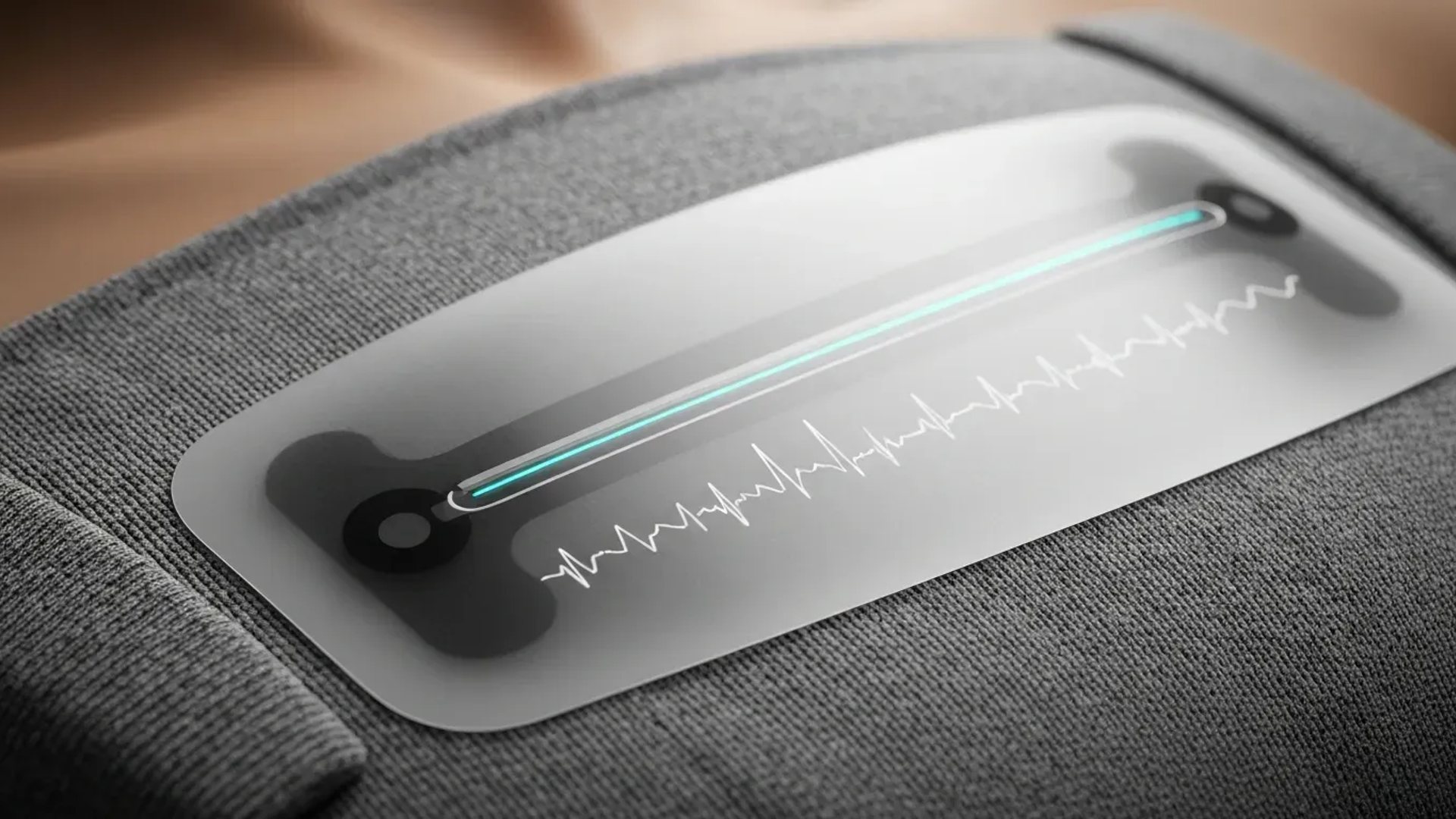
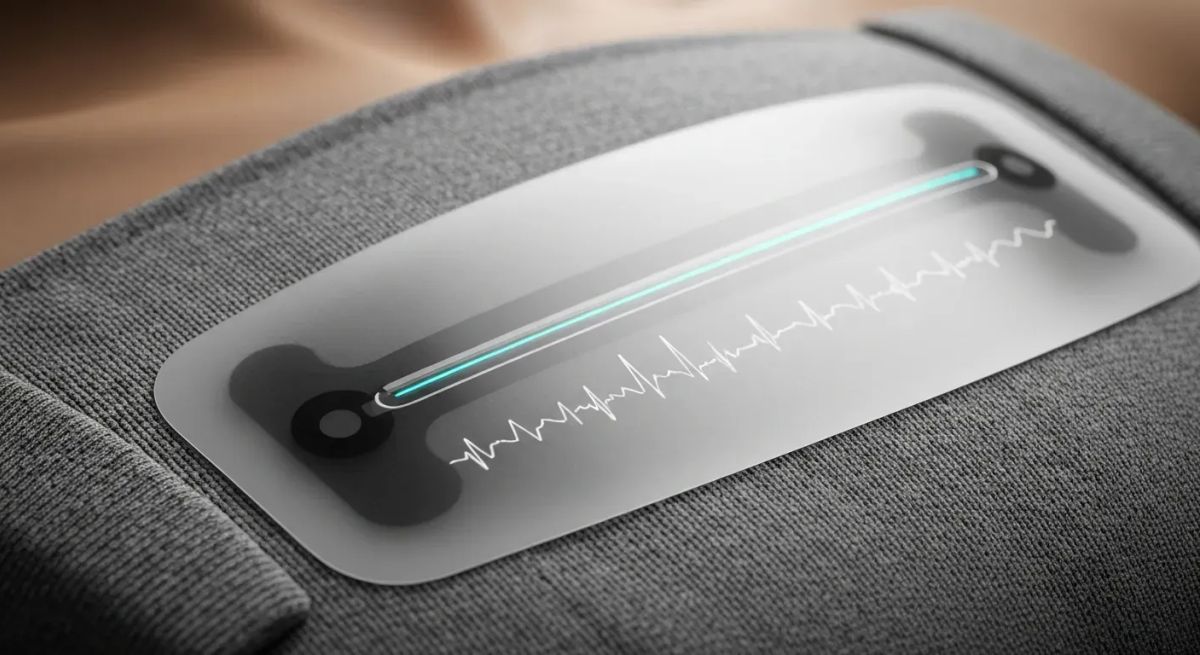
By 2026, wearable medical sensors will achieve sub-millimeter form factors. Engineers prioritize miniaturization to create discreet epidermal patches and smart textiles that feel like a second skin. These devices deliver clinical-grade accuracy for heart rate and SpO2 monitoring.
Patients wear these sensors for weeks without skin irritation or battery failure. Continuous data streams replace sporadic clinic measurements, offering precise health insights.
Advancements in artificial intelligence (AI) enhance the analytical capabilities of this healthcare data. Machine learning algorithms process terabytes of physiological signals to identify pre-symptomatic patterns. Predictive diagnostics forecast events like arrhythmias hours before they manifest. This capability allows doctors to intervene early.
The system transforms raw sensor data into actionable medical intelligence.
Wearable medical sensors integrate seamlessly with electronic health records. APIs transfer patient vitals directly to hospital databases in real time. This automation eliminates manual data entry errors. Clinical teams streamline remote patient monitoring protocols.
Physicians access comprehensive health histories during consultations, which improves care efficiency and reduces administrative burdens.
Note: Future innovations target non-invasive monitoring. Sensors analyze sweat or interstitial fluid to measure glucose, lactate, and cortisol.
| Feature | Current Standard (2024) | Projected Standard (2026) |
|---|---|---|
| Form Factor | Rigid Wristbands, Chest Straps | Flexible Smart Textiles, Epidermal Patches |
| Data Analysis | Descriptive (Historical Review) | Predictive (AI-Driven Forecasting) |
| Biomarkers | Pulse, Steps, Temp, SpO2 | Glucose, Cortisol, Lactate, Hydration |
| Connectivity | App-based Sync | Direct EHR API Integration |
Widespread adoption of ambulatory tracking fosters a proactive healthcare model . Users track personal health metrics daily to maintain wellness. This engagement shifts focus from treatment to prevention. Non-invasive monitoring of diverse biomarkers expands the scope of patient care.
By 2026, these tools will form the foundation of a preventative health system.
FAQ (Frequently Asked Questions)
Q1: What are the main benefits of wearable medical sensors?
A1: These devices offer continuous health tracking and real-time data transmission. They enable early detection of medical issues and allow for proactive remote patient monitoring. This leads to reduced hospital readmissions and personalized care plans.
Q2: How accurate are wearable sensors in 2026?
A2: Modern sensors offer clinical-grade accuracy comparable to traditional hospital equipment. FDA-approved devices use advanced biosensors and AI algorithms to ensure precise measurements of vitals like heart rate and glucose.
Q3: Are wearable medical devices covered by insurance?
A3: Many RPM programs and prescribed medical wearables are covered by major insurance providers and Medicare. Coverage depends on the specific medical necessity and the type of device prescribed by your healthcare provider.
Q4: Can wearable sensors detect heart attacks?
A4: Advanced wearables with ECG capabilities can detect arrhythmias and signs of ischemia. While they provide critical alerts for potential cardiac events, they do not replace emergency medical diagnosis or treatment.
Conclusion
The landscape of RPM in 2026 relies on accurate, continuous data. From biosensors to smartwatches, these tools improve patient outcomes by making healthcare invisible yet omnipresent. Clinicians must integrate these technologies to provide proactive care. Adoption of these devices ensures timely interventions and better health management.
To fully benefit from this technological revolution, actively explore the vast potential of these wearable health devices. Integrating smart technologies allows you to enhance your health monitoring strategies and make data-driven decisions. Take the next step right now and revolutionize how you approach health monitoring for a brighter future.