| Feature | VERTU Agent Q | VERTU Quantum Flip |
|---|---|---|
| Form Factor | Bar / Slab | Foldable Clamshell |
| Primary Chip | Snapdragon 8 Elite Supreme (3nm) | Snapdragon 8 Elite Supreme (3nm) |
| Camera | 50MP Main, 64MP Telephoto, 50MP Ultra-Wide | 50MP Rear, 32MP Front |
| Unique Build | 320 Hand-assembled parts, Gold internals | Aerospace Titanium, 650,000 fold hinge |
| Security | 10TB Distributed Vault, 5-layer architecture | 3-Finger Biometric Self-Destruction |
| Cooling | Standard Passive | 3-Dimensional Liquid Cooling |
Imagine walking into a room where your mobile device commands as much attention as a luxury watch or a bespoke handbag. In 2026, technology has finally shed its purely utilitarian skin to embrace true high fashion and sophisticated artistry. You no longer have to choose between powerful, high-speed performance and breathtaking, runway-ready aesthetics.
As digital luxury evolves, the demanding search for the ultimate accessory has intensified for global trendsetters and devoted tech enthusiasts alike. Whether you are upgrading your personal collection or looking for that perfect Designer Smartphone Present , expectations for quality have shifted dramatically. Today's devices must seamlessly blend cutting-edge innovation with exclusive, personalized craftsmanship to truly stand out.
From revolutionary sustainable materials to intuitive AI that anticipates your every move, the exciting future of mobile style is finally here. This article explores the defining trends and top ten features shaping the most coveted luxury devices of the year. Get ready to discover how the next generation of smartphones is redefining elegance and functionality for the modern user.
Top 10 Designer Smartphone Features Defining 2026 Style
The concept of the Designer Smartphone Present evolves rapidly. It no longer relies solely on brand names or logos. Today, technology and luxury materials merge to create functional art. Devices in 2026 prioritize artificial intelligence, privacy, and tactile craftsmanship. The following features define this new era of mobile luxury.
1. VERTU Agent Q: The AI Agent Phone
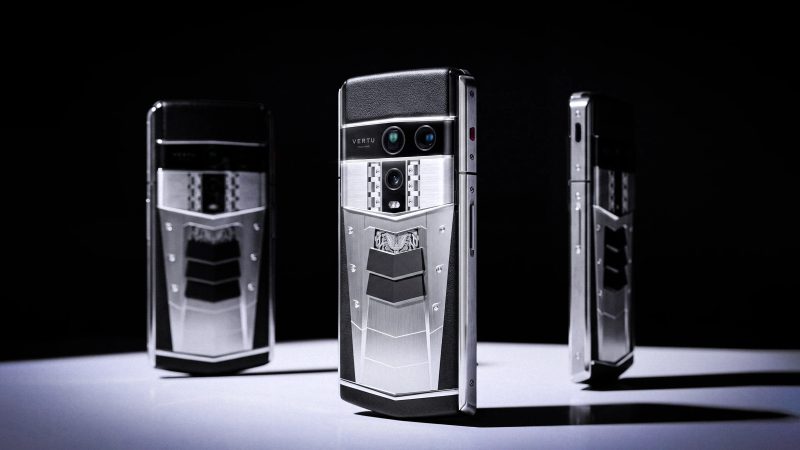
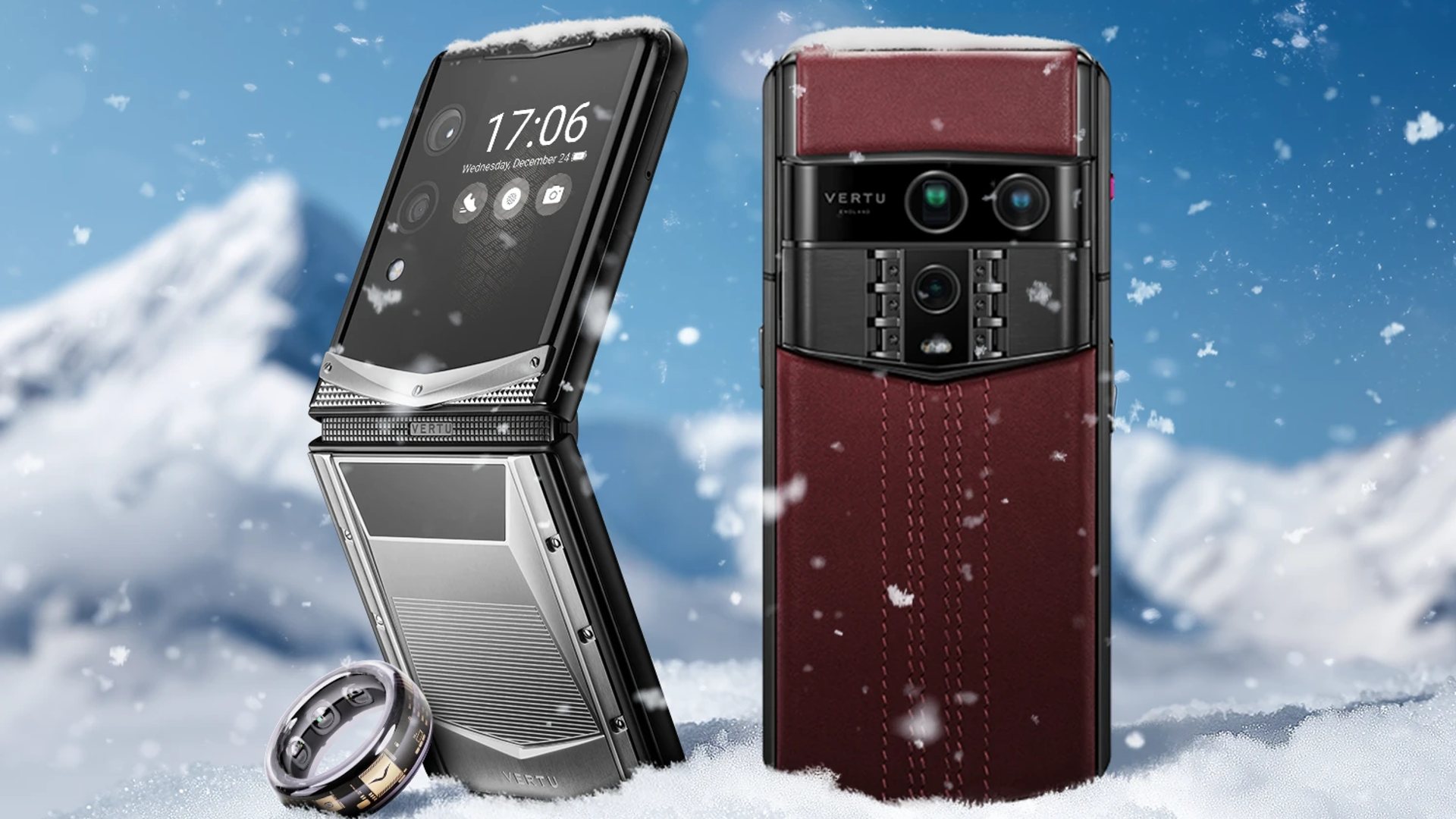
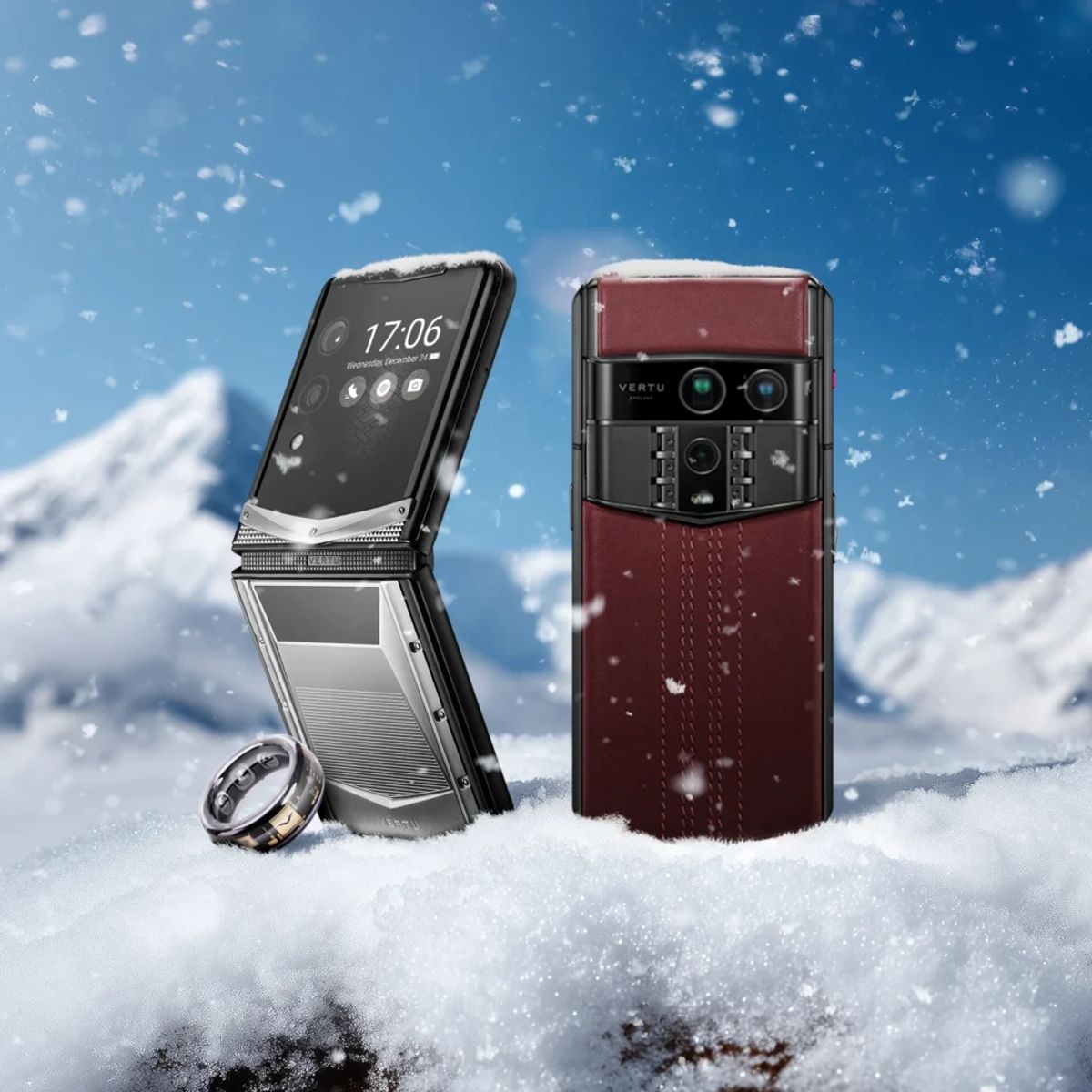
The VERTU Agent Q shifts the paradigm from app-based interaction to intelligent agents. This "AI Agent Phone" uses AIGS technology to automate tasks. It does not just run software; it manages your digital life. The device features a Qualcomm Snapdragon 8 Elite Supreme (3nm) chip. This processor supports the complex computations required for on-device AI.
Craftsmanship remains central to the design. Technicians hand-assemble over 320 individual components for each unit. The exterior features U-shaped seamless leather and a ceramic pillow for tactile comfort. Internally, thick gold-plating ensures conductivity and durability. A Falcon-Wing SIM chamber with a Swiss hinge protects connectivity modules.
"The Agent Q moves beyond apps to intelligent agents powered by AIGS."
The camera system rivals professional equipment. It includes a 50MP Main sensor, a 64MP Telephoto lens, and a 50MP Ultra-Wide sensor. A true mechanical zoom lens, engineered with Swiss precision, allows for optical adjustments without digital loss.
Security architecture is robust. The device employs a 5-layer protection system. This includes hardware-level isolation and sandboxed agents. A triple-system architecture creates an encrypted sanctum for sensitive data. Users access a 10TB distributed vault for storage. 16GB of RAM and up to 1TB of ROM support these operations.
2. VERTU Quantum Flip: The Foldable AI Powerhouse
The VERTU Quantum Flip targets users demanding portability and power. It features a foldable design tested for 650,000 folds. The hinge operates between -15°C and 60°C. Aerospace-grade titanium alloy provides structural integrity. It resists drops from 1.2 meters. This durability protects the advanced internals.
A Snapdragon 8 Elite Supreme (3nm) AI Chip powers the device. A three-dimensional liquid cooling system manages heat during intensive tasks. The phone supports 65W fast charging. It houses 16GB RAM and 1TB ROM. The professional AI dual camera system includes a 50MP rear camera and a 32MP front camera. It records ultra-stable 4K video at 60FPS.
AI capabilities enhance daily productivity. The device offers real-time translation for 76 languages. It provides a 24/7 Digital Workforce for content generation and management. Security features include independent work, life, and privacy systems. A specific three-finger biometric data self-destruction feature ensures absolute privacy in emergencies.
3. AI-Powered Personalization
Smartphones in 2026 use advanced AI to tailor the user experience. Devices move past simple app suggestions. They create adaptive interfaces that change based on time and location. The Designer Smartphone Present anticipates needs before the user acts.
Natural AI helpers learn individual habits. They curate content and manage notifications proactively. If a user travels frequently, the phone adjusts time zones and currency apps automatically. This evolution creates a device that grows more useful over time.
4. Augmented Reality Integration
Augmented reality (AR) transitions from a novelty to a daily tool. Designers integrate AR directly into the operating system. Navigation systems overlay directions onto the real-world camera view. This reduces errors in dense urban environments.
Shopping experiences change significantly. Virtual fitting rooms allow users to see products in their physical space. Immersive entertainment turns the smartphone into a window for digital interaction. These features make the device a primary tool for engaging with the physical world.
5. Advanced Material Innovations
Material science dictates the physical feel of 2026 devices. Manufacturers incorporate bio-based textiles into the chassis. These materials offer sustainability without sacrificing luxury. Self-repairing fabrics heal minor scratches automatically.
Thermoregulatory fabrics manage device temperature. This improves comfort during prolonged use. These sustainable alternatives enhance durability and environmental responsibility. The focus shifts from glass and metal to materials that breathe and adapt.
6. Smart Textiles Integration
Smart textiles extend from clothing to the smartphone itself. Designers integrate sensors and conductive yarns into the device's exterior. These sensors track environmental data and biometric signals.
This integration allows for health tracking without a smartwatch. The phone monitors heart rate or stress levels through grip. Modular electronics embedded in these textiles improve repairability. Users replace worn fabric sections rather than the entire device.
7. Enhanced Data Security and Privacy (RFID Blocking)
Connectivity increases data risk. Therefore, security becomes a physical design element. High-end devices now integrate RFID-blocking technologies. This prevents unauthorized scanning of digital wallets and IDs.
Designers use military-grade shielding materials within the phone's casing. This creates a Faraday cage effect for specific components. It ensures protection against data breaches in crowded public spaces. Security is no longer just software; it is hardware.
8. Seamless Mobile-First Experiences
The design philosophy prioritizes a mobile-first approach. Interfaces are intuitive and load swiftly. Users demand a fluid experience across all applications. The smartphone serves as the primary point of interaction for content.
Efficiency drives this trend. Menus are simplified. Gestures replace buttons. The device handles complex workflows without lag. This ensures the user remains in a flow state during work or entertainment.
9. Bold and Expressive Aesthetics
2026 marks a departure from strict minimalism. Smartphone designs embrace bold, expressive aesthetics. Vibrant colors replace standard black and white options. Unique textures provide grip and visual interest.
Artistic finishes reflect current fashion trends. The device becomes a personal style statement. It accessories the user's outfit. This trend allows for greater individual expression through technology.
10. Smart Ecosystem Integration
The smartphone acts as the central hub for the connected life. It controls smart home technology seamlessly. Users manage lighting, security, and climate from a single interface.
Integration with wearable tech is flawless. The phone manages energy resources for the entire ecosystem. It optimizes battery usage across devices. This centralization simplifies the management of luxury smart homes.
Understanding the 2026 Designer Smartphone Landscape
In 2026, the Designer Smartphone Present signifies a major shift from pure utility to personal identity. These devices function as extensions of the user's status. They blend haute couture aesthetics with daily functionality. Owners select these phones to reflect specific tastes, mirroring the selection process of luxury fashion. The device serves as a crucial element of overall personal style.
The Evolution of the Smartphone as a Style Icon
The smartphone now rivals luxury watches as a primary status symbol. Designers prioritize form and brand association alongside technical capability. The device acts as a digital business card. It signals the owner's social standing through specific design languages. This evolution transforms the phone from a mere tool into a centerpiece of a curated lifestyle.
Key Technologies Driving 2026 Designs
Innovation in 2026 centers on novel materials and software integration. Manufacturers utilize aerospace-grade alloys to maximize durability while minimizing weight. Sustainable textiles replace traditional glass backs to offer unique tactile experiences. These materials enable new, ergonomic forms that distinguish designer models from mass-market devices.
"In 2026, materials like aerospace alloys and sustainable textiles define the physical luxury experience."
Technology further enhances the premium feel. AI agents provide predictive assistance by anticipating user needs. Augmented Reality (AR) hardware supports immersive visual overlays directly from the handset. These technologies drive the functionality behind the aesthetic.
| Feature Category | Standard Device | Designer Smartphone 2026 |
|---|---|---|
| Material Build | Glass & Aluminum | Aerospace Alloys & Textiles |
| User Interface | Reactive Apps | Predictive AI Assistance |
| Visual Tech | Standard Display | AR Immersive Overlay |
| Primary Value | Specification/Price | Identity/Exclusivity |
The Intersection of Luxury and Functionality
The primary challenge lies in harmonizing luxury craftsmanship with practical utility. A premium appearance requires matching performance. Designers integrate superior camera systems to ensure high-fidelity content creation. These systems rival professional equipment, ensuring the device offers more than just visual appeal.
Security and connectivity also define the luxury sector. Features include hardware-level RFID blocking to protect user data. Ecosystem integration connects the device to other assets, such as vehicles and smart homes. This ensures the Designer Smartphone Present delivers a comprehensive, premium user experience.
FAQ (Frequently Asked Questions)
Q1: What makes a smartphone 'designer' in 2026?
A1: Designers prioritize specific materials and craftsmanship over mass production. A designer phone features Grade 5 titanium frames, sapphire crystal displays, and hand-stitched leather backs. These devices focus on unique aesthetic appeal rather than generic functionality.
Q2: How will AI change the user experience on 2026 smartphones?
A2: AI transforms the interface through intelligent agents. These agents manage schedules, filter emails, and book appointments without direct user input. The system offers proactive assistance based on user habits.
Q3: Are sustainable materials becoming standard in high-end phones?
A3: Yes, consumer demand drives the shift toward eco-friendly components. Manufacturers now utilize 100% recycled rare earth elements and bio-based polymers in chassis construction.
Q4: What is the role of AR in smartphone design trends for 2026?
A4: Augmented Reality bridges physical and digital environments. Users perform virtual try-ons for fashion items directly through the camera interface. Navigation systems overlay directional arrows onto real-world street views.
Q5: How important is data security in the context of 2026 designer phones?
A5: Security forms the foundation of luxury technology. Devices employ hardware-based encryption and advanced RFID blocking materials to prevent digital theft. Multi-layered privacy systems protect biometric data locally on the chip.
Conclusion
The Designer Smartphone Present in 2026 is evolving into a stunning blend of high-end innovation and personal expression. Devices like the AI-driven VERTU Agent Q and the robust Quantum Flip illustrate how luxury technology is redefining our daily interactions. These masterpieces are no longer just tools; they are essential symbols of modern sophistication and cutting-edge style.
To stay ahead of the curve, actively evaluate how features like augmented reality and sustainable materials align with your unique lifestyle. Prioritize devices that offer enhanced security measures alongside bespoke customization options to ensure your phone truly reflects your identity. Making informed choices now will ensure you select a device that perfectly balances utility with luxury.
Explore the future of mobile luxury today and discover how these technological advancements are shaping the next generation of connectivity. Stay informed about the latest design trends to find the perfect companion for your digital journey. Embrace the fusion of art and engineering, and step confidently into the stylish era of 2026.