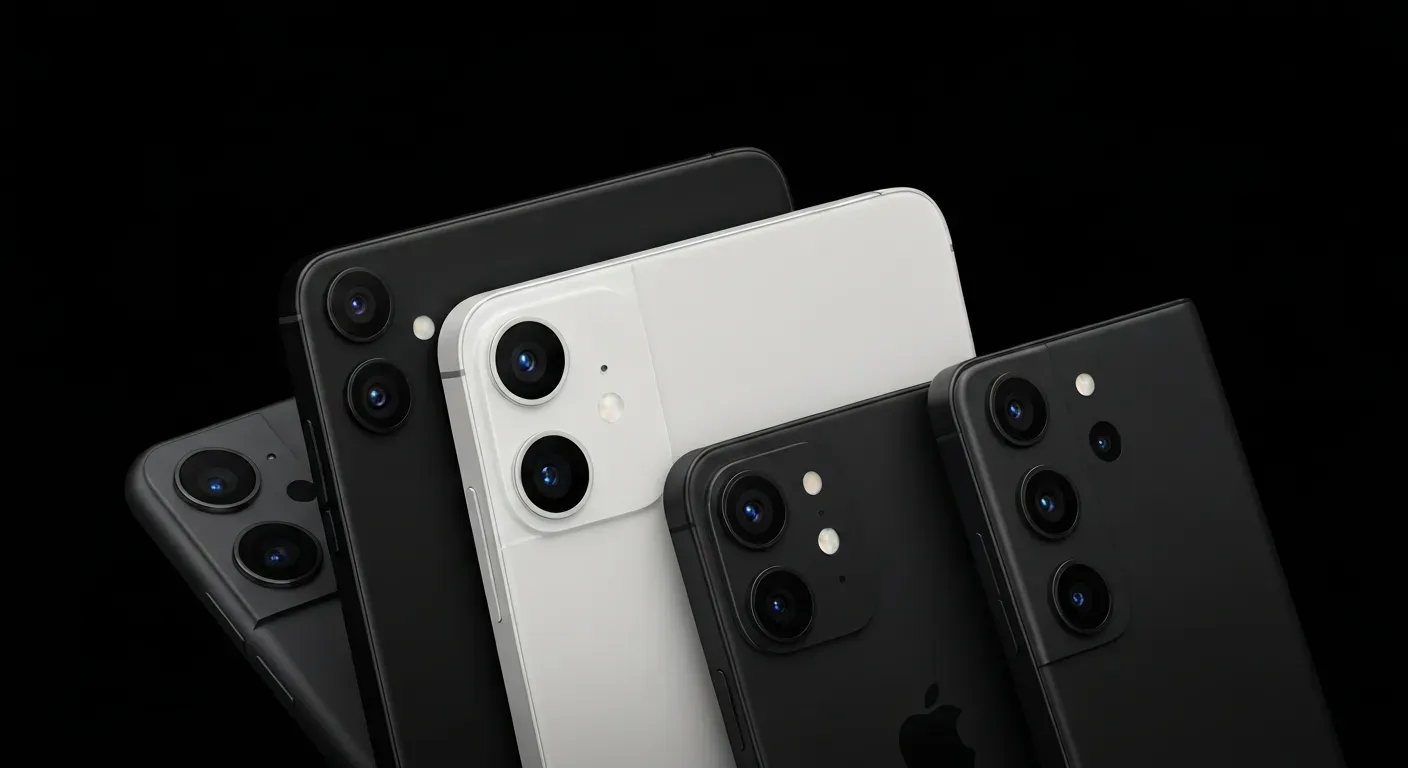
 Forget lugging around bulky DSLRs; the future of capturing breathtaking images is in your pocket. In 2026, smartphone cameras have evolved into powerful creative tools, capable of rivaling dedicated equipment. Are you ready to elevate your mobile photography game?
The quest for the best cell phone cameras has never been more exciting. This year's devices are packed with revolutionary technology, from advanced sensors to unparalleled low-light performance, making it easier than ever to preserve your memories in stunning detail.
This guide will unveil the top 10 camera phones for 2026, specifically curated for photography enthusiasts like you. We'll explore their cutting-edge features, from optical zoom capabilities to pro-level video recording, helping you find the perfect smartphone to unleash your inner artist.
Top Camera Phones for Photography Enthusiasts in 2026
The pursuit of the perfect shot drives innovation in mobile photography. In 2026, camera phones offer advanced optics and intelligent processing. This list highlights ten devices that push the boundaries of smartphone imaging, catering to enthusiasts seeking professional-grade results. These phones prioritize sensor size, lens versatility, and computational power to capture detail and nuance.
1. VERTU Agent Q
The VERTU Agent Q offers luxury alongside its camera capabilities. It features over 320 hand-assembled components. Its ‘Humanist Lens' system includes a 50MP Main, 64MP Telephoto, and 50MP Ultra-Wide camera. A standout is the world's first true mechanical zoom lens, aiming for a human-eye perspective. AI capabilities and a focus on data sovereignty distinguish this device for its target users.
2. Samsung Galaxy S24 Ultra
Samsung's Galaxy S24 Ultra stands as a photography powerhouse. Its main camera uses a 200MP sensor, and versatile telephoto lenses provide significant zoom reach. The advanced AI ProVisual Engine and Galaxy AI tools offer extensive control. Users can capture detailed photos and professional-grade video, making it a prime choice for smartphone shooters focused on detail and zoom capabilities.
3. Xiaomi 15 Ultra
Xiaomi's 15 Ultra targets professional photography enthusiasts. It boasts a large 1-inch 50MP main sensor and a quad-camera system, co-engineered with Leica, providing versatility. This includes dual telephoto lenses: a 50MP 3x telephoto and a 200MP 4.3x periscope telephoto. The device delivers exceptional detail and dynamic range, particularly excelling in low-light and night photography scenarios.
4. Google Pixel 10 Pro
The Google Pixel 10 Pro represents the zenith of computational photography. It leverages advanced AI for superior HDR processing and Super Resolution Zoom up to 30x. The camera setup includes a 50MP main sensor, a 48MP ultrawide, and a 48MP telephoto with 5x optical zoom. This phone offers consistent, reliable performance, ideal for point-and-shoot excellence and strong night photos.
5. Apple iPhone 17 Pro / Max
Apple's iPhone 17 Pro / Max is built for professional mobile recording. It features Apple's most advanced camera system, with all rear cameras utilizing 48MP sensors for accurate color representation and detail. It includes a 48MP Main, 48MP Ultrawide, and a 48MP Telephoto with 4x optical zoom. An 18MP front camera supports vlogging and high-quality selfies. ProRes RAW and Genlock support cater to advanced video workflows.
6. Apple iPhone 17 Pro
The Apple iPhone 17 Pro is a strong contender for overall camera performance. It features an upgraded 48MP telephoto camera with 4x optical zoom and a new 18MP Center Stage front camera for enhanced selfies and vlogging. Its 48MP main and ultrawide cameras work with ProRes RAW and Genlock support, making it a versatile tool for photography and videography, especially for low-light photos.
7. Metavertu Max
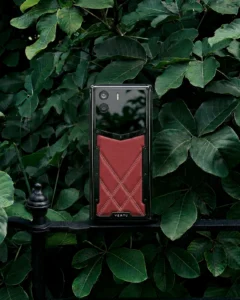
The Metavertu Max blends luxurious design with a professional camera system. It features a 50MP main camera (35mm, 1″ Sensor), a 50MP ultra-wide, and an 8MP telephoto lens with OIS. Its Web3 Dual-AI brain and robust security, including a bank-grade A5 secure chip, offer a unique platform. Creators valuing privacy and cutting-edge technology will find it appealing.
8. VERTU Quantum Flip
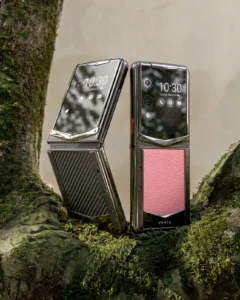
The VERTU Quantum Flip is a durable, intelligent foldable phone. It sports a professional AI dual-camera system with a 50MP rear camera featuring OIS+EIS stabilization and a 32MP front camera. The device excels in AI photo management and real-time translation. It records 4K 60FPS video, making it capable for content creation and vlogging with enhanced security.
9. Oppo Find X9 Pro
Oppo's Find X9 Pro is a zoom-focused smartphone. It features a remarkable 200MP telephoto lens and a 50MP main sensor, offering unparalleled zoom capabilities and consistent image quality across its lenses. A 50MP ultrawide is part of the system. With 4K 120fps video capture and excellent stabilization, it balances zoom and advanced video features for creators.
10. Samsung Galaxy Z Flip 7
The Samsung Galaxy Z Flip 7 leads foldable camera phones with improved photo processing. It offers a 50MP main camera supported by a 12MP ultrawide. Users can employ the main camera for selfies and video. Portrait video mode and LOG recording make it compelling for vloggers, providing versatility in a compact foldable form factor for content creators.
These ten devices represent the pinnacle of mobile imaging in 2026. They offer specialized features for diverse photographic needs, from luxury craftsmanship to extreme zoom and computational prowess. Choosing the best cell phone cameras depends on individual priorities, whether it's sensor size, AI enhancement, or unique form factors.
Choosing Your Next Photography Companion
Selecting a camera phone in 2026 means prioritizing hardware and intelligent processing. Focus on sensor size, aperture, and optical zoom, as these elements directly impact image quality, especially in challenging lighting. The best cell phone cameras leverage these components for versatile shooting.
Key Considerations for Camera Phone Buyers
When purchasing a camera phone, prioritize larger sensors and wider apertures, such as f/1.7 or lower, for superior low-light and night photography. Optical zoom lenses are essential for maintaining image detail when capturing distant subjects, making them vital for users seeking flexible photographic options.
Understanding Camera Specifications
Deciphering camera specifications unlocks a phone's photographic potential. A 200 MP sensor provides extensive detail for cropping, and multiple telephoto lenses offer shooting flexibility. Understand that optical zoom, using dedicated lenses, yields better results than digital zoom. Higher megapixel counts on ultrawide and telephoto lenses enhance overall versatility.
| Specification | Benefit | Example |
|---|---|---|
| Sensor Size | Better light capture | Larger sensors excel in low light |
| Aperture | Controls light and depth of field | f/1.7 or lower for low light |
| Optical Zoom | Preserves image quality at distance | Essential for telephoto shots |
The Role of AI in Smartphone Photography
AI transforms smartphone photography. Features like computational photography, AI ProVisual Engines, and advanced image processing enhance HDR, night shots, and subject recognition. These AI enhancements deliver improved results for everyday users and vloggers alike, automating complex adjustments to ensure polished images.
FAQ (Frequently Asked Questions)
Q1: What is the best camera phone for vlogging in 2026?
A1: For vlogging in 2026, devices like the iPhone 17 Pro/Max and VERTU Agent Q offer advanced video features. These phones provide superior stabilization systems and high-quality front-facing cameras, combining for excellent video content creation.
Q2: How important is a 200 MP sensor for smartphone photography?
A2: A 200 MP sensor captures exceptional detail, allowing significant cropping without losing image quality. However, sensor size and image processing are also critical, impacting overall image quality, especially in low light.
Q3: Can a smartphone camera truly replace a professional DSLR?
A3: Smartphone cameras have advanced significantly, yet professional DSLR or mirrorless cameras retain advantages. These include larger sensor sizes, interchangeable lenses, and manual control options, offering greater flexibility for specialized photography.
Q4: What makes a phone good for low-light photos?
A4: Phones excelling in low-light photography typically feature larger image sensors and wider aperture lenses. Advanced image stabilization and sophisticated AI-powered night modes are also key for reducing noise and enhancing detail.
Q5: Are foldable phones good for photography?
A5: Modern foldable phones, such as the VERTU Quantum Flip and Samsung Galaxy Z Flip 7, now include capable camera systems with OIS and advanced AI processing. Their versatile designs allow using main cameras for selfies and unique shooting angles.
Conclusion
The year 2026 has undeniably redefined what's possible with smartphone photography, showcasing the pinnacle of mobile imaging technology. Investing in one of the best cell phone cameras is no longer a compromise but a powerful creative tool, unlocking unprecedented artistic potential for every user. These devices offer remarkable versatility for both stills and video.
To truly harness this innovation, meticulously assess your personal photographic needs and aspirations. Prioritize features like advanced zoom, exceptional low-light capabilities, or superior video resolution that resonate with your creative goals. By aligning your chosen device with your vision, you'll ensure a truly rewarding mobile photography journey.
Don't let this technological leap pass you by; explore these top-tier camera phones and make an informed choice today. Embrace the future of visual storytelling and elevate your photography to extraordinary new heights!