| Metric | Function in Workout Tracking | User Benefit |
|---|---|---|
| Active Heart Rate | Tracks Beats Per Minute (BPM) during exertion | Determines the cardiovascular intensity and calorie burn of the session |
| HRV (Heart Rate Variability) | Measures time variation between heartbeats | Indicates how well the body is recovering from the physical stress of the workout |
| Movement Sensors | 3D Accelerometer tracking | Identifies the specific mechanics of movement (e.g., cadence and pace) |
| Body Temperature | Monitors deviations in skin temperature | Helps distinguish between healthy exertion and potential illness or overtraining |
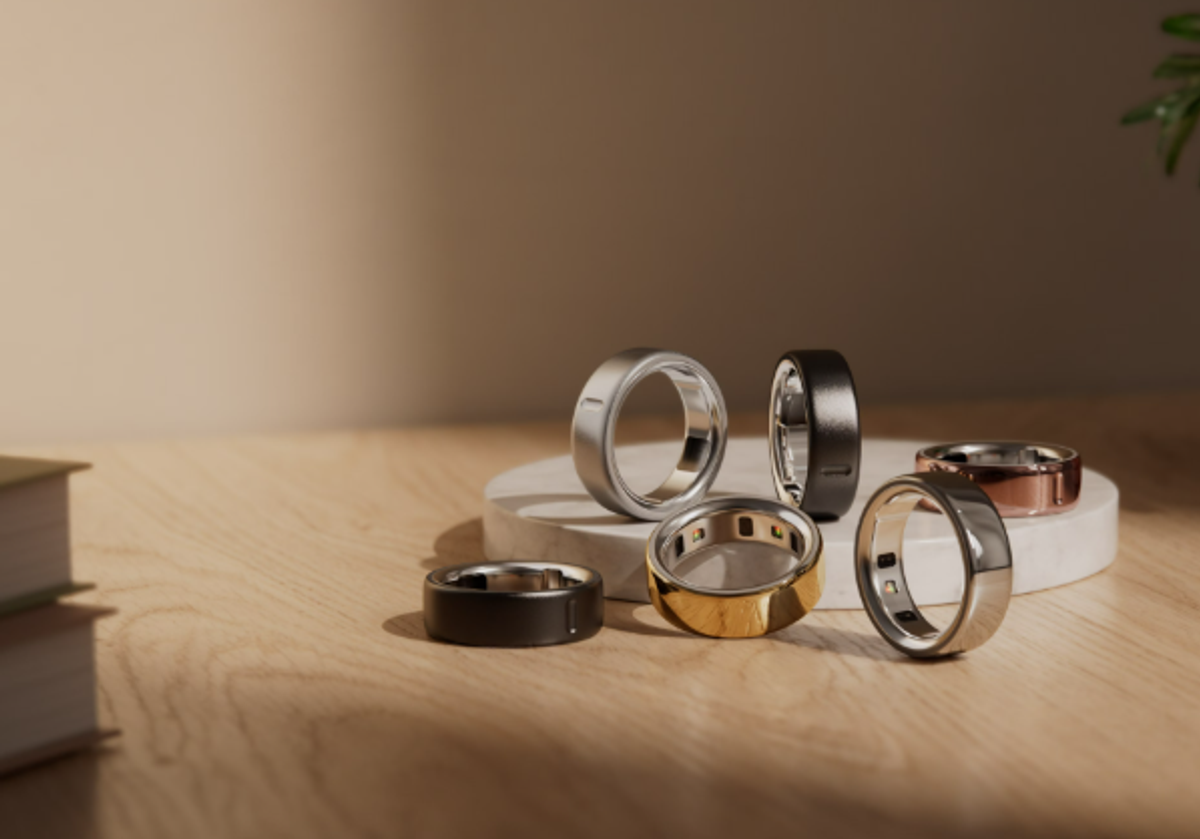
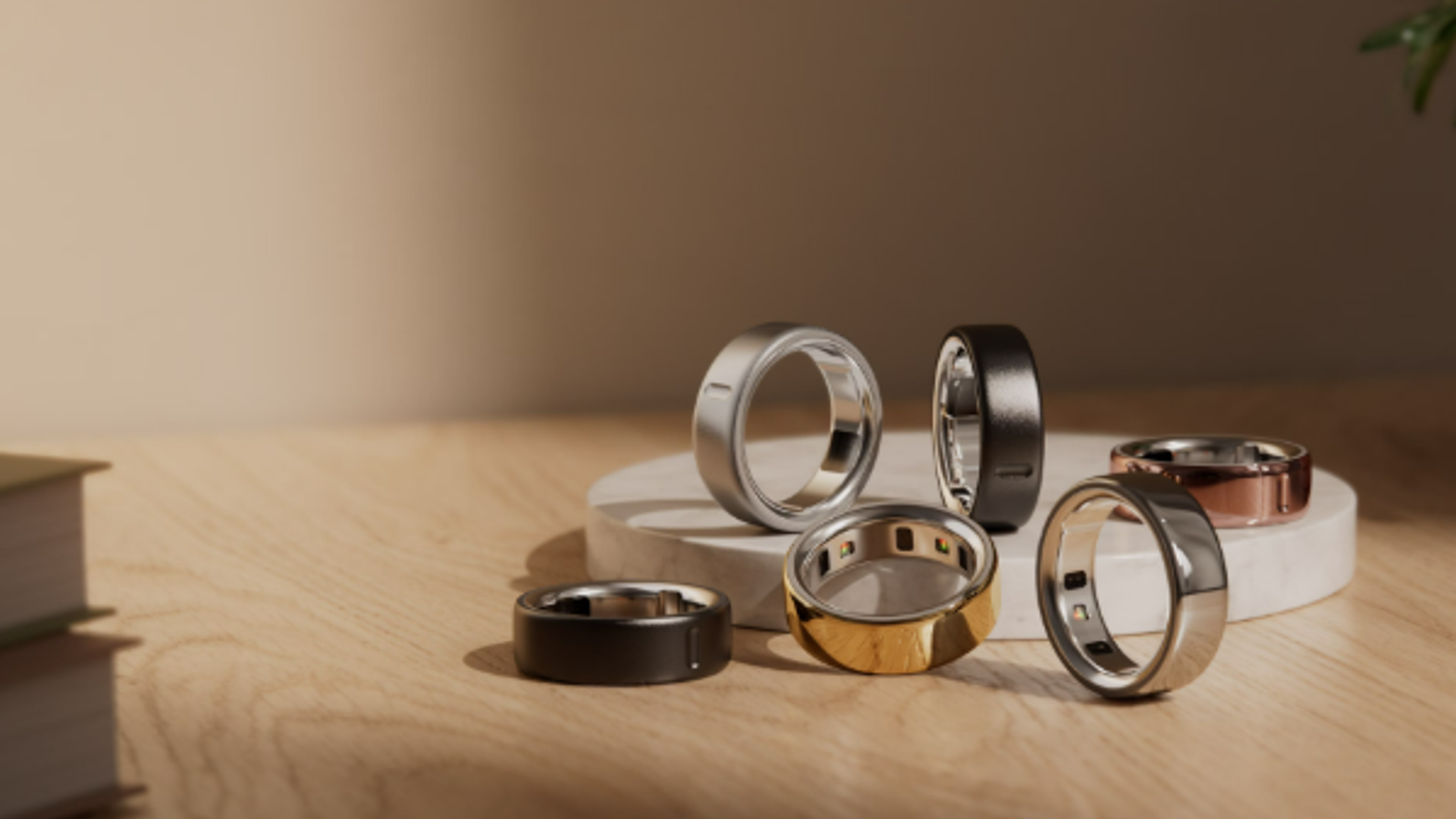
Navigating the evolving landscape of wearable technology in 2025 can be confusing, especially when deciding between a bulky smartwatch and a discreet smart ring. While the Oura Ring is universally praised as the gold standard for sleep and recovery monitoring, many potential users hesitate, wondering if it can truly replace a dedicated fitness tracker. You might find yourself asking: Does Oura Ring pick up workouts effectively enough to support your specific training goals?
This guide offers a deep dive into the device's capabilities, moving beyond simple step counting to analyze how it handles high-intensity training and daily movement. We will explore the nuances of automatic activity detection, compare its accuracy against industry leaders like Apple and Garmin, and provide actionable advice for maximizing data precision. Whether you are a casual jogger or a data-driven athlete, understanding these features is essential for optimizing your health journey. Let’s determine if the Oura Ring is the comprehensive fitness companion you need to track your progress accurately.
Oura Ring Workout Tracking: How Does it Work?
Many prospective users and health enthusiasts often ask: Does Oura Ring pick up workouts? The answer lies in the device's sophisticated Automatic Activity Detection (AAD) feature. Unlike traditional fitness trackers that often require manual input to begin a session, the Oura Ring is designed for automatic workout tracking based on changes in movement, heart rate, and other physiological signals.
This "set and forget" approach allows users to focus entirely on their physical performance while the ring captures the data in the background.
Understanding Oura's Automatic Activity Detection
The core of Oura's tracking capability relies on a fusion of advanced sensor data. The ring utilizes a 3D accelerometer to detect physical motion and photoplethysmography (PPG) sensors to monitor blood flow. When the device senses elevated physical activity combined with a rising heart rate for a sustained period (typically over 10 minutes), it flags the event.
Note: Oura does not just guess; it presents the potential workout in the app timeline, asking the user to confirm the activity type and duration. This feedback loop helps refine the accuracy of future tracking.
Key Metrics: Heart Rate, HRV, and Movement
To provide a complete physiological picture, the device monitors continuous heart rate and Heart Rate Variability (HRV) to assess workout intensity and recovery. While the accelerometer counts steps or movement intensity, the heart rate data contextualizes the effort, ensuring that a stressful meeting isn't mistaken for a cardio session.
The interaction between these metrics is vital for calculating the user's daily Readiness Score .
The Role of Algorithms in Exercise Recognition
The hardware is powered by sophisticated algorithms that analyze sensor data to differentiate between various activities, from walking to more intense exercises. These algorithms look for specific "biometric fingerprints." For example, the rhythmic impact of running produces a different sensor pattern than the smooth, consistent motion of cycling or the erratic movement of housework.
By processing these distinct patterns, the Oura Ring can categorize activities with impressive precision, ensuring that your daily activity score reflects your actual physical output.
Accuracy and Limitations: Does Oura Ring Capture Workouts Reliably?
While the Oura Ring is industry-renowned for its sleep tracking capabilities, its approach to fitness tracking is distinct from typical smartwatches. Users frequently ask, Does Oura Ring pick up workouts? The answer depends largely on the consistency and type of your movement. While the Automatic Activity Detection (AAD) feature is sophisticated, understanding its specific strengths and limitations ensures you capture the most actionable health data.
Oura Ring Exercise Tracking Accuracy: What to Expect
The Oura Ring offers good accuracy for continuous, moderate-to-high intensity activities. The device’s accelerometer and PPG sensors rely heavily on rhythmic movement patterns combined with a sustained elevated heart rate. Consequently, steady-state cardio exercises —such as running, brisk walking, and cycling—are typically detected with high reliability without user intervention.
However, the method of tracking differs between automatic and manual modes. To maximize data precision, it is helpful to understand these differences:
| Feature | Automatic Activity Detection | Manual Workout Mode |
|---|---|---|
| Best For | Walking, Running, Cycling | HIIT, Strength Training, Yoga |
| Sampling Rate | Standard Intervals | High-Frequency Sampling |
| Initiation | Passive (Background) | Active (User starts in app) |
| GPS Mapping | General Estimation | Precise (via Phone GPS) |
When Manual Tracking is Recommended
For shorter duration, lower intensity, or highly variable workouts, relying solely on auto-detection may result in missed data. Activities like HIIT (High-Intensity Interval Training), CrossFit, or traditional strength training involve erratic heart rate spikes and irregular hand movements that do not trigger the automatic threshold.
Pro Tip: For these activity types, manual initiation is strongly recommended to ensure no data is lost.
Manually starting a "Record Workout Heart Rate" session prompts the sensors to sample your biometrics continuously rather than intermittently. This provides a detailed heart rate graph and more accurate calorie burn estimates, ensuring your "Activity Score" reflects your true exertion levels.
Troubleshooting Common Detection Issues
If you find that the ring consistently misses your daily movement, consider the following troubleshooting steps to optimize performance:
- Check the Fit: Ensure your ring is worn snugly. The sensors must maintain constant contact with the skin. If the ring rotates freely during vigorous movement, the optical sensors cannot read your pulse, leading to data gaps.
- Update Firmware: Regular updates often include refinements to the motion algorithms. Ensure your firmware is updated to improve detection accuracy.
- Train the Algorithm: If a workout isn't detected automatically, manually add it to the app retroactively. Over time, this helps train the algorithm to recognize your specific movement patterns and intensity levels.
By distinguishing between activities that suit auto-detection and those requiring manual input, you can ensure your daily strain metrics remain precise and useful.
Oura Ring vs. Other Fitness Trackers: Apple Watch & Garmin in 2025
The wearable technology landscape in 2025 is defined by a split in philosophy: the comprehensive, screen-heavy smartwatch versus the discreet, "invisible" health tracker. While smartwatches demand attention, the Oura Ring offers a passive tracking experience, prioritizing rest and recovery over real-time notification bombardment.
Oura Ring vs. Apple Watch: Sleep vs. Fitness Focus
The primary distinction between these devices lies in their form factor and intent. The Apple Watch is an extension of your iPhone, offering robust app integration, LTE connectivity, and a bright display for real-time metrics. In contrast, the Oura Ring excels in sleep tracking and recovery readiness , designed to be worn 24/7 without the bulk or battery anxiety of a watch.
A common question for prospective buyers is: Does Oura Ring pick up workouts? The answer is yes, utilizing Automatic Activity Detection (AAD) to log movement. However, it lacks the real-time screen feedback found on the Apple Watch. If you need to see your heart rate zones mid-sprint, the Apple Watch is superior. If you prefer a device that analyzes your physiology quietly in the background, Oura is the optimal choice.
| Feature | Oura Ring | Apple Watch | Garmin |
|---|---|---|---|
| Form Factor | Discreet Finger Ring | Interactive Smartwatch | Rugged Sport Watch |
| Primary Strength | Sleep & Recovery Data | Lifestyle & App Ecosystem | GPS & Athletic Metrics |
| Battery Life | ~4–7 Days | ~18–36 Hours | ~7–20+ Days |
| Real-Time Data | No (Post-activity review) | Yes (On-screen) | Yes (On-screen) |
| Comfort | High (Ideal for sleep) | Medium (Wrist bulk) | Medium/Low (Bulky) |
Oura Ring vs. Garmin: Advanced Training Insights
Garmin devices remain the gold standard for serious athletes requiring granular performance data. Garmin appeals to marathon runners and triathletes due to its advanced training metrics and GPS capabilities , features that a finger-worn sensor simply cannot replicate physically.
However, many athletes in 2025 utilize a dual-device strategy . They wear a Garmin for tracking the specific metrics of a run or swim, and the Oura Ring to monitor Recovery Readiness and sleep quality. While Garmin provides the "Body Battery" metric, Oura’s sleep staging algorithms are often cited as being more sensitive to subtle physiological changes, providing valuable recovery data that helps prevent overtraining.
Choosing the Right Wearable for Your Goals
Selecting the right device depends entirely on your lifestyle priorities:
Choose Oura Ring if: You prioritize sleep optimization, want a discreet form factor that looks like jewelry, and prefer data analysis after
- your day rather than during it.
- Choose Apple Watch if: You want a lifestyle companion that bridges the gap between fitness tracking and smartphone productivity.
- Choose Garmin if: You are performance-driven, require precise GPS mapping, and need rugged hardware for outdoor endurance activities.
Maximizing Your Oura Ring: Beyond Workout Detection
While many new users ask, " Does Oura Ring pick up workouts? " the answer is a definitive yes, thanks to its Automatic Activity Detection (AAD) feature. However, treating the Oura Ring solely as an activity tracker misses its true potential. The device distinguishes itself by contextualizing your physical exertion against your body's internal recovery status, offering a holistic view of health that goes beyond simple step counting.
Leveraging Sleep Tracking for Performance Gains
To optimize your workouts , you must first understand how your sleep quality dictates your physiological capacity. The Oura Ring analyzes sleep stages—Deep, REM, and Light—to determine how well your body has repaired muscle tissue and replenished energy stores.
"Recovery is the limiting factor of performance."
If your data shows a lack of Deep Sleep, your muscular recovery may be compromised, suggesting that a heavy lifting session might lead to strain rather than strength gains. Conversely, high REM sleep indicates mental restoration, priming you for complex skill-acquisition drills.
Understanding Your Readiness Score for Smarter Training
The Readiness Score is arguably the most critical metric for athletes and fitness enthusiasts. It synthesizes data from your sleep, heart rate variability (HRV), and previous day's activity to provide a daily capacity rating. Using this score to guide daily training intensity is the most effective way to prevent overtraining and injury .
By aligning your workout intensity with your Readiness Score, you ensure you are pushing when your body is capable and resting when it is vulnerable.
| Readiness Score | Recommended Intensity | Activity Examples |
|---|---|---|
| 85 – 100 (Optimal) | High / Peak Effort | HIIT, Heavy Resistance Training, Long Runs |
| 70 – 84 (Good) | Moderate / Maintenance | Steady State Cardio, moderate flow yoga |
| Below 70 (Pay Attention) | Low / Active Recovery | Walking, Stretching, Rest Day |
Utilizing Oura's Health Metrics in the US Market
As the US market shifts toward preventative health in 2025 , the Oura Ring provides valuable health metrics like Resting Heart Rate (RHR) and Respiratory Rate that are crucial for overall wellness monitoring. A sudden spike in RHR or respiratory rate can be an early indicator of illness or excessive stress. Monitoring these trends allows users to proactively adjust their lifestyle, ensuring longevity and sustained performance.
FAQ (Frequently Asked Questions)
Q1: Can the Oura Ring track weightlifting and gym workouts effectively?
A1: While Automatic Activity Detection works best for rhythmic cardio, Oura can track weightlifting if you use the "Record Workout Heart Rate" feature manually in the app. This ensures the sensors sample continuously to capture the erratic heart rate spikes common in strength training, providing a more accurate calorie burn and exertion score than auto-detection alone.
Q2: Does the Oura Ring have built-in GPS for running?
A2: No, the Oura Ring does not have a built-in GPS module due to its small form factor. However, it utilizes "Connected GPS" by syncing with your smartphone. To get route maps, pace, and distance data for your runs or rides, you must carry your phone with you and ensure location services are enabled for the Oura app.
Q3: Is the Oura Ring waterproof and can it track swimming?
A3: Yes, the Oura Ring is water-resistant up to 100 meters (approx. 330 feet). It is designed to be worn while swimming, showering, or snorkeling. However, automatic detection for swimming can be tricky due to water interference with optical sensors; manually logging the swim duration and intensity in the app often yields the most accurate data for your daily activity score.
Q4: Can I sync Oura workout data with Apple Health or Google Fit?
A4: Absolutely. Oura offers robust integration with major health platforms, including Apple Health, Google Fit, and Strava. This allows you to import workouts recorded on other devices (like a Garmin or Apple Watch) into the Oura app, ensuring your Readiness and Activity scores account for all your physical exertion.
Conclusion
As we move through 2025, the Oura Ring has firmly established itself as a formidable competitor in the wearable market, evolving far beyond a simple sleep tracker. Throughout this article, we have explored the nuances of its capabilities, specifically addressing the critical question: Does Oura Ring pick up workouts?
The answer is yes—it effectively detects and tracks continuous activities like walking, running, and cycling, seamlessly integrating this data with its superior sleep and recovery metrics. While it may occasionally require manual input for sporadic or complex resistance training, its ability to provide a holistic view of your health makes it an invaluable tool for understanding your body's unique physiological signals.
To maximize your experience, ensure you wear your Oura Ring snugly to maintain heart rate accuracy and keep the firmware updated to access the latest detection algorithms. Do not hesitate to manually log workouts that aren't automatically detected to ensure your daily activity targets are precise. Furthermore, pay close attention to your Readiness Score to gauge exactly when to push your limits, and utilize the detailed sleep data to prioritize necessary recovery days.
Ready to take control of your health? Don't leave your recovery to chance. Visit the official Oura website today to select your ring size and style, or download the app to start syncing your workouts and unlocking the full potential of your biometric data.
Powered by OpenSEO .