| Activity Metric | Description | Impact on Activity Score |
|---|---|---|
| Training Frequency | How often you engage in medium-to-high intensity activities over a rolling 7-day period. | High – Encourages consistency over intensity. |
| Daily Movement | The equivalent distance of your daily physical exertion (steps + workouts). | Moderate – Measures total volume. |
| Recovery Time | The amount of easy days or rest periods taken between heavy activity sessions. | Critical – Prevents burnout and injury. |
| Meet Daily Goals | The frequency with which you hit your personalized calorie or step targets. | High – Tracks adherence to baseline goals. |
Have you ever wondered why some mornings you feel unstoppable while others feel like a struggle, even after spending enough hours in bed? In 2025, the secret to waking up refreshed often lies in the specific actions you took the day before. Understanding the symbiotic relationship between your daily movement and nightly recovery is essential for unlocking peak performance. This is where advanced smart tracking becomes invaluable for your health journey.
When you analyze the precision with which the Oura Ring measure activity features capture your movement, you gain access to the missing link in understanding your physiological data. This comprehensive guide explores the science behind your rest, detailing exactly how your physical exertion directly influences your Sleep Score. We will dive into the mechanics of Oura’s tracking sensors, explain why specific intensity levels matter for deep sleep, and provide practical strategies to optimize your routine. By learning to balance your daily hustle with necessary recovery, you can finally master your well-being and wake up ready to conquer the day.
Understanding Oura Ring Activity Tracking in 2025
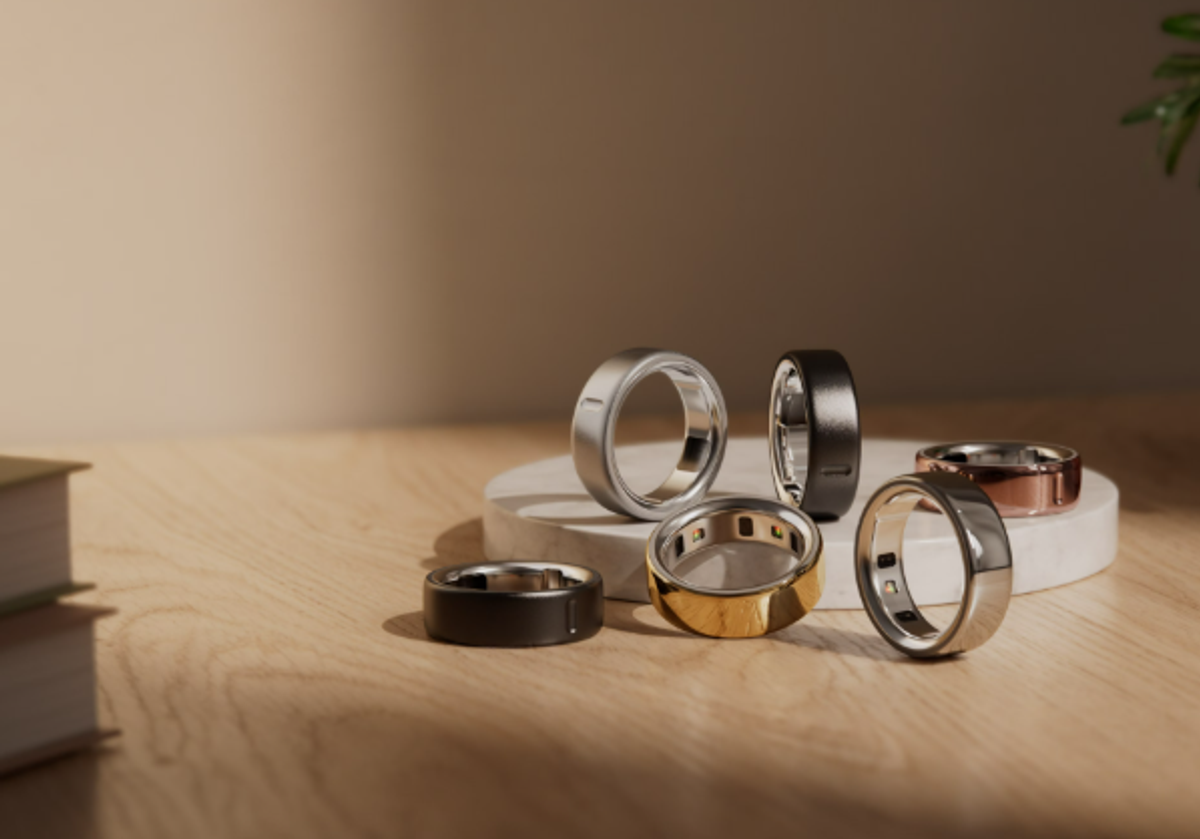
In the evolving landscape of wearable technology, the Oura Ring distinguishes itself by prioritizing a balance between exertion and recovery. Unlike fitness trackers that solely push for higher intensity, Oura provides a holistic view of your physical state.
It uses advanced sensors to continuously monitor movement and heart rate, providing a comprehensive picture of your daily energy expenditure. This approach ensures that your health data reflects not just how much you move, but how your body responds to that movement.
What Does 'Activity' Mean for Oura Ring?
For Oura, "activity" extends beyond scheduled gym sessions. It encompasses all physical movement, from walking to the kitchen to high-intensity interval training. The device calculates a daily Activity Score , which is a composite metric derived from your movement patterns throughout the day.
Note: Oura emphasizes that rest is physically productive. A high Activity Score requires a balance of movement and adequate recovery time.
The system evaluates whether you are staying active enough to maintain health while avoiding overtraining. Factors like "Move Every Hour" alerts highlight the importance of breaking up inactivity periods, which is just as crucial as the workout itself.
How Oura Ring Measures Your Daily Movement
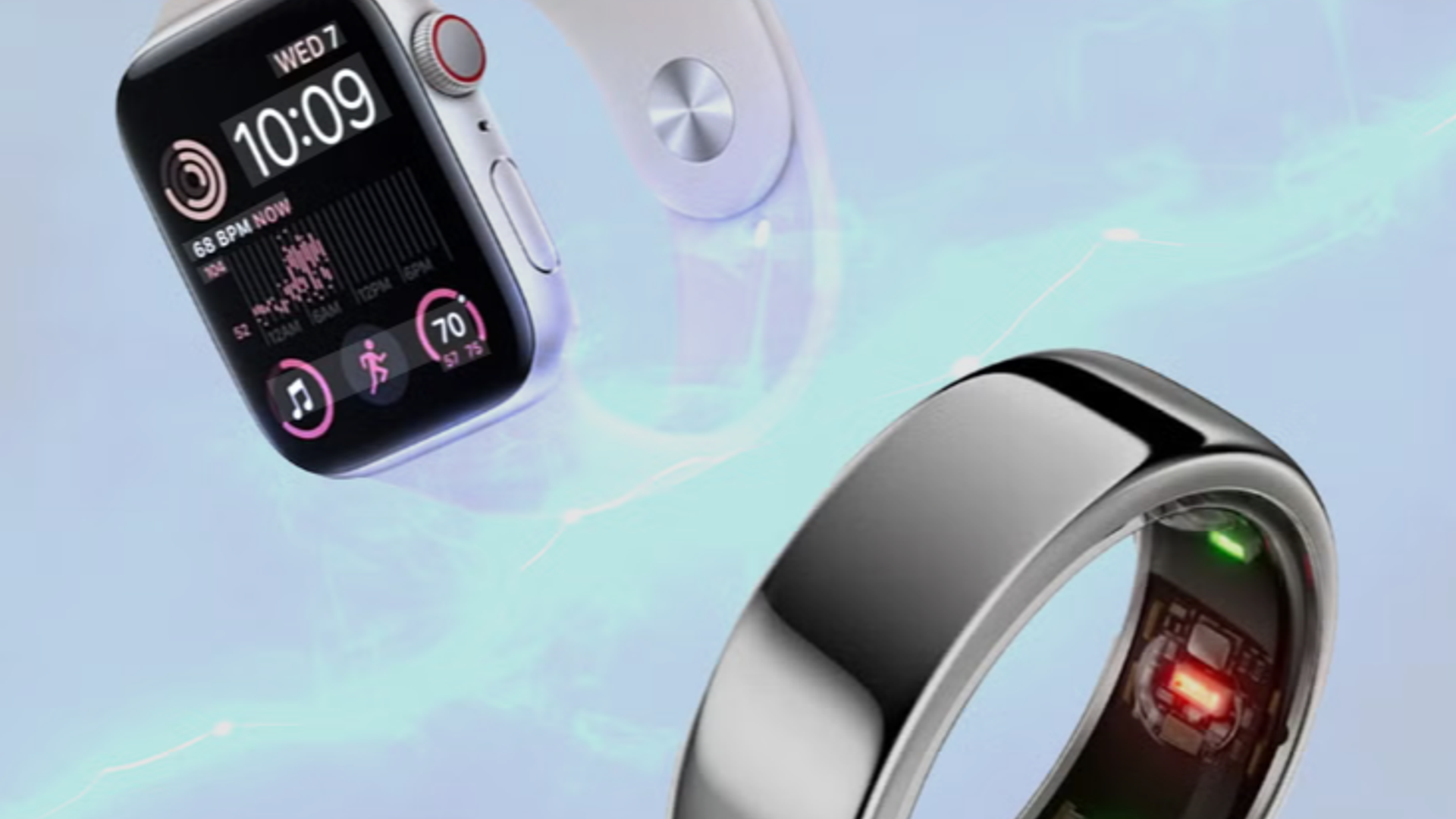
To understand how the Oura Ring measure activity levels so accurately, one must look at its sensor array. The ring utilizes a 3D accelerometer to detect movement in all directions, combined with temperature sensors and heart rate monitoring. This allows for precise tracking of steps, active minutes (moderate to vigorous physical activity), and automatic workout detection.
Consistent wear, especially during workouts, is essential for accurate data accumulation. Below is a breakdown of how different movement factors contribute to your overall insights:
The Role of Heart Rate and HRV in Activity Insights
While accelerometers track motion, the optical heart rate sensors provide the context of effort. Heart Rate Variability (HRV) and resting heart rate (RHR) offer deeper insights into your body's exertion and recovery status, crucial for understanding activity's impact on sleep.
If your RHR is elevated or your HRV is lower than your baseline, Oura may suggest a "Rest Day" even if you haven't hit your activity goals. This bio-feedback loop ensures that your pursuit of fitness does not compromise your long-term health, allowing you to align your daily activity levels with your body’s current capacity to perform.
The Direct Link: How Activity Levels Influence Your 2025 Sleep Score
Your sleep quality is rarely defined solely by what happens after your head hits the pillow; it is often dictated by how you move during the day. In 2025, understanding the symbiotic relationship between exertion and recovery is essential for health optimization. Your daily activity level directly influences your body's physiological state, affecting sleep onset, duration, and quality.
The Science: Why Exertion Impacts Rest
Physiologically, sleep is the body's response to the demand created by wakefulness and movement. When the Oura Ring measure activity metrics throughout your day, it is essentially quantifying the "sleep pressure" (adenosine buildup) required to fall asleep efficiently.
Physiological Fact: Adequate physical strain helps regulate the circadian rhythm, ensuring that your body temperature drops at the appropriate time to facilitate deep rest.
However, the relationship is not linear. While inactivity can lead to fragmented sleep due to a lack of physical fatigue, overtraining without adequate rest can spike cortisol levels. This stress response prevents the parasympathetic nervous system from engaging effectively during the night.
Balancing Workout Intensity with Recovery Needs
The timing and intensity of your movement are just as critical as the volume. While exercise is generally beneficial, high-intensity workouts close to bedtime can negatively impact sleep onset. This occurs because intense exertion elevates heart rate and core body temperature—two metrics that must lower for sleep to occur. Conversely, moderate activity earlier in the day can improve sleep depth.
To optimize your 2025 routine, consider the following impact of timing on sleep metrics:
| Activity Type | Optimal Timing | Impact on Sleep Onset | Impact on Deep Sleep |
|---|---|---|---|
| High-Intensity (HIIT/Heavy Lifting) | Morning or Early Afternoon | Negative if done late (Delays onset) | Neutral/Positive (if recovery is adequate) |
| Moderate Aerobic (Jogging/Cycling) | Mid-Day | Neutral | Positive (Enhances restorative phases) |
| Low-Intensity (Yoga/Walking) | Evening | Positive (Aids relaxation) | Neutral |
| Sedentary Behavior | N/A | Negative (Causes fragmentation) | Negative (Reduces sleep pressure) |
Identifying Patterns: Activity vs. Sleep Quality
To truly master your recovery, you must look at the data holistically. The Oura Ring's Sleep Score synthesizes sleep duration, efficiency, and stages (REM, Deep Sleep). However, these numbers do not exist in a vacuum. Your activity data provides context for these metrics.
For example, a low "Deep Sleep" score might correlate directly with a day of sedentary behavior or, conversely, an excessively late training session. By analyzing your Activity Score alongside your Sleep Score , you help you fine-tune your daily routine for optimal recovery in 2025.
Actionable Insight: If your Sleep Score drops, check your previous day's activity graph. If you see a spike in heart rate late in the evening, shift your intense workouts to the morning. If you see low overall movement, aim for a moderate walk to boost sleep pressure for the next night.
Maximizing Your Oura Ring Activity Data in 2025: Practical Tips
In 2025, wearable technology has evolved from simple step counting to holistic health management. To truly benefit from the way the Oura Ring measure activity algorithms function, users must move beyond passive tracking and engage deeply with the data. Optimizing your settings and understanding the correlation between movement and recovery are essential for achieving peak physical condition.
Leveraging Workout Detection and Manual Logging
For the most accurate data, you should utilize a hybrid approach to tracking. While the Oura Ring is excellent at picking up daily movement, combining automatic features with human input provides the best results.
First, ensure you enable 'Workout Detection' in the Oura app. This feature automatically recognizes movement patterns like walking, running, or cycling. However, for non-step-based activities like weightlifting or yoga, manual entry is crucial to capture the full physiological strain.
Comparison: Automatic vs. Manual Tracking
| Feature Aspect | Automatic Workout Detection | Manual Workout Logging |
|---|---|---|
| Primary Utility | Capturing spontaneous movement (e.g., commuting, cleaning) | Documenting structured training (e.g., HIIT, Pilates) |
| Accuracy Level | Estimates intensity based on HR and motion | High precision; specific duration and type |
| User Effort | Passive (Set and forget) | Active (Requires post-workout entry) |
| Context Provided | General movement classification | Specific activity context for algorithm adjustment |
Using Inactivity Alerts to Your Advantage
Sedentary behavior is often the enemy of metabolic health, even for active individuals. Setting up 'Inactivity Alerts' is a critical step in combating this. These alerts function as a gentle reminder to move if you have been stationary for 50 minutes.
Pro Tip: Treat these alerts as "micro-recovery" sessions rather than annoyances. A simple two-minute walk can reset your circulation and contribute positively to your overall activity levels without causing fatigue.
Analyzing Trends for Long-Term Health Gains
Daily fluctuations are normal, but long-term consistency drives results. Regularly reviewing the 'Trends' section allows you to visualize your Oura Ring activity data over weeks and months.
Consider the interplay between your Activity, Sleep, and Readiness scores . In 2025, smart training means using these metrics to make informed decisions:
- High Readiness + High Sleep Score: Push for high-intensity training.
- Low Readiness + High Activity Trend: Indicates a need for a restorative rest day.
By analyzing how consistent activity impacts your sleep quality, you can fine-tune your lifestyle for sustained health rather than short-term spikes in performance.
FAQ (Frequently Asked Questions)
Q1: How does the Oura Ring measure my activity levels?
A1: The Oura Ring uses a 3D accelerometer to track movement in all directions, along with optical heart rate sensors to gauge exertion. It monitors steps, active minutes, and automatically detects various workout types to build a comprehensive picture of your daily physical activity.
Q2: Can intense exercise late at night negatively impact my sleep score?
A2: Yes, high-intensity exercise too close to bedtime can elevate your heart rate and body temperature, making it harder to fall asleep and potentially reducing the quality of your deep sleep. Oura's data often reflects this with lower sleep scores on such days.
Q3: What is the ideal balance between activity and rest for better sleep?
A3: The ideal balance involves consistent daily movement and structured training, but also adequate recovery. Oura suggests that overtraining without sufficient rest can lead to elevated stress hormones and negatively impact sleep. Aim for a mix of moderate and low-intensity activities, and listen to your body's signals for rest days.
Q4: How do I use my Oura Ring activity data to improve my sleep score?
A4: Regularly review your daily Activity Score alongside your Sleep Score. If your sleep is poor, examine your previous day's activity. If you had prolonged sedentary periods, aim for more movement. If you had intense activity late in the day, try shifting it to earlier. Use trends to identify patterns over time.
Conclusion
As we navigate the health landscape of 2025, it is clear that your wearable is far more than a passive accessory; it is a sophisticated engine for personal optimization. Throughout this article, we have demonstrated that the way you move during the day is the primary driver for how well you recover at night. Understanding precisely how the Oura Ring measure activity features function allows you to bridge the gap between physical exertion and deep, restorative rest.
By analyzing your daily movement, you can finally decode the formula for a perfect Sleep Score and enhanced overall Readiness. To truly harness this power, you must move from observation to action. Start by committing to consistent 24/7 wear to ensure every step counts. Enable Automatic Workout Detection to capture the full scope of your exertion, and make it a habit to review your Activity and Sleep scores side-by-side every morning.
Don't be afraid to experiment; adjust your workout intensity and observe the direct impact on your recovery numbers. You have the tools to unlock your full potential and achieve a balanced, healthier lifestyle. Are you ready to transform your well-being in 2025? Dive deeper into your Oura app features today and start optimizing your performance. We would love to hear from you—share your biggest 'aha!' moment regarding how your activity influences your sleep in the comments below!
Powered by OpenSEO .