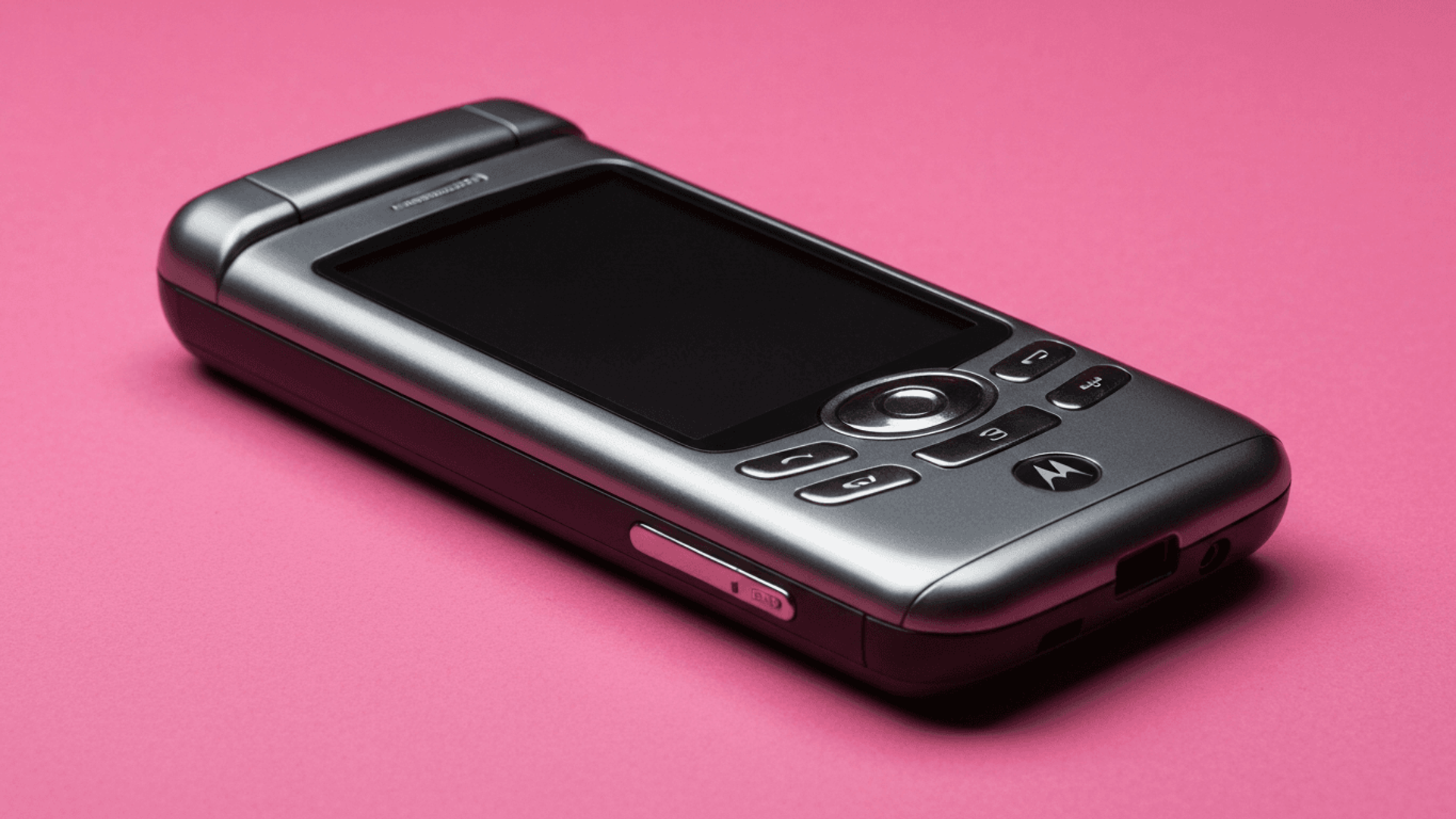
| Feature/Metric | Nokia 3310/E-Series | Moto RAZR V3 | Blackberry |
|---|---|---|---|
| Primary Appeal | Durability & Battery | Sleek Flip-out Design | Business Productivity |
| Target Audience | Mass Market | Style-Conscious Consumers | Enterprise Users |
| Key Function | Calls/Snake/Text | Fashion/Portability | Email/Security |
| Market Impact | Cultural Icon | 130M+ Units Sold | Corporate Standard |
What Was the Most Popular Phone Before the iPhone Changed Everything?
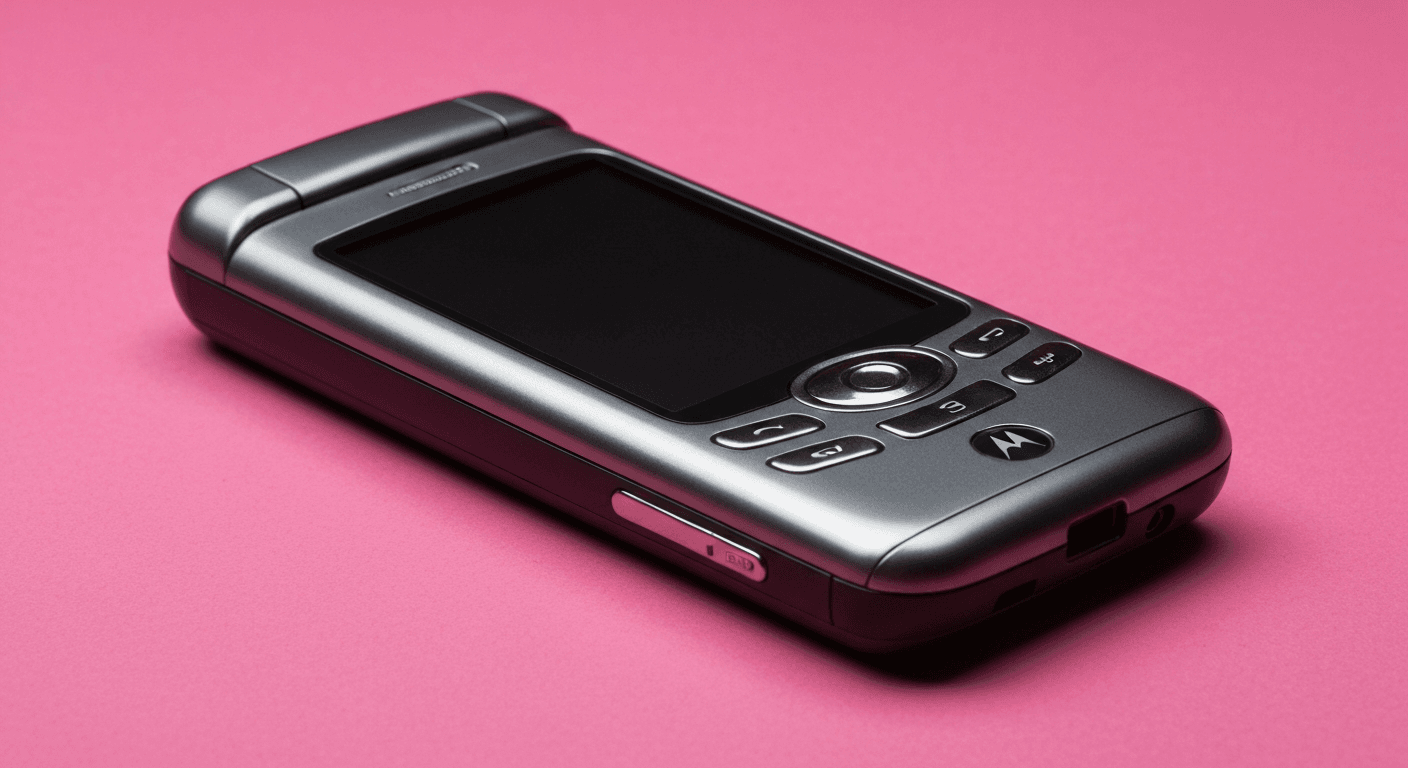
It's hard to imagine a world without touchscreens and app stores today, but a different titan once ruled the mobile industry. Just over a decade ago, physical keyboards and sleek flip mechanisms were the ultimate symbols of status and productivity. You likely remember the satisfying click of plastic keys far better than the swipe of glass.
While Apple eventually captured the global market, specific devices defined the technological era leading up to 2007. Many tech enthusiasts still wonder about the most popular phone before iPhone arrived to disrupt the status quo. These robust handsets were not just simple communication tools; they were cultural icons that paved the way for modern connectivity.
In this article, we will revisit the legendary devices that dominated consumer pockets and corporate boardrooms alike during that pivotal time. We will explore the innovative features and massive market impact that established them as the undisputed benchmarks. Get ready to take a nostalgic look at the mobile kings that reigned supreme before the smartphone revolution.
The Reigning Champion: Nokia's Dominance
For over a decade, Nokia, a Finnish telecommunications giant, reigned as the undisputed leader of the mobile world. Their devices were celebrated for robust durability and intuitive interfaces, making them ubiquitous across the globe. While the Moto RAZR V3 is frequently cited as a contender for the most popular phone before iPhone due to its massive sales of over 130 million units, Nokia's brand dominance was unmatched in global scale and longevity.
Nokia's Ascendancy
Nokia achieved its status by catering to a broad spectrum of users, from teenagers to business executives. Unlike the Blackberry, which primarily targeted the business demographic with email-centric features, Nokia phones were designed for the general public. They offered a reliable, user-friendly experience that defined the pre-smartphone era, establishing a legacy of quality that few competitors could rival.
Key Features of Popular Nokia Models
Nokia's lineup was diverse and innovative. The Nokia 3310 remains legendary for its resilience, while the N-Gage explored early mobile gaming. The E-series provided essential connectivity for professionals. These devices boasted features like early mobile web browsing, cameras, and the iconic Snake game. Crucially, they offered multi-day battery life , a sharp contrast to modern devices.
The User Experience Before Touchscreens The user experience was defined by physical keypads and tactile navigation buttons . Users navigated menus using directional pads, developing muscle memory for T9 texting. While lacking the fluid touch interface introduced by the iPhone, this system was highly efficient. It prioritized reliable communication and essential entertainment, serving a generation perfectly before the market shifted toward the app-centric ecosystems we know today.
The Product Core: Iconic Devices of the Pre-iPhone Era
Nokia’s dominance in the mobile industry was built on a diverse portfolio that catered to specific user needs with distinct form factors. Before the iPhone unified the market with a versatile touchscreen interface, Nokia offered specialized devices for every demographic, from casual users to high-powered executives.
Nokia 3310: The Indestructible Icon
Released in 2000, the Nokia 3310 became an undisputed icon of durability and reliability. Renowned for its robust build quality and exceptional battery life , it could withstand drops that would shatter modern devices.
With over 126 million units sold worldwide, it stands as a strong contender for the most popular phone before iPhone revolutionized the industry. While the Moto RAZR V3 later captured the market with its sleek flip design, the 3310 won hearts through pure utility and the addictive game Snake II .
Nokia N-Gage: Gaming Meets Mobile
Launched in 2003, the Nokia N-Gage was a bold attempt to merge a mobile phone with a handheld gaming console. It featured a landscape orientation and a card slot for game cartridges, aiming to capture the youth market.
While innovative in concept, its unique design—which required users to hold the phone sideways for calls—limited its mass appeal. However, it garnered a dedicated niche following, foreshadowing the future convergence of mobile gaming and communication.
Nokia E71: The Business Powerhouse
The Nokia E71, released in 2008, represented the pinnacle of Nokia’s business-oriented smartphones. It was designed to compete directly with Blackberry , offering a slim stainless steel profile and a highly responsive full QWERTY keyboard .
Featuring a high-resolution display and robust tools for email and document editing, it became a favorite for professionals. Even as the iPhone began shifting the market toward general consumers, the E71 remained the top choice for users prioritizing productivity and typing speed.
| Feature | Nokia 3310 | Nokia N-Gage | Nokia E71 |
|---|---|---|---|
| Launch Year | 2000 | 2003 | 2008 |
| Primary Focus | Durability & Simplicity | Gaming & Multimedia | Business Productivity |
| Key Feature | Snake II & Long Battery | Dedicated Game Controls | Full QWERTY Keyboard |
| Market Status | Mass Market Icon | Niche Innovation | Enterprise Standard |
Practical Implications and Actionable Tips from Iconic Devices: Nokia 3310: Its legendary durability and exceptional battery life highlight the value of robust hardware and efficient power management.
Actionable Tip 1: When considering new tech, don't overlook build quality. A well-built device can last longer and withstand everyday mishaps.
Actionable Tip 2: Prioritize devices with strong battery performance if you frequently find yourself away from charging points.
Nokia N-Gage: This device demonstrated the early potential for mobile gaming and multimedia convergence .
Actionable Tip 1: Look for devices that offer versatile entertainment options beyond basic communication.
Actionable Tip 2: Consider how integrated features can enhance your experience, even if the initial concept seems niche.
Nokia E71: Its success as a business tool emphasizes the importance of efficient productivity features and a comfortable typing experience .
Actionable Tip 1: For professional use, prioritize devices with excellent keyboards and robust software for email and document management.
Actionable Tip 2: Consider the ergonomic design of your device, especially if you engage in extensive typing or mobile work.
Buying Guide: What to Look For in a Pre-iPhone Era Phone (Hypothetically)
Before the touchscreen revolution, the most popular phone before iPhone was often defined by its distinct hardware personality. The Moto RAZR V3, for instance, achieved legendary status with over 130 million units sold, captivating users with its ultra-thin profile rather than an app store.
Durability and Build Quality
In this era, durability was paramount . Unlike the fragile glass sandwiches of modern smartphones, devices were often built with robust plastics and metals designed to withstand drops. Brands like Nokia set the industry standard for toughness, creating phones that could endure significant physical abuse without cracking.
The Moto RAZR V3 also showcased that durability could meet style. Its sleek flip-out design naturally protected the screen and keypad when closed, ensuring longevity amidst daily wear and tear—a stark contrast to the vulnerability of today's exposed displays.
Battery Life Expectations
Battery life was a major differentiator . Users expected phones to last for days, or even a week, on a single charge. This longevity was primarily due to simpler operating systems and significantly less power-hungry components compared to today's processors.
While business-focused Blackberry devices managed emails efficiently, general consumer phones required far less power. The freedom of leaving the charger at home for a weekend trip was a standard expectation, not a luxury feature.
Essential Features vs. Luxuries
Beyond calls and texts, features like basic cameras, FM radio, and MP3 playback were considered 'essential' or highly desirable. Simple games provided entertainment, but advanced functionalities like true mobile internet browsing were nascent or non-existent for the mass market.
| Feature Attribute | Pre-iPhone Era (e.g., Moto RAZR) | Modern Smartphone Era |
|---|---|---|
| Battery Life | Multi-day (3-7 days) | Daily charging (18-24 hrs) |
| Build Material | Robust Plastic / Metal | Glass / Aluminum |
| Primary Input | Physical Keypad / T9 | Multi-touch Screen |
| Connectivity | WAP / Basic GPRS | 5G / Wi-Fi 6 |
FAQ (Frequently Asked Questions) Q1: What made Nokia so dominant before the iPhone?
A1: Nokia's dominance stemmed from their focus on durable hardware, intuitive interfaces, and broad market appeal. They consistently delivered reliable phones suitable for everyone, unlike more niche competitors.
Q2: Did phones have "apps" before the iPhone?
A2: Yes, many phones supported pre-installed Java applications. These were simpler than modern apps but offered basic tools and games, representing early mobile software.
Q3: How did people browse the internet on phones before smartphones?
A3: Mobile internet access was limited to technologies like WAP for simplified browsing and slower data speeds via GPRS or EDGE. This made the experience text-heavy and much slower than today's mobile web.
Q4: Was the Moto RAZR V3 more popular than Nokia phones?
A4: The Moto RAZR V3 was incredibly popular with over 130 million units sold due to its iconic design. However, Nokia's overall market share and brand ubiquity were greater globally for a longer period.
Conclusion
Looking back at the mobile landscape, it is clear that Nokia reigned supreme with iconic devices like the indestructible 3310 and the business-ready E71. Understanding the most popular phone before iPhone helps us appreciate the durability and user-friendly designs that paved the way for modern smartphones. These legendary handsets were not just simple communication tools, but cultural icons that defined a generation.
Take a moment today to reflect on the massive leap from physical T9 keypads to the seamless touchscreens we use daily. You should compare the incredible battery life of those classic models with today's devices to truly value the speed of technological innovation. Revisiting the history of these vintage gadgets offers a fascinating perspective on how our digital lives have evolved.
We would love to hear your personal stories about the specific mobile devices that ruled your world before the smartphone takeover. Please drop a comment below to share your fondest memories of the most popular phone before the iPhone era. Let’s celebrate the nostalgic tech that started it all and connected us in such unforgettable ways!