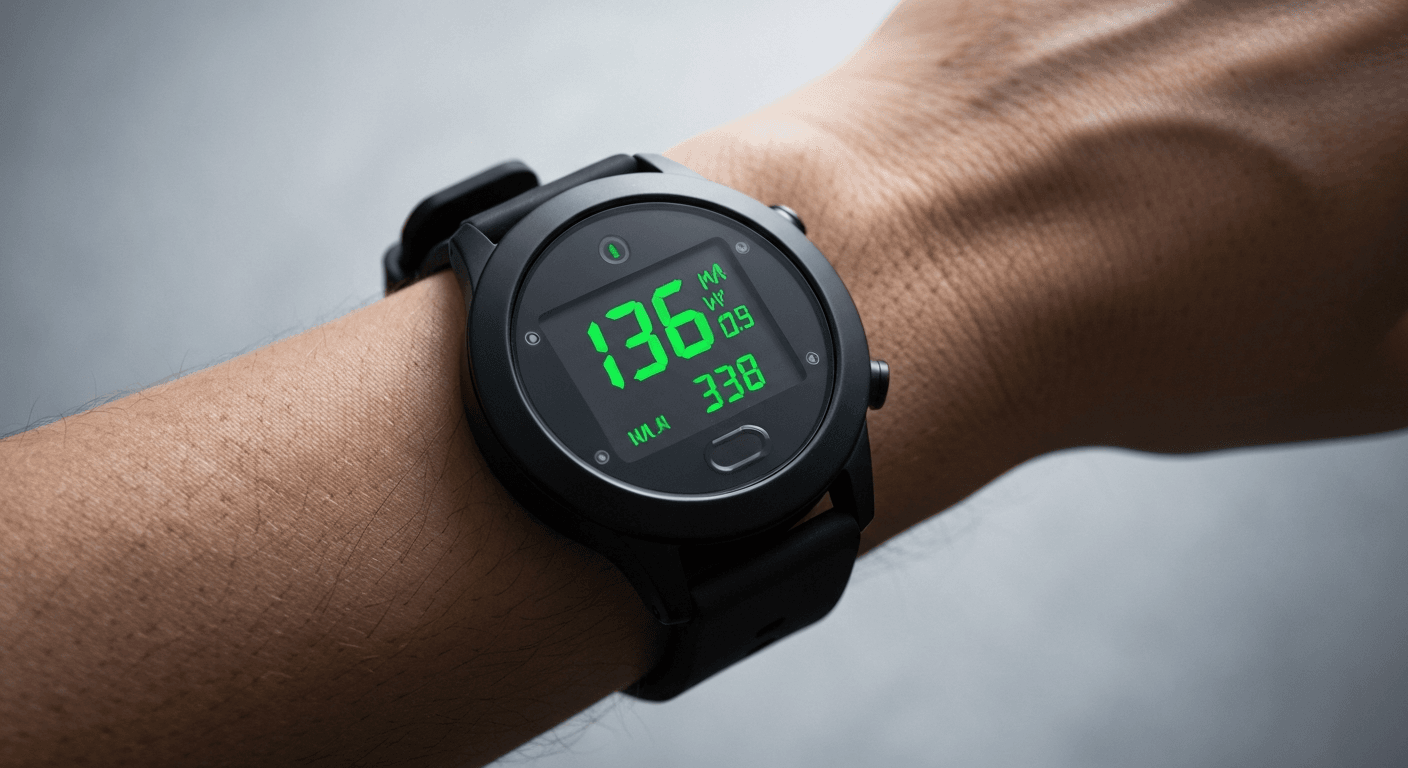
 Imagine a future where your wrist doesn't just tell time, but whispers vital insights into your health. In 2026, this future is now, and your smartwatch is your personal health guardian, ready to reveal crucial information about your body. This advanced technology, often integrated into a sophisticated blood oxygen monitor watch, is becoming indispensable for proactive well-being. Understanding how to leverage this feature empowers you to take charge of your health like never before. This guide will demystify SpO2 tracking, explore the best devices, and provide actionable tips for obtaining accurate readings. We'll cover how this technology benefits everyone, from athletes to those managing chronic conditions, ensuring you get the most from your smart wearable.
Top 7 Best Smartwatches for Blood Oxygen Monitoring in 2026
As 2026 dawns, the integration of advanced health monitoring into our daily lives reaches new heights. For those prioritizing insights into their respiratory health and overall well-being, a blood oxygen monitor watch has become an indispensable tool. This year's leading smartwatches offer sophisticated SpO₂ tracking, seamlessly blending into sophisticated ecosystems for a holistic health overview.
Apple Watch Series 9
The Apple Watch Series 9 continues to set a benchmark for advanced health features, prominently featuring a blood oxygen sensor. Its seamless integration within the Apple ecosystem provides a comprehensive health tracking experience, delivering a premium feel to users invested in Apple's connected world. This blood oxygen monitor watch offers users detailed insights into their respiratory well-being alongside a suite of other health metrics.
Samsung Galaxy Watch 6
For Android enthusiasts, the Samsung Galaxy Watch 6 stands out with its robust health tracking capabilities, including precise blood oxygen measurements. Its vibrant display enhances the user experience, offering advanced health monitoring features that are deeply integrated within the Samsung ecosystem. This smartwatch is a compelling choice for those seeking a powerful blood oxygen monitor watch that complements their existing Android devices.
Fitbit Sense 2
The Fitbit Sense 2 is purpose-built for a holistic approach to health and wellness. It offers comprehensive tracking that prominently includes blood oxygen (SpO₂) levels, alongside effective stress management tools and advanced sleep tracking. This makes it an excellent blood oxygen monitor watch for individuals focused on understanding and improving their daily well-being and recovery patterns.
Garmin Forerunner 265
Designed with athletes in mind, the Garmin Forerunner 265 excels in advanced fitness tracking, incorporating blood oxygen monitoring. Its vibrant AMOLED display ensures excellent readability during intense workouts, making it an ideal blood oxygen monitor watch for performance-focused users who demand both data and durability.
Withings ScanWatch 2
The Withings ScanWatch 2 masterfully blends classic watch aesthetics with cutting-edge health monitoring, including SpO₂ measurement. This makes it a superb option for those who desire the sophisticated health tracking of a modern blood oxygen monitor watch without compromising on a traditional, elegant timepiece. Its design offers a discreet yet powerful health companion.
Amazfit Band 7
The Amazfit Band 7 emerges as a budget-friendly yet highly capable option, providing essential SpO₂ monitoring. Its long battery life and comprehensive health tracking features make accessible blood oxygen level monitoring a reality for a wider audience. This band proves that a reliable blood oxygen monitor watch doesn't need to break the bank.
Garmin Vivosmart 5
The Garmin Vivosmart 5 is a lightweight wearable with a strong focus on sleep and recovery metrics. It features an integrated Pulse Ox sensor for precise blood oxygen monitoring, alongside core fitness tracking capabilities. This makes it a focused blood oxygen monitor watch for users prioritizing rest and rejuvenation.
These top smartwatches in 2026 empower users with detailed blood oxygen insights, transforming how we approach personal health monitoring. Whether you prioritize a premium ecosystem, athletic performance, or classic design, a sophisticated blood oxygen monitor watch is now within reach.
1. Apple Watch Series 9
Practical Implications: The Apple Watch Series 9 offers seamless integration for Apple users, providing on-demand blood oxygen readings and background monitoring during sleep. This allows for early detection of potential respiratory issues and a deeper understanding of how factors like exercise and altitude affect your oxygen levels.
Actionable Tips:
- Schedule Regular Checks: Utilize the blood oxygen app to take readings at consistent times, especially before and after exercise, or upon waking.
- Monitor Sleep Trends: Pay attention to your overnight blood oxygen data to identify any patterns that might indicate sleep disturbances or respiratory concerns.
2. Samsung Galaxy Watch 6
Practical Implications: For Android users, the Galaxy Watch 6 provides accurate SpO₂ tracking within the Samsung Health ecosystem. This data can be correlated with other health metrics like heart rate and activity levels, offering a comprehensive view of your cardiovascular and respiratory health.
Actionable Tips:
- Enable Auto-Measurement: Configure your watch to automatically measure blood oxygen levels during sleep for continuous insights.
- Review Daily Summaries: Check the Samsung Health app daily for summaries of your blood oxygen data and any significant changes or trends.
3. Fitbit Sense 2
Practical Implications: The Fitbit Sense 2 excels in its holistic approach, combining blood oxygen monitoring with stress management and advanced sleep tracking. This allows users to understand how their daily stress and sleep quality impact their oxygen saturation.
Actionable Tips:
- Correlate with Stress Data: Analyze your blood oxygen readings alongside your stress management scores to see if stress impacts your SpO₂ levels.
- Utilize Sleep Insights: Leverage the detailed sleep stage analysis to understand how different sleep patterns might affect your overnight blood oxygen saturation.
4. Garmin Forerunner 265
Practical Implications: The Garmin Forerunner 265 is ideal for athletes, offering blood oxygen monitoring that can help gauge acclimatization to altitude and assess recovery. Understanding your SpO₂ during and after intense training can optimize performance and prevent overexertion.
Actionable Tips:
- Track Altitude Acclimatization: Use the Pulse Ox feature when traveling to higher altitudes to monitor how your body is adapting.
- Assess Recovery: Review your blood oxygen data post-workout to understand your body's recovery rate and readiness for the next training session.
5. Withings ScanWatch 2
Practical Implications: The Withings ScanWatch 2 offers a sophisticated blend of classic design and advanced health monitoring. Its SpO₂ sensor provides valuable insights for those who prefer a more discreet health tracker, allowing for regular checks without a overtly tech-focused device.
Actionable Tips:
- Perform On-Demand Readings: Take advantage of the easy-to-initiate on-demand SpO₂ readings throughout the day for quick health checks.
- Integrate with Health Mate App: Sync your data to the Health Mate app to track trends over time and share with your doctor if needed.
6. Amazfit Band 7
Practical Implications: The Amazfit Band 7 makes blood oxygen monitoring accessible to a wider audience. Its affordability and long battery life ensure continuous tracking, providing basic yet crucial insights into respiratory health for everyday users.
Actionable Tips:
- Utilize Long Battery Life: Charge your band less frequently, allowing for uninterrupted overnight blood oxygen monitoring.
- Focus on Baseline Readings: Establish a baseline of your normal blood oxygen levels during rest to better identify deviations.
7. Garmin Vivosmart 5
Practical Implications: The Garmin Vivosmart 5 prioritizes sleep and recovery, making its Pulse Ox sensor particularly useful for understanding how your body recharges. Consistent monitoring can reveal how sleep quality influences your blood oxygen saturation.
Actionable Tips:
- Analyze Sleep and SpO₂ Correlation: Examine your sleep score alongside your blood oxygen data to see how restorative your sleep truly is.
- Track Recovery Metrics: Use the blood oxygen readings as part of your overall recovery assessment after strenuous activity or illness.
Understanding Blood Oxygen Measurement with Your Smartwatch
Embark on a journey of enhanced well-being with your smartwatch's blood oxygen monitoring capabilities. This advanced feature provides crucial insights into your respiratory health, empowering you to make informed decisions about your lifestyle and seek timely medical advice when necessary. Understanding how this technology works and what the readings signify is key to leveraging its full potential.
How Smartwatch Blood Oxygen Sensors Work
Smartwatches employ sophisticated photoplethysmography (PPG) technology to measure blood oxygen saturation (SpO₂). This involves the use of integrated red and infrared LEDs. These lights are shone onto your wrist, and the sensor then measures how much of this light is absorbed by your hemoglobin. Different levels of oxygenated hemoglobin absorb light differently, allowing the watch to calculate your SpO₂ percentage.
Key Features to Look For
When selecting a blood oxygen monitor watch, prioritize models that offer accurate SpO₂ sensors and reliable heart rate monitoring. Additional features like ECG capabilities can further enrich your health tracking experience. The best smartwatches also boast extended battery life, ensuring continuous monitoring without frequent recharging. Look for clear labeling such as “wearable blood oxygen monitor” or “blood oxygen saturation watch” to confirm these essential functions.
SpO₂ and Your Health: What the Numbers Mean
Typically, normal blood oxygen saturation levels range from 95% to 100%. Readings consistently below 90% may indicate hypoxemia, a condition that warrants prompt medical attention. For individuals managing chronic conditions like COPD or sleep apnea, regular monitoring via a blood oxygen monitor watch is not just beneficial but crucial for effective health management and early detection of potential issues.
| Feature | Standard Smartwatch | Advanced Blood Oxygen Watch |
|---|---|---|
| SpO₂ Measurement | Basic/None | Yes |
| Heart Rate Monitoring | Yes | Yes |
| ECG Capability | Varies | Often included |
| Battery Life (Typical) | 1-3 days | 3-7 days |
| Health Insights | General activity | Deeper respiratory focus |
Regularly reviewing your SpO₂ data can provide a comprehensive picture of your overall health, especially when combined with other vital metrics. This proactive approach, facilitated by your blood oxygen monitor watch, can significantly contribute to a healthier lifestyle.
Choosing the Right Smartwatch for Your Needs in 2026
Navigating the evolving landscape of wearable technology in 2026 requires a discerning eye. Beyond basic timekeeping, smartwatches now offer sophisticated health monitoring. When selecting a blood oxygen monitor watch, consider its integration with your lifestyle and overall wellness goals, ensuring it complements your existing tech ecosystem for a seamless experience.
Factors to Consider Beyond Blood Oxygen
While blood oxygen (SpO₂) monitoring is a significant feature, a truly useful smartwatch in 2026 extends far beyond this metric. Essential considerations include robust GPS for accurate activity tracking, comprehensive health metrics like continuous heart rate monitoring and ECG capabilities, and practical aspects such as battery life and overall durability. Compatibility with your smartphone ecosystem, whether it's the Garmin Pulse Ox ecosystem or the Google Pixel Watch, is paramount for effortless data syncing and control.
Smartwatch vs. Dedicated Pulse Oximeter
The convenience of a blood oxygen monitor watch for everyday wellness tracking is undeniable. On-wrist SpO₂ readings provide immediate insights into your body's oxygen saturation during daily activities or sleep. However, for critical diagnostic purposes or when medical-grade accuracy is paramount, a dedicated fingertip pulse oximeter may still be the preferred choice.
| Feature/Item | Smartwatch (e.g., Garmin Pulse Ox) | Dedicated Fingertip Pulse Oximeter |
|---|---|---|
| Primary Use | Daily wellness, activity tracking | Medical diagnostics, spot checks |
| Accuracy | Good for general wellness | Higher medical-grade accuracy |
| Convenience | Always on-wrist, passive monitoring | Requires active use, manual operation |
| Data Depth | Integrated with other health metrics | Focused solely on SpO2 and pulse |
Integrating Health Data for Holistic Wellness
Leveraging the wealth of data from your smartwatch is key to achieving holistic wellness in 2026. Your blood oxygen monitor watch, alongside activity trackers and heart rate sensors, generates a comprehensive picture of your health. This integrated data can empower you to make informed lifestyle choices and provide invaluable insights for discussions with your healthcare provider, painting a more complete picture of your well-being.
FAQ (Frequently Asked Questions)
Q1: How accurate are smartwatch blood oxygen monitors?
A1: Smartwatch blood oxygen monitors offer good accuracy for general wellness tracking. They are not a substitute for medical-grade devices for critical diagnoses.
Q2: Can my smartwatch detect serious health issues with blood oxygen readings?
A2: While consistent low readings can be an indicator, a smartwatch is not a diagnostic tool. Always consult a healthcare professional for any serious health concerns.
Q3: How often should I check my blood oxygen levels with my smartwatch?
A3: For general awareness, daily checks or overnight monitoring are useful. For specific health conditions, follow your doctor's recommendations.
Q4: What factors can affect my smartwatch's blood oxygen reading accuracy?
A4: Factors like watch fit, movement, skin temperature, and certain medical conditions can influence accuracy. Ensure a snug fit and stillness during readings.
Conclusion
In 2026, your smartwatch is no longer just a timepiece; it's a powerful ally in understanding your health, with blood oxygen monitoring leading the way. These devices offer unparalleled convenience, providing crucial insights into your well-being whether you're pushing your limits or simply prioritizing proactive care. Embracing a blood oxygen monitor watch is a significant step towards informed health management. To harness this technology effectively, begin by researching the leading smartwatches specifically designed for accurate blood oxygen readings. Carefully consider your personal health goals and daily lifestyle to select a device that aligns with your needs. Prioritize models known for their reliability and seamless integration into your routine for a truly empowering experience. Don't wait to take control of your health narrative; start exploring the best blood oxygen monitor watches available today. Empower yourself with the knowledge and capabilities these advanced wearables offer and embark on a journey towards a healthier, more aware you. Your future self will thank you for this proactive choice.