| Feature | Primary Device (Lifestyle) | Secondary Device (Secure) |
|---|---|---|
| Primary Function | Social connectivity, media, photography | Banking, encrypted comms, travel |
| Security Focus | Standard biometrics (FaceID/Fingerprint) | Hardware-level encryption, sandboxing |
| Connectivity | Standard Carrier/5G | Satellite, Global Roaming, or VPN-only |
| Typical Usage | High frequency, public visibility | Low frequency, private utility |
When you picture the lives of the ultra-wealthy, private jets and bespoke suits might come to mind. But what about the technology connecting them to the world? A frequent question among tech enthusiasts and market watchers is: which phone do most rich people use? In 2025, the answer is far more nuanced than simple brand loyalty.
For affluent consumers, a smartphone is a digital fortress—a command center demanding military-grade security, seamless ecosystem integration, and a distinct level of status. This guide explores this sophisticated landscape, moving beyond standard flagships to examine the critical role of privacy, the allure of exclusive brands like Vertu, and the rising importance of AI wearables. Discover how high-net-worth individuals balance functional dominance with luxury aesthetics, understanding the deeper motivations behind the mobile devices in the world's most exclusive pockets.
Understanding the Affluent Consumer: Beyond the Price Tag
For the ultra-wealthy, technology is less about displaying wealth and more about optimizing time, security, and connectivity. To understand their digital choices, we must look past the price tag to their lifestyle requirements.
Defining 'Rich': The Nuances of HNWIs and UHNWIs
High-Net-Worth Individuals (HNWIs) and Ultra-High-Net-Worth Individuals (UHNWIs) have distinct technological needs. HNWIs (with $1 million to $30 million in liquid assets) often prioritize productivity and ecosystem integration. UHNWIs ($30 million+) focus intensely on privacy, asset security, and global connectivity .
For these demographics, a smartphone is a command center. The experience must be seamless, allowing them to manage portfolios, communicate across time zones, and access concierge services without friction.
The 'Second Phone' Phenomenon: Diversifying Digital Needs
A growing trend among the affluent is compartmentalizing digital life. Many HNWIs use multiple devices to separate their public persona from private wealth. A primary phone handles daily tasks, social media, and family logistics, while a secondary device—often with enhanced encryption or limited apps—is reserved for banking and confidential business.
Comparison of Device Usage Strategies:
Brand Perception and Subtle Status Symbols
So, which phone do most rich people use? While diamond-encrusted custom devices might come to mind, the reality is often "Quiet Luxury." The majority gravitate toward top-tier flagship models from major manufacturers like Apple (iPhone Pro Max series) or Samsung (Galaxy Z Fold series).
"True luxury in technology is reliability. The status symbol is no longer the device itself, but the freedom it provides."
The choice acts as a subtle indicator of taste. A folding screen suggests an early adopter valuing innovation, while a standard flagship implies a preference for stability and ecosystem dominance. Ultimately, for the affluent consumer, the device is a tool for maintaining control in a high-stakes world.
The Dominance of iOS and the Allure of the Apple Ecosystem
When analyzing the mobile habits of the affluent, the answer to " Which phone do most rich people use? " is overwhelmingly the iPhone. In the United States, High Net Worth Individuals (HNWIs) consistently choose Apple, not just as a status symbol, but as a strategic choice for managing a complex, high-stakes lifestyle.
Why Apple Reigns Supreme: Security, User Experience, and Integration
For the wealthy, privacy is often synonymous with security. Apple’s "walled garden" architecture offers a level of protection highly attractive to individuals managing sensitive business communications and significant assets. Its robust security features, like hardware-level encryption and strict App Store vetting, provide peace of mind that open platforms often struggle to match.
Furthermore, the user interface (UI) plays a critical role. Time is a finite resource for HNWIs, and the intuitive nature of iOS minimizes friction.
- Consistency: The interface remains familiar across generations, reducing the learning curve.
- Reliability: Fewer crashes and bugs compared to fragmented operating systems.
- Privacy Control: Advanced permission settings allow users to limit data tracking effectively.
The Power of the Ecosystem: iPhone, Apple Watch, and Beyond
The primary driver of brand loyalty among the affluent is the seamless interconnectedness of the Apple ecosystem. It's not just about the phone; it's about how the iPhone communicates with the Mac, iPad, and Apple Watch to create a unified productivity hub.
"The ecosystem creates a continuity of experience that serves as a productivity multiplier for busy professionals."
This integration ensures that a workflow started on one device can be completed on another without interruption.
| Feature | Fragmented Experience (Mixed Brands) | Apple Ecosystem Experience |
|---|---|---|
| Data Synchronization | Requires third-party cloud apps; often delayed | Instant via iCloud across all devices |
| Communication | SMS/Text (Green Bubble); limited features | iMessage/FaceTime; encrypted & high-quality |
| Device Handover | Manual file transfer or emailing self | Handoff & AirDrop ; instant continuity |
| Peripheral Pairing | Bluetooth pairing mode struggles | Instant pairing with AirPods/Watch |
Beyond the Flagship: Value and Reliability in Device Choice
While marketing often highlights the newest features, not every wealthy consumer upgrades annually. Many affluent users prioritize proven reliability over novelty. A slightly older model that functions perfectly is often preferred over a new device requiring setup time and adjustment.
Ultimately, the choice is driven by value in utility . The device must work flawlessly, every time. Whether it's the latest iPhone Pro Max or a well-maintained previous generation, the priority remains a dependable, secure, and integrated experience that supports a demanding lifestyle.
Beyond Apple: Exploring Android, Vertu, and Niche Luxury Phones
While market data consistently indicates Apple's dominance in the premium sector, the landscape of affluent technology is far more nuanced. When investigating which phone do most rich people use? , one discovers that ultra-high-net-worth individuals often seek devices offering specific utilities, unparalleled security, or status signaling that mass-market devices cannot provide.
High-End Androids: Samsung and Specific Use Cases
For many business magnates and tech-savvy elites, the operating system is a matter of productivity rather than trend. High-end Android devices, particularly the Samsung Galaxy Z Fold series , have carved a significant niche. These foldables are not merely phones but pocketable workstations, favored for their multitasking capabilities—allowing a CEO to review contracts on one half of the screen while video conferencing on the other.
Note: The preference here is often functional; Android’s open ecosystem allows for deeper customization and file management preferred by those in technical industries.
The Resurgence of Vertu: Exclusivity Meets Advanced Technology
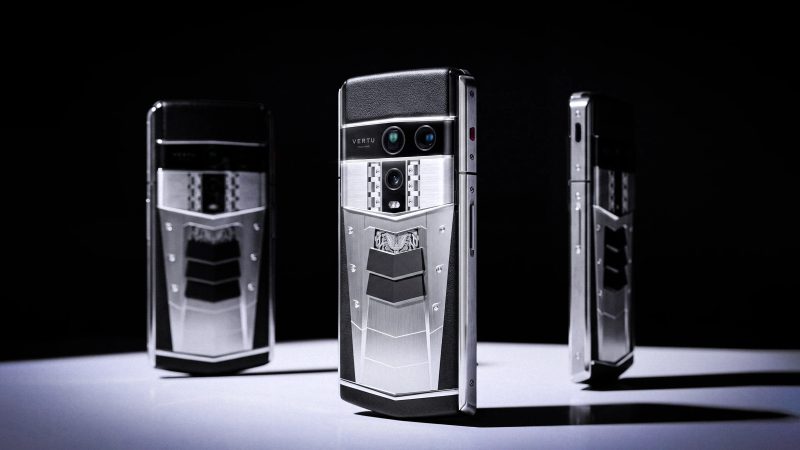
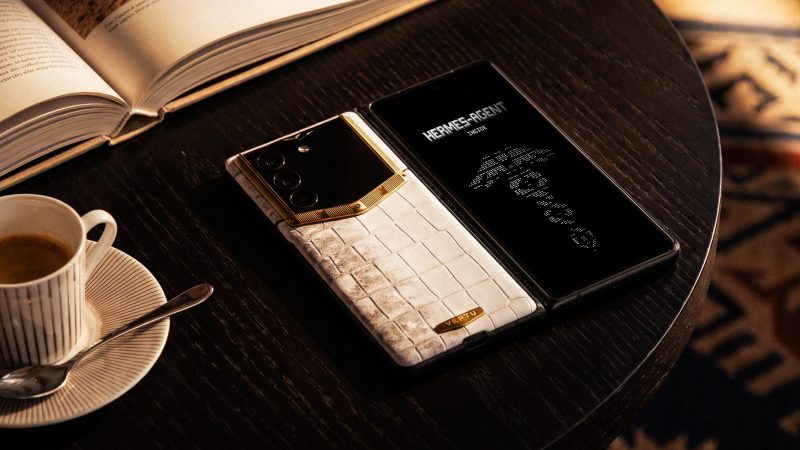
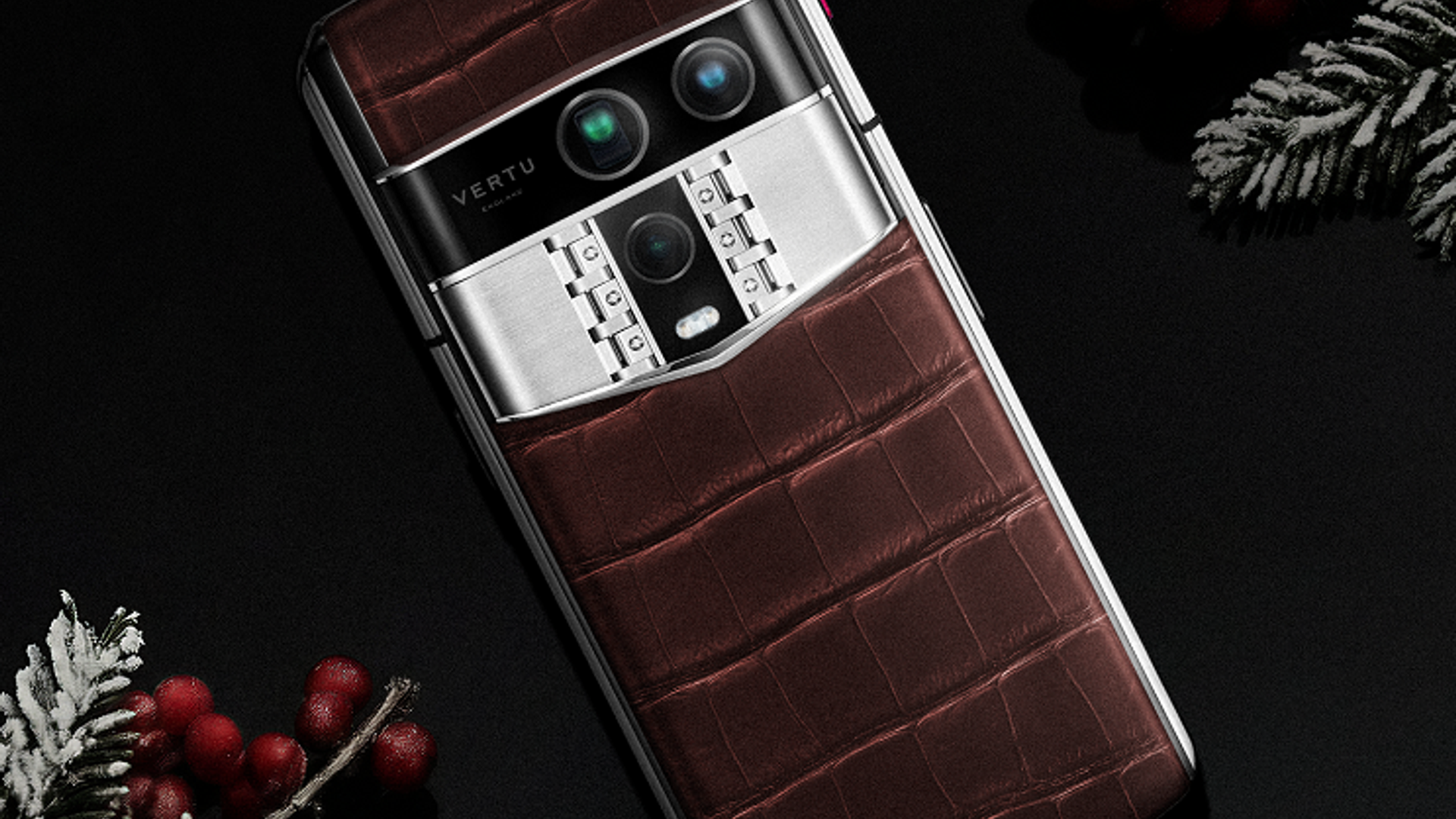
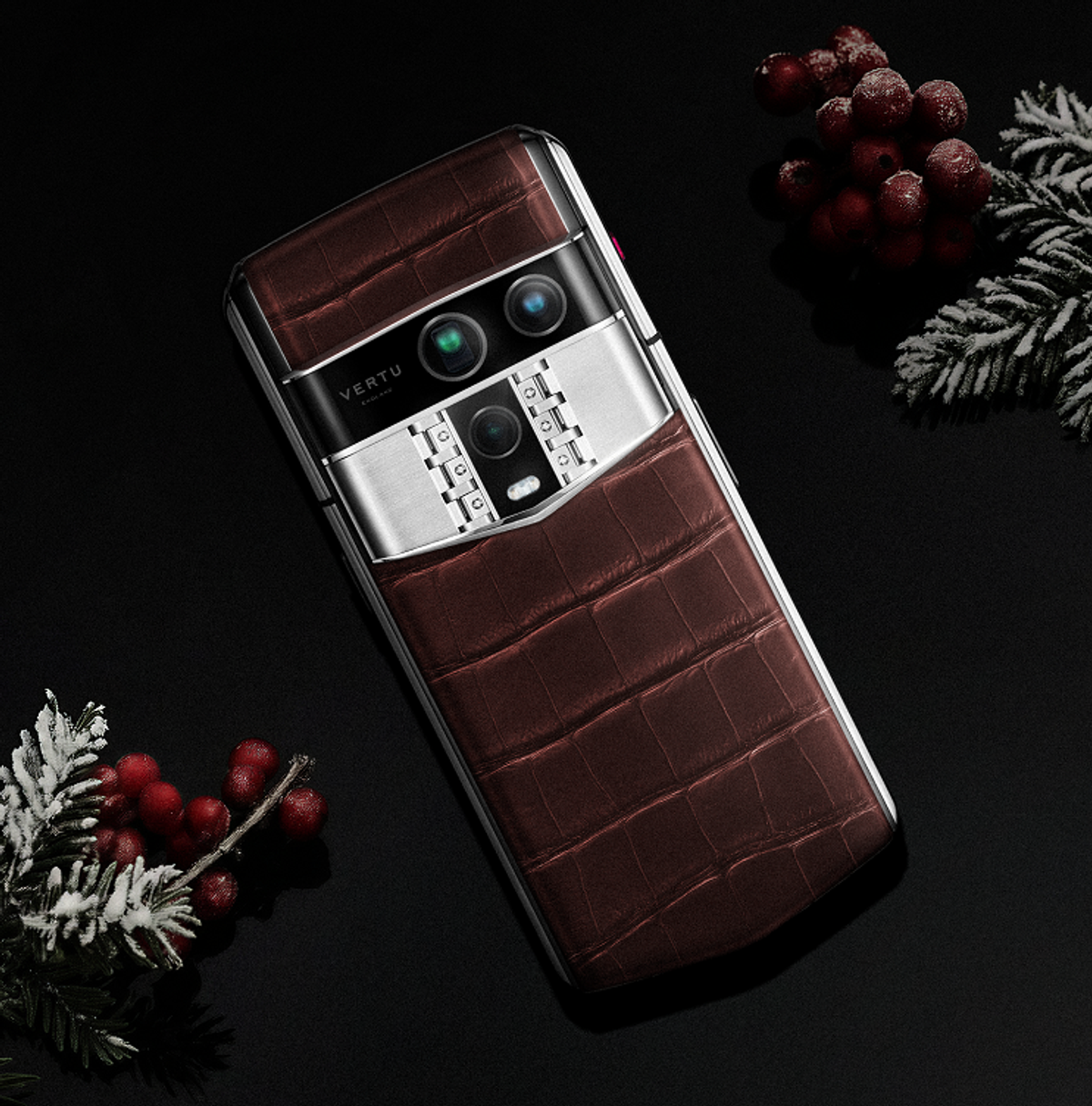
Brands like Vertu are experiencing a notable resurgence, appealing to those who seek unparalleled exclusivity. Unlike standard flagships, Vertu devices are treated as objets d'art , featuring sapphire crystal screens, exotic leathers, and ruby bearings.
Modern Vertu models, such as the Metavertu , blend bespoke craftsmanship with Web3 capabilities and military-grade encryption. The appeal extends beyond hardware; it includes access to a 24/7 dedicated concierge service, turning the device into a lifestyle management tool.
| Feature | Samsung Galaxy Z Fold (High-End Android) | Vertu (Luxury Niche) |
|---|---|---|
| Primary Appeal | Productivity & Innovation | Status, Craftsmanship & Privacy |
| Materials | Gorilla Glass & Armor Aluminum | Ruby, Sapphire, Calfskin/Alligator |
| Price Range | $1,800 – $2,500 | $5,000 – $40,000+ |
| Unique Service | Multitasking Software | 24/7 Human Concierge |
What About Other Luxury Phones and Cool Gadgets?
The market also includes other niche luxury phones and "cool gadgets" catering to specific interests within the affluent segment. This includes customization houses like Caviar , which modify standard iPhones with gold, diamonds, and even fragments of meteorites. Additionally, specialized wearables and hardware crypto-wallets are becoming standard accessories, ensuring digital assets remain as secure as physical vaults. Ultimately, while the iPhone is the standard, the true luxury lies in the choice to diverge.
Key Factors Driving HNWI Phone Choices in 2025
In 2025, the criteria defining the mobile preferences of High-Net-Worth Individuals (HNWIs) have shifted from pure status symbols to functional digital fortresses. When analyzing which phone do most rich people use? , the answer increasingly points toward devices that balance cutting-edge innovation with impenetrable defense mechanisms. For the affluent, a smartphone is not merely a communication device; it is a command center for wealth management and global operations.
Privacy and Security: Non-Negotiable Priorities
For HNWIs, data breaches represent a catastrophic risk. Consequently, robust security protocols are the primary driver of hardware selection. Affluent consumers gravitate toward platforms offering hardware-backed security, such as isolated secure enclaves that store biometric data and encryption keys separately from the main processor.
"For the modern elite, privacy is the ultimate luxury. A phone without stringent encryption is a liability, not an asset."
Manufacturers are responding by implementing "sandboxed" operating environments, ensuring that sensitive financial applications remain inaccessible even if the main OS is compromised.
The Role of AI and Advanced Technology
The integration of Artificial Intelligence has moved beyond novelty to become a critical tool for personalization. HNWIs value AI that functions as a proactive digital concierge—managing schedules, filtering communications, and predicting needs without transmitting sensitive data to the cloud.
Furthermore, the ecosystem plays a vital role. The seamless synchronization between smartphones and advanced wearables, particularly smart rings for discreet health tracking and contactless authentication, is a major selling point.
Enterprise-Grade Features for the Modern Executive
For entrepreneurs and executives, the device must serve as a mobile boardroom. Essential features include reliable global connectivity (often including satellite capabilities) and enterprise-grade productivity suites.
| Feature Category | Standard Consumer Device | HNWI/Executive Preference |
|---|---|---|
| Security Architecture | Software-based protection | Hardware-backed (e.g., Secure Enclave, Knox) |
| AI Processing | Cloud-dependent (Data shared) | On-device processing (Data localized) |
| Connectivity | Standard Region-locked 5G | Global Bands & Satellite Emergency Link |
| Ecosystem | Basic sync features | Integrated health (Smart Rings) & Home Automation |
Ultimately, the choice is driven by efficiency. Phones offering split-screen multitasking, desktop-mode capabilities, and seamless transitions between peripherals are essential tools for maintaining productivity while on the move.
FAQ (Frequently Asked Questions)
Q1: Which smartphone brand is most popular among wealthy individuals?
A1: While there's diversity, Apple's iPhone, particularly the Pro Max models, remains the dominant choice for many affluent consumers due to its perceived security, robust ecosystem, and user-friendly interface. However, high-end Android devices like Samsung's Galaxy Z Fold series and niche luxury brands like Vertu also cater to specific needs for productivity and exclusivity.
Q2: Do rich people use "burner phones" or secondary devices?
A2: Yes, the "second phone" phenomenon is increasingly common. Many high-net-worth individuals use a secondary device for highly sensitive communications, banking, and private wealth management, separating it from their primary phone used for daily social and professional activities. These secondary devices often feature enhanced encryption and limited app installations.
Q3: What specific features do affluent consumers prioritize in a smartphone?
A3: Affluent consumers prioritize a combination of factors:
- Uncompromised Privacy and Security: Hardware-level encryption, secure enclaves, and robust data protection are paramount.
- Seamless Ecosystem Integration: Smooth connectivity with other devices like smartwatches, tablets, and laptops is crucial for productivity.
- Reliability and Performance: The device must function flawlessly and consistently to manage demanding lifestyles.
- Advanced AI Capabilities: Proactive digital assistance and on-device processing are valued for efficiency.
- Exclusivity and Craftsmanship: For some, unique materials, bespoke design, and premium services (like concierges) are key differentiators.
Q4: Are luxury phones like Vertu still relevant for the wealthy?
A4: Yes, luxury phones like Vertu are experiencing a resurgence, appealing to a segment of the ultra-wealthy who value unparalleled exclusivity, bespoke craftsmanship, and advanced security features combined with premium services. They are positioned as status symbols and lifestyle management tools rather than just communication devices.
Conclusion
As we navigate the sophisticated tech landscape of 2025, it is evident that the mobile preferences of the ultra-wealthy have evolved beyond simple brand loyalty. The decision-making process is now a strategic balance of uncompromised security, seamless ecosystem integration, and tangible exclusivity. While the iPhone remains a dominant force due to its perceived safety and connectivity, niche players like Vertu and premium Android models continue to thrive by addressing specific needs for privacy and status.
Consequently, answering " Which phone do most rich people use? " requires looking at the broader picture. It is rarely a single choice but rather a curated portfolio of devices, often involving a "second phone" strategy to separate public life from private matters.
For brands targeting this discerning demographic, the opportunity is immense. Success lies in highlighting robust security features and unique value propositions that resonate with a luxury lifestyle. Move beyond standard specifications; instead, focus on how your technology ensures privacy, offers seamless integration, and acts as a subtle status symbol. By understanding these nuanced preferences, you can effectively position your products as essential tools for the affluent.
Ready to elevate your understanding of premium technology and consumer behavior? Explore our latest market insights and discover how to connect with the discerning affluent consumer. Contact us today to learn more about tailoring your brand's message for this exclusive market segment.
Powered by OpenSEO .