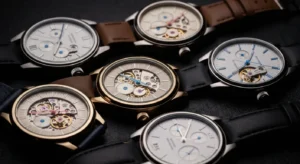

In a world increasingly dominated by fleeting digital technology, there remains something profoundly grounding about the rhythmic heartbeat of a mechanical timepiece. The allure of the automatic watch transcends simple timekeeping; it represents a mastery of engineering where your own movement breathes life into complex gears and springs. As we move through 2025, the demand for sophisticated instruments that blend rich heritage with modern innovation continues to surge. Whether you are a seasoned horologist or a novice admirer, understanding the craftsmanship behind these legendary accessories is essential. This guide invites you to delve into the fascinating world of self-winding movements and explore what truly defines an icon. We have curated a selection of seven specific models that represent the pinnacle of history, engineering, and style. Beyond this exclusive list, you will gain critical insights into building your own collection, ensuring you make informed decisions that stand the test of time.
Understanding the Allure of Automatic Watches: More Than Just Timekeeping
An automatic watch, often referred to as a self-winding timepiece, is more than a mere instrument for measuring hours; it is a celebration of autonomy and tradition. Unlike modern quartz devices driven by disposable batteries, these mechanical wonders are powered by the wearer's natural wrist motion. This creates a symbiotic relationship between man and machine, where the watch relies entirely on your activity to function.
The Mechanical Marvel: How Automatic Movements Work
The genius of an automatic movement lies in its ability to harness kinetic energy and gravity. The core of this system is the rotor, a weighted, semi-circular metal plate attached to the back of the movement. As you walk, gesture, or move throughout the day, the rotor spins freely on its pivot. This spinning action winds the mainspring, effectively storing energy for the watch to use later. This elegant engineering eliminates the need for batteries and reduces the necessity of daily manual winding.
The Heartbeat of a Watch: Key Components Explained
Inside the case, hundreds of microscopic parts work in absolute harmony to regulate timekeeping with precision. The energy stored in the mainspring is transmitted through a gear train to the escapement, which parcels out the power in precise impulses. These impulses drive the balance wheel, causing it to oscillate back and forth—creating the mesmerizing “heartbeat” of the watch.
| Component | Primary Function | Interaction |
|---|---|---|
| Rotor | Kinetic Harvester | Spins with wrist motion to wind the spring |
| Mainspring | Energy Storage | Coils tighter to store power reserve |
| Balance Wheel | Time Regulation | Oscillates to create the watch's rhythm |
| Escapement | Energy Control | Transfers measured energy to the balance wheel |
Why Automatic Watches Captivate Enthusiasts
Watch enthusiasts are drawn to the craftsmanship, history, and the tangible connection to mechanical engineering that an automatic watch offers. In a digital world, observing the smooth sweep of a second hand—powered solely by gears and springs—offers a sense of permanence.
“Owning an automatic watch is an appreciation of mechanical art; it is a machine with a soul that breathes with its wearer.”
Ultimately, the allure lies in the complexity hidden beneath the dial, representing centuries of horological innovation preserved in a device that requires nothing but your movement to live.
Defining ‘Iconic': What Makes an Automatic Watch a Must-Own in 2025?
In the horological landscape of 2025, owning an automatic watch is a declaration of appreciation for mechanical artistry and permanence. Iconic status is rarely accidental; it is a sophisticated blend of historical significance, enduring design, and groundbreaking innovation that commands widespread recognition within the global watch community.
Beyond Specs: The Pillars of Iconic Status
True icons transcend mere technical specifications. While accuracy is essential, the “must-own” factor stems from cultural impact and consistent quality. Brands like Rolex, Omega, and Seiko have produced models that achieved this status not just through engineering, but by defining the eras in which they were born. These timepieces offer a tangible connection to history, blending mechanical excellence with a narrative that resonates with collectors.
The Role of Design and Heritage
Timeless aesthetics are the heartbeat of an icon. These designs are often rooted in specific functional origins—such as the rugged legibility of dive watches or the complex utility of aviation instruments—yet they remain stylish in modern contexts. This functional heritage contributes significantly to a watch's lasting appeal, ensuring the design remains relevant decades after its initial release.
“True design heritage allows a watch to be instantly recognized by its silhouette alone, requiring no logo to convey its prestige.”
Investment Value and Collectibility
While the primary motivation for enthusiasts should be the emotional connection, the financial reality is compelling. Certain iconic automatic watch models have historically acted as tangible assets, holding or increasing their value over time.
| Feature | Iconic Investment Grade | Standard Consumer Grade |
|---|---|---|
| Value Trajectory | Often appreciates or retains value | Depreciates immediately post-purchase |
| Design Longevity | Timeless, era-spanning appeal | Trend-focused, fades quickly |
| Market Demand | High liquidity among collectors | Low resale interest |
| Primary Driver | Heritage and Craftsmanship | Utility and Fashion |
For collectors in 2025, an iconic watch is both a wearable legacy and a prudent acquisition.
2025 Showcase: 7 Iconic Automatic Watches for Every Collector
As we move into 2025, the definition of a complete watch collection has evolved. Today's enthusiast appreciates the mechanical heartbeat of a traditional automatic watch alongside the cutting-edge materials of modern luxury tech. This year's showcase highlights a spectrum of horology, ranging from Swiss heritage pieces with extended power reserves to high-fidelity smart wearables crafted from microcrystalline ceramic. Whether you seek the tactile satisfaction of a winding rotor or the precision of AI-driven health tracking, these seven timepieces represent the pinnacle of design and function.
Our Featured Timepieces
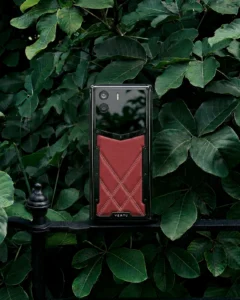
Leading the avant-garde segment is the Vertu Grand Watch – Black Ceramic. This is not merely a tracker; it is a luxury statement featuring a 44mm tonneau exterior crafted from microcrystalline black ceramic and sapphire crystal. It boasts a unique “Fortune Flame Pattern” engraving, bridging the gap between jewelry and technology.
For traditionalists, the Tissot PRX Powermatic 80 continues to dominate with its 1970s-inspired integrated bracelet and textured waffle dial. In the realm of field and dive watches, the Seiko Prospex Land SPB210 (Alpinist) offers a stunning green and gold aesthetic with an internal compass, while the Hamilton Khaki Field Auto remains the quintessential military-inspired daily wearer.
Rounding out the list are the vintage-charmed Certina DS PH200M with its domed Hesalite crystal, the micro-brand favorite Lorier Hydra, and the slim, 1960s-inspired Seiko Prospex SPB317.
Key Specifications and Features
The technical landscape of 2025 collectors' items is diverse. The Vertu stands apart with a 2.5D GPU and comprehensive PPG Bio-Tracking (monitoring heart rate, blood oxygen, and glucose), offering a 5-7 day standby time. Conversely, the mechanical entries focus on longevity of a different kind: movement efficiency. The Tissot, Hamilton, and Certina all boast impressive 80-hour power reserves, allowing the user to set the watch down on Friday and pick it up Monday still ticking.
| Model | Case Size | Movement / Tech | Water Resistance / Battery | Key Feature |
|---|---|---|---|---|
| Vertu Grand Watch | 44mm | 2.5D GPU, AI Mode | 5-7 Day Standby | Microcrystalline Ceramic, Glucose Monitor |
| Tissot PRX | 40mm | ETA Powermatic 80.111 | 100m | Integrated Bracelet, Waffle Dial |
| Seiko Alpinist SPB210 | 39.5mm | Seiko 6R35 (Automatic) | 200m | Internal Compass Bezel |
| Hamilton Khaki Field | 38mm | H-10 (Automatic) | 100m | Military Design, 80hr Reserve |
| Certina DS PH200M | 42.8mm | ETA Powermatic 80.611 | 200m | Domed Hesalite, Ceramic Bezel |
| Lorier Hydra | 41mm | Miyota 9075 (Automatic) | 200m | Independent 12-hour hand |
| Seiko SPB317 | Unknown* | Seiko 6R35 (Automatic) | 200m | Slim Profile, 1960s Retro Style |
\Note: Specific case diameter for SPB317 not listed in provided evidence, though described as having a slim profile.*
Pros and Cons for Collectors
When selecting an automatic watch or a luxury wearable, the experience is paramount.
- Luxury Tech vs. Mechanical Soul: The Vertu Grand Watch ($3,180.00) offers an unmatched health suite, including AI Exercise modes for Golf and Tennis. However, collectors must weigh the utility of a glucose monitor against the timelessness of a mechanical movement.
- Wearability and Heritage: The Hamilton Khaki Field Auto (38mm) and Seiko Alpinist (39.5mm) offer superior comfort for smaller wrists. The Hamilton provides “set-and-forget” reliability, while the Alpinist offers a robust “go-anywhere” feel with its 200m water resistance.
- Vintage Revival: The Certina DS PH200M captures the warmth of the past with its Hesalite crystal, though this material is more prone to scratches than the sapphire found on the Vertu or Hamilton. Meanwhile, the Lorier Hydra offers a functional 120-click bezel and a “flyer” style functionality via the Miyota 9075, making it a high-value proposition for travelers.
Ultimately, the choice lies between the digital luxury of the Vertu and the enduring mechanical engineering of the Swiss and Japanese icons.
Building Your 2025 Automatic Watch Collection: Expert Advice
As we move into 2025, curating a collection of timepieces is about more than just accumulation; it is an exercise in discerning taste and mechanical appreciation. Building a meaningful rotation requires looking past the brand hype to understand what truly makes an automatic watch tick.
Factors to Consider Beyond Price
While budget is a necessary constraint, the true value of a timepiece lies in its resonance with your identity. Experts suggest you prioritize watches that align with your personal style and interests rather than strictly following trends.
“A great collection tells a story. Look for historical significance, specific complications like a GMT or chronograph, or unique design aesthetics that spark joy every time you check your wrist.”
Do not buy a diver if you prefer dress watches simply because it is popular. Focus on the emotional connection and the specific engineering feats that fascinate you.
The Importance of Movement and Materials
The heart of any automatic watch is its caliber. It is crucial to understand the nuances of different movements. Reliable workhorses like ETA or Sellita movements offer ease of service and robustness, while in-house calibers provide exclusivity and often higher power reserves.
Furthermore, the exterior build quality is paramount. Always look for scratch-resistant sapphire crystal and high-grade stainless steel (such as 316L or 904L) to ensure the watch withstands daily wear.
| Feature | Third-Party (e.g., ETA, Sellita) | In-House Manufacture |
|---|---|---|
| Serviceability | High; parts are widely available to local watchmakers. | Restricted; usually requires official brand service centers. |
| Exclusivity | Common; found across many brands and price points. | High; unique to the specific brand. |
| Cost Impact | Generally keeps the watch price lower. | Typically commands a premium price. |
Maintenance and Care for Longevity
To ensure your collection lasts for generations, adherence to maintenance protocols is non-negotiable. Regular servicing—typically every 5-7 years—is vital for maintaining the accuracy and longevity of your automatic watches. Oils dry out, and gaskets degrade, compromising water resistance.
Critical Care Tips:
- The Danger Zone: Avoid adjusting the date between 9 PM and 3 AM. During this window, the movement's gears are engaging to change the date; manual adjustment can cause severe mechanical damage.
- Power Reserve: Consistent wear is the best way to keep a watch running. If you have a large collection, a high-quality watch winder can help maintain the power reserve and keep complications like perpetual calendars set correctly.
FAQ (Frequently Asked Questions)
Q1: What is the primary difference between an automatic watch and a quartz watch?
A1: The fundamental difference lies in their power source. An automatic watch is a mechanical timepiece powered by the wearer's motion, winding a mainspring through a rotor. A quartz watch, on the other hand, uses a battery to send an electric current through a quartz crystal, causing it to vibrate and drive the watch's hands. Automatic watches are appreciated for their intricate engineering and craftsmanship, while quartz watches are known for their high accuracy and lower maintenance.
Q2: How often should an automatic watch be serviced?
A2: It is generally recommended to have an automatic watch serviced every 5 to 7 years. This regular maintenance ensures that the lubricants within the movement are fresh, any worn parts are replaced, and the watch continues to function accurately and reliably for years to come. Neglecting servicing can lead to increased wear and potential damage to the delicate internal components.
Q3: Can an automatic watch be worn while swimming or showering?
A3: This depends entirely on the watch's water resistance rating. Watches are typically rated in meters or atmospheres (ATM). A rating of 30-50 meters (3-5 ATM) is usually sufficient for splashes and light rain, while 100 meters (10 ATM) or more is generally required for swimming. It's crucial to check the specific water resistance of your automatic watch and avoid exposing it to water beyond its stated capabilities, as water damage can be extensive and costly to repair.
Q4: Do automatic watches lose value over time?
A4: Like many luxury goods, the resale value of an automatic watch can vary significantly. Some iconic models from reputable brands, especially those with a rich history, limited production, or in excellent condition, can hold their value or even appreciate over time. However, many watches, particularly mass-produced models or those that are no longer in high demand, may depreciate in value. Collecting based on personal passion and appreciation for craftsmanship is often more rewarding than solely focusing on investment potential.
Conclusion
In 2025, the world of horology continues to captivate enthusiasts, offering a rich tapestry of history, precision engineering, and enduring style. As we have explored throughout this list, owning an automatic watch is about much more than simply telling time; it is about possessing a mechanical heartbeat that connects you to centuries of craftsmanship. Whether you are drawn to the cutting-edge innovation of the Vertu Grand Watch – Black Ceramic or the nostalgic allure of other timeless classics like the Tissot PRX Powermatic 80, Seiko Alpinist, or Hamilton Khaki Field, each timepiece featured here represents a significant and distinct piece of horological art.
These watches tell unique stories, serving as enduring symbols of status, sophisticated taste, and technical mastery. As you move forward, take the time to explore these featured models further. Research the specific references that caught your eye and reflect on what truly matters to you—be it the intricacy of the movement, the elegance of the design, or the weight of the brand's heritage.
Now is the perfect moment to start building or refining your collection with confidence. Trust your instincts and invest in pieces that resonate with your personal style and appreciation for fine mechanics. If you're ready to experience the enduring appeal of a finely crafted automatic watch, explore the models discussed here and discover the perfect addition to your collection. Your journey into the world of iconic timepieces awaits!
Powered by OpenSEO.