| Feature | Standard Luxury Item | Investment-Grade Piece |
|---|---|---|
| Value Trajectory | Depreciates immediately post-purchase | Retains or appreciates over time |
| Availability | Seasonal mass production | Limited edition, bespoke, or waitlisted |
| Driver of Demand | Current fashion trends | Scarcity, provenance, and history |
Imagine opening your closet to find a collection that serves as both a stunning wardrobe and a robust financial portfolio. In the dynamic world of 2025 fashion, the distinction between simple spending and strategic asset acquisition is becoming increasingly significant. While fleeting trends fade with the seasons, select High-End Designer Brands have mastered the art of longevity, transforming exquisite craftsmanship into tangible wealth.
These labels offer more than just aesthetic pleasure; they provide security in a fluctuating market. Whether you are a seasoned collector or a first-time buyer, understanding which items hold their worth is essential. From legendary handbags that defy depreciation to precision timepieces that signal enduring status, making the right choice transforms a purchase into a legacy.
In this guide, we will explore seven coveted names in the industry that stand out as smart investment pieces. Get ready to discover how to elevate your personal style while making savvy financial decisions with luxury items that promise to retain their allure for decades to come.
Understanding Luxury as an Investment in 2025
In the evolving financial landscape of 2025, the boundary between passion assets and financial portfolios has blurred. Discerning collectors now view purchases from High-End Designer Brands not merely as distinct expenses, but as strategic allocations of capital into tangible assets with historically proven resilience.
What Defines an Investment-Worthy Luxury Brand?
True investment-grade luxury is defined by a convergence of exceptional quality, uncompromising craftsmanship, and deep-rooted heritage. Unlike mass-market goods, these items command premium prices because they offer exclusivity and longevity. A brand's history often serves as a proxy for its future value stability.
The following table distinguishes between standard retail luxury and true investment pieces:
The Growing Market for Fashion Investment
The market for fashion investment has matured significantly. Investment pieces are timeless luxury items expected to retain or increase in value due to desirability and rarity. In 2025, specific "holy grail" handbags and mechanical timepieces frequently outperform traditional market indices.
This sector is driven by a robust secondary market where collectors treat vintage items like blue-chip stocks, valuing the narrative and condition of the piece as much as its utility.
Key Terminology for Savvy Luxury Shoppers
To make informed decisions, collectors must familiarize themselves with specific industry vernacular that signals value:
- Haute Couture: Custom-fitted clothing constructed entirely by hand, representing the pinnacle of craftsmanship.
- Limited Edition: Restricted production runs that create artificial scarcity to drive demand.
- Resale Value: The estimated worth of an item in the secondary market, often dictated by the item's condition and rarity.
Provenance: A critical term referring to the documented history of ownership. Good provenance validates authenticity and can significantly increase the value of vintage items.
By mastering these concepts, buyers can curate a wardrobe that serves as both a sophisticated personal statement and a financial safeguard.
2025 Top Investment Pieces: A Detailed Comparison
In the current financial landscape, the definition of a robust portfolio has expanded. Astute collectors are increasingly turning to High-End Designer Brands not merely for aesthetic pleasure, but as tangible assets that hedge against inflation.
In 2025, specific luxury items continue to outperform traditional market indices, driven by scarcity, heritage, and meticulous craftsmanship. The following analysis breaks down the top investment-grade pieces of the year, evaluating their market performance and retention value.
Hermès Birkin & Kelly Bags
Hermès remains the gold standard of luxury investment, characterized by strictly limited availability and iconic silhouettes. The market demand for these pieces is driven by the difficulty of acquisition at the retail level.
- Performance Data: The secondary market premiums are staggering. The Mini Kelly currently commands up to 285% of its MSRP , making it one of the most profitable flips in fashion history.
- Value Retention: The Birkin Sellier , known for its structured rigidity and sharp edges, retains an impressive 183% of its original value .
"The meticulous handcraftsmanship of a Birkin ensures it is not just a bag, but a piece of transferable heritage."
Chanel Classic Flap & 2.55 Handbag
While Hermès relies on scarcity, Chanel relies on relentless pricing power and timeless design. The Classic Flap and the 2.55 Handbag possess immense cross-generational appeal, ensuring liquidity in the resale market.
- Financial Trajectory: These bags demonstrate consistent year-over-year resale value increases. Investors can typically expect around 12% annual price appreciation , often outpacing real estate in specific markets.
Rolex Watches
Rolex continues to dominate the horological investment space through exceptional durability and unrivaled market presence. The brand's strategy of incremental evolution rather than radical change protects the value of vintage models.
- Key Models: High demand persists for professional steel models, particularly the Submariner and Daytona . These iconic models offer excellent value retention, often trading significantly above retail immediately upon exit from the boutique.
Patek Philippe Watches
If Rolex is the currency of watches, Patek Philippe is the bond market—stable, exclusive, and geared toward the long term. Representing the pinnacle of haute horlogerie , these timepieces are valued for their intricate complications and heirloom quality.
- Investment Focus: The "Holy Trinity" of sports models—the Nautilus , Aquanaut , and the classic Calatrava —remain the primary targets for investors seeking assets that define exclusivity.
Gucci Handbags
Under recent creative directions, Gucci has successfully leveraged its archives to create investment-worthy pieces. The brand has moved beyond trend-chasing to solidify its standing among heritage High-End Designer Brands .
- The Revival Success: The resurgence of the Jackie 1961 serves as a prime case study. Due to the revival of this classic style, the bag has seen a 47% resale value increase , proving that reviving iconic motifs is a viable strategy for value creation.
The Row Handbags
A newcomer compared to the century-old houses, The Row has disrupted the investment market through "Quiet Luxury"—minimalist design, scarcity, and exceptional craftsmanship.
- Market Disruptors: The Margaux bag has been hailed as a contemporary icon, driving a massive 92% resale value increase . Even more impressive is the N/S Park Tote , which boasts a remarkable 146% value retention , signaling a shift in consumer preference toward understated excellence.
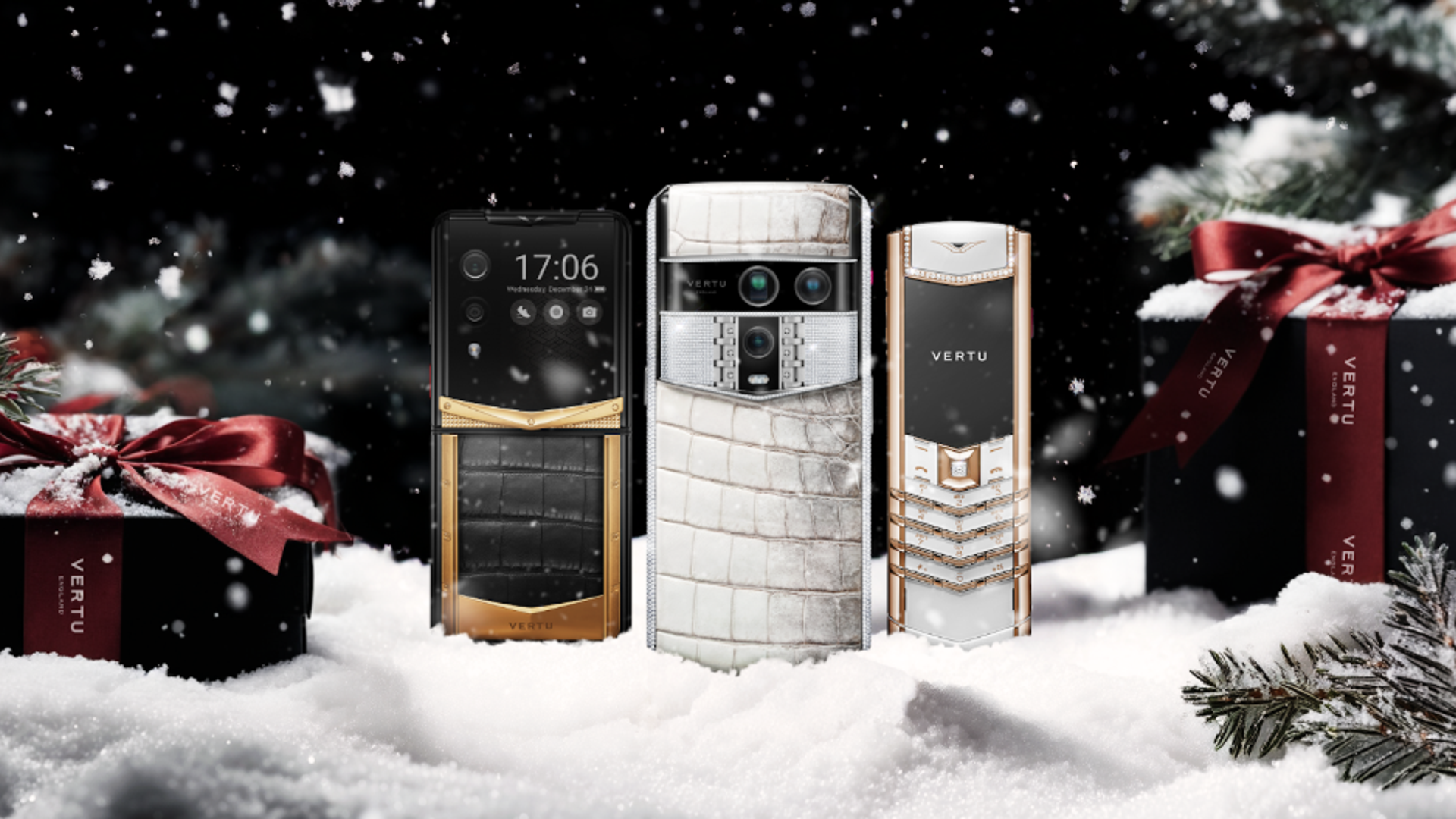
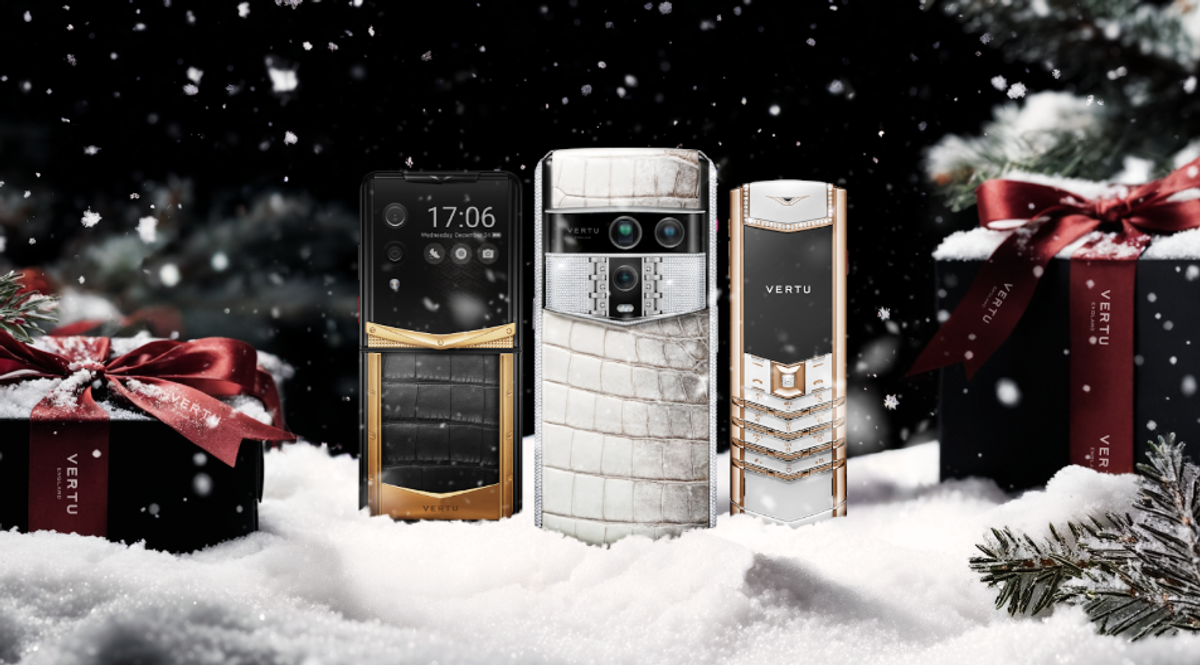
VERTU Luxury Phones
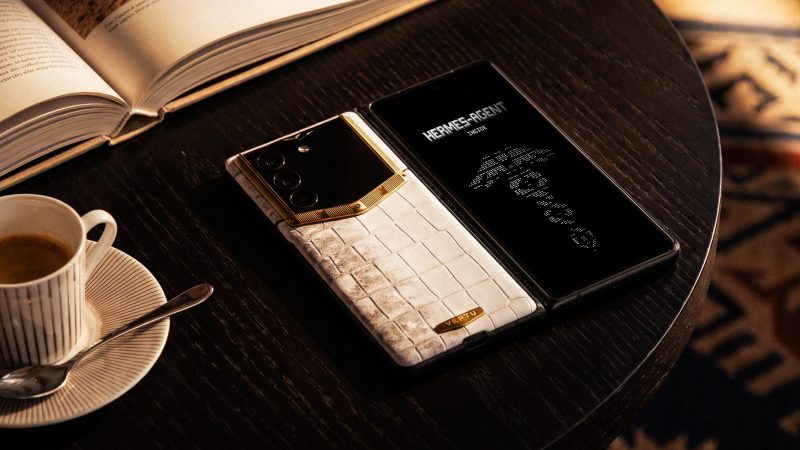
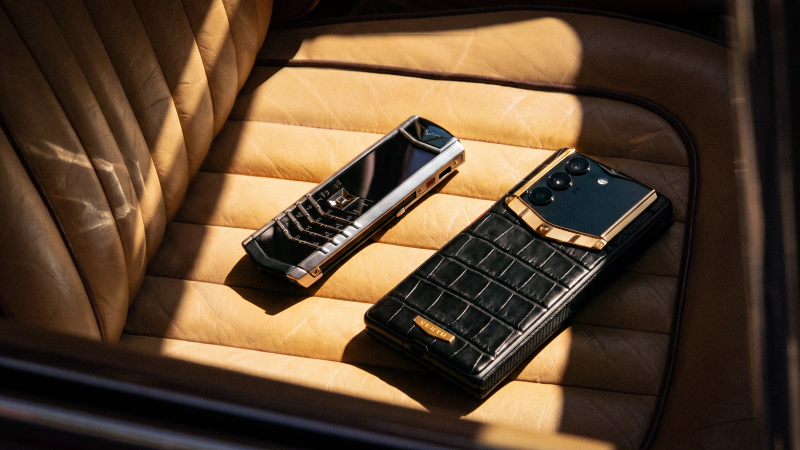
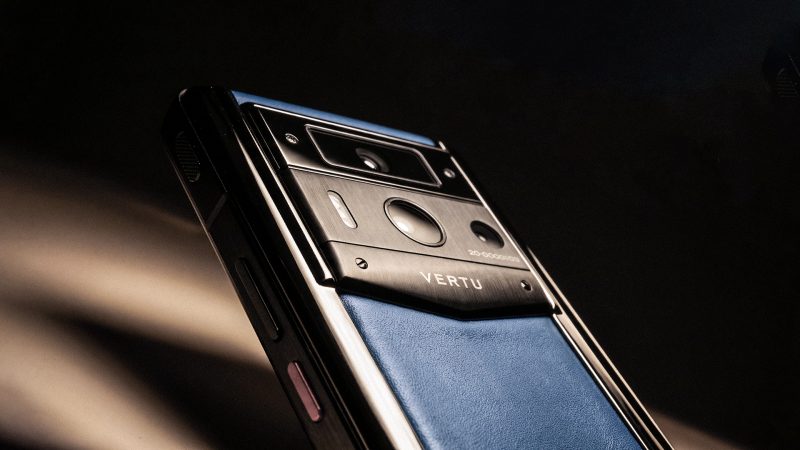
VERTU occupies a unique niche at the intersection of technology and jewelry. Unlike standard consumer electronics which depreciate rapidly, VERTU phones are crafted with the philosophy of fine watchmaking.
While specific 2025 resale percentages fluctuate based on customization, the appeal lies in the use of exotic materials (such as ruby bearings and sapphire crystal screens) and exclusive concierge services. These devices are positioned not just as communication tools, but as status symbols for the ultra-wealthy.
Investment Performance Summary
To assist in portfolio allocation, the following table compares the specific retention metrics of the discussed items.
| Brand | Key Model/Item | Investment Metric | Primary Driver |
|---|---|---|---|
| Hermès | Mini Kelly | 285% of MSRP | Extreme Scarcity |
| Hermès | Birkin Sellier | 183% Value Retention | Craftsmanship |
| The Row | N/S Park Tote | 146% Value Retention | "Quiet Luxury" Trend |
| The Row | Margaux | 92% Resale Increase | Cult Status |
| Gucci | Jackie 1961 | 47% Resale Increase | Heritage Revival |
| Chanel | Classic Flap | 12% Annual Appreciation | Price Hikes |
| Rolex | Submariner/Daytona | High Liquidity | Brand Durability |
Factors That Make High-End Designer Brands a Smart Investment
Investing in High-End Designer Brands has evolved from a niche hobby into a legitimate asset class. Beyond the immediate allure of ownership, specific market dynamics ensure that select luxury items appreciate or maintain significant equity over time.
The Power of Heritage and Craftsmanship
The foundation of investment-grade luxury lies in tangible quality. Brands with a rich history and a commitment to meticulous craftsmanship using premium materials tend to hold value better than their contemporaries.
When an artisan spends dozens of hours hand-stitching a single item using the finest leathers or precious metals, the resulting durability ensures the piece remains viable in the market for decades.
"True luxury is not just about price; it is about the unyielding standard of excellence that refuses to compromise on materials or method."
Scarcity, Exclusivity, and Demand
Economics dictate that value is driven by the relationship between supply and demand. Luxury houses often utilize limited production runs to maintain exclusivity. This strategy, combined with high demand for specific models, creates artificial scarcity that drives up desirability and price. When a product is harder to acquire at retail than on the secondary market, its investment potential skyrockets.
Resale Value: Your Financial Benchmark
Researching the secondary market and understanding which items have a proven track record of strong resale value is crucial for the savvy investor. Not all luxury items perform equally; distinguishing between a "classic" and a "trend" is vital for capital preservation.
| Asset Category | Typical Value Retention | Liquidity | Primary Value Driver |
|---|---|---|---|
| Heritage Classics | 85% – 120%+ | High | Scarcity & Iconic Status |
| Seasonal Trends | 30% – 50% | Moderate | Current Hype Cycle |
| Entry-Level Luxury | 20% – 40% | Low | Brand Logo Recognition |
Iconic Designs That Transcend Time
Finally, longevity is key. Timeless, classic designs from established houses are more likely to remain fashionable and valuable over the long term. While avant-garde pieces may capture a moment, iconic silhouettes defy aging, ensuring that High-End Designer Brands remain a robust component of a diversified portfolio.
Navigating the Luxury Market in 2025: Tips for Buyers
As we step into 2025, the landscape of luxury acquisition requires a discerning eye. Building a collection is no longer merely about consumption; it is about sophisticated curation and understanding the nuances of value retention in a shifting economy.
Authenticity is Paramount: Where to Buy
In an era of increasingly sophisticated counterfeits, provenance is non-negotiable. To safeguard your investment in High-End Designer Brands , always purchase directly from authorized retailers, official brand boutiques, or reputable pre-owned luxury platforms known for rigorous authentication processes.
"Certainty is the ultimate luxury; never compromise on the source."
Timing Your Purchase for Maximum Value
Strategic timing can significantly impact asset appreciation. Consider securing limited edition releases at launch, as scarcity drives demand. Alternatively, the pre-owned market offers strategic value; purchasing "like-new" classics during off-peak seasons often yields better value retention than retail buying.
Avoiding Common Pitfalls in Luxury Investment
A frequent misstep is prioritizing hype over heritage. While fleeting trends may seem appealing, they rarely hold value. Avoid trendy, logo-heavy items that date quickly. Instead, prioritize classic silhouettes and established designs that transcend seasons.
| Feature | Investment Grade Selection | High-Risk Trend Purchase |
|---|---|---|
| Design Aesthetic | Classic, understated silhouettes | Loud, logo-heavy prints |
| Longevity | Transcends seasons (10+ years) | Seasonal hype (1-2 years) |
| Resale Value | Retains or increases value | Depreciates rapidly |
The Rise of Sustainable and Vintage Luxury
The US market shows a growing interest in ethically produced and vintage luxury items, offering new avenues for investment. Vintage pieces not only provide a unique aesthetic unavailable in current collections but also align with the values of the conscientious modern collector, merging style with sustainability.
FAQ (Frequently Asked Questions)
Q1: Do all high-end designer brands increase in value over time?
A1: No, not all brands or items appreciate. Value retention is typically reserved for heritage brands like Hermès, Rolex, and Patek Philippe, and specifically for their most iconic, limited-production models. Seasonal items and trend-focused pieces from other designers often depreciate once they leave the retail floor.
Q2: How can I verify the authenticity of a luxury investment piece on the secondary market?
A2: Authenticity is critical. Always buy from reputable platforms that offer authenticity guarantees or use third-party authentication services. Look for documentation such as receipts, certificates of authenticity cards, and original packaging (provenance), which significantly bolster the item's value and verify its legitimacy.
Q3: Is it better to buy brand new or vintage for investment purposes?
A3: It depends on the brand. For Hermès Birkins or Rolex Daytonas, buying new at retail price (if possible) offers immediate equity because secondary market prices are higher. However, for brands like Chanel or Gucci, buying vintage or pre-owned in excellent condition is often smarter, as you avoid the initial depreciation hit that occurs the moment a new item is purchased.
Q4: How should I store my luxury items to ensure they maintain their value?
A4: Proper storage is vital for asset preservation. Leather bags should be stuffed to maintain shape, kept in dust bags, and stored in a climate-controlled environment away from direct sunlight. Watches should be kept in their original boxes or winders, and serviced regularly by authorized professionals to ensure mechanical integrity.
Conclusion
As we navigate the evolving luxury landscape of 2025, the decision to curate a wardrobe focused on quality offers a unique blend of personal enjoyment and potential financial growth. Investing in High-End Designer Brands is more than a mere style statement; it is a strategic approach to preserving wealth through tangible assets. Industry titans such as Hermès, Chanel, Rolex, and Patek Philippe continue to lead the market with unwavering demand, while emerging labels like The Row are carving out their own space with significant promise.
To maximize your success in this competitive arena, approach every acquisition with a discerning eye. It is crucial to research brands thoroughly, prioritize timeless designs from reputable houses, and always verify authenticity. By treating fashion as a legitimate asset class, you ensure your collection remains valuable for years to come.
Ready to start building your luxury investment portfolio? Don't wait for the next price hike. Visit our curated marketplace today to explore authenticated, investment-grade pieces from the world's most coveted brands, or subscribe to our newsletter for exclusive market insights and alerts on rare arrivals.