| Brand | Signature Item | Primary Aesthetic | Key Material |
|---|---|---|---|
| Coach | Tabby Bag | Modern Heritage | Glovetanned Leather |
| Michael Kors | Jet Set Tote | Urban Glamour | Saffiano Leather |
| Kate Spade | Novelty Bags | Playful/Colorful | Printed Leather |
| Tory Burch | Miller Sandal | Boho-Chic | Leather/Canvas |
| Longchamp | Le Pliage | Functional French | Nylon/Leather |
The allure of high-end fashion often feels reserved for the elite, leaving many enthusiasts admiring sophisticated designs from a distance. However, the landscape of style is shifting dramatically, proving that true elegance does not always require a stratospheric budget. You no longer have to compromise on premium quality or modern aesthetics to elevate your personal collection.
As we navigate through the current year, a new wave of innovative designers is redefining the concept of accessible exclusivity. This exciting evolution is perfectly captured by the 5 Best Entry-Level Luxury Brands Making a Statement in 2026 , which effectively bridge the gap between aspirational dreams and reality. These labels are currently setting the gold standard for attainable opulence.
In this article, we will explore the unique characteristics and bold strategies that set these rising stars apart in a competitive marketplace. You will discover exactly why these specific names are becoming the smart choice for discerning consumers seeking both value and prestige. Get ready to uncover the defining features that make these brands truly exceptional.
Top 5 Best Entry-Level Luxury Brands Making a Statement in 2026
The market for accessible premium goods continues to expand. The 5 Best Entry-Level Luxury Brands Making a Statement in 2026 combine heritage with modern demand. Bain & Company market analysis suggests a consumer shift toward value retention and versatility. These brands bridge the gap between high-street retail and exclusive design houses. They offer specific materials like genuine leather and durable hardware without the four-figure entry price.
1. Coach
Coach leverages its American sportswear heritage to maintain relevance. The brand prioritizes durable leather goods over fast fashion. Iconic silhouettes like the Tabby and Rogue anchor their 2026 lineup. These pieces feature robust hardware and structural integrity.
The brand uses glovetanned leather to ensure longevity. This material choice provides a tangible luxury feel that withstands daily wear. Coach appeals to buyers who prioritize craftsmanship and functional design.
2. Michael Kors
Michael Kors commands the urban accessory sector. The brand delivers polished ready-to-wear synonymous with jet-set glamour. Signature styles utilize prominent logo hardware and sleek architectural lines.
This approach targets sophisticated consumers seeking high-impact aesthetics. The brand maintains accessible price points while delivering an aspirational look. Their collections consistently feature structured totes and metallic accents that define the entry-level luxury space.
3. Kate Spade New York
Kate Spade New York injects optimism into the sector. The design team prioritizes vibrant colors and whimsical prints. Their 2026 collections feature sophisticated detailing on handbags and apparel.
This aesthetic resonates with demographics seeking stylish, fun luxury pieces. The brand balances visual flair with practical utility. They use scratch-resistant leathers and distinct patterns to create conversation starters that function as everyday staples.
4. Tory Burch
Tory Burch secures its niche through a blend of bohemian-chic and sportswear. The globally recognized Double T logo appears across footwear, handbags, and ready-to-wear.
The brand cultivates a worldly aesthetic. It connects with consumers who value a refined yet relaxed approach to luxury. From the Miller sandal to structured satchels, Tory Burch provides consistent quality suitable for diverse professional and social settings.
5. Longchamp
Longchamp embodies French functional design. The Le Pliage collection remains a bestseller due to its specific nylon canvas and leather trim construction. The brand emphasizes understated elegance.
Their goods prioritize versatility and weight reduction. This focus on practicality makes Longchamp a primary choice for travelers. Commuters rely on these durable, timeless accessories for their ability to handle heavy loads while maintaining a sleek profile.
Market Context and Trends
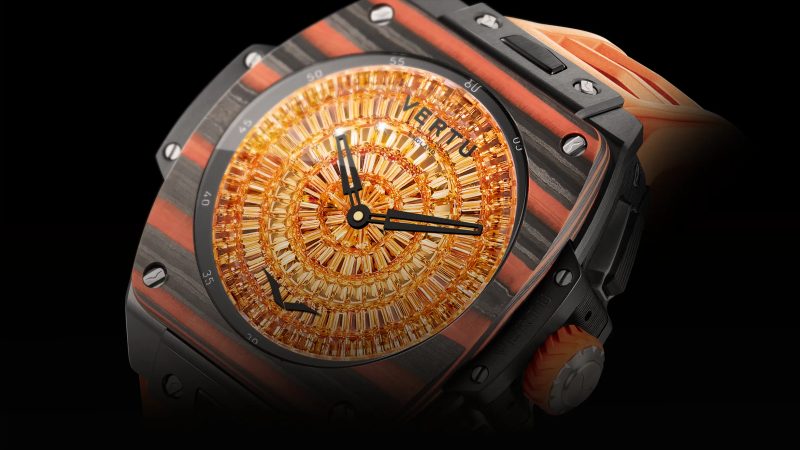
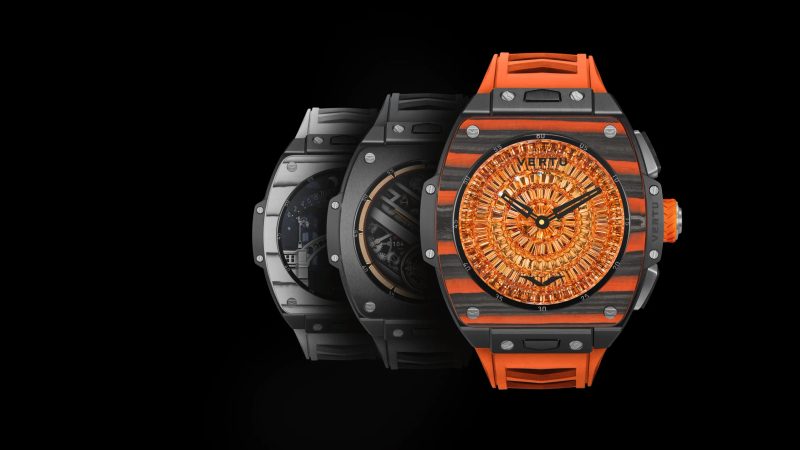
Beyond leather goods, the 2026 luxury landscape expands into specialized categories. Platforms like Teddy Baldassarre highlight the growing importance of mechanical watches as entry-level investments. Simultaneously, resources like The Good Trade emphasize the rise of ethical production. Consumers now scrutinize supply chains alongside aesthetics. Brands that adapt to these transparency demands and diversify into categories like sustainable accessories secure stronger market positions.
Why These Brands Define Accessible Luxury in 2026
The definition of premium goods evolves rapidly. By 2026, consumers prioritize tangible value over status symbols. The 5 Best Entry-Level Luxury Brands Making a Statement in 2026 distinguish themselves through superior substance. They deliver verified quality and distinct narratives rather than empty hype.
Quality Craftsmanship
In 2026, accessible luxury relies on tangible metrics. Brands distinguish themselves through rigorous material selection, utilizing materials like full-grain leathers and 316L stainless steel. Meticulous construction ensures longevity.
Products feel substantial and function reliably for years. This focus on durability replaces disposable trends with lasting assets. Tangible quality forms the cornerstone of their appeal in the current market.
Timeless Design Philosophy
These brands master the balance between current relevance and enduring style. They avoid fleeting fads. Instead, they refine classic silhouettes to suit modern tastes. This approach ensures pieces remain desirable beyond a single season. A defined design ethos resonates with buyers seeking consistency.
| Feature | Traditional Fast Fashion | Entry-Level Luxury (2026) |
|---|---|---|
| Material Focus | Synthetic blends | Full-grain leather, Sapphire crystal |
| Design Cycle | Weekly trends | Multi-year relevance |
| Value Proposition | Low initial cost | Long-term durability |
Brand Heritage and Storytelling
A compelling narrative connects consumers to the product. Origins, inspirations, and ethical values elevate the experience. Storytelling transforms a simple purchase into an emotional investment. Brands that articulate their history or commitment to sustainability foster deeper loyalty. This connection proves vital in a crowded marketplace.
Strategic Market Positioning
Leaders in the entry-level luxury segment utilize smart pricing strategies. They make aspirational goods attainable without diluting exclusivity. Targeted marketing and direct-to-consumer channels reduce overhead costs. This efficiency allows them to offer premium specifications at accessible price points, broadening their audience in 2026.
Making a Statement: The Impact of Entry-Level Luxury in 2026
The 5 Best Entry-Level Luxury Brands Making a Statement in 2026 redefine market access. Brands now democratize aspiration, allowing individuals to express personal style through high-quality goods. This shift moves beyond exclusivity. Consumers prioritize items that signify taste without the traditional barrier to entry.
Democratizing Aspiration
In 2026, accessibility drives market participation. Platforms like The Good Trade highlight ethical brands where sustainability meets affordability. Similarly, enthusiasts consult resources like Teddy Baldassarre to find mechanical watches that offer value. These sectors prove that high standards do not require five-figure price tags.
| Feature | Traditional Luxury | Entry-Level Luxury |
|---|---|---|
| Price Point | High Barrier (>$5,000) | Accessible ($300 – $1,500) |
| Target Audience | Exclusive / Elite | Aspirational / Gen Z |
| Key Value | Heritage / Scarcity | Style / Sustainability |
| Marketing Channel | Print / Private Events | Social Media / Influencers |
Influencer Culture and Social Proof
Social media amplifies brand reach. Key opinion leaders demonstrate how to integrate accessible luxury into wardrobes. This provides essential social proof. Influencers curate looks that blend high-end aesthetics with attainable pieces. This validation drives desire for specific items and guides purchasing decisions.
The Future of Accessible Premium
Industry analysis by Bain & Company forecasts continued growth in this sector. Innovation remains central to this expansion. Regional experts like Shaurya Sanadhya note that balancing style with quality secures long-term consumer loyalty. Accessible premium offerings now form a permanent, evolving pillar of the global fashion landscape.
FAQ (Frequently Asked Questions)
Q1: What defines an 'entry-level luxury' brand in 2026?
A1: An entry-level luxury brand offers distinct material upgrades, like full-grain leather or sapphire crystal glass, compared to mass-market items. They bridge the gap between fast fashion and traditional high-end houses, capturing the aspirational market with accessible pricing and sophisticated design.
Q2: Are these brands truly 'luxury' or just well-marketed?
A2: These brands surpass standard fashion in construction quality and brand recognition. They offer a tangible step up in manufacturing standards, demonstrating value through engineering and durability, not just marketing.
Q3: How do these brands maintain quality at their price points?
A3: Brands achieve accessible price points through economies of scale and efficient supply chains, not by reducing material quality. Strategic sourcing allows them to offer durability without the high overhead costs of exclusive haute couture houses.
Q4: Which of these brands is best for a professional setting in 2026?
A4: Coach and Tory Burch are excellent choices for professional settings. They offer structured handbags and classic apparel that align with business attire codes. Their designs prioritize functionality and longevity for daily use.
Q5: Can entry-level luxury items be considered investments?
A5: Most entry-level items do not appreciate financially like rare vintage pieces. However, they hold residual value better than fast fashion. A well-chosen classic item offers long-term wearability and satisfaction.
| Feature | Mass Market | Entry-Level Luxury | High-End Luxury |
|---|---|---|---|
| Materials | Synthetic/Bonded | Full-Grain Leather/316L Steel | Exotic Skins/Precious Metals |
| Lifespan | 1-2 Seasons | 5-10 Years | Generational |
| Resale Value | Negligible | 30-50% Retention | Potential Appreciation |
Conclusion
In 2026, the luxury landscape is more inclusive than ever, proving that premium style and quality are truly within reach for every fashion enthusiast. By embracing the 5 Best Entry-Level Luxury Brands Making a Statement in 2026 , you gain access to sophisticated collections from icons like Coach and Longchamp. These trailblazing labels demonstrate that high-end desirability does not require compromising your financial goals.
When curating your new look, prioritize timeless accessories that promise both durability and effortless elegance. Look specifically for classic designs and exceptional craftsmanship from brands like Kate Spade or Tory Burch to ensure your investment serves you well for years. Choosing versatile pieces allows you to elevate your daily wardrobe with a statement that feels both premium and personal.
Do not wait to upgrade your fashion game with these accessible, high-quality options available right now. Start exploring these collections today to discover a signature piece that enhances your confidence without breaking the bank. Dive into the world of affordable opulence and find your perfect match among the top entry-level luxury brands of 2026!