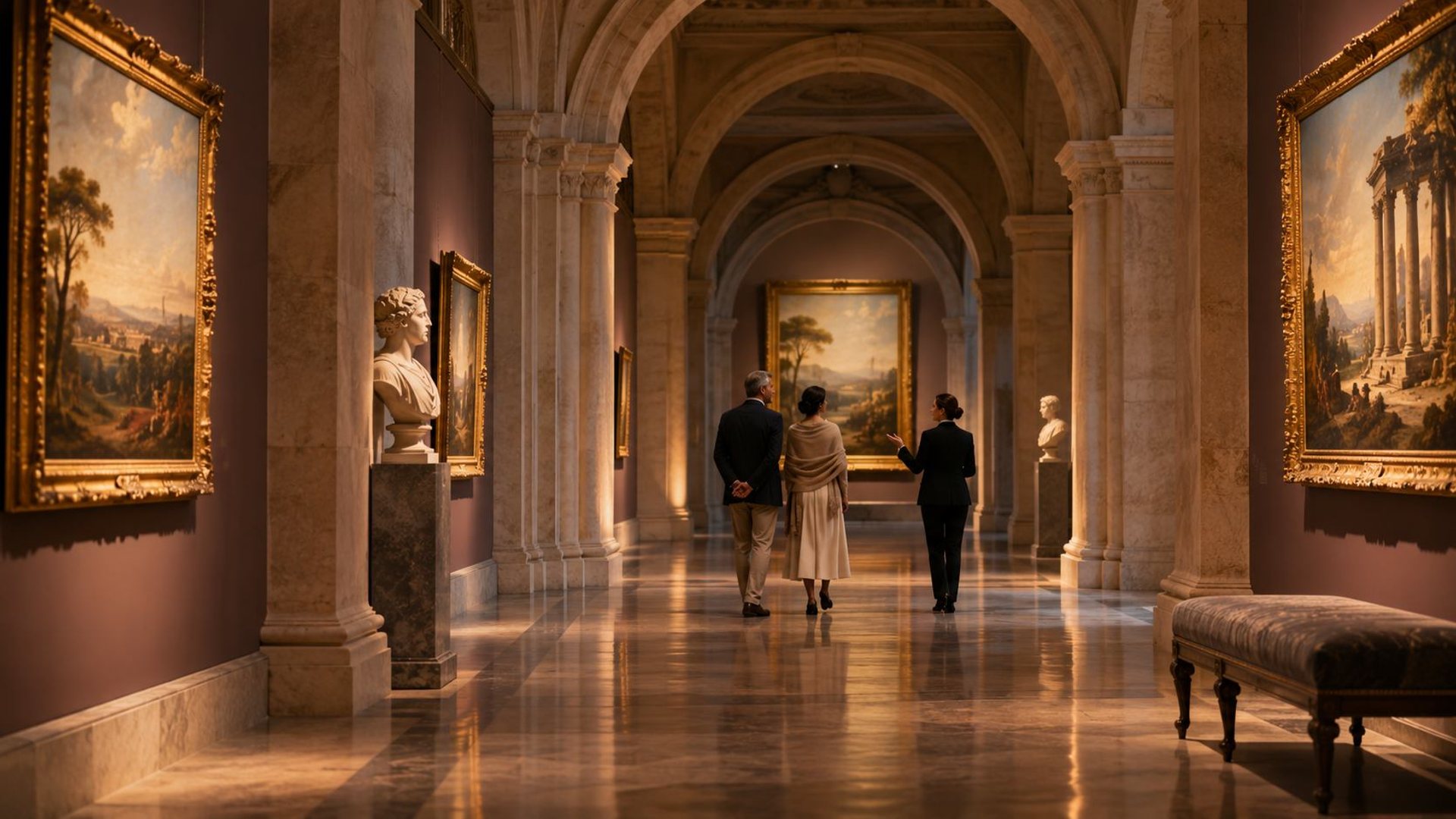
Exclusive luxury travel increasingly means arranging time, privacy and permission that an ordinary itinerary cannot buy with a room upgrade alone. A recent National Geographic Traveller feature describes private island stays, whole-property bookings, after-hours cultural visits and chartered journeys as examples of this access-led market. The real value is not a superlative on an invitation. It is a clearly authorized experience that fits the traveler, respects the host and states what is actually included before a deposit is paid.
Key Takeaways
- Exclusive access may mean private use, limited-capacity entry, expert guidance or simply priority booking; the terms differ.
- Ask who grants access, for how long, to which spaces and for how many guests.
- Build the itinerary around the experience, including travel time, safety, accessibility and a fallback.
- Concierge support can research and coordinate a request but cannot guarantee that a third party will approve it.
- VERTU Concierge should be understood through current eligibility, region and service terms for the specific owner.
What is exclusive luxury travel based on access?
It is travel in which the distinguishing feature is a permission, relationship or reserved use that changes how a place can be experienced. This could mean a museum visit after public hours, a specialist guiding a small group, a private charter or an entire property reserved for one party. These are different products. A private room inside a busy hotel is not the same as exclusive use of the hotel; a timed-entry ticket is not a private tour; a meeting with an expert is not unrestricted access to a protected collection.
National Geographic Traveller (UK) reported in November 2026 on the growth of access-focused luxury experiences, with examples spanning islands, trains, cultural sites and conservancies. Its story is evidence that operators and advisers see demand for this format, not proof that any traveler can obtain any venue on request. The useful editorial distinction is between access that is formally arranged and a marketing phrase that merely sounds exclusive.
Why is access becoming a stronger luxury signal?
Many luxury travelers can buy a larger suite or a premium seat. Scarce time, privacy and a genuinely personal encounter are harder to replicate. When a family has only a few days together, the chance to see a place without a crowd or to learn from a relevant expert can matter more than another in-room amenity. This is an interpretation of the travel trend, not a measured preference for every affluent traveler. Some people still prefer spontaneity or a public cultural experience with its normal atmosphere.
Exclusive access also responds to crowded destinations. A carefully scheduled early or late visit can change the pace of a familiar site. Yet privacy should not be confused with entitlement to bypass local rules. Historic buildings, protected landscapes and communities have their own limits. A responsible provider explains what is permitted and compensates local hosts appropriately. A traveler should treat those boundaries as part of the quality of the experience, not as obstacles to be negotiated away.
What forms can exclusive access take?
| Format | What is actually reserved | Critical question |
|---|---|---|
| Private guide | One expert's time | Is the site itself still public? |
| After-hours entry | A defined time and permitted areas | Who authorizes the visit? |
| Whole-property buyout | Rooms and some shared spaces | Which facilities remain shared or closed? |
| Charter | Vehicle or vessel for a stated period | What crew, route and costs are included? |
| Invitation-only event | Admission for named guests | Can invitations be transferred? |
The table prevents a common purchase error: paying for “private” without defining what is private. Even a full property buyout may exclude a spa, beach, heritage area or neighboring land. A charter may have fuel, port or weather contingencies. Ask for a map, schedule and list of inclusions. The organizer should also identify the legal entity responsible for delivery and the conditions under which the experience may be changed or canceled.
How should you design an exclusive luxury travel itinerary?
Start with one purpose: a cultural encounter, a family gathering, an expedition or a quiet retreat. Then work backward from the available access window. If an after-hours gallery visit starts at 7 p.m., a delayed flight, long transfer and formal dinner beforehand can make the occasion stressful. Build in arrival buffer, rest and a realistic duration on site. Ask whether photography is allowed, whether a guide is mandatory, and how mobility or language needs will be met. These details determine whether the expensive centerpiece feels effortless or exhausting.
Prepare a fallback. Weather can change a yacht departure, a conservation permit can be adjusted, and a private host may become unavailable. A strong proposal explains what happens in each case before money changes hands. If the trip includes several generations, ask about seating, walking distances, dietary needs and quieter alternatives. The most exclusive invitation can be a poor fit if half the group cannot participate comfortably.
What should the contract say?
It should identify the provider, dates, guest count, venue or route, access scope, guides, transport, meals, taxes, deposit, cancellation terms and any permissions required. Ask who bears the cost if a museum changes its opening policy or if a vessel cannot sail. Confirm whether the booking is transferable and whether a substitute experience is acceptable. If the plan includes a protected site or cultural community, ask who authorizes entry and whether local partners are fairly involved. This is practical travel planning, not legal advice for a particular contract.
Privacy deserves its own line. Clarify whether other guests, staff, photographers or public visitors may be present. Ask how photographs and personal details will be used. A “private” event that becomes a publicity opportunity may not match the traveler's intention. For high-profile guests, security and discretion should be discussed with qualified professionals and the venue rather than promised through vague concierge language.
What can a concierge service contribute?
A concierge can clarify the request, research options, contact providers, compare terms, coordinate transport and manage changes. Its value is often in reducing the time and uncertainty between an idea and a confirmed plan. It cannot create a legal right to a museum, restaurant or protected landscape. The best outcome may be an honest alternative: a different private guide, a quieter time slot, or a nearby venue with a better fit. Ask what the concierge will do directly and what remains the responsibility of the local provider.
VERTU describes its Concierge offering in terms of 24/7 assistance, bespoke coordination and member privileges. Those are service categories, not unconditional promises that every event or private space is available in every market. Eligibility, product and membership terms, local partners and third-party approvals can affect the result. An owner should ask for the exact scope of support before relying on it for a fixed-date trip. A booking should be treated as confirmed only when the provider issues the relevant confirmation and terms.
How do you brief a concierge effectively?
- State the desired experience and why it matters to the group.
- Give dates, destination, guest count, budget range and flexibility.
- List accessibility, language, dietary and security requirements.
- Separate must-haves from preferences, such as exact venue versus private expert access.
- Ask for two or three options with inclusions, exclusions and cancellation terms.
- Confirm the chosen option in writing before making travel dependent on it.
A specific brief is more useful than “get me something exclusive.” For example, a family might want a calm, expert-led visit to a museum for six people on a particular evening, with no photography and a seated route. That request lets a coordinator explore feasible access and offer a comparable alternative if the first venue is unavailable. It also helps the traveler compare proposals on quality, not merely price or name recognition.
How do you distinguish substance from prestige language?
Ask what the experience adds that a standard booking does not. Is there an expert whose knowledge changes the visit? Is the venue genuinely closed to the public during your slot? Is the group small enough for meaningful conversation? Does the plan support local stewardship? An expensive private room may be pleasant without being unique, while a modestly sized specialist tour can be deeply memorable. Exclusivity is a format; value is the result it creates for the people traveling.
National Geographic's reported examples include unusually large buyouts and charters, but those headline experiences are not the only way to travel thoughtfully. A buyer can apply the same standards at a smaller scale: verified permission, relevant guide, transparent contract and a schedule that makes the encounter possible. Avoid using “once in a lifetime” as a substitute for discussing weather, accessibility or cancellation. The more ambitious the plan, the more important those ordinary details become.
Frequently asked questions
Does a luxury concierge guarantee exclusive access?
No. It may research and coordinate options, but access depends on the venue, provider, availability, permissions, eligibility and terms. Treat the experience as confirmed only after written provider confirmation.
Is a private tour the same as a private venue?
No. A guide can be dedicated to your group while the site remains open to the public. Ask exactly what space and time are reserved.
What should I verify before paying a deposit?
Confirm the provider, access scope, dates, guests, inclusions, exclusions, cancellation rules, contingency plan and any permit or local authorization.
Can exclusive travel be responsible travel?
It can be, when access is authorized, local hosts benefit and environmental or cultural rules are respected. Privacy alone does not establish responsible practice.
Conclusion
Exclusive luxury travel is strongest when access serves a clear purpose rather than merely signaling status. Define the permission being purchased, build a humane itinerary around it, and insist on written terms and a fallback. VERTU Concierge can be a route to coordinated options for eligible owners, subject to real-world availability and local rules. The memorable result is not the word “exclusive” on an itinerary but a well-delivered experience that could not have been obtained in the same way through ordinary booking.