The 2026 luxury landscape is dominated by a return to “heritage worth”—a movement where longevity, provenance, and discreet craftsmanship outweigh fleeting digital trends. This guide explores the elite brands currently setting the standard for the “Old Money” aesthetic through high-materiality and silent sophistication.
Which brands define Old Money style in 2026?
The top 10 Old Money luxury brands defining timeless style in 2026 are Loro Piana, Brunello Cucinelli, Hermès, Patek Philippe, The Row, Goyard, Delvaux, Canali, Valextra, and Charvet. These houses are characterized by their rejection of visible logos, reliance on “noble” materials like vicuña and Grade-1 leathers, and a commitment to circular longevity, where pieces are designed to be inherited rather than replaced.
The Evolution of “Old Money” in 2026
In 2026, the “Old Money” aesthetic has matured into what experts call Quiet Luxury 2.0. While the previous decade focused on “stealth wealth,” the current year emphasizes emotional utility and material science. High-net-worth individuals are moving toward brands that offer “Digital Product Passports” (DPP) to prove authenticity and ethical sourcing without the need for a loud monogram.
1. Loro Piana: The Sovereign of Textiles
Loro Piana remains the undisputed foundation of the Old Money wardrobe. In 2026, their focus has shifted toward the “Mastery of Colors” collection, which uses natural dyes to create vibrant yet grounded hues in their signature cashmere and wool.
-
2026 Innovation: The introduction of “Traceable Vicuña,” where every garment comes with a blockchain-verified history of the fiber’s journey from the Andes to the atelier.
-
Signature Style: Unstructured car coats and “Open Walk” loafers that signal wealth through texture rather than branding.
2. Brunello Cucinelli: Humanistic Masculine Elegance
Cucinelli’s 2026 philosophy, “The Shape of Light,” defines masculine elegance through fluid, 1990s-inspired tailoring. The brand continues to champion “humanistic capitalism,” ensuring that every stitch supports the artisan village of Solomeo.
-
2026 Trend: “Deformalisation”—the art of pairing silk-blend trench coats with high-waisted, pleated denim or refined knitted polos.
-
Why it Persists: Cucinelli pieces offer a “soft power” silhouette that feels authoritative yet approachable.
3. Hermès: The Pinnacle of Leather Heritage
Hermès remains the ultimate “investment grade” brand. In 2026, the house continues to resist the Gen Z “hype” cycle, instead focusing on equestrian-rooted functionalism.
-
2026 Focus: The “Mediterranean Rays” collection, featuring leathers that are lighter and more resistant to the extreme heat patterns of the mid-2020s.
-
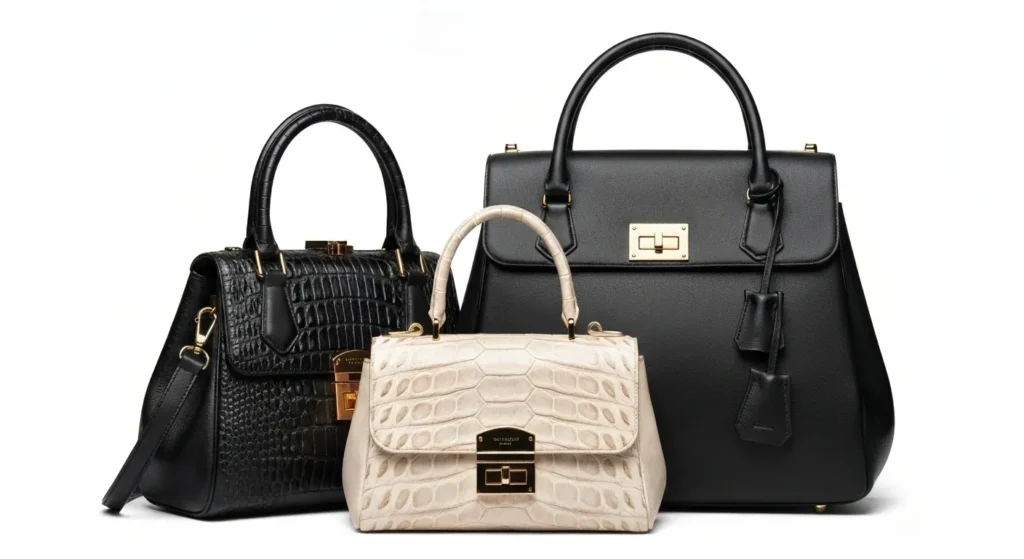
The Surprise: While the Birkin and Kelly remain icons, 2026 has seen a surge in the “Hac à Dos” backpack among male collectors seeking rugged luxury.
4. Patek Philippe: The Horological Heirloom
2026 marks the 50th Anniversary of the Nautilus, a milestone that has solidified Patek Philippe as the only watch brand for the true Old Money traditionalist.
-
2026 Milestone: The release of the “Ref. 5811” anniversary edition in titanium, a modern nod to Genta’s original vision that emphasizes weightlessness over flash.
-
Brand Value: The motto “You never actually own a Patek Philippe; you merely look after it for the next generation” is more relevant than ever in a world of disposable tech.
5. The Row: Modern Minimalist Sovereignty
Mary-Kate and Ashley Olsen have successfully transitioned The Row from a “celebrity brand” to a pillar of 2026's timeless style. It is the modern woman’s answer to bespoke tailoring.
-
The Aesthetic: Impeccably cut oversized white shirts and floor-sweeping wool coats that prioritize silhouette over everything else.
-
2026 Status: The Row is currently the leader in “stealth leather,” where bags are recognized only by their unique architectural shapes.
6. Goyard: The Mystery of Exclusivity
Goyard remains one of the few brands that refuses to sell online, maintaining an aura of “if you know, you know” (IYKYK) that defines Old Money.
-
2026 Collection: The “Seasons” limited edition, which features leather marquetry—an intricate inlay technique that makes each bag look like a seamless leather puzzle.
-
Key Item: The Saïgon Mini Trunk, which bridges the gap between 19th-century trunk-making and 21st-century portability.
7. Delvaux: Architectural Leather Mastery
As the world’s oldest luxury leather house (founded in 1829), Delvaux is the connoisseur’s choice. In 2026, it has become a favorite for those who find Hermès too “mainstream.”
-
2026 Artistic Focus: The Magritte-inspired capsule collections, featuring “The Apple” 3D-molded pouches that add a touch of Surrealist wit to a serious wardrobe.
-
Heritage: Their “Pin Mini Bucket” remains a masterclass in the “smile curve” base design.
8. Canali: The New Era of Italian Tailoring
In 2026, Canali has pivoted toward “Grand Turismo” luxury, taking inspiration from 1960s racing car interiors.
-
Material Innovation: The “Nuvola Suede”—a leather so light and treated that it feels as easy to wear as a linen shirt.
-
Signature Look: The “broken suit,” where tailored jackets are mixed with “Impeccabile” performance wool trousers for a look that suits both the boardroom and the Italian coast.
9. Valextra: The Engineering of Luxury
Often called “The Italian Hermès,” Valextra's 2026 collection, “Anatomy: A Study of Movement,” focuses on how accessories respond to the human body.
-
The Quirk: The use of ECONYL® regenerated nylon paired with “Sublime” leather, proving that Old Money values can embrace 2026's sustainability standards.
-
Icon Status: The Iside Editor bag, which remains a favorite for its architectural clasp and lack of external logos.
10. Charvet: The Bespoke Standard
Located at Place Vendôme, Charvet is the world’s first shirt shop and remains the final word in bespoke shirting in 2026.
-
2026 Relevance: In an era of AI-generated fast fashion, Charvet’s human-led measurement process is the ultimate luxury. They recently collaborated with Chanel to provide the “perfect white shirt” for their 2026 runway.
-
Signature Item: The silk-lined bespoke dress shirt with a proprietary bib front.
Comparison of the Top 10 Old Money Luxury Brands
| Brand | Origin | Core Focus (2026) | Signature Material | Entry Price Point |
| Loro Piana | Italy | Textile Excellence | Vicuña / Cashmere | $1,200 (Shoes) |
| Brunello Cucinelli | Italy | Soft Tailoring | Solomeo Cashmere | $800 (Polo) |
| Hermès | France | Leather Heritage | Epsom / Togo Leather | $3,000 (Small Bag) |
| Patek Philippe | Switzerland | Horology | Platinum / Titanium | $35,000+ (Watch) |
| The Row | USA | Modern Minimalism | High-ply Wool | $1,500 (Shirt) |
| Goyard | France | Secretive Exclusivity | Goyardine Canvas | $1,800 (Tote) |
| Delvaux | Belgium | Artistic Leather | Box Calfskin | $2,500 (Pouch) |
| Canali | Italy | Tech-Tailoring | Nuvola Suede | $1,100 (Blazer) |
| Valextra | Italy | Urban Portability | Millepunte Leather | $2,200 (Handbag) |
| Charvet | France | Bespoke Shirting | Sea Island Cotton | $700 (Shirt) |
Why “Old Money” Style is Dominating 2026
The resurgence of the Top 10 Old Money Luxury Brands Defining Timeless Style in 2026 is not just a fashion trend; it is a response to “consumer fatigue.”
-
Cost-Per-Wear Efficiency: Old Money brands focus on pieces that last 20+ years. In 2026, affluent buyers view a $5,000 Loro Piana coat as a “savings” compared to five $1,000 trend-based coats that will be dated in 12 months.
-
Digital Fatigue: As AI and digital avatars saturate the visual landscape, the tactile, physical “crunch” of heavy silk or the scent of Grade-A leather provides a grounded, authentic experience.
-
Social Signaling: In high-level circles, a loud logo is seen as a sign of “New Money” insecurity. True status in 2026 is signaled by the cut of a shoulder or the quality of a stitch that only another member of the “club” would recognize.
FAQ: Old Money Style in 2026
1. Is “Quiet Luxury” the same as “Old Money”?
Quiet Luxury is the behavior (wearing expensive clothes without logos), while “Old Money” is the aesthetic and lifestyle (prioritizing heritage, generational wealth, and classic sporting cultures like equestrianism or sailing).
2. Can I achieve this style on a smaller budget?
Yes. The 2026 approach to Old Money emphasizes quality over quantity. Instead of buying ten cheap shirts, buy one high-quality cotton shirt from a brand like Massimo Dutti (the mid-tier's answer to this style) or hunt for vintage items from the brands listed above on authenticated resale platforms.
3. Why is Patek Philippe included in a fashion list?
In the Old Money world, a watch is not just a timepiece; it is the most important “accessory” that completes the look. A Patek Philippe Nautilus or Calatrava is the horological equivalent of a bespoke Charvet shirt—it represents a permanent, unchanging standard of taste.
4. Are these brands sustainable?
Most are. In 2026, “luxury” is synonymous with “responsibility.” Brands like Valextra use regenerated nylons, and Loro Piana has led the way in animal welfare for vicuña and pashmina goats.
Conclusion
The Top 10 Old Money Luxury Brands Defining Timeless Style in 2026 offer more than just clothing; they offer a sanctuary of stability in a fast-moving world. By investing in these houses, you aren't just buying an outfit—you are acquiring a piece of history that is designed to look better with every decade of wear.