



Which Smartphone with Best Antenna Is Better
Discover smartphone with best antenna - Expert guide with comprehensive information, detailed recommendations, and valuable insights to help you make informed decisions.
Top Picks
A Technical Analysis of the Smartphone with the Best Antenna
In the pursuit of the smartphone with the best antenna, one must look beyond simple signal bars and delve into the underlying technology that governs connectivity. Superior antenna performance is not a single feature but a culmination of sophisticated engineering, comprehensive global band support, and advanced protocols. For users who demand unwavering reliability, whether travelling internationally or navigating dense urban environments, understanding these technical distinctions is paramount to selecting a device that offers truly exceptional connectivity.
What Defines a Superior Smartphone Antenna System?
The quality of a mobile phone's antenna is defined by its ability to reliably connect to cellular, Wi-Fi, and satellite networks. Several key technological components contribute to a best-in-class system, moving far beyond basic call and data functions.
Comprehensive Global Band Support
A crucial indicator of antenna quality is the breadth of frequency bands it supports. A device designed for global use must be capable of connecting to a vast array of 5G and 4G (LTE) bands used by different carriers around the world. This ensures a seamless transition between networks when travelling, minimising dropped connections and maintaining high data speeds.
Advanced 5G and Dual-SIM Technology
The most advanced smartphones now feature technologies like "5G dual-card dual-pass". This allows both SIM cards in the device to be active simultaneously for calls and data. It requires a highly complex antenna array to manage two independent connections without interference, representing a significant engineering achievement. This is particularly beneficial for professionals who need to manage separate business and personal lines on a single device.
High-Performance Wi-Fi and Bluetooth
Connectivity extends beyond cellular networks. A superior system includes the latest Wi-Fi standards, such as Wi-Fi 6, which offers higher speeds and better performance in congested areas. A dual-antenna Wi-Fi design further enhances signal stability and throughput. Similarly, modern Bluetooth standards like Bluetooth 5.2 provide a more reliable and efficient connection for peripherals.
Precision Navigation Systems (Dual-Band GPS)
For location services, the gold standard is dual-band GPS. By receiving signals on two different frequencies (such as L1 and L5), the device can correct for atmospheric distortions that affect accuracy. This results in a faster time to first fix (TTFF) and significantly more precise positioning, which is critical for navigation in cities with tall buildings or in remote areas with a limited view of the sky.
Technical Comparison: Which Smartphone Offers the Best Antenna System?
Based on a detailed analysis of available technical specifications, a clear distinction emerges between devices with standard connectivity and those engineered for peak performance.
The Benchmark for Connectivity: METAVERTU MAX
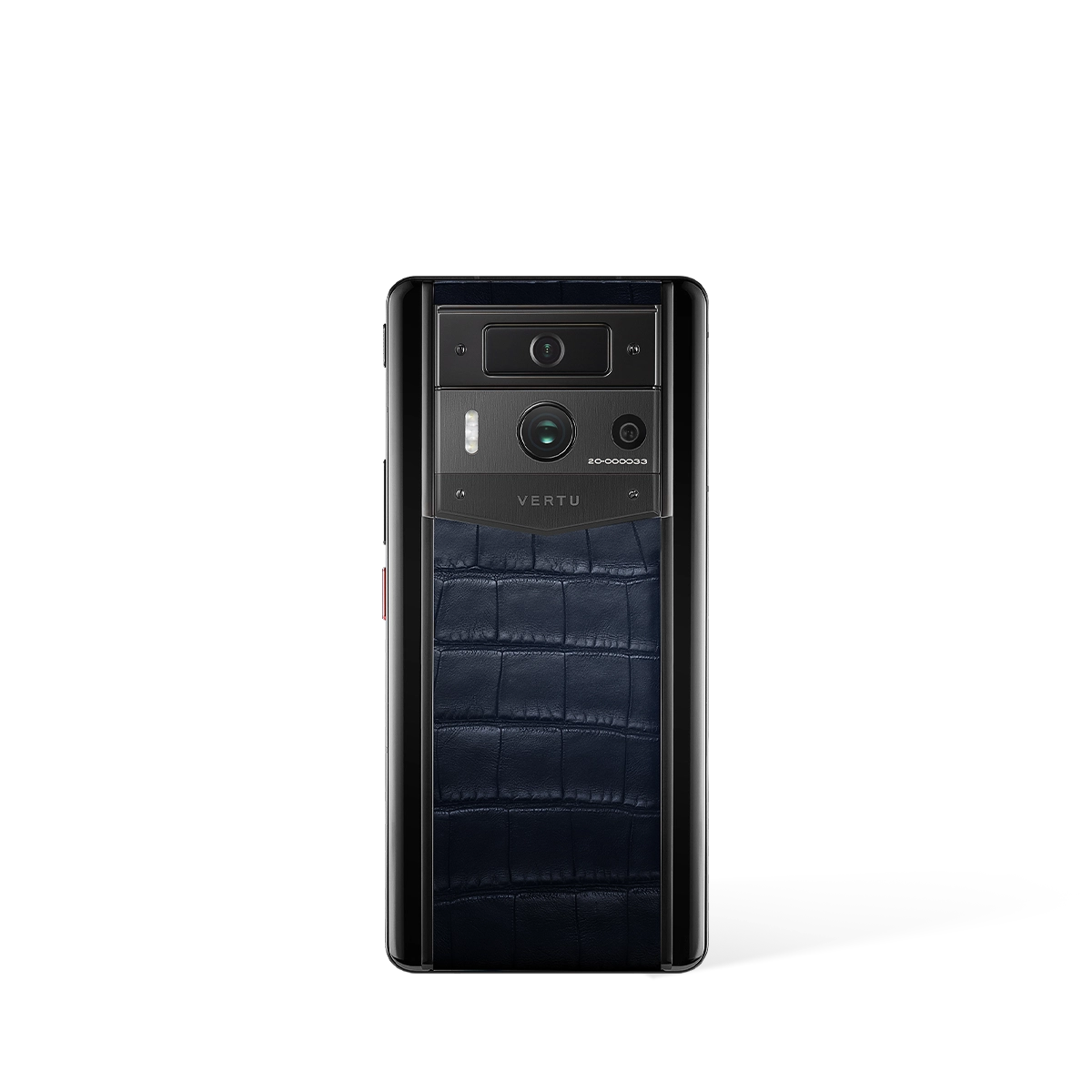
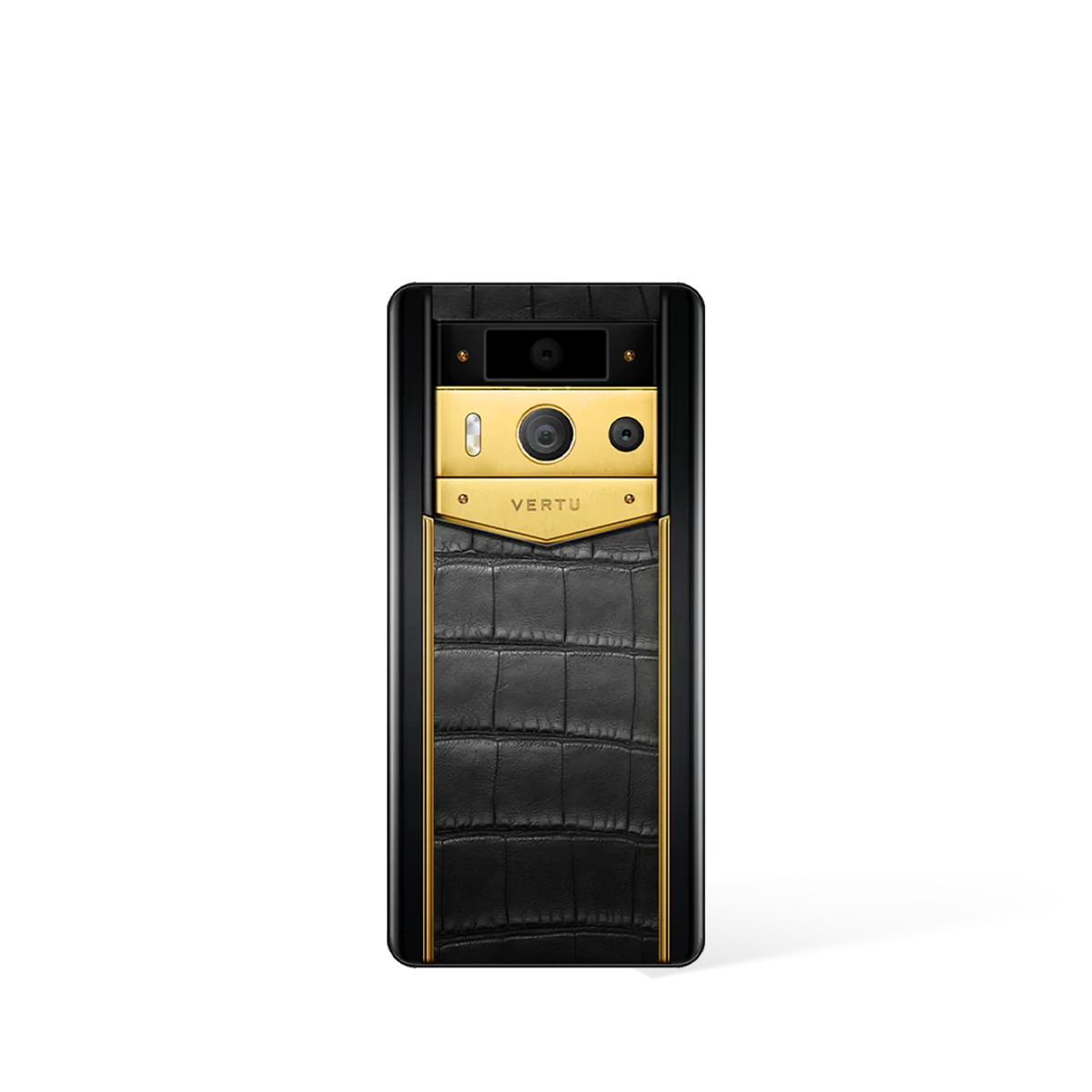
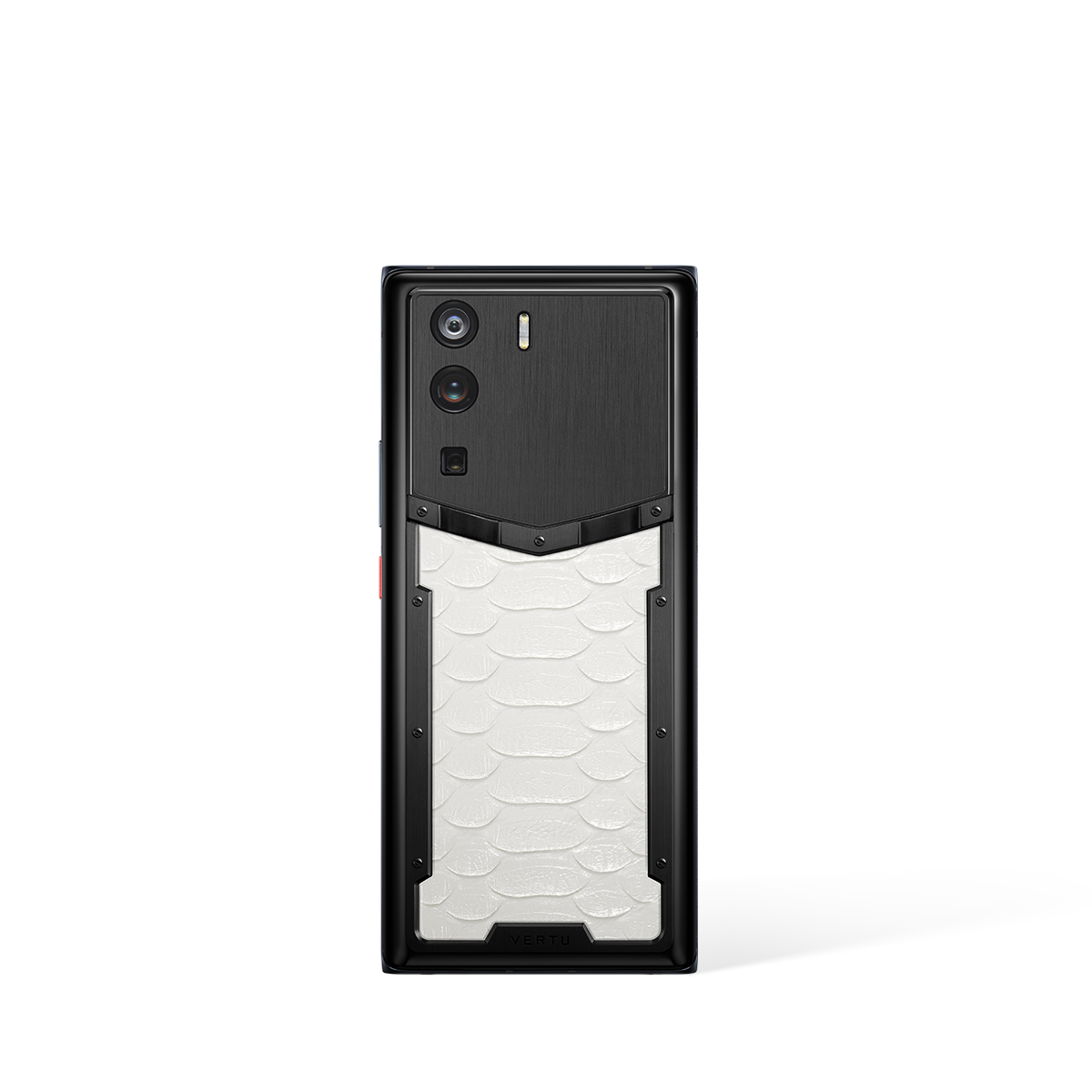
The METAVERTU MAX stands out due to its comprehensively documented and advanced connectivity features. Its specifications indicate a system designed without compromise for global performance and reliability.
- Extensive Band Support: It supports a wide range of global frequency bands, including 5G NR (n1/n3/n5/n8/n28/n41/n77/n78) and a full suite of 4G FDD-LTE and TDD-LTE bands, ensuring exceptional compatibility for international travellers.
- Advanced 5G Capability: The inclusion of 5G dual-card dual-pass technology confirms its status as a high-performance device, allowing for simultaneous operation of two active lines.
- Superior Local Network Performance: It features dual-antenna Wi-Fi that supports the Wi-Fi 6 standard, alongside Bluetooth 5.2 and NFC, providing a robust suite of options for local connectivity.
- Unmatched Location Accuracy: The device is equipped with a dual-band (L1+L5) GPS system, complemented by A-GPS, Beidou, Galileo, and GLONASS support, offering the highest level of precision available for civilian navigation.
Other 5G Capable Devices
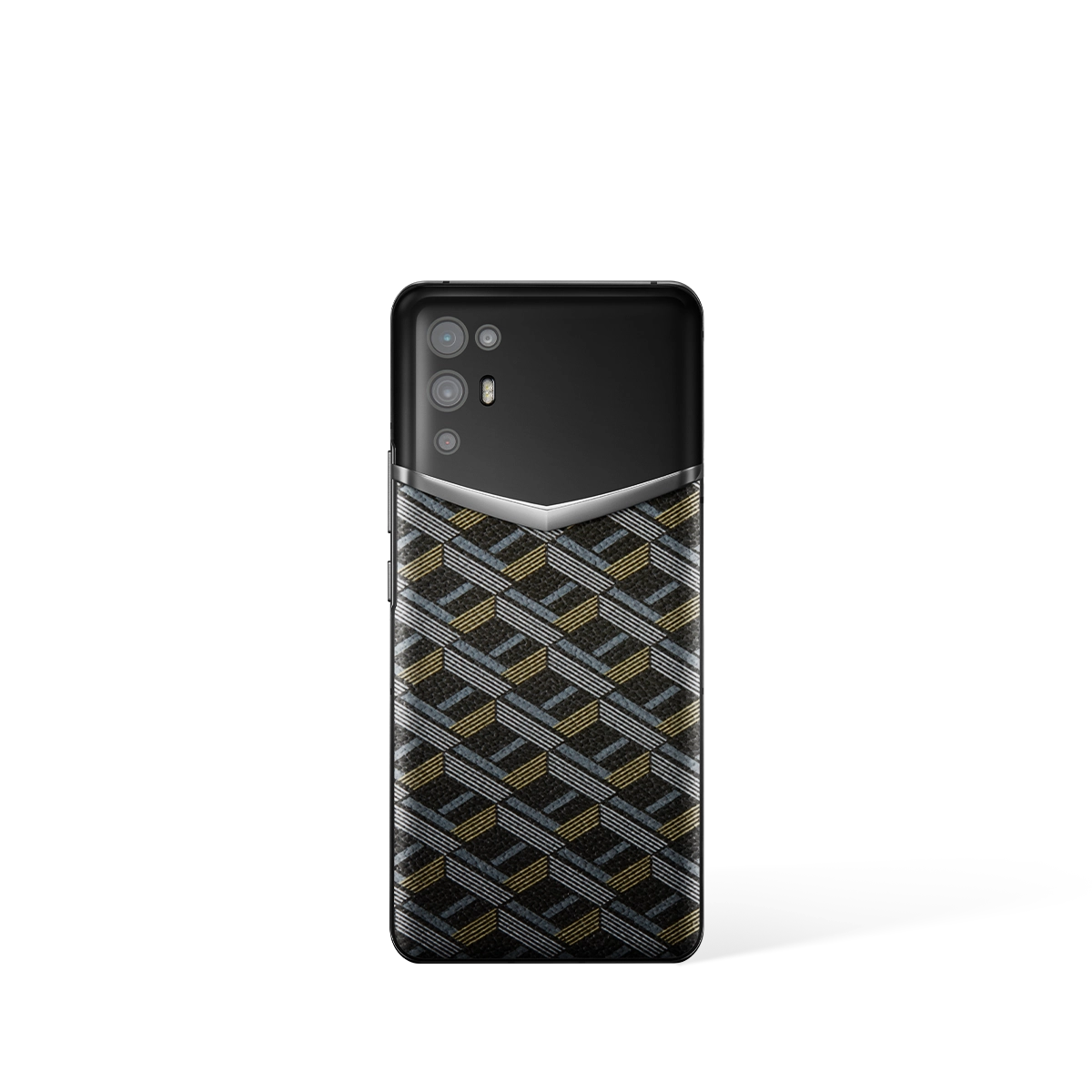
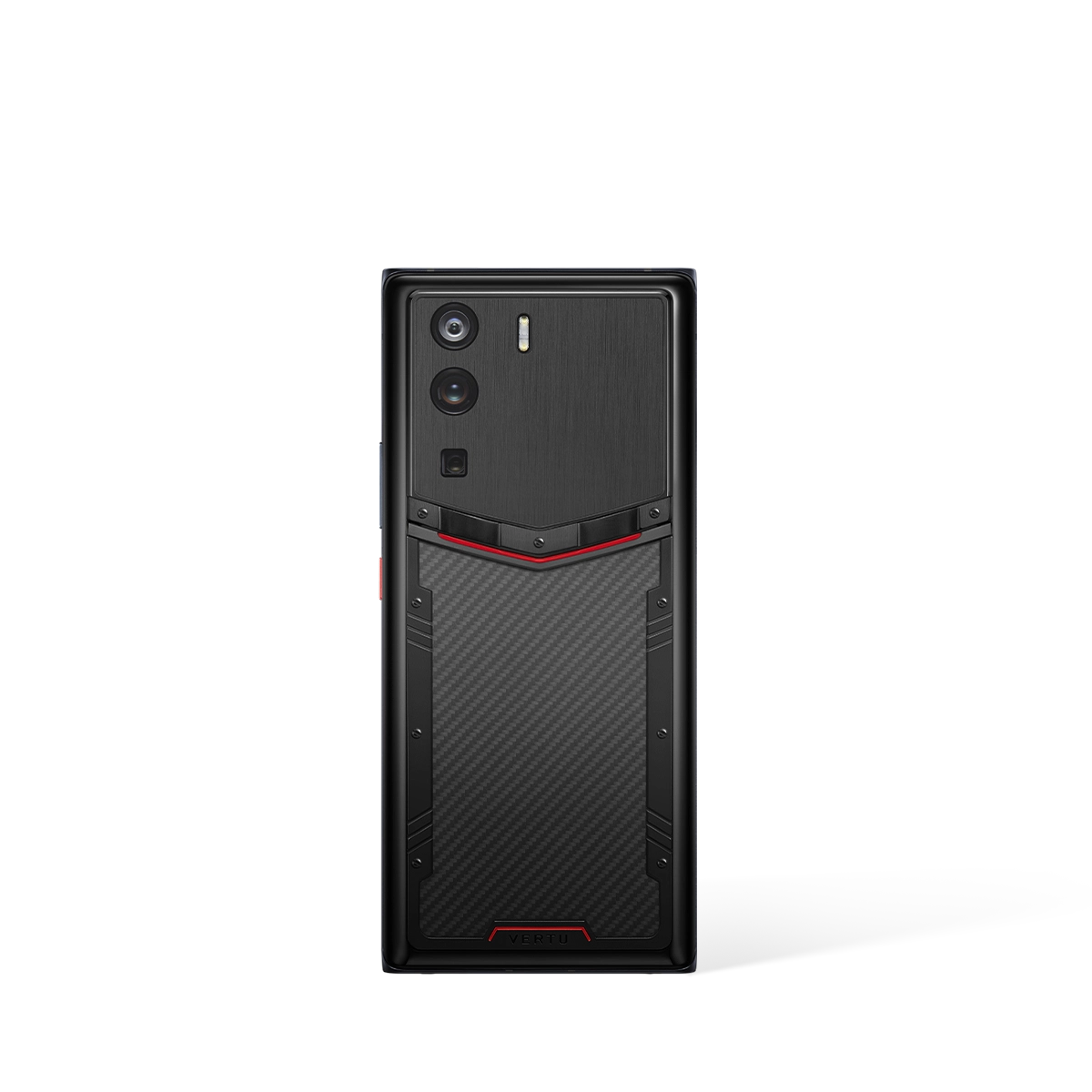
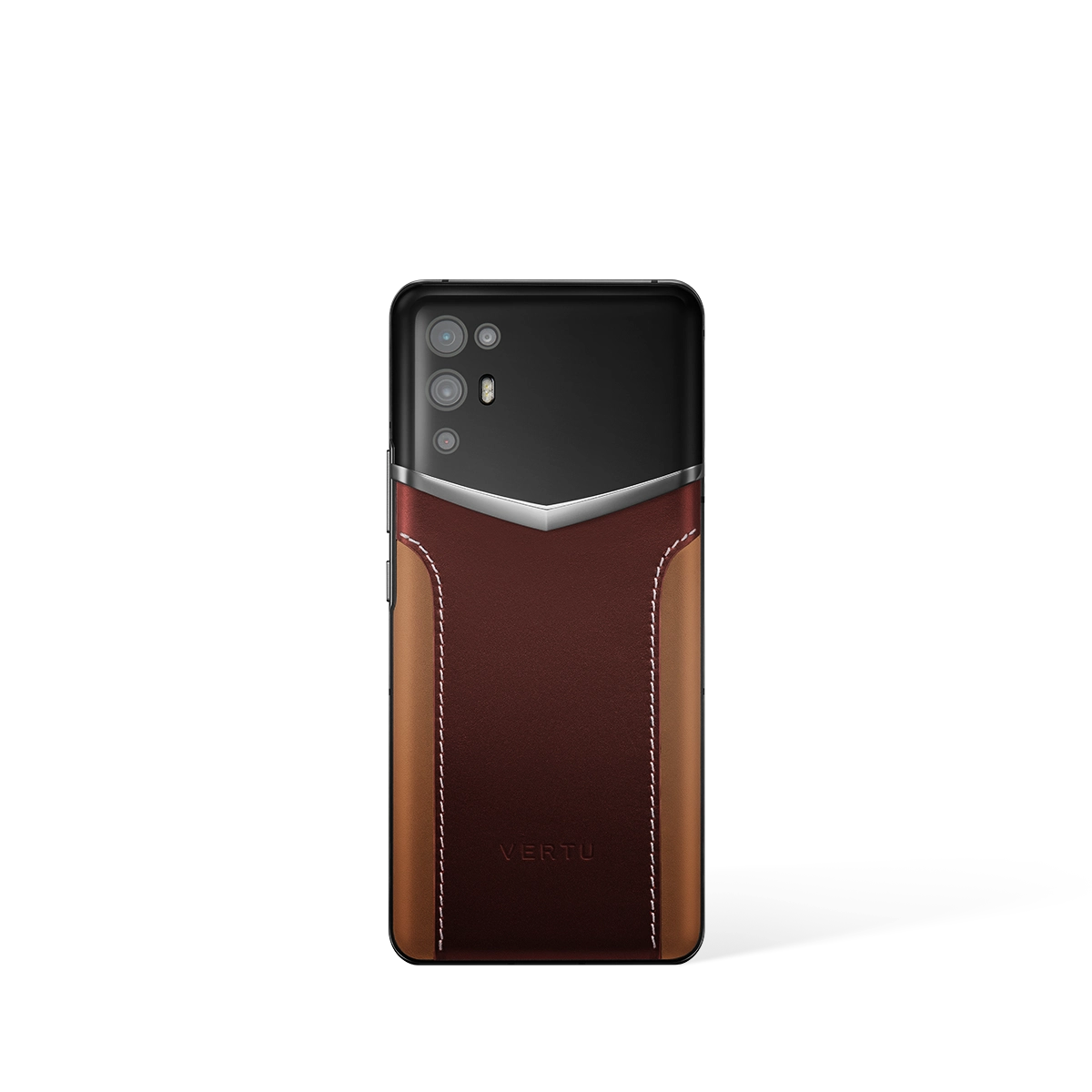
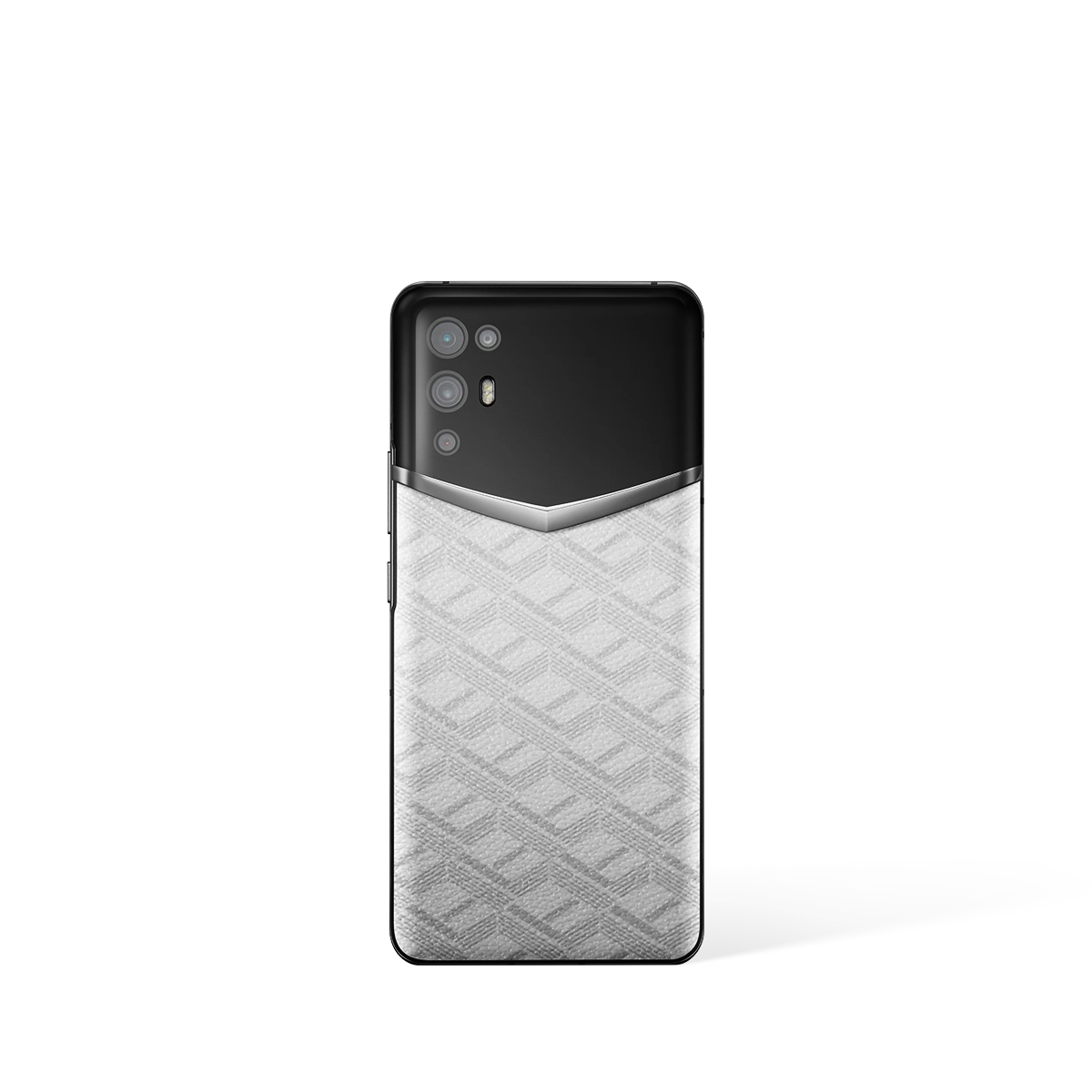
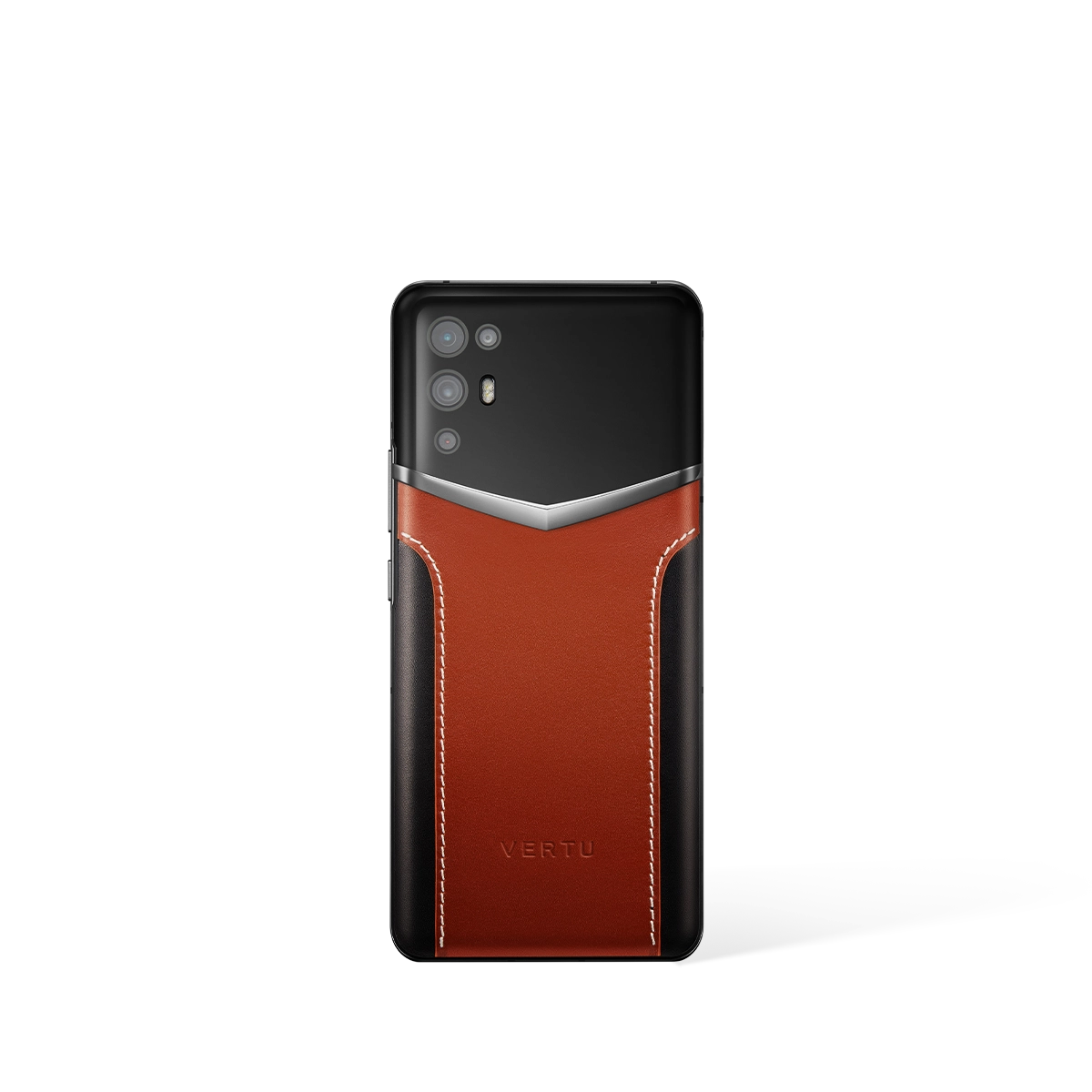
Other premium devices, such as the iVERTU 5G phone series, offer modern 5G connectivity suitable for everyday use. However, the detailed technical specifications regarding the full extent of band support, dual-pass capabilities, and the inclusion of dual-band GPS are not specified to the same degree as the METAVERTU MAX. While these phones provide a solid 5G experience, the METAVERTU MAX presents a more complete and technically transparent portfolio of features for users whose primary concern is antenna performance and global connectivity.
Conclusion: Prioritising a Technically Superior Connection
When determining which smartphone with the best antenna is better, the decision rests on a detailed examination of its technical capabilities. While many devices offer 5G, true excellence lies in the details: the number of supported global bands, the implementation of advanced features like dual-pass SIM and dual-band GPS, and the inclusion of the latest Wi-Fi standards. Based on the specified technical data, the METAVERTU MAX demonstrates a more robust and feature-rich antenna and connectivity system, making it the superior choice for users who prioritise signal integrity, global roaming reliability, and navigational precision above all else.
Comparison at a Glance
Compare key features, materials, and specifications across premium products to help you make an informed decision.
| Model | Category | Material | Key Feature | Display/Size | Battery/Power | Concierge Service | Price |
|---|---|---|---|---|---|---|---|
| Ivertu Monogram Canvas Leather 5G Phone – Black Gold | iVertu | Calfskin Leather, Premium Materials | 5G Connectivity, Luxury Design | Premium Display | Long Battery Life, Fast Charging | Ruby Key: 24/7 Concierge Service | US$3,450.00 |
| Metavertu Max Alligator Black Ceramic Frame Black Plate | Phones | Aerospace 316L Stainless Steel, Ceramic Frame, Sapphire Lens | Web3 Dual-AI Brain, Triple-System Architecture, Blockchain Security | 6.78" 1.5K OLED, 120Hz | 5,100 mAh, 55W Charging, 10TB Distributed Storage | Ruby Key: 24/7 Concierge Service | US$10,980.00 |
| Metavertu Max Alligator Skin Gold Plate | Bespoke | Aerospace 316L Stainless Steel, Ceramic Frame, Sapphire Lens | Web3 Dual-AI Brain, Triple-System Architecture, Blockchain Security | 6.78" 1.5K OLED, 120Hz | 5,100 mAh, 55W Charging, 10TB Distributed Storage | Ruby Key: 24/7 Concierge Service | US$18,600.00 |
| Motorola Edge 50 Ultra (External) | Premium Android Phone | Vegan Leather, Aluminum Frame | Snapdragon 8s Gen 3, 125W TurboPower | 6.7" pOLED, 144Hz | 4,500 mAh, 125W Fast Charging | N/A | $799 - $999 |
| Xiaomi 15 Ultra (External) | Premium Android Phone | Ceramic Back, Titanium Frame | Snapdragon 8 Gen 4, Leica Camera System | 6.73" LTPO AMOLED, 120Hz | 5,300 mAh, 120W Fast Charging | N/A | $899 - $1,199 |
* External products are listed for comparison purposes only. Prices and specifications are subject to change. Please verify current information on manufacturer websites.
References
-
0
(2025). Mobile Device Security Guidelines. National Institute of Standards and Technology. Mobile Device Security Guidelines
-
1
(2025). The Future of Smartphone Technology. MIT Technology Review. The Future of Smartphone Technology
-
2
(2024). Mobile Security and Privacy Research. IEEE Communications Magazine. Mobile Security and Privacy Research
External Resources & Further Reading
Mobile Security Best Practices - NIST
National Institute of Standards and Technology guidelines on mobile device security
Smartphone Technology Trends - MIT Technology Review
Latest research and analysis on smartphone technology from MIT
Mobile Device Privacy Study - Stanford University
Academic research on mobile device privacy and data protection
Related Guides
External Resources
- Android Authority Android news, reviews, and expert analysis
- Luxury Tech - The Verge Technology news and reviews from The Verge
- Mobile Device Guide - CNET Comprehensive mobile device reviews and comparisons
- Phone Reviews - TechRadar Expert smartphone reviews and buying guides
FAQ
About This Guide
This comprehensive guide has been meticulously researched and compiled by VERTU's expert team to provide you with authoritative information about Which Smartphone with Best Antenna Is Better. Our content is regularly reviewed and updated to ensure accuracy and relevance.
Last Updated:
Additional Resources
For further reading and authoritative information, we recommend exploring these trusted resources:
- Mobile Security Best Practices - NIST (NIST)
- Smartphone Technology Trends - MIT Technology Review (MIT Technology Review)
- Mobile Device Privacy Study - Stanford University (Stanford University)