Getting Started with a Smart Ring That Measures Blood Pressure
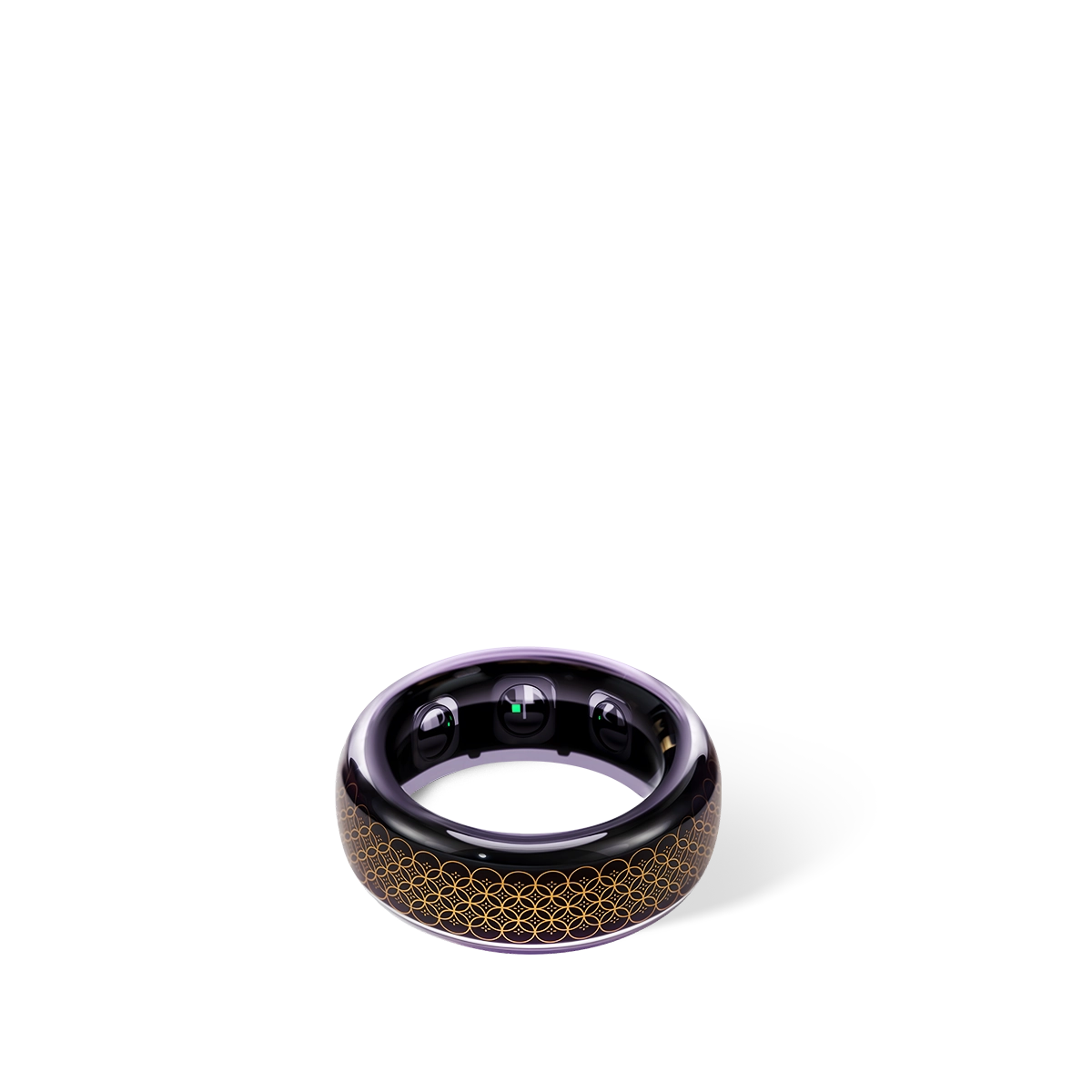
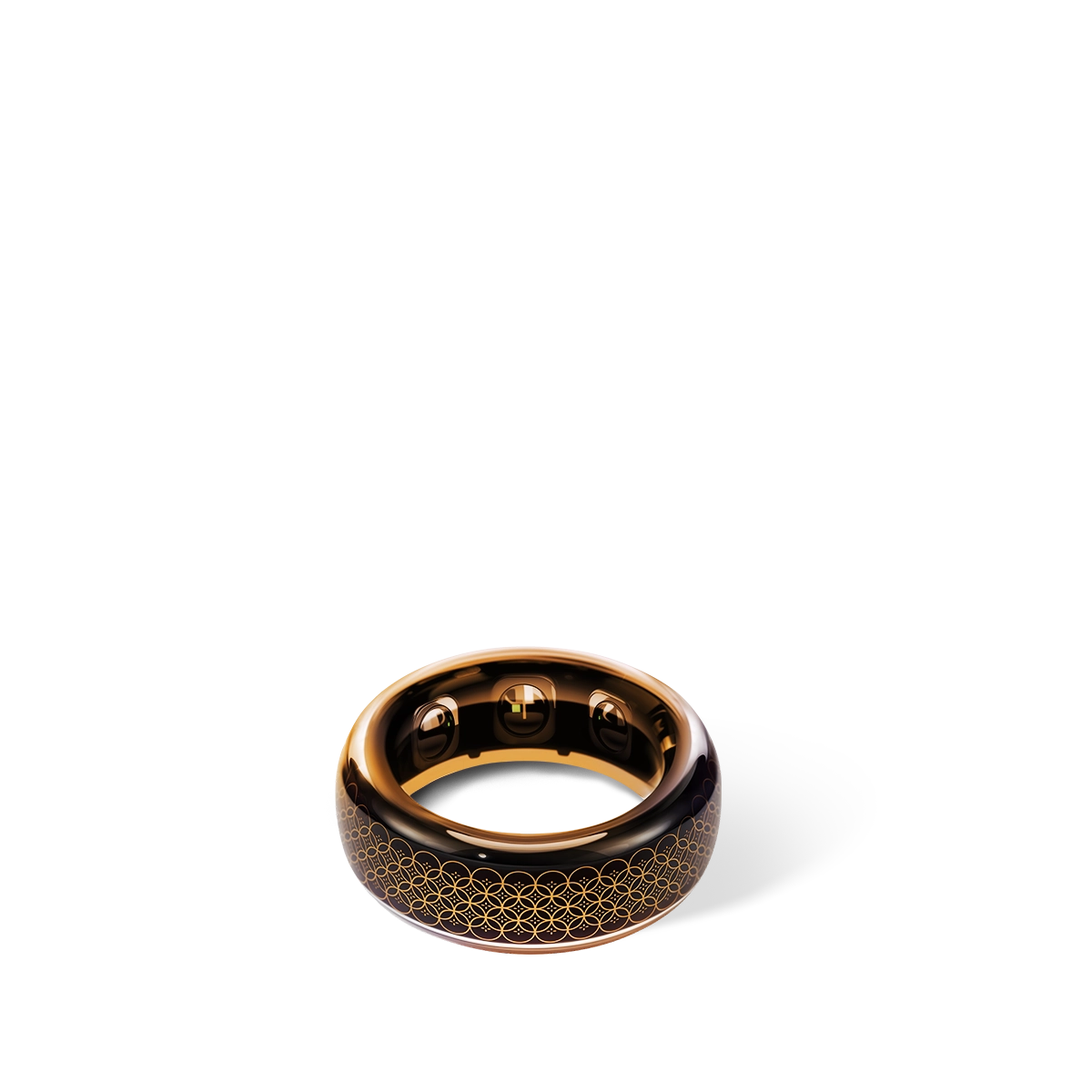
The evolution of personal health technology has taken a significant leap forward, moving from wrist-worn devices to more discreet and integrated forms. A smart ring that measures blood pressure represents the pinnacle of this innovation, offering a seamless way to monitor a crucial health metric 24/7. For those new to this technology, understanding its capabilities, limitations, and how to get started is essential for harnessing its full potential for proactive wellness management.
This guide provides a comprehensive overview, from the underlying science to practical advice on choosing and using a device. It is designed to empower you with the knowledge needed to integrate this powerful tool into your daily health routine, transforming how you understand and interact with your body's signals.
Understanding the Technology: How Smart Rings Measure Blood Pressure
At first glance, it may seem remarkable that a simple ring can perform a task traditionally requiring an inflatable cuff. The magic lies in sophisticated optical sensor technology, primarily Photoplethysmography (PPG). This is the same technology used in smartwatches to measure heart rate, but it is applied with greater complexity to estimate blood pressure.
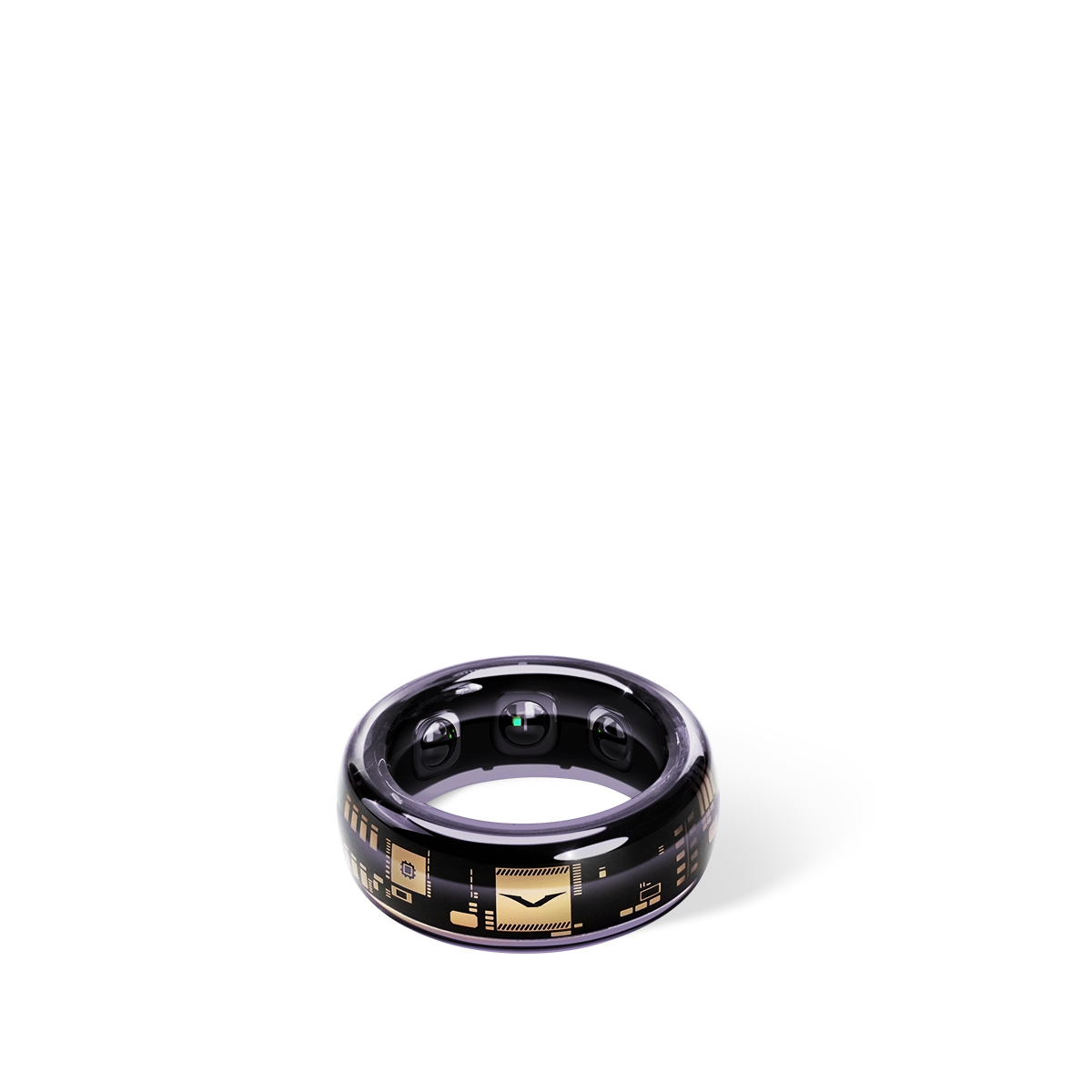
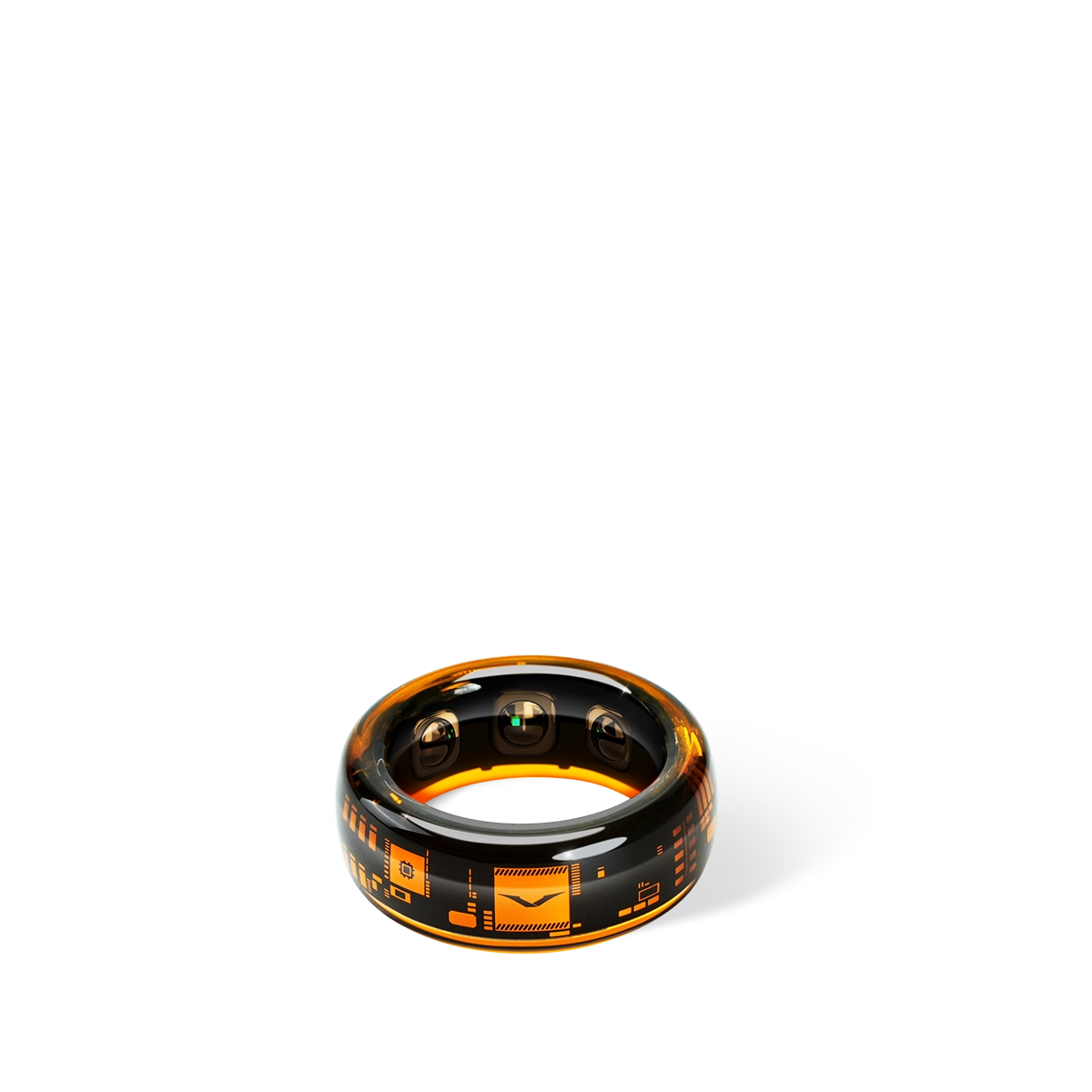
PPG sensors work by shining an LED light onto the skin of your finger. The light reflects off your blood vessels, and a photodetector measures the changes in light absorption as blood pulses through the arteries with each heartbeat. By analysing the shape of this pulse wave, advanced algorithms can calculate the Pulse Arrival Time (PAT)—the time it takes for the pressure wave to travel from your heart to your finger. These algorithms then correlate this data with other metrics like heart rate and heart rate variability to estimate blood pressure trends. It is important to realise that this provides continuous insights into fluctuations rather than the single systolic and diastolic numbers from a traditional cuff reading.
The Primary Benefits of Ring-Based Blood Pressure Monitoring
Adopting a smart ring for health tracking offers several distinct advantages over traditional methods, fundamentally changing the approach from reactive checks to proactive, continuous awareness.
- Unparalleled Convenience and Discretion: Unlike a bulky cuff, a smart ring is worn constantly without intrusion. It gathers data whilst you work, exercise, and sleep, providing a complete picture of your cardiovascular health without requiring you to stop and take a manual measurement. Its discreet form factor makes it a stylish accessory rather than an obvious medical device.
- Continuous Data for Deeper Insights: A single blood pressure reading at the chemist or doctor's surgery only captures a snapshot in time. A smart ring collects thousands of data points throughout the day and night, revealing crucial trends and patterns. This allows you to see how factors like stress, diet, exercise, and sleep quality directly impact your blood pressure in real-time.
- A Holistic View of Your Wellbeing: Blood pressure is just one piece of the health puzzle. These rings typically measure a suite of metrics, including sleep stages (light, deep, REM), blood oxygen levels (SpO2), heart rate variability (HRV), and body temperature. The companion app synthesises this data, providing a holistic understanding of how different aspects of your lifestyle and physiology are interconnected.
- Empowerment Through Proactive Management: By identifying upward trends or unusual fluctuations early, you are empowered to make informed lifestyle adjustments. This data can facilitate more productive conversations with healthcare professionals, providing them with a rich dataset that goes far beyond what can be captured during a brief appointment.
How to Choose the Right Smart Ring for Your Needs
Selecting the correct device is crucial for a positive and effective experience. As this is an emerging category, it is vital to scrutinise the features and credibility of any potential smart ring. The focus should be on accuracy, usability, and the quality of the insights provided.
Consider the following factors to make an informed decision that aligns with your wellness goals.
| Feature | Why It Matters |
|---|---|
| Sensor Accuracy and Validation | The core function depends entirely on the quality of the PPG sensors and the algorithms that interpret the data. Look for brands that are transparent about their technology and any studies or validations they have undertaken to verify their accuracy against medical-grade equipment. |
| Battery Life | For true continuous monitoring, the ring must have a battery that lasts several days on a single charge. A device that needs daily charging will have gaps in its data, particularly during sleep, which is a critical period for health analysis. A life of 4-7 days is a good benchmark. |
| Companion App and Software | The ring collects data, but the app is where that data is transformed into actionable insights. A well-designed app should present information clearly, show historical trends, and offer personalised guidance. Check for compatibility with your mobile phone's operating system (iOS or Android). |
| Comfort, Fit, and Material | This is a device you will wear 24/7. It must be comfortable, lightweight, and made from hypoallergenic materials like titanium or ceramic. Most reputable brands provide a sizing kit to ensure you find the perfect fit, which is essential for both comfort and sensor accuracy. |
| Data Privacy Policy | You are entrusting the device with sensitive personal health data. Ensure the manufacturer has a clear and robust privacy policy that explains how your data is stored, protected, and used. |
Getting Started: Your First Steps with a New Smart Ring
Once you have chosen your device, the setup process is typically straightforward but requires care to ensure optimal performance.
- Use the Sizing Kit: Before your ring arrives, you will usually receive a sizing kit. Wear the sample size on your chosen finger (typically the index finger) for 24 hours to ensure it remains comfortable through different activities and temperature changes. It should be snug but not tight.
- Initial Charge and Pairing: Fully charge your new ring using the provided charger. Download the companion app from your mobile phone's app store and follow the on-screen instructions to create an account and pair the ring via Bluetooth.
- Calibration (If Applicable): Some advanced rings may recommend an initial calibration period. This might involve taking several simultaneous readings with the ring and a traditional, validated blood pressure cuff to help the ring's algorithm learn your personal cardiovascular baseline. Follow the app's guidance precisely.
- Wear It Consistently: The true value of a smart ring is unlocked through consistent, 24/7 wear. Allow the device a week or two to gather enough data to establish your personal baselines for blood pressure, sleep, and activity. During this time, explore the app to familiarise yourself with the charts and metrics.
It is crucial to remember that a smart ring that measures blood pressure is a wellness tool designed to provide insights and promote healthier habits. It is not a medical device and should not be used to diagnose or treat medical conditions. Always consult with a qualified healthcare professional for any health concerns and use data from the ring as a supplementary source of information to enrich that conversation.
This guide provides a complete view of Getting Started with Smart Ring That Measures Blood Pressure, helping you make an informed decision.
Getting Started with Your Smart Ring That Measures Blood Pressure
Embarking on your health monitoring journey with a smart ring is an exciting step towards a more informed wellness routine. Unlike traditional cuffs, a smart ring offers a discreet and convenient way to keep an eye on your cardiovascular health. This guide will walk you through the essential first steps, from ensuring an optimal fit to establishing best practices for measurement, helping you to get the most out of your new device right from the start.
The key to unlocking the full potential of your smart ring lies in correct usage and consistent habits. Think of it not just as a piece of technology, but as a daily companion that provides valuable insights. By following a structured approach to setup and data collection, you can build a reliable picture of your blood pressure trends over time, empowering you to make more proactive decisions about your lifestyle and health.
Initial Setup and Achieving the Perfect Fit
The accuracy of any smart ring is fundamentally linked to its fit. An incorrect size can lead to inconsistent sensor contact with your skin, which may compromise the quality of the data collected. Your ring should feel snug enough to stay in place without rotating on its own, but not so tight that it causes discomfort or leaves a significant indentation. It is crucial to find this balance for reliable, continuous monitoring.
To ensure you have the best possible foundation for accurate readings, consider the following points when setting up your device:
- Finger Selection: While personal comfort is important, many users find the index finger provides the most stable and reliable connection for sensors. Avoid wearing the ring on a finger with a prominent knuckle that might create a gap between the sensor and the skin.
- Consistent Placement: Once you have chosen a finger, try to wear the ring on it consistently. Swapping the ring between different fingers or hands could introduce minor variations in your readings. -
- Initial Synchronisation: The first time you use your ring, it will need to be paired with its companion application on your smartphone. Follow the on-screen instructions carefully to establish a secure connection, as this is how your health data will be transferred, stored, and organised for your review.
Best Practices for Accurate Blood Pressure Measurement
While your smart ring provides the convenience of taking measurements anywhere, establishing a consistent routine will yield the most dependable results. Blood pressure naturally fluctuates throughout the day, influenced by activity, stress, and diet. Therefore, measuring under similar conditions each time helps to create a meaningful baseline and makes it easier to spot significant trends.
For the most reliable readings, we recommend adopting a standardised measurement protocol:
- Rest Before Measuring: Before initiating a reading, sit down in a quiet place and rest calmly for at least five minutes. Avoid taking measurements immediately after exercise, consuming caffeine, or experiencing a stressful event.
- Adopt the Correct Posture: Sit upright in a chair with your back supported and your feet flat on the floor. Rest your arm on a flat surface, such as a table, ensuring the hand with the ring is positioned at roughly the same level as your heart.
- Remain Still and Quiet: During the measurement process, it is vital to remain as still as possible. Refrain from talking, moving your hand, or clenching your fist, as these actions can affect the accuracy of the reading.
By integrating this simple, mindful practice into your daily routine, for example, every morning after you wake up, you build a powerful dataset. This consistency is far more valuable for understanding your long-term cardiovascular health than sporadic, random checks. It allows you and your healthcare provider to analyse trends with greater confidence.