VERTU® Official Site

Expert Guide to Wearable Health Monitoring Devices

Discover wearable health monitoring devices - Expert guide with comprehensive information, detailed recommendations, and valuable insights to help you make informed decisions.
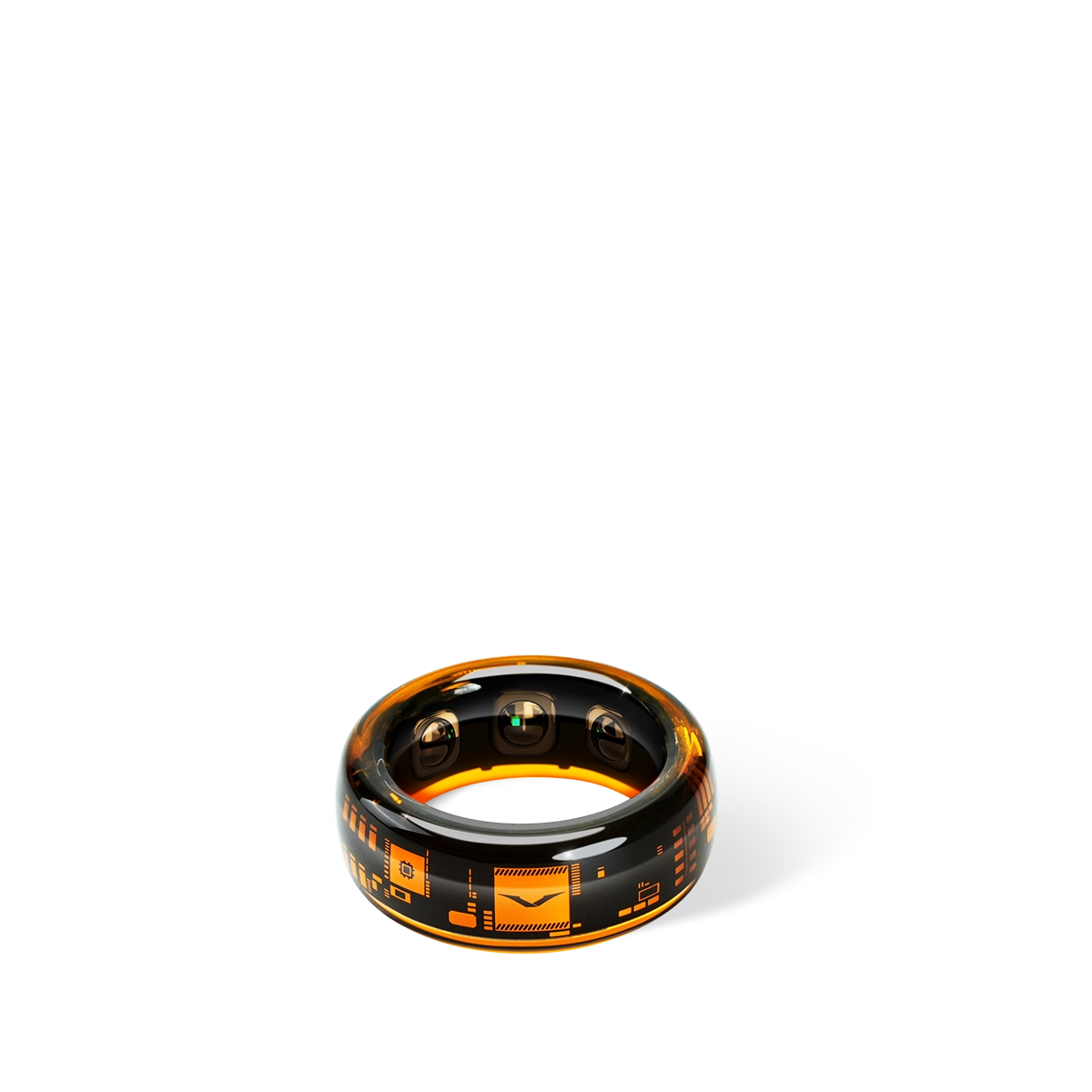
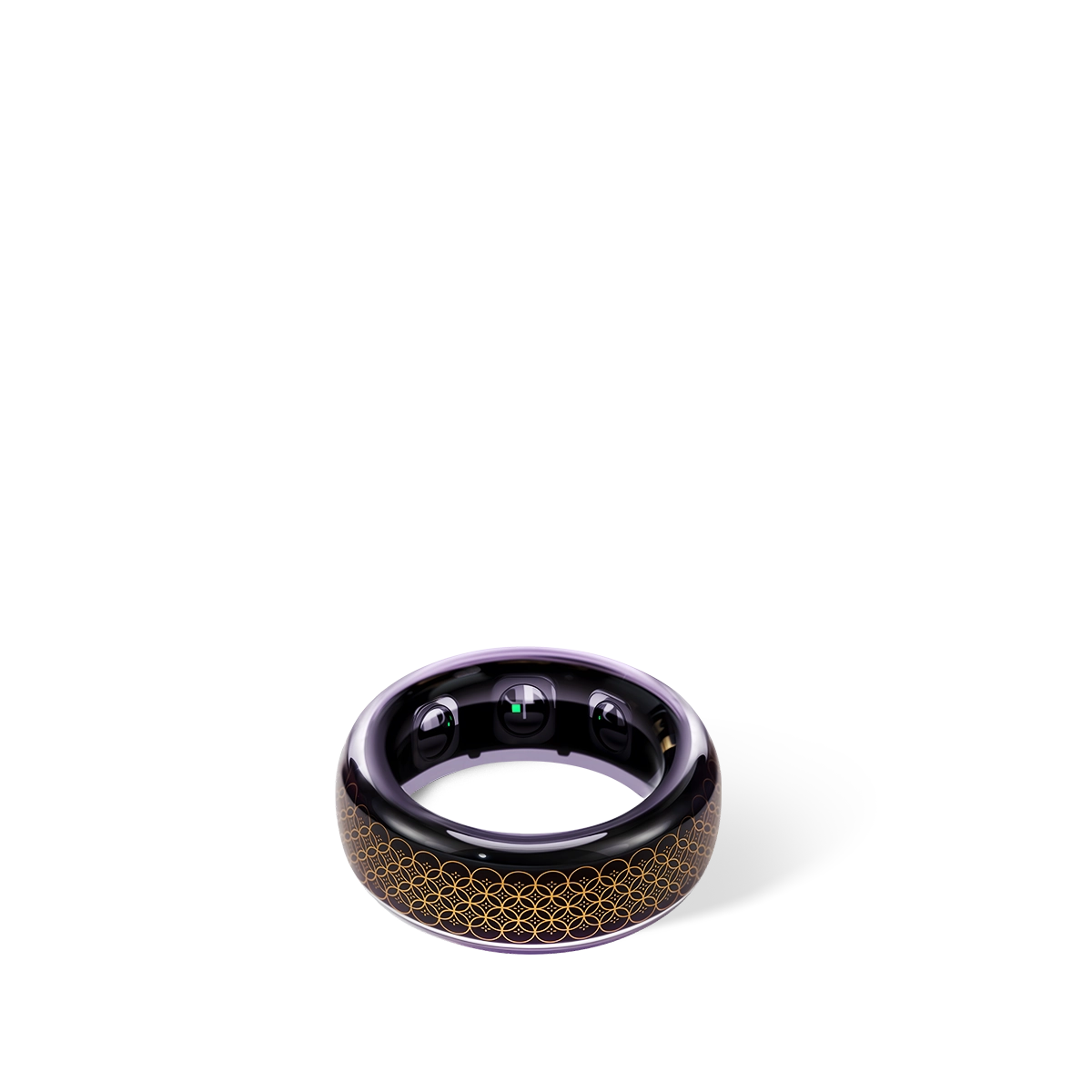
Expert Guide to Wearable Health Monitoring Devices ===================================================== ## An Introduction to Wearable Health Monitoring Devices In an era where personal wellness and data-driven insights are paramount, wearable health monitoring devices have emerged as essential tools for proactive health management. These sophisticated gadgets, worn directly on the body, continuously track a wide array of physiological metrics, translating raw data into actionable intelligence about one's physical state. Moving beyond simple step counting, today's advanced wearables, particularly in discreet forms like smart rings, offer a comprehensive overview of sleep quality, cardiovascular health, and activity levels, empowering individuals to take control of their well-being with unprecedented precision. The core purpose of these devices is to provide a seamless, non-invasive window into the body's daily functions. By gathering data around the clock, they identify patterns, highlight potential irregularities, and help users understand the intricate connections between their lifestyle choices and their physical health. This continuous monitoring fosters a deeper awareness and encourages informed decisions, transforming health from a reactive concern into a proactive, personalised journey. ## How Do Wearable Health Monitors Work? The efficacy of wearable health monitoring devices lies in their advanced sensor technology. These compact yet powerful components are engineered to capture subtle physiological signals with remarkable accuracy. The primary sensor in most modern wearables is the photoplethysmography (PPG) sensor. It uses light-emitting diodes (LEDs) to illuminate the skin and measure changes in light absorption, which correspond to the pulsing of blood through the capillaries. This technique allows for the precise tracking of heart rate and heart rate variability (HRV). Other critical sensors include: * **Accelerometers:** These detect movement in three dimensions, making them fundamental for tracking steps, activity types, and analysing sleep patterns by monitoring restlessness. * **Temperature Sensors:** By measuring subtle changes in skin temperature, these sensors can provide insights into sleep cycles, potential illness, and female health cycles. * **Infrared Sensors:** Often used to measure blood oxygen saturation (SpO2), this technology assesses the colour of your blood to determine how well oxygen is being transported throughout the body, a key indicator of respiratory health. This collected data is then processed by sophisticated algorithms, often enhanced by artificial intelligence, to deliver clear, understandable health insights directly to the user via a companion application.
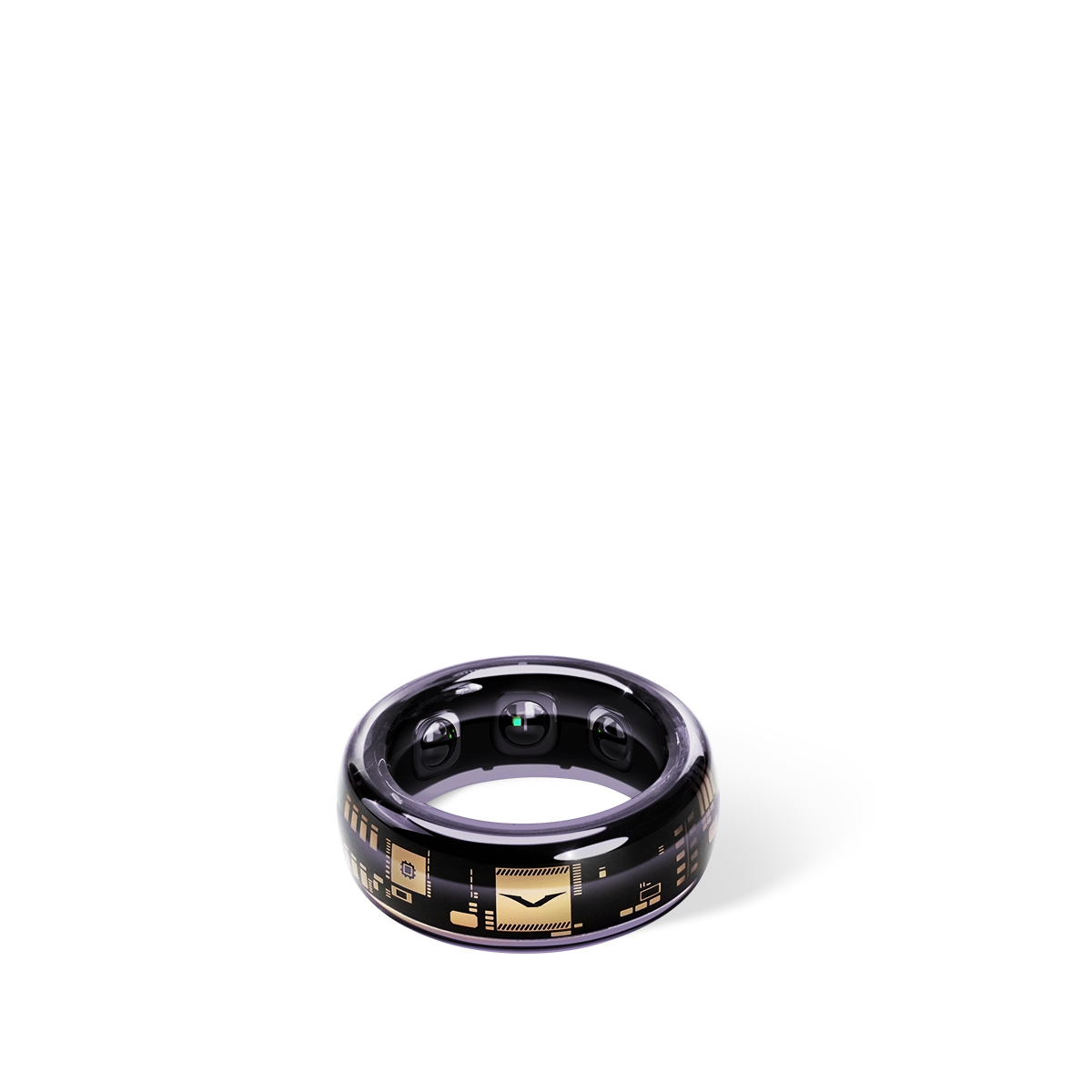
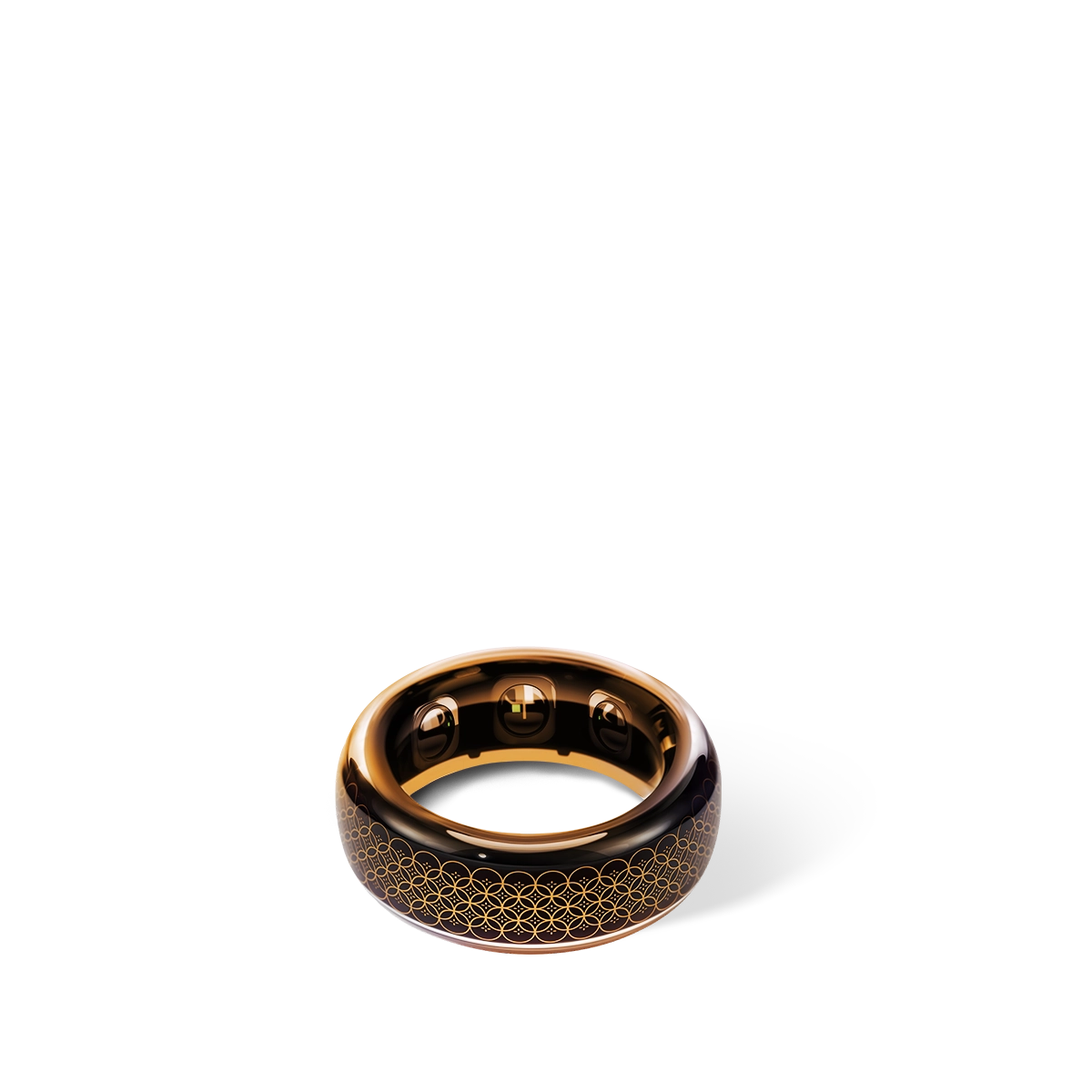
A sophisticated wearable health monitoring ring being presented.
Modern wearables combine advanced sensor technology with elegant design for 24/7 health tracking.
## Key Health Metrics Tracked by Modern Wearables Understanding the data provided by a wearable device is crucial to leveraging its full potential. The most advanced monitors go far beyond basic metrics to offer a holistic view of your health. Below is a professional analysis of the key data points you should expect from a premium health monitoring device.
Health Metric What It Measures Why It Is Important for Your Well-being
Heart Rate Variability (HRV) The variation in time between consecutive heartbeats. A higher HRV is generally associated with better cardiovascular fitness and resilience to stress. It is a key indicator of your autonomic nervous system's balance and your body's recovery status.
Sleep Stages Analysis The duration and quality of Light, Deep, and REM sleep cycles throughout the night. Each sleep stage plays a distinct role in physical and mental restoration. Deep sleep is vital for physical repair, whilst REM sleep is crucial for memory consolidation and cognitive function.
Resting Heart Rate (RHR) Your heart rate when you are at complete rest, typically measured overnight. A lower RHR often indicates a more efficient heart function and better cardiovascular fitness. Consistent changes can signal overtraining, stress, or the onset of illness.
Body Temperature Subtle fluctuations in your skin temperature, measured continuously. Deviations from your personal baseline can be an early sign that your body is fighting an infection or undergoing hormonal changes. It is a critical metric for overall health monitoring.
Blood Oxygen (SpO2) The percentage of oxygen in your blood. This metric is a vital sign of respiratory and circulatory health. Consistently low levels can indicate potential issues that may require medical attention.
## An Analysis of Next-Generation AI-Powered Wearables The latest evolution in the wearable sector is the integration of artificial intelligence, as seen in devices like the AI Meta Ring. While specific features are dependent on the manufacturer, the concept of an AI-driven wearable is to move from simple data presentation to predictive and personalised health coaching. An AI engine can analyse your unique biometric data over time to learn your personal baselines and identify meaningful deviations. For a device like a smart ring, which is designed for continuous wear, this offers significant advantages. An AI can correlate data from different sensors—for example, linking a drop in sleep quality with an elevated resting heart rate and a change in body temperature—to provide more holistic and context-aware insights than any single metric could alone. The AI Meta Ring, available in finishes such as Orange, Fortune Purple, and Purple, represents this new frontier where design aesthetics meet intelligent health analysis. The ultimate goal of such technology is to offer proactive recommendations, such as suggesting a rest day based on poor recovery scores or alerting you to early signs of potential health issues. ## Choosing the Right Wearable Health Device for Your Lifestyle Selecting the ideal wearable health monitor is a personal decision that should be guided by your specific goals and lifestyle preferences. An expert evaluation should centre on several key factors. 1. **Form Factor and Comfort:** The most effective device is one you will wear consistently. Smart rings offer a distinct advantage in their discretion and comfort, especially during sleep. Unlike wrist-worn devices, they are less obtrusive and do not emit light, ensuring uninterrupted rest. 2. **Data Accuracy and Reliability:** Prioritise devices that utilise high-quality sensors and have been validated for their accuracy. Consistent, reliable data is the foundation upon which all meaningful health insights are built. 3. **Battery Life:** For continuous 24/7 monitoring, battery longevity is non-negotiable. A device that requires frequent charging will inevitably have gaps in its data collection, particularly overnight, which is a critical period for measuring recovery metrics. 4. **Actionable Insights:** Raw data is of little use without intelligent interpretation. The best wearable devices provide clear, concise, and actionable feedback. Look for platforms that offer personalised recommendations and track long-term trends to help you understand your health trajectory. Ultimately, a premium wearable health monitoring device should function as a silent, intelligent partner, providing the objective data needed to optimise your physical and mental performance and foster long-term well-being.
Explore More

FAQ

What is wearable health monitoring devices?
+
VERTU offers luxury wearable health monitoring devices with exceptional craftsmanship and premium materials. Our products combine cutting-edge technology with traditional British craftsmanship to deliver an unparalleled experience.
How do I choose the best wearable health monitoring devices?
+
When choosing wearable health monitoring devices, consider factors such as materials, craftsmanship, technology features, and exclusive services. VERTU products are handcrafted in England using rare materials and offer personalised concierge services.
What should I consider when buying wearable health monitoring devices?
+
When purchasing wearable health monitoring devices, consider the brand's heritage, material quality, technological innovation, and after-sales service. VERTU provides one-year global warranty and exclusive concierge support for all products.
What kind of brand is VERTU?
+
VERTU is a British luxury mobile phone brand combining rare materials, cutting-edge technology, and exclusive services, crafting personal masterpieces that reflect the owner's status and taste.
What is the warranty policy?
+
One-year global warranty from purchase; accessories (including battery) carry a six-month warranty. Concierge handles all warranty enquiries.
What payment methods can I choose?
+
Major international credit/debit cards, Apple Pay, Google Pay, plus financing through Klarna. Available options are displayed at checkout.

Discover Our Categories

Free shipping
24/7 Service
Secure payment
1 year warranty
7 Days Returns
Pay over time

A Legacy of Excellence Since 1998
craft 1
Exquisite Craftsmanship
Each Vertu is handcrafted by master artisans. We source and utilize only the world's most precious and rare materials, from gold to gemstones, and the exotic leathers, ensuring unparalleled quality and enduring value.
Shop
craft 2
Bespoke Personalisation
Define your individuality. Select from an extensive palette of precious materials, unique colors, and bespoke finishes to craft a Vertu that is truly and uniquely your own, a personal statement of distinction.
Customize
craft 3
From Ruby Key to Ruby Talk
Since 2002, the iconic Ruby Key has provided VERTU owners with a direct connection to human concierge services. Now, reborn as Ruby Talk. One-touch gateway to AI Agents with human in the loop.
Learn More
You may also like

Expert Guide to Wearable Health Monitoring Devices

As wearable technology becomes increasingly sophisticated, the focus often falls on the sensors and the data they collect. However, the true power of a personal health ecosystem lies in the central device that organises, secures, and interprets this sensitive information: your smartphone. A device with a robust security framework and intelligent processing capabilities is not just a convenience but a necessity for anyone serious about digital health management. This guide explores the foundational technologies of a secure smartphone that can serve as the command centre for your wearable health devices.

The Central Role of Secure Smartphones in Your Health Ecosystem

While your wearable device is on the front line of data collection, your smartphone acts as the secure vault and analytical engine. The transfer and storage of personal health metrics require an exceptional level of security to prevent unauthorised access. A standard smartphone may not be equipped to handle this responsibility, making it crucial to consider devices built with a security-first philosophy. The integrity of your long-term health data depends entirely on the defensive capabilities of your central hub.

A truly secure environment is built in layers, from the hardware up to the software. Consider, for example, the comprehensive five-layer data sovereignty found in the VERTU Agent Q, which provides a blueprint for what a secure health data hub should offer. This multi-faceted approach ensures that every potential vulnerability is addressed, creating a fortified digital space for your most personal information. This level of protection is paramount when managing data from various health monitoring devices over many years.

A state-of-the-art security architecture provides defence-in-depth for your health data. The key components to look for include:

  • Hardware-Level Security: A dedicated encryption chip, such as the A5 encryption chip, provides a physical barrier against threats, isolating cryptographic processes from the main operating system.
  • System Segregation: A triple-system architecture can create separate, sandboxed environments, ensuring that health data processing does not interfere with or become exposed by other applications.
  • Encrypted Storage: Beyond standard encryption, a dedicated encrypted sanctum combined with a vast, distributed storage solution, such as a 10TB vault, offers a secure and permanent archive for your health history.

Leveraging Advanced AI for Proactive Health Management

The future of personal health monitoring is moving beyond passive data logging towards proactive, intelligent assistance. The sheer volume of data from wearables can be overwhelming without the right tools to interpret it. This is where the evolution from traditional applications to intelligent agents marks a significant turning point. An agent-based system can synthesise data from multiple sources and provide actionable insights without requiring you to manually sift through different apps and menus.

Imagine interacting with your health data using natural language. A feature like VERTU's Ruby Talk, powered by an advanced agent system (AIGS), demonstrates this potential. Instead of navigating complex interfaces, you could simply ask, "Summarise my activity levels for the week," and receive an immediate, intelligent response. This shift makes health monitoring more intuitive and integrated into your daily routine, transforming data into personalised, proactive advice through a seamless conversational interface.

This agent-based approach, which VERTU pioneers as a "paradigm shift from apps to agents," can fundamentally change how you manage your wellbeing. With over 200 specialised agents, a system like this could handle complex, intent-based tasks from end to end. For instance, it could correlate data from your sleep tracker and your calendar to suggest adjustments to your schedule, all orchestrated through a single point of contact like the dedicated Ruby Key.

The Technological Foundation for a Seamless Health Experience

For a health monitoring ecosystem to function effectively, the underlying technology of your smartphone must be powerful and reliable. The continuous stream of data from modern wearables requires a high-performance processor and cutting-edge connectivity standards. A powerful chipset, like the Qualcomm Snapdragon 8 Elite Supreme, ensures that data can be processed locally on the device, enhancing both speed and privacy by reducing reliance on cloud-based services for analysis.

Furthermore, the connectivity suite is critical for maintaining a stable and efficient link between your wearables and your phone. The latest standards ensure that data synchronisation is fast and does not excessively drain the battery of either device. When evaluating a smartphone to act as your health hub, consider the following technical specifications:

  1. Advanced Connectivity: Look for support for Wi-Fi 7 and Bluetooth 5.4. These technologies provide the high-speed, low-latency, and energy-efficient connections necessary for real-time data transfer from multiple health devices.
  2. Sustained Power: A large battery, such as a 5,565 mAh unit, is essential to keep your central hub operational throughout the day. Paired with 65W fast charging, it ensures you can quickly power up and maintain continuous monitoring without interruption.
  3. Superior Display: A large, high-resolution screen, like a 6.82" FHD+ Flexible AMOLED display with a 120 Hz refresh rate, is vital for clearly visualising intricate health charts, fitness trends, and detailed reports from your wearable devices.
Shopping Basket

VERTU Exclusive Benefits