| Feature Category | Essential Considerations | Advanced Capabilities |
|---|---|---|
| User Interface | Intuitive, easy to navigate | Customizable workspace |
| Core AI Tools | Auto-enhancement, color correction, cropping | Object removal, background segmentation |
| Creative AI | Filters, style transfer | AI-generated elements, advanced retouching |
| Device Compatibility | Mobile (iOS/Android), Desktop (Windows/macOS) | Cloud syncing, tablet optimization |
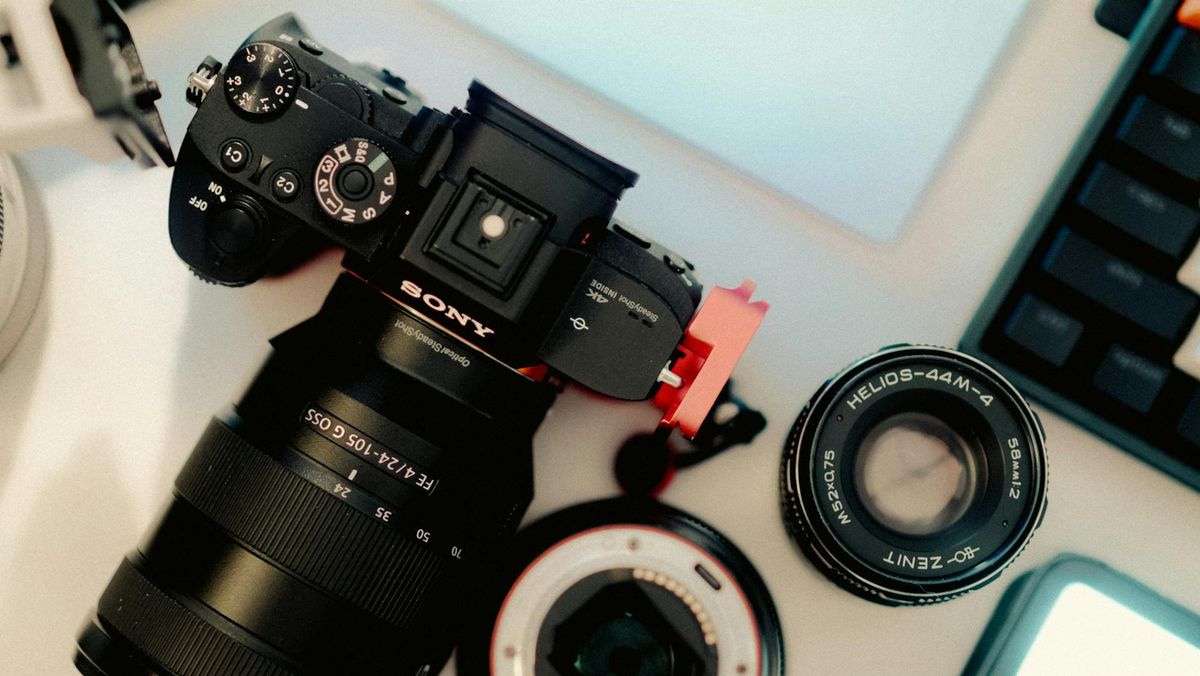
Image source: Pexels
Ready to transform your photos from ordinary to extraordinary without the steep learning curve? In the rapidly evolving landscape of 2025, the question of what is the best AI photo editor is on the minds of creators everywhere. Gone are the days of tedious manual adjustments; AI-powered photo editing is here to streamline your workflow and unlock your creative potential.
Imagine achieving professional-grade enhancements with just a few clicks, saving you precious time and delivering breathtaking results. This guide dives deep into the leading AI photo editor apps, dissecting their innovative features, unique advantages, and the types of projects they excel at. Whether you're a seasoned photographer or a social media enthusiast, discover the perfect AI tool to elevate your visual storytelling.
Understanding AI Photo Editing Technology
Navigating the realm of digital image enhancement can feel complex, but the advent of Artificial Intelligence has revolutionized the process. By transforming intricate tasks into effortless operations, AI makes powerful editing accessible to everyone. Understanding the underlying technology is key to choosing the right tool.
The Evolution of AI in Photo Editing
The journey of AI in photo editing began with basic automation, like correcting exposure and white balance. Today, the technology is far more sophisticated. Modern AI photo editing leverages machine learning to automate complex tasks like color correction, background removal, and object removal with remarkable precision. This evolution means professional-grade results are no longer exclusive to seasoned experts.
How AI Photo Enhancer Tools Work
At its core, an AI photo enhancer tool uses algorithms trained on vast datasets of images. These algorithms learn to identify patterns, objects, and features within a photograph, enabling them to apply intelligent adjustments.
For instance, when you use a background removal feature, the AI analyzes the image to differentiate between the subject and its surroundings, creating a clean cutout. Similarly, for object removal, the AI intelligently reconstructs the area where the object was, blending it seamlessly with the background. This sophisticated process powers everything from basic enhancements to advanced creative manipulation.
Key Features to Look For in an AI Photo Editor
When searching for the best AI photo editor for your needs, several key features stand out. Look for an intuitive interface that makes editing straightforward, even for beginners. A wide range of features, such as intelligent retouching, sky replacement, and style transfer, will offer greater creative control. Finally, ensure compatibility with your devices—whether you use a mobile, tablet, or desktop—for a seamless workflow.
Ultimately, the best app is one that balances powerful, intelligent features with an accessible user experience, empowering you to bring your vision to life.
Top AI Photo Editor Apps for 2025: Our Picks
As we look towards 2025, the capabilities of AI in transforming our images have become more sophisticated than ever. For those seeking to elevate their photography, understanding what is the best AI photo editor for your specific needs is paramount. This guide highlights our top selections, focusing on their unique strengths and user experience.
Best All-Around AI Image Editor: Fotor AI
Fotor AI stands out as a comprehensive solution, seamlessly blending powerful AI tools with an intuitive interface. Its strength lies in its versatility, catering to both novice users and seasoned professionals. Fotor excels in a wide array of editing tasks, from intelligent object removal and background replacement to sophisticated portrait retouching. Its AI-powered sky replacement feature, for instance, can dramatically alter the mood of an image with just a few clicks.
Pros: Wide range of AI-powered editing tools, user-friendly interface for all skill levels, excellent for creative effects.
Cons: Advanced features often require a paid subscription.
Fotor's ability to generate entirely new images from text prompts also positions it as a forward-thinking editor, making it a top choice for all-around performance.
Best Free AI Photo Editor Options
For budget-conscious users, several platforms offer robust AI editing capabilities without a hefty price tag. YouCam Enhance is a notable contender, providing a streamlined experience focused on essential AI enhancements like noise reduction, sharpening, and color correction.
Another strong free option is Canva , which integrates AI-powered tools like background removal directly into its design workflow. These are invaluable for social media content creators who need to quickly prepare images for digital use.
| Feature | Fotor AI (Free Tier) | YouCam Enhance (Free) |
|---|---|---|
| Basic Retouching | Yes | Yes |
| Background Removal | Limited | Yes |
| AI Sky Replacement | No | No |
| AI Image Generation | No | No |
| Pricing Model | Freemium | Free |
Most Powerful AI Photo Enhancement for Mobile
Mobile users seeking professional-grade enhancements on the go will find Picsart to be an exceptional choice. Its mobile app packs a punch with a comprehensive suite of AI tools, including advanced retouching, AI filters, and object manipulation. The AI background editor is particularly impressive, allowing for seamless removal and replacement of backgrounds directly from a smartphone.
User-Friendly AI Photo Editing Software
When ease of use is the primary concern, Adobe Photoshop Elements offers a compelling experience. It leverages AI for intelligent features like automated selections, content-aware fill, and guided edits. These AI-assisted functions simplify complex tasks, making advanced editing accessible to a broader audience. Its guided edits, in particular, walk users through creative processes step-by-step.
Mastering AI Photo Editing: Practical Tips
Artificial intelligence has made complex photo editing simple and accessible. Whether you're a professional or a casual enthusiast, leveraging AI can dramatically elevate your images. The key is understanding how to use these powerful tools effectively.
Simple Steps for Stunning AI Enhancements
For most users, the journey begins with one-click enhancements. The workflow is designed for maximum efficiency: upload your photo, and the AI analyzes it to apply balanced adjustments to exposure, color, and sharpness automatically. This provides an excellent starting point. When asking what is the best AI photo editor , look for one that offers both automated simplicity and manual control.
| Editing Approach | Typical Steps | Best For |
|---|---|---|
| One-Click AI Enhance | Upload > Select "Auto" or "Enhance" > Export | Quick fixes, social media posts, beginners |
| Manual AI-Assisted | Upload > Use AI tools (e.g., Sky Replacement) > Adjust sliders > Export | Detailed control, professional results |
| Generative AI Fill | Upload > Select an area > Type a text prompt > Generate & Refine | Adding or removing elements, extending canvas |
Creative AI Photo Manipulation and Effects
Beyond simple fixes, AI unlocks incredible creative potential. Techniques that once required expert skills are now just a few clicks away:
Background Replacement: Flawlessly isolate a subject from its background and place it in an entirely new scene.
Style Transfer: Apply the aesthetic of a famous painting or a specific artistic style to your photograph.
Generative Fill: Seamlessly remove unwanted objects or add new ones by describing what you want in a text prompt.
Common Pitfalls to Avoid with AI Editors
While powerful, AI is not infallible. To achieve professional results, it's crucial to set realistic expectations and understand its limitations.
Remember: AI is a tool to assist your creative vision, not replace it. The final artistic decisions should always be yours.
Avoid over-editing , which can lead to an unnatural, "plastic" look, especially with skin smoothing tools. Be watchful for AI artifacts—subtle distortions or illogical details that can appear in complex edits. Always zoom in to inspect the details before finalizing your work. The best results come from using AI for the heavy lifting while you provide the final, human touch.
FAQ (Frequently Asked Questions)
Q1: What makes an AI photo editor "the best"?
A1: The "best" AI photo editor is subjective and depends on your individual needs. Key factors include the intuitiveness of the interface, the breadth and accuracy of its AI-powered tools (like object removal, background replacement, and enhancement), its creative capabilities (such as style transfer or generative fill), device compatibility, and pricing model. For beginners, ease of use is paramount, while professionals might prioritize advanced control and specialized features.
Q2: Can AI photo editors replace traditional editing software like Adobe Photoshop?
A2: AI photo editors are increasingly powerful and can handle many complex tasks that previously required traditional software. For many users, especially those focused on social media, quick enhancements, or specific AI-driven tasks, an AI editor might be sufficient. However, for highly detailed, pixel-level manipulation, complex compositing, or when absolute manual control over every aspect is required, traditional software like Adobe Photoshop still holds an advantage. Many AI editors are now integrated into or complement traditional workflows.
Q3: Are AI photo editors difficult to learn and use?
A3: The primary advantage of AI photo editors is their user-friendliness. Many are designed with intuitive interfaces and offer one-click enhancements or guided edits, making them accessible to beginners. While some advanced features might require a slight learning curve, the core functionality is generally straightforward. The goal of AI in photo editing is to simplify complex processes.
Q4: Can I use AI photo editors for professional photography?
A4: Absolutely. While AI editors excel at making editing accessible to everyone, they also offer powerful tools that can significantly speed up the workflow for professional photographers. Features like intelligent object removal, advanced retouching, and AI-powered sky replacement can save considerable time and effort, allowing professionals to focus more on creative vision and client work. The key is to use AI as a tool to enhance your existing skills and workflow, rather than a complete replacement for artistic judgment.
Conclusion
In 2025, the landscape of image enhancement has been reshaped by powerful and intuitive AI photo editor apps. These intelligent tools have democratized sophisticated editing, making professional-grade results accessible to everyone. The answer to "What is the best AI photo editor?" is ultimately a personalized one, with options like Fotor AI, Picsart, and Adobe Photoshop Elements offering distinct advantages for different users.
Therefore, we strongly encourage you to dive in and experiment. Begin by exploring the free tiers of the tools we've highlighted, or try out the user-friendly interfaces of mobile applications. This low-risk approach is the most effective way to uncover the application that resonates with your workflow and artistic goals. The era of complex, time-consuming edits is over; embrace the effortless power of AI to elevate your photography and unleash your creativity.
Ready to experience the future of photo editing? Explore the AI photo editor apps mentioned in this guide today and start transforming your images with ease!
Generated by OpenSEO .