| Feature | iPhone Fold (Rumored) | Samsung Galaxy Z Fold 6 | iPhone 17 Pro Max |
|---|---|---|---|
| Main Display | 7.8 – 8.0 inch OLED | 7.6 inch Dynamic AMOLED | 6.9 inch LTPO OLED |
| Aspect Ratio | Wide "Passport" Style | Narrow "Candybar" Style | Traditional Slab |
| Chipset | A20 (2nm Process) | Snapdragon 8 Gen 3 (4nm) | A19 Pro (3nm) |
| RAM | 12GB | 12GB | 12GB |
| Button Layout | Top-Edge Volume | Side Volume/Power | Side Action/Volume |
| Biometrics | Touch ID (Side) | Fingerprint (Side) | Face ID |
| Hinge Tech | Gearless Liquidmetal | Dual-Rail Hinge | N/A |
| Starting Price | Est. $1,999 – $2,499 | $1,899 | $1,199 |
The smartphone industry is on the verge of its most significant shift since the original iPhone launch. Recent leaks regarding the iPhone Fold (or Foldable iPhone ) suggest that Apple is not just copying the competition but is redesigning the mobile experience entirely, forcing users to "relearn" how they interact with their devices.
The iPhone Fold is Apple’s upcoming premium foldable smartphone, widely expected to launch in late 2026 or early 2027. According to supply chain reports and design leaks, the device will feature a "passport-style" wider aspect ratio, an 8-inch internal display, and a radical button layout where volume controls migrate to the top edge. Powered by a 2nm A20 chip with 12GB of RAM, the iPhone Fold aims to eliminate the screen crease through a unique laser-drilled support plate, positioning itself as a hybrid between a pro-level iPhone and an iPad mini.
Introduction
For years, Apple has watched the foldable market from the sidelines, perfecting the technology while competitors iterated through early-stage failures. New reports from 36Kr and BGR indicate that Apple’s development phase is nearing completion. This article provides a comprehensive deep dive into the leaked design, technical specifications, and the strategic "relearning" curve that will define the iPhone Fold.
1. The "Passport" Design: A Radical Departure
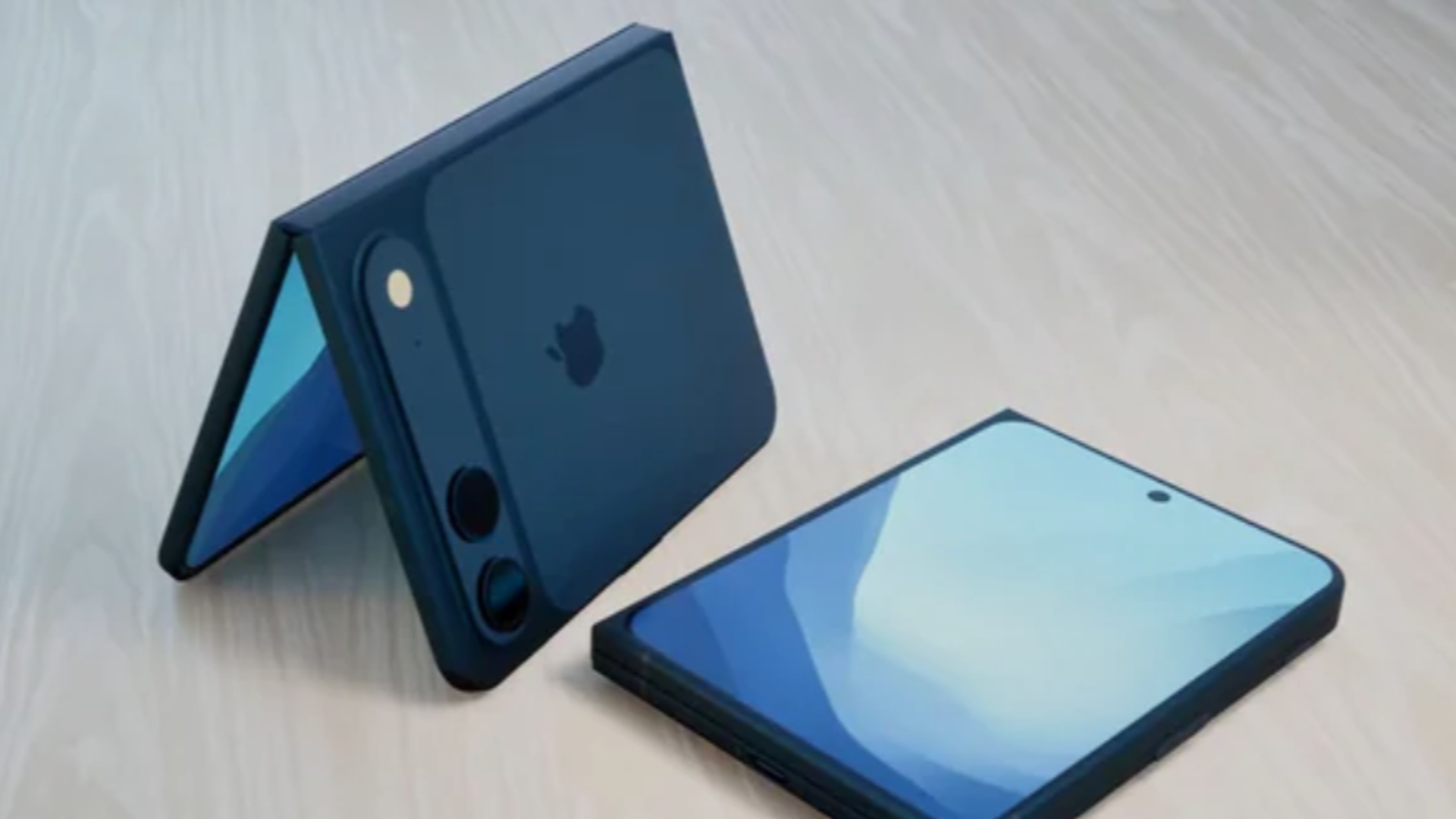
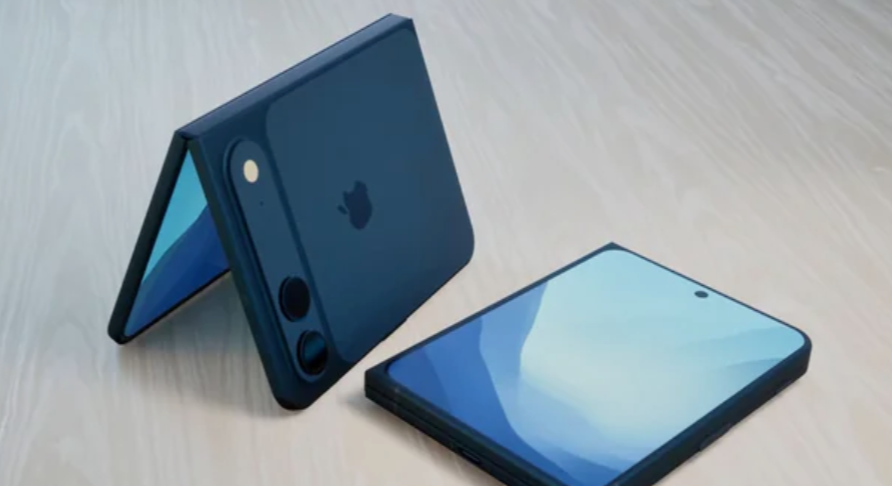
The most striking detail of the iPhone Fold leak is its form factor. Unlike the tall, narrow design of the Samsung Galaxy Z Fold series, Apple is reportedly opting for a "passport-style" layout.
- Wider Aspect Ratio: When closed, the device will feel wider and shorter than a standard iPhone 16 Pro Max. This design ensures that the cover screen is fully functional for one-handed use, avoiding the "remote control" feel of other foldables.
- The Internal Canvas: Once unfolded, the device reveals an nearly 8-inch display. This size is specifically chosen to mirror the utility of an iPad mini, making it a true productivity powerhouse.
- Slimmer Profile: To maintain Apple’s aesthetic standards, the device uses a "stacked" motherboard and a new high-strength alloy hinge to keep the folded thickness comparable to a standard iPhone in a case.
2. The Great Button Migration: Why You’ll Have to "Relearn" Your Phone
According to BGR, Apple is making a design choice that will baffle long-time users initially: moving the volume buttons to the top edge.
- Engineering Necessity: In a foldable chassis, the side rails are occupied by the complex hinge mechanism and the battery connectors. By moving the volume buttons to the top-right edge, Apple frees up internal space for a larger battery.
- Ergonomics in Folded Mode: When the phone is unfolded like a tablet, the top-edge buttons are easier to reach in a landscape orientation, similar to how volume buttons are placed on an iPad.
- Touch ID Integration: Due to the thinness of the folding screens, Face ID hardware is difficult to implement on the internal display. Leaks suggest a return to Touch ID, integrated into the power button on the side.
3. Specifications and Technical Performance
The iPhone Fold is being positioned as the "Ultra" tier of Apple’s lineup. To justify its premium price, it will feature hardware that outpaces the standard iPhone Pro models.
The 2nm A20 Processor
Apple is timing the release of the foldable to coincide with TSMC’s 2nm mass production.
- Efficiency: Foldables have two screens to power, requiring massive energy efficiency. The A20 chip is expected to offer a 15% performance boost and a 30% reduction in power consumption.
- Apple Intelligence: With 12GB of RAM as the minimum, the device will be a flagship for on-device AI, capable of generating complex content across the large internal display.
Revolutionary Display Tech
Apple’s biggest hurdle has been the "crease." To solve this, they are reportedly using:
- Laser-Drilled Support Plates: A flexible metal plate under the OLED panel that uses microscopic laser-cut patterns to allow the screen to bend without stretching the pixels.
- Self-Healing Lamination: A chemical coating that can "flow" into micro-scratches caused by dust particles getting caught in the fold.
4. Comparison Table: iPhone Fold vs. Market Leaders
To help you decide if the wait for Apple’s foldable is worth it, here is how the leaked specs compare to the current industry standard and Apple's current flagship.
5. The Camera "Plateau"
Another major leak focuses on the rear camera housing. Instead of the "stove-top" three-lens design, the iPhone Fold may introduce an all-black camera plateau.
- Integrated Design: The cameras are housed under a single sheet of darkened sapphire glass, making the sensors nearly invisible when not in use.
- Symmetry: This design allows the phone to lie flatter on a surface compared to the current Pro Max models, which have a significant "wobble" due to the camera bump.
- Sensor Quality: Despite the slimmer profile, Apple is expected to use a 48MP main sensor with a new "folded" lens (periscope) system for 5x or 10x optical zoom.
6. User Experience: How iOS Will Adapt
The hardware is only half the story. Apple is reportedly developing a "Foldable UI" layer for iOS that will change based on the angle of the device.
- Flex Mode: When folded at 90 degrees, the bottom half of the screen becomes a dedicated keyboard or trackpad, while the top half displays the app (perfect for emails or coding).
- Continuity: Opening the phone while an app is active will instantly transition the app from a mobile layout to a tablet layout without lag.
- Multi-Window Multi-Tasking: The wider aspect ratio allows for two full-sized iPhone apps to run side-by-side, a significant upgrade over the cramped multitasking on the Galaxy Fold.
7. Why Apple Waited: The EEAT Perspective
From an Expertise and Trustworthiness (EEAT) standpoint, Apple’s delay is a strategic move to ensure durability.
- Durability Standards: While Samsung was first to market, their early models suffered from screen failures. Apple’s "Passport" design is rumored to have passed a 300,000-fold stress test—equivalent to 10 years of heavy use.
- Market Maturity: Apple typically waits for a technology to reach 20% market penetration among early adopters before entering with a "perfected" version.
FAQ: Everything You Need to Know
Q: When is the iPhone Fold release date?
A: Most supply chain analysts, including Ming-Chi Kuo, point to a late 2026 announcement with a mass-market release in early 2027.
Q: Will the iPhone Fold have a visible crease?
A: Apple is aiming for a "crease-less" experience. By using a laser-drilled support plate and a thicker flexible glass layer, the crease is expected to be significantly less visible than on current Samsung or Pixel foldables.
Q: Why are the volume buttons on the top?
A: This is an engineering trade-off. To keep the device thin while accommodating a large hinge and a high-capacity battery, the side rails had to be cleared of traditional wiring for buttons.
Q: How much will the foldable iPhone cost?
A: Expect a premium. Rumors suggest a starting price between $1,999 and $2,499, depending on storage configurations.
Q: Will it support the Apple Pencil?
A: Yes, several patents suggest that the internal 8-inch display will support a new, thinner version of the Apple Pencil, further bridging the gap between the iPhone and iPad.
Final Thoughts
The iPhone Fold represents a "re-learning" of the smartphone experience. By moving buttons, widening the screen, and integrating a tablet-sized display into a pocketable device, Apple is preparing for the post-slab era. While the price and design changes may be jarring at first, the focus on a crease-free display and iPad-level productivity suggests that Apple’s first foldable will be well worth the wait.