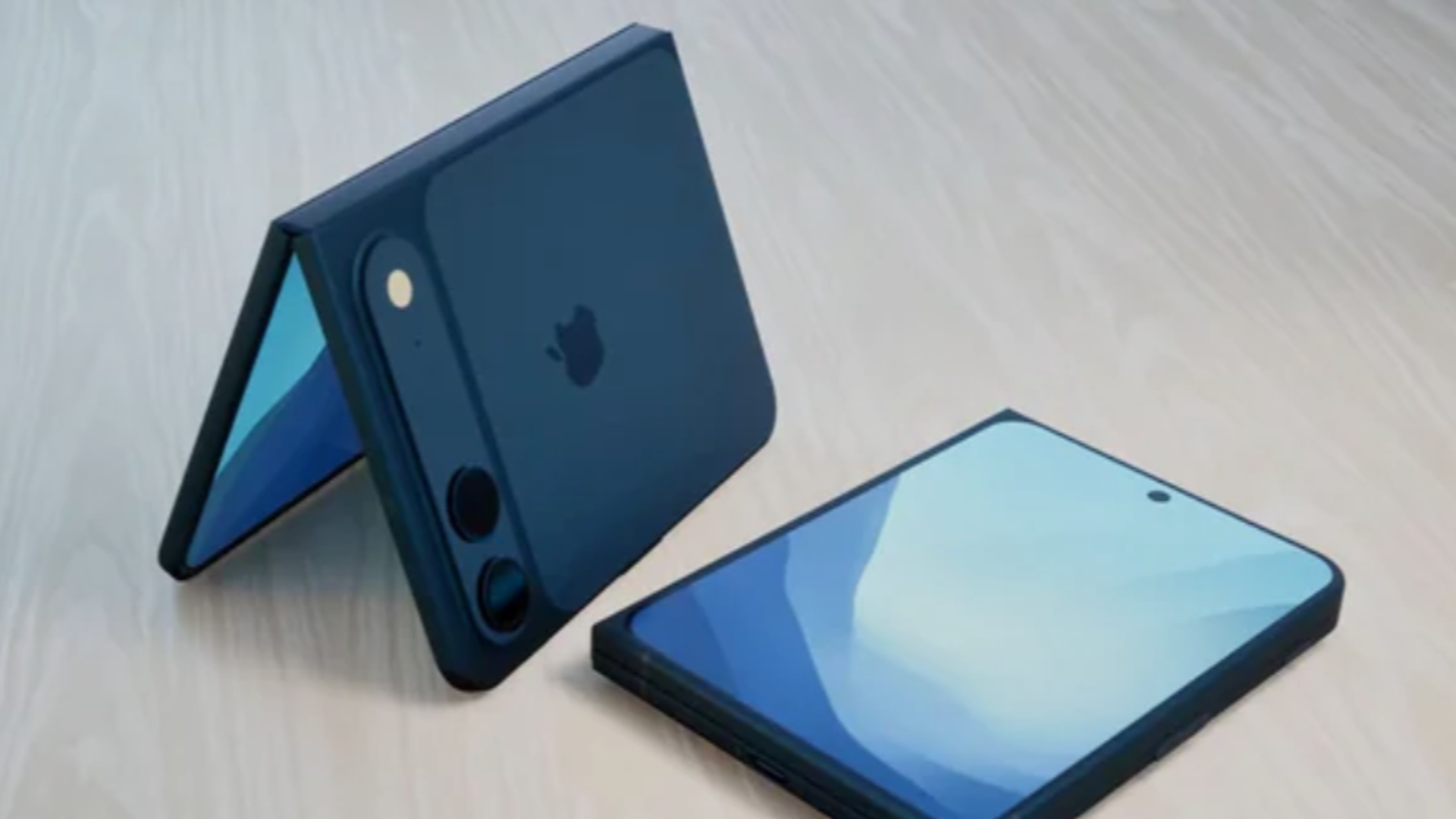
| Feature | iPhone Fold (Book) | iPhone Flip (Clamshell) | iPhone 17 Pro Max (Slab) |
|---|---|---|---|
| Main Display | 7.8-inch Foldable OLED | ~6.7-inch Foldable OLED | 6.9-inch LTPO OLED |
| Cover Display | 5.5-inch | ~1.9 to 3.4-inch | N/A |
| Processor | A20 Pro (2nm) | A20 (2nm) | A19 Pro (3nm) |
| RAM | 12GB | 8GB – 12GB | 12GB |
| Hinge Material | Liquidmetal / Stainless | Titanium / Aluminum | N/A |
| Biometrics | Touch ID (Side) | Touch ID (Side) | Face ID |
| Estimated Price | $1,999 – $2,399 | $1,099 – $1,299 | $1,199+ |
| Release Date | Late 2026 | 2027 (Exploration) | September 2025 |
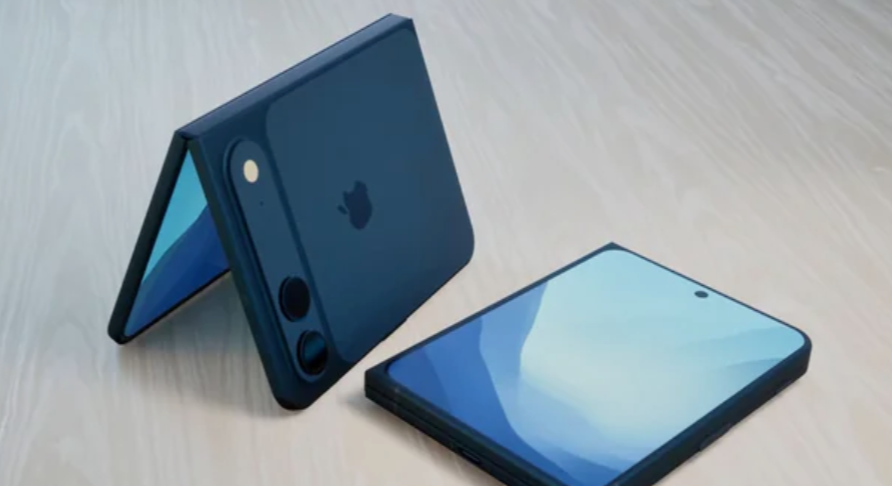
Apple is officially preparing to enter the foldable market with a dual-pronged strategy involving a high-end book-style "iPhone Fold" and a compact "iPhone Flip." Recent leaks from industry insiders and supply chain reports suggest a revolutionary design that prioritizes a crease-free display and massive performance upgrades via the 2nm A20 chip.
The iPhone Fold is Apple’s upcoming foldable smartphone, expected to debut in late 2026 or early 2027. It will likely feature a 7.8-inch internal display that opens like a book, a 5.5-inch external cover screen, and a "passport-style" wider aspect ratio. Alongside this flagship, Apple is exploring a square clamshell "iPhone Flip" focused on portability. Key specifications include the 2nm A20 Pro processor, 12GB of RAM, and a revolutionary "Liquidmetal" hinge designed to eliminate the screen crease.
Introduction
The era of the "flat rectangle" iPhone is nearing its evolution. After years of patents and internal testing, Apple is finally finalizing the design for its first foldable device. This article explores the leaked specifications, design philosophies, and market positioning of the iPhone Fold based on the latest reports from Bloomberg, Ming-Chi Kuo, and supply chain leaks.
The Dual-Design Strategy: iPhone Fold vs. iPhone Flip
Recent reports indicate that Apple is not just building one foldable, but exploring two distinct form factors to satisfy different user segments.
1. The Flagship "iPhone Fold" (Book-Style)
- Form Factor: Similar to the Samsung Galaxy Z Fold but with a wider, shorter aspect ratio (often described as "passport-style").
- Primary Use: High-end productivity, gaming, and media consumption.
- Unfolded Display: Expected to be approximately 7.7 to 7.8 inches, nearly matching the size of an iPad mini.
2. The "iPhone Flip" (Clamshell-Style)
- Form Factor: A vertical folder that collapses into a pocket-friendly square, much like the Galaxy Z Flip series.
- Primary Use: Portability and lifestyle-focused convenience.
- Status: Currently in the "exploration" phase at Apple’s labs, with a potential release window of 2027 if the primary Fold model succeeds.
Technical Specifications and Performance
The iPhone Fold is rumored to be a powerhouse, sitting at the very top of Apple's product hierarchy.
The 2nm A20 Pro Processor
Apple is reportedly timing the iPhone Fold launch with the debut of its 2nm silicon process.
- Efficiency: Up to 30% more power-efficient than the current 3nm chips.
- Performance: Expected to feature a "Wafer-Level Multi-Chip Module" (WMCM) that integrates RAM directly onto the chip for lightning-fast Apple Intelligence (AI) processing.
- Memory: Standardized at 12GB of RAM to handle the intensive multitasking requirements of a foldable display.
Revolutionary Hinge and Display Technology
The biggest hurdle for foldables has always been the "crease." Apple is reportedly using several innovations to solve this:
- Liquidmetal Alloy: Apple is testing a metallic glass alloy (Liquidmetal) for the hinge components. It is stronger, lighter, and more flexible than titanium.
- Crease-less OLED: Working with Samsung Display, Apple has trademarked a custom lamination process that uses a laser-drilled metal support plate to disperse stress, resulting in a nearly invisible crease.
- Self-Healing Coating: Patents suggest a special material that can "heal" minor scratches or dents caused by folding.
Camera Systems and Biometrics
Apple is making interesting trade-offs to accommodate the complex folding hardware.
- Rear Cameras: A dual-lens 48MP setup (Main and Ultra-wide) housed in a slim "camera plateau" similar to the rumored iPhone Air design.
- Front Cameras: A punch-hole camera on the outer 5.5-inch screen and a high-resolution 24MP under-display camera (UDC) on the interior for a seamless viewing experience.
- Touch ID Returns: Due to the thinness of the device and the complexity of the folding screen, Face ID may be replaced by a Touch ID sensor integrated into the power button, similar to the iPad Air.
Comparison: iPhone Fold vs. iPhone Flip vs. iPhone 17 Pro Max
Why Apple Waited: The "Perfect or Not at All" Philosophy
While competitors like Samsung and Google are several generations into their foldable journey, Apple has stayed on the sidelines. According to industry analysts, this delay is intentional:
- Durability Standards: Apple requires the screen to withstand significantly more fold cycles than current industry standards before approval.
- Software Optimization: iOS is being heavily modified to support "Continuity," where an app on the small screen transitions seamlessly to the large screen with a desktop-like layout (similar to iPadOS).
- The Crease Problem: Steve Jobs’ legacy of "perfect design" means Apple refused to launch a device with a visible blemish in the middle of the screen until the technology matured.
The Marketing Impact: A New Ultra-Premium Tier
The iPhone Fold is not intended to replace the Pro Max. Instead, it will create a new "Ultra" or "Fold" tier.
- The Price Tag: With a Bill of Materials (BoM) estimated at over $750, retail prices are expected to start at $1,999 .
- Market Positioning: Apple is targeting the business executive and creative professional who currently carries both an iPhone and an iPad mini.
Step-by-Step: How the iPhone Fold Will Change Your Workflow
If you are considering switching to a foldable iPhone, here is how the leaked features will likely function:
- Compact Carry: You carry a device that is roughly the footprint of a passport but twice the thickness of a standard iPhone.
- Quick Interaction: Use the 5.5-inch outer screen for texting, Apple Pay, and notifications.
- Seamless Expansion: Open the device to trigger "Fold Mode," where the UI expands. A video playing on the small screen will instantly jump to a cinematic 4:3 view on the 7.8-inch screen.
- Desktop Multitasking: Use a new split-screen gesture to run two apps side-by-side—for example, a Zoom call on the top half and Notes on the bottom half.
- Hands-Free Utility: Use "Flex Mode" to prop the phone up at a 90-degree angle to take stable photos or watch videos without a tripod.
FAQ: Frequently Asked Questions
Q: When will the iPhone Fold be released?
A: Most credible leakers, including Ming-Chi Kuo and Jeff Pu, point to a mass production window in late 2026, meaning a launch alongside the iPhone 18 series is most likely.
Q: Will the iPhone Fold have a visible crease?
A: Apple is specifically working to eliminate the crease using a new "liquid metal" hinge and a chemically strengthened flexible display. Rumors suggest it will be the most "invisible" crease in the industry.
Q: Can I use an Apple Pencil with the iPhone Fold?
A: Some patents suggest Apple Pencil support for the large internal display, which would align with the device's positioning as a "pocket iPad," though this is not yet confirmed by supply chain leaks.
Q: Is there an iPhone Flip coming too?
A: Apple is currently exploring a clamshell "iPhone Flip" design in its labs, but it is considered a secondary project that may launch a year or two after the primary book-style Fold.
Q: How much will the foldable iPhone cost?
A: Expect a premium price. Most analysts estimate a starting price between $1,999 and $2,400 due to the high cost of the folding OLED panels and the 2nm A20 chip.