| Feature | GPTZero |
|---|---|
| Overall Accuracy | 99.3% |
| False Positive Rate | 0.24% |
| Latest AI Models | GPT-5, Gemini 2.5, Claude Sonnet |
| Key Features | Authorship Verification, Source Finder |
| File Support | PDF, DOCX |
| Integrations | LMS |
As artificial intelligence rapidly reshapes how we create digital content, distinguishing between human ingenuity and machine-generated text has become increasingly difficult. You might frequently find yourself wondering if that important email, academic essay, or blog post was actually written by a real person. Consequently, the need for absolute transparency and integrity in communication is more critical now than ever before.
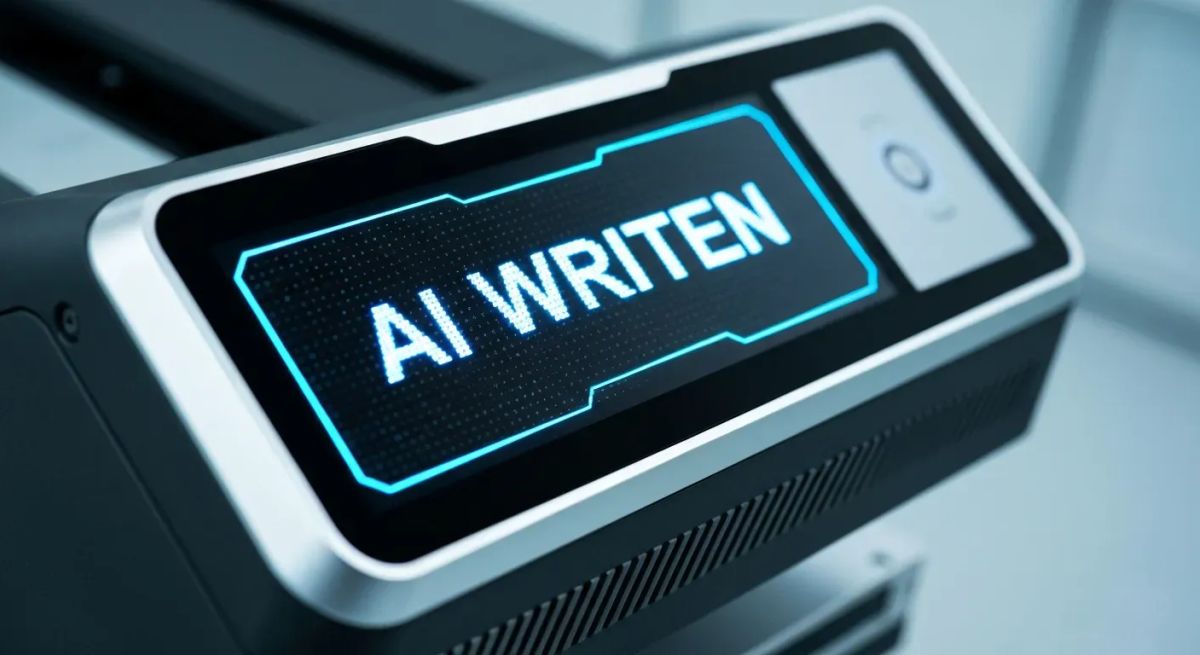
To navigate this sophisticated landscape effectively, relying on a robust AI written detector is essential for maintaining authenticity in your work. With so many advanced tools currently flooding the market, choosing the right software can often feel overwhelming and confusing. Two distinct contenders, GPTZero and Copilot, have emerged as leading choices for identifying synthetic writing patterns.
In this comprehensive guide, we will compare GPTZero and Copilot head-to-head to determine which tool offers superior detection accuracy in 2026. We will carefully analyze their unique features, specific performance metrics, and pricing structures to help you make a fully informed decision. Read on to discover which platform is the ultimate solution for your specific content verification needs.
Top AI Detection Tools for 2026
Navigating the landscape of AI-generated content requires robust tools. This guide highlights leading AI written detector solutions for 2026. Each offers distinct strengths in identifying AI authorship and ensuring content integrity. Understanding their capabilities helps users select the best AI written detector for their needs.
1. GPTZero
GPTZero leads as a premier AI detection tool. It achieves a 99.3% overall accuracy rate with a low 0.24% false positive rate . This tool effectively identifies content from advanced AI models like GPT-5, Gemini 2.5, and Claude Sonnet.
GPTZero offers in-depth scans and AI vocabulary analysis. Its 'Writing Replay' feature verifies authorship. A source finder aids in tracing content origins. The tool also includes plagiarism scanning. It supports PDF and DOCX file uploads. Integrations with learning management systems (LMS) are available.
2. Copyleaks
Copyleaks integrates advanced plagiarism detection with AI. It distinguishes between various content styles. The tool achieves 90.7% overall accuracy . Its false positive rate stands at 5.26% . Copyleaks may struggle with paraphrased AI content.
This AI written detector adapts to diverse industries. It offers LMS integrations. Copyleaks provides both free and paid packages. Users can customize settings for flexible AI plagiarism checker functionalities.
3. Originality.AI
Originality.AI functions as a stringent AI text detector. It meticulously evaluates writing style and context, providing a robust method for identifying AI-generated content. Educators find it valuable for detailed originality reports.
The tool faces challenges with newer AI models. It exhibits a 4.79% false positive rate . Originality.AI might also have issues with live web data. It offers free plagiarism and originality reports.
4. Winston AI
Winston AI detects AI-generated text by recognizing subtle writing pattern shifts. It offers an originality ranking model. This AI written detector demonstrates high AI writing accuracy. Features include image scanning and text comparison.
Winston AI is useful for educational assessments. It provides a free trial. The tool also functions as an AI plagiarism checker. It offers writing feedback to enhance AI writing integrity.
Selecting the right AI written detector depends on specific needs. GPTZero offers the highest accuracy. Copyleaks and Originality.AI provide broader plagiarism checks. Winston AI focuses on writing pattern analysis.
Choosing the Right AI Writing Detection Tool in 2026
Selecting a reliable AI written detector requires analyzing specific performance metrics. You must prioritize data points over general marketing claims. The 2026 market offers distinct tools with varying capabilities for educators and businesses.
Accuracy vs. False Positives
The balance between overall accuracy and false positive rates defines a tool's reliability. A high false positive rate risks misidentifying human-written text as AI-generated. GPTZero delivers an impressive 99.3% accuracy and maintains a specific false positive rate of just 0.24% .
Copyleaks and Originality.AI show higher false positive rates in comparison, increasing the chance of error during verification. Users demanding precision often favor tools with documented low error margins.
| Tool Name | Accuracy | False Positive Rate | Primary Risk |
|---|---|---|---|
| GPTZero | 99.3% | 0.24% | Low |
| Copyleaks | Variable | Higher | Human text flagged as AI |
| Originality.AI | Variable | Higher | Human text flagged as AI |
Key Features to Consider
Do not limit your evaluation to detection scores alone. Look for specific capabilities like advanced scans and AI vocabulary analysis. GPTZero includes "Writing Replay" to verify authorship by tracking the document creation process.
Feature Highlight: Authorship verification tools track the writing process to confirm human input.
Additional functions include plagiarism checking and direct file upload support. LMS integrations allow the software to work within existing educational systems. These features turn a simple scanner into a comprehensive verification platform.
Pricing and Value
Cost structures vary significantly across the industry. Most tools offer free trials or limited free scans to test the service. GPTZero and Winston AI provide clear, tiered pricing models based on feature access and usage limits.
Copyleaks and Originality.AI offer flexible packages suited for different needs. You must assess which model aligns with your specific scan volume and budget. Compare the cost per scan against the feature set to determine true value.
FAQ (Frequently Asked Questions)
Q1: How accurate are AI detection tools in 2026?
A1: Accuracy varies across platforms. Top tools like GPTZero achieve over 99% accuracy in identifying AI content. However, no software guarantees 100% precision. Results should be viewed as probability indicators.
Q2: Can AI detectors accurately identify GPT-5 generated content?
A2: Yes, leading tools are engineered to recognize patterns from the latest models. In 2026, detectors successfully identify content from GPT-5, Gemini 2.5, and Claude Sonnet. They track unique sentence structures and predictability scores.
Q3: What is a false positive rate in AI detection?
A3: A false positive occurs when the tool incorrectly flags human-written content as AI-generated. This metric is critical; a high rate unfairly penalizes authentic writers. Reliable detectors maintain low false positive rates.
Q4: Are AI plagiarism checkers different from AI content detectors?
A4: Yes, these tools perform distinct functions. Plagiarism checkers identify copied text, while AI detectors analyze generation origins.
| Feature | AI Plagiarism Checker | AI Content Detector |
|---|---|---|
| Primary Target | Copied/Stolen Text | AI-Generated Text |
| Mechanism | Database Matching | Pattern Analysis |
| Detection Scope | Existing Web Content | GPT-5, Gemini 2.5, etc. |
Q5: How can I improve my AI writing assessment?
A5: Enhance your evaluation by understanding detection limitations. Cross-reference text through multiple tools to verify findings. Also, look for contextual clues like factual inconsistencies or repetitive phrasing alongside software analysis.
Conclusion
In the dynamic landscape of 2026, the rivalry between GPTZero and Copilot highlights the critical need for precise content analysis. While GPTZero sets new benchmarks, utilizing a reliable AI written detector is essential for upholding the highest standards of content authenticity. Understanding the unique strengths of each checker ensures you effectively navigate the evolving nuances of AI authorship.
To find your ideal software match, carefully evaluate your specific needs regarding writing integrity and accuracy benchmarks. You should actively test free trials of these leading tools, paying close attention to their performance on your specific content types. This practical evaluation helps you choose the tool that best aligns with your requirements for rigorous AI assessment.
Don't leave your content's reputation to chance; choose the detection tool that best secures your writing's credibility today. By committing to the right verification software, you ensure that your work remains trustworthy and authentic in this era of automation. Start your journey toward impeccable content quality now and lead with confidence.