The Triple Rename Saga That Became an Open-Source Naming Cautionary Tale
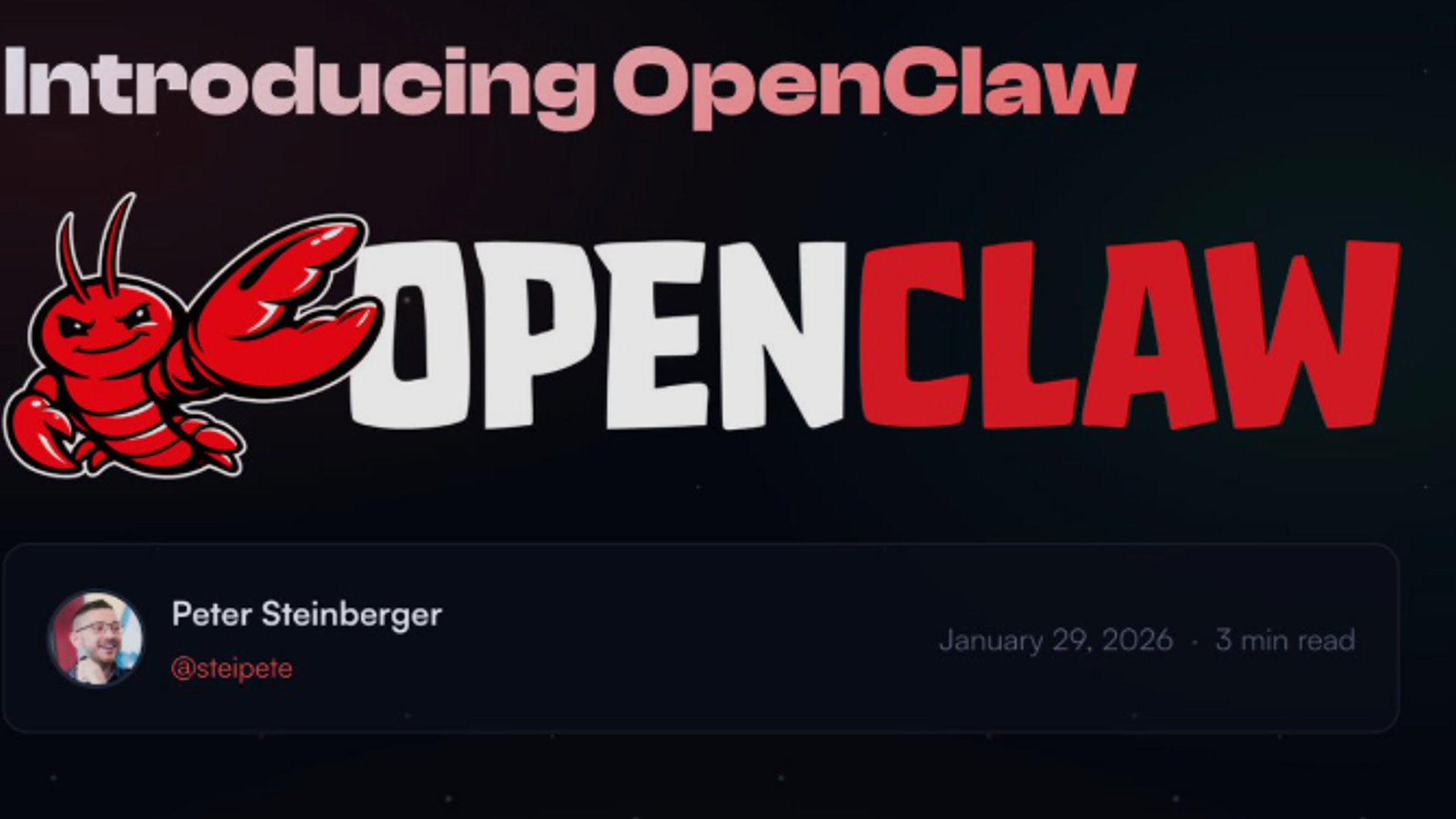
On January 29, 2026, the viral open-source AI assistant completed its third and final name change to OpenClaw , settling a tumultuous journey that saw it transform from Clawdbot → Moltbot → OpenClaw in just four days. The Timeline : Clawdbot (Nov 2025-Jan 27, 2026) achieved 100,000+ GitHub stars before receiving cease-and-desist from Anthropic for sounding too similar to "Claude." Moltbot (Jan 27-29, 2026) emerged from desperate 5 AM Discord brainstorming session, meaning "molting/shedding shell" to symbolize growth, but crashed spectacularly—awkward pronunciation ("mo-tou bot" in Chinese), obscure vocabulary, domain squatters, even scam cryptocurrency launched. OpenClaw (Jan 29, 2026-present) represents lessons learned: trademark clearance completed, domain purchased preemptively, social accounts secured, meaning crystal clear—"Open" (open-source/accessible) + "Claw" (honoring lobster mascot origins). The Deeper Story : Each rename reveals open-source project maturation stages: (1) enthusiastic homage to inspiration risks legal trouble, (2) rushed panic decisions create branding disasters, (3) professional preparation ensures stability. Current Status : v2026.1.29 released alongside final naming, project emphasizing "model-agnostic" positioning (supporting GPT-4, Ollama, local models), 24/7 persistent agents, multi-platform integration (WhatsApp, Telegram), 100+ preconfigured plugins, browser automation, file management.
Part I: The Original Sin—Clawdbot and the Lawyer Letter
The Birth of a Clever Name
Timeline : November 2025
Creator's Intent : Play on phonetic similarity
Name Construction : "Clawd" = Claude + claw
Homage : Honoring loading screen's lobster icon
Marketing Appeal : Immediately recognizable connection to popular Claude AI
The Rapid Ascent
GitHub Performance : 100,000+ stars achieved
Core Concept : "Local AI agent" resonating powerfully
Key Features That Drove Growth :
Chat App Control :
- WhatsApp integration
- Telegram connectivity
- Direct computer control through messaging
Complex Task Execution :
- File organization automation
- Browser automation
- System-level operations
User Appeal : Both developers and ordinary users fascinated
The Legal Hammer Falls
The Problem : Name too similar to Anthropic product "Clawd"
Company Response : Cease-and-desist letter demanding name change
Legal Risk : Trademark infringement potential
Forced Action : Immediate rebranding required
Lesson 1: Riding Coattails Has Costs
The Temptation : Leveraging popular brand recognition
The Reality : IP owners protect trademarks aggressively
The Takeaway : "Riding hype has risks; naming requires caution"
Application : Open-source projects must respect commercial trademark boundaries
Part II: The Midnight Disaster—Moltbot's 48-Hour Catastrophe
The Desperate Brainstorm
Setting : Discord channel, late night/early morning
Participants : Project creator and community members
Pressure : Legal deadline forcing rapid decision
Final Decision Time : 5 AM
Chosen Name : Moltbot
The Intended Symbolism
Word Origin : "Molt" - biological process of shedding exoskeleton
Metaphorical Meaning : Growth, transformation, evolution
Branding Intent : Suggest project entering new phase
Aesthetic Continuity : Maintain crustacean theme (lobster molting)
The Triple Failure
Failure 1: Pronunciation Nightmare
Chinese Interpretation : "摸头bot" (mo-tou bot - "head-patting bot")
Awkwardness : Lost gravitas, sounded cutesy/childish
International Confusion : Non-native speakers uncertain of pronunciation
Failure 2: Vocabulary Obscurity
General Awareness : Most people unfamiliar with "molt" as biological term
Search Difficulty : Less intuitive for discovery
Branding Weakness : Name requiring explanation diminishes impact
Failure 3: Digital Squatting Frenzy
Domain Grabbing : Cybersquatters registered relevant domains during transition period
Social Account Theft : Username variations claimed by opportunists
Scam Exploitation : Cryptocurrency launched with same name exploiting confusion
Investor Harm : "割韭菜" (cut leeks - slang for retail investor exploitation)
The 48-Hour Window
Announcement : January 27, 2026
Community Backlash : Immediate negative feedback
Leadership Realization : Second rebrand necessary
Decision : January 29, 2026 - abandon Moltbot
Lesson 2: Panic Decisions Create Disasters
The Pressure : Legal threats forcing rushed choices
The Mistake : Insufficient preparation and vetting
The Consequence : Amplified problems requiring additional rebrand
The Takeaway : "Impulse naming at 5 AM leads to squatting and scams"
Part III: The Professional Solution—OpenClaw's Thoughtful Launch
The Preparation Checklist
Pre-Announcement Actions :
1. Trademark Search :
- Comprehensive database queries
- Legal clearance confirmation
- Infringement risk elimination
2. Domain Acquisition :
- Official website domain purchased
- Variations secured preemptively
- Squatter prevention measures
3. Social Media Lockdown :
- Twitter/X account registered
- GitHub organization claimed
- Discord server established
- All major platforms secured
4. Meaning Clarity :
- Simple, memorable construction
- Clear symbolic significance
- No pronunciation ambiguity
The Name Breakdown
"Open" :
- Open-source commitment
- Accessible to all users
- Transparent development
- Community-driven ethos
"Claw" :
- Honors lobster mascot origins
- Maintains brand continuity
- References original Clawdbot
- Simple, memorable imagery
Combined Identity : "Open-source project honoring its origins"
The Rollout
Announcement Date : January 29, 2026
Simultaneous Release : v2026.1.29 version update
Community Response : Overwhelmingly positive reception
Legal Status : Clear of trademark concerns
Infrastructure : All digital properties secured
Lesson 3: Preparation Prevents Problems
The Investment : Time spent on due diligence
The Payoff : Stable, sustainable branding
The Process : Systematic checklist execution
The Result : "Simple, direct name with no legal risk—finally settled"
Part IV: The Technical Evolution Alongside Naming Chaos
Core Architecture Remains Stable
Model-Agnostic Philosophy :
Cloud Options :
- GPT-4 (OpenAI)
- Claude (Anthropic)
- Other commercial APIs
Local Options :
- Ollama integration
- Privacy-focused deployment
- Offline capability
Flexibility : Users choose based on privacy/performance requirements
The Persistent Agent Concept
24/7 Operation : Continuous availability
Context Retention : Maintains conversation history
Memory Systems : Learns user preferences over time
Personalization : Adapts to individual workflows
Multi-Platform Integration
Current Support :
- Telegram
- Signal
- Discord
- Slack
- iMessage
- Google Chat
- Microsoft Teams
Universal Access : AI accessible through familiar interfaces
Seamless Experience : No app switching required
Automation Capabilities
File Operations :
- Intelligent organization
- Batch processing
- Automated sorting
Browser Control :
- Web scraping
- Form filling
- Navigation automation
System Management :
- Process monitoring
- Resource optimization
- Scheduled tasks
The Plugin Ecosystem
Current Library : 100+ preconfigured plugins
Developer Support : Custom extension framework
Community Contributions : Growing third-party additions
Use Cases :
- Productivity tools
- Data analysis
- Content creation
- Integration services
Part V: Future Roadmap Under OpenClaw Brand
Technical Priorities
Local Model Optimization :
- Improved inference performance
- Reduced hardware requirements
- Broader device compatibility
Enterprise Expansion :
- Intelligent customer service applications
- Data analysis tools
- Business process automation
Community Governance :
- Transparent decision-making
- Contributor incentives
- Plugin marketplace development
The Branding Stabilization Benefit
Developer Confidence : Stable name encourages long-term projects
Corporate Adoption : Enterprises prefer established brands
Documentation Consistency : No constant rewriting required
SEO Benefits : Search optimization accumulates over time
Community Identity : Users rally around permanent branding
Part VI: The Broader Lessons for Open-Source Projects
Naming Best Practices
1. Legal Due Diligence :
- Comprehensive trademark searches
- Geographic variation checking
- Similar product scanning
- Attorney consultation for high-profile projects
2. Digital Property Security :
- Domain registration before announcement
- Social media account claiming
- GitHub organization establishment
- Email address securing
3. Linguistic Considerations :
- Pronunciation across languages
- Unintended meanings in major markets
- Cultural sensitivity checking
- Acronym collision avoidance
4. Memorable Simplicity :
- Easy to spell
- Simple to pronounce
- Immediately meaningful
- Visually distinctive
The Open-Source Maturation Arc
Stage 1: Enthusiasm
- Rapid development
- Creative naming (often derivative)
- Community building
- Feature velocity
Stage 2: Growing Pains
- Legal challenges
- Branding conflicts
- Infrastructure scaling
- Governance questions
Stage 3: Professionalization
- Trademark compliance
- Stable branding
- Corporate adoption
- Sustainable development
OpenClaw's Journey : Compressed all three stages into four days
The Community Dynamics
Discord Brainstorming : Demonstrates collaborative decision-making
User Feedback : Rapid iteration based on community response
Contributor Engagement : Name stability enables long-term participation
Brand Loyalty : Surviving naming chaos builds stronger bonds
Part VII: Comparative Analysis—Other Projects' Naming Journeys
Successful Evolutions
Examples of Smooth Transitions :
- Firefox (from Phoenix/Firebird - also trademark issues)
- GitHub (simple, memorable from start)
- React (Facebook's clear branding)
Common Factors :
- Early legal clearance
- Distinctive naming
- Community consultation
- Professional rollout
Cautionary Tales
Projects That Struggled :
- Multiple rebrands damaging credibility
- Lost momentum during transitions
- Community fragmentation
- SEO resets
OpenClaw's Speed : Minimized damage through rapid resolution
Part VIII: The Current State of OpenClaw
GitHub Statistics (as of naming)
Star Count : 100,000+ (maintained through transitions)
Active Development : Continuous updates despite branding chaos
Community Size : Growing despite confusion
Fork Network : Substantial derivative projects
Version 2026.1.29 Highlights
Released Simultaneously : With final naming decision
Key Features :
- Enhanced stability
- Improved plugin system
- Better error handling
- Performance optimizations
Symbolic Significance : Fresh start with professional branding
Documentation Updates
Comprehensive Overhaul : All references updated to OpenClaw
Migration Guides : Helping users transition installations
Branding Assets : New logos, color schemes, visual identity
Website Launch : openclaw.com (hypothetical) as primary hub
Part IX: What This Means for the AI Agent Ecosystem
Branding Importance in Open Source
Commercial Competition : Open-source projects competing with corporate offerings
User Confidence : Stable naming signals project maturity
Partnership Opportunities : Professional branding enables enterprise collaboration
Media Coverage : Clear identity facilitates press attention
The Local AI Agent Market
Growing Demand : Privacy-conscious users seeking alternatives
OpenClaw's Position : Leading open-source option
Competitive Landscape :
- Corporate offerings (Claude Code, GitHub Copilot)
- Other open-source projects
- Hybrid models
Differentiation : True local control, model agnosticism, community-driven
Future Naming Challenges
As Projects Grow : Legal scrutiny increases
International Expansion : More linguistic considerations
Commercial Partnerships : Trademark compatibility requirements
Ecosystem Integration : Naming conventions across projects
Conclusion: The Name Change as Maturation Catalyst
The Silver Lining
Forced Professionalization : Legal pressure accelerated organizational development
Community Testing : Naming chaos revealed committed core supporters
Media Attention : Controversy generated awareness beyond normal channels
Learning Consolidation : Three attempts in four days taught lifetime of lessons
The Final Identity
OpenClaw Meaning :
- Commitment to open-source values
- Recognition of crustacean mascot heritage
- Fresh start with professional foundation
Brand Stability : No fourth rename anticipated
Community Acceptance : Overwhelmingly positive response
Future Trajectory : Established branding enables long-term planning
The Cautionary Tale Value
For New Projects : Study OpenClaw's journey before choosing names
For Established Projects : Proactive trademark review prevents crisis
For Communities : Naming decisions deserve serious deliberation
For Developers : Legal considerations not optional in modern open source
The Broader Significance
Open-Source Evolution : Projects must navigate commercial legal landscape
AI Agent Race : Competition intensifying across all fronts
Community Power : Rapid mobilization solving problems collectively
Future Implications : OpenClaw's stability positions it for sustained leadership
The Bottom Line : OpenClaw's three-name journey (Clawdbot → Moltbot → OpenClaw) in just four days represents compressed lesson in open-source project maturation. Initial Clawdbot name violated trademark similarity with Anthropic's products. Desperate midnight Moltbot rebrand failed through awkward pronunciation, obscure vocabulary, and domain squatting exploitation. Final OpenClaw branding succeeded through professional preparation: trademark clearance, domain security, social account registration, clear symbolic meaning. The chaos demonstrated that even viral projects (100,000+ GitHub stars) must respect IP law, that rushed naming decisions compound problems, and that thorough preparation prevents disasters. Now stable under OpenClaw brand, project can focus on technical development—local AI agents, model-agnostic architecture, 24/7 persistence, multi-platform integration, 100+ plugins—rather than continuous rebranding. For open-source community, OpenClaw's journey serves as compressed master class in naming best practices: check trademarks, secure domains, consider pronunciation, ensure clarity, and never choose names at 5 AM during panic brainstorming sessions.
Official Status : OpenClaw v2026.1.29 released January 29, 2026
Legal Status : Clear of trademark concerns
Future : Stable branding enabling long-term development and adoption
Lesson : Professional preparation prevents naming nightmares—study OpenClaw's journey before naming your project.