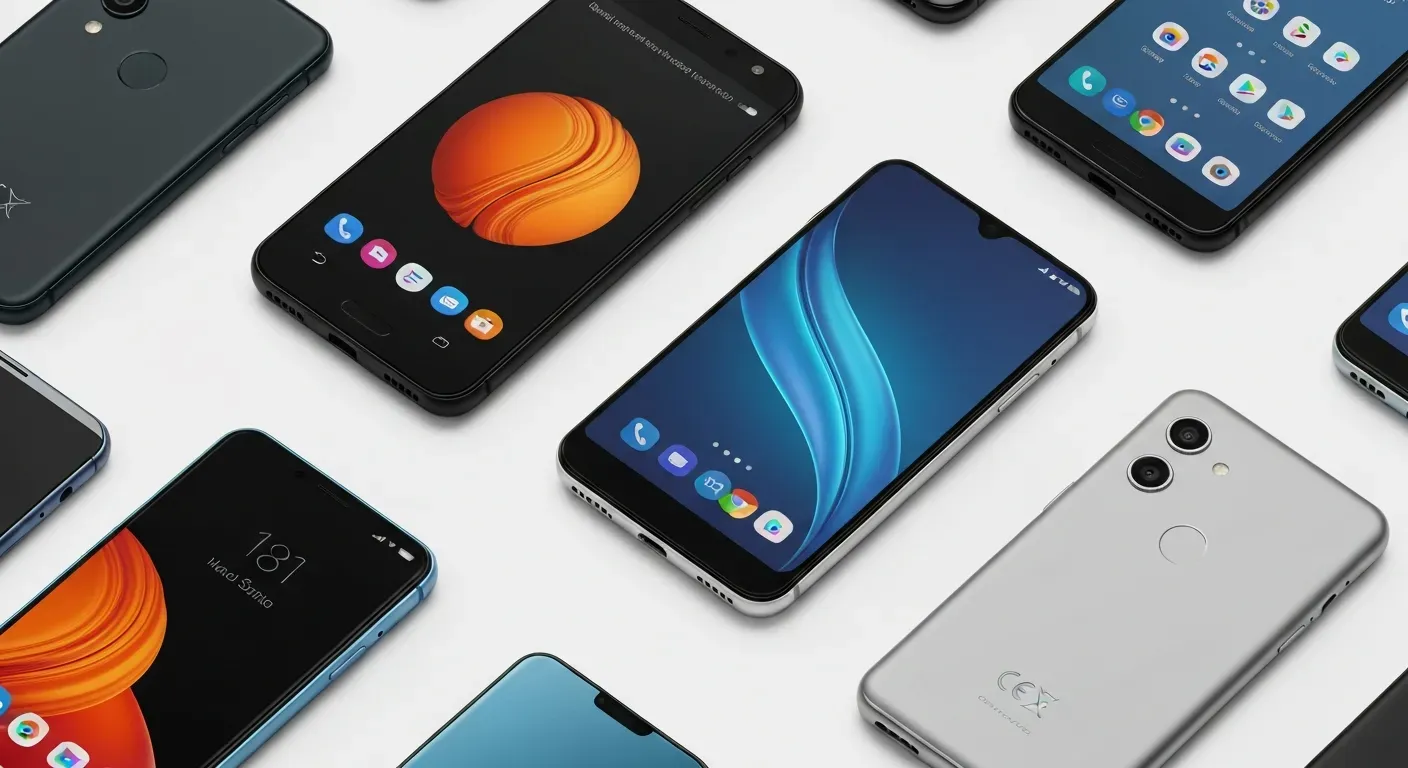
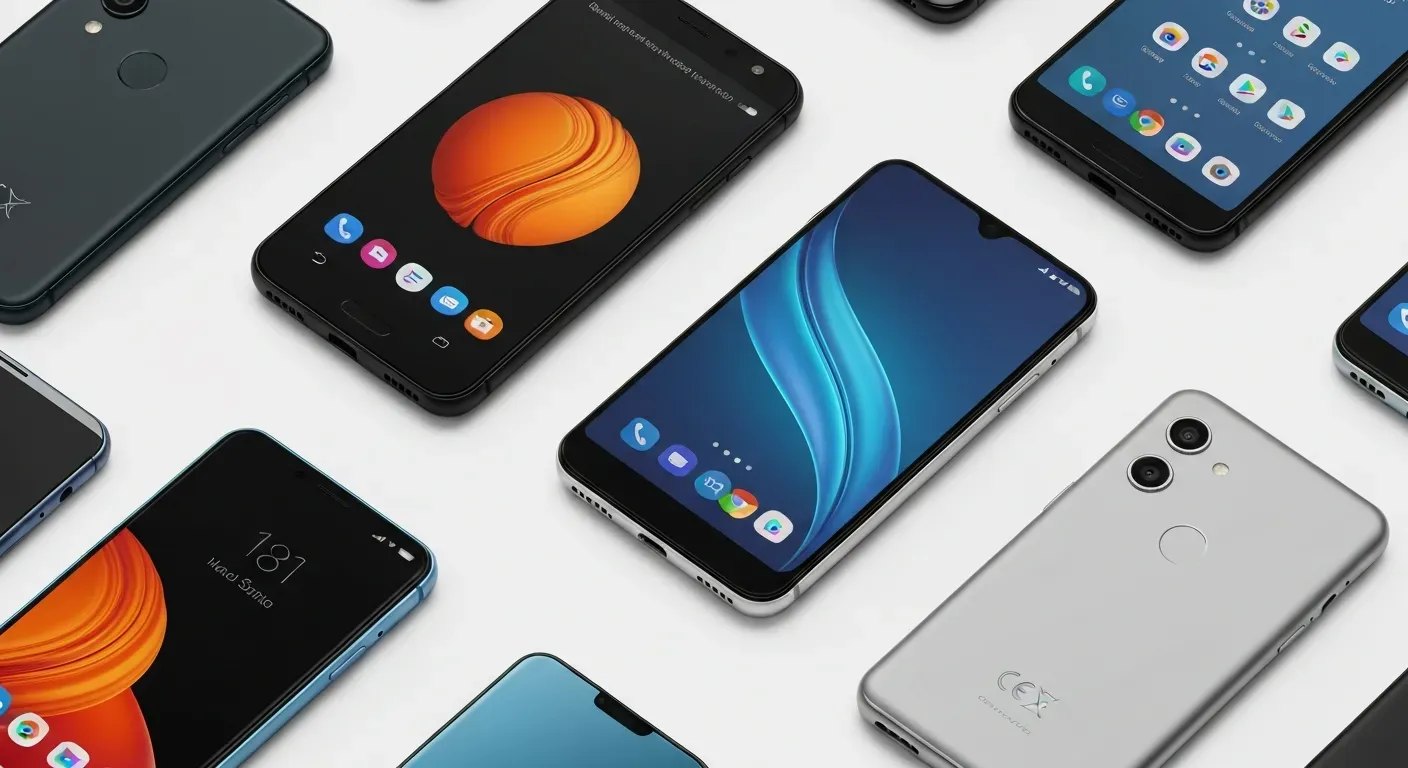
| Feature | VERTU Metavertu Max |
|---|---|
| Processor | Snapdragon 8 Gen 2 |
| Storage | 10TB Distributed |
| Security Chip | A5 Independent |
| Architecture | Triple-System |
| AI Integration | Web3 Dual-AI |
| Data Destruction | One-key |
In today's hyper-connected world, your personal data is constantly at risk from surveillance and cyber threats. Are you confident your digital life is truly private and secure? Protecting your sensitive information has become a critical concern for everyone.
Finding the most secure phone 2026 offers is essential for peace of mind. This guide dives deep into the cutting edge of mobile security, exploring devices engineered to keep your communications and data shielded from unauthorized access.
We'll reveal the top contenders, highlighting their advanced encryption, robust privacy features, and hardware-level security. Discover how to choose the perfect privacy-focused smartphone to safeguard your digital footprint.
Top 7 Most Secure Phones for Maximum Privacy in 2026
In 2026, safeguarding your digital life is paramount. As threats evolve, so do the devices designed to protect your data. This guide explores seven of the most secure phones, prioritizing privacy and data sovereignty for discerning users. These devices offer advanced security architectures, from hardware-level isolation to quantum encryption, ensuring your information remains yours.
1. VERTU Agent Q
The VERTU Agent Q elevates luxury with a strong focus on data sovereignty. It employs a 5-layer security architecture, including hardware-level isolation and sandboxed agents. A dedicated encrypted sanctum protects sensitive information. The device features a dedicated hardware encryption chip, designated A5, and its triple-system architecture ensures data isolation. For untraceable data storage, it offers 10TB of distributed storage. Advanced AI agents and proactive intelligent services work to protect user privacy. True luxury, for the Agent Q, is trusted security.
2. VERTU Quantum Flip
This foldable privacy phone, the VERTU Quantum Flip, delivers exceptional security. Its design incorporates quantum encryption, a quantum key, and the BB84 protocol. The phone features a three-finger biometric data self-destruction mechanism, capable of erasing data in milliseconds. Independent work, life, and privacy systems offer ultimate discretion. The construction uses aerospace-grade titanium alloy for durability. Advanced AI capabilities boost efficiency without compromising security.
3. VERTU Metavertu Max
The VERTU Metavertu Max merges flagship performance with robust security. It uses a Snapdragon 8 Gen 2 chip and provides 10TB of distributed storage. Its unique Triple-System architecture is powered by a dedicated security chip that handles data isolation and one-key destruction. A Web3 Dual-AI brain integrates blockchain with personal AI, creating a secure, intelligent 'second brain'. A bank-grade A5 independent secure chip protects cryptographic keys, offering superior protection against hacking and malware.
4. VERTU Metavertu Curve
Pioneering Web3 technology, the VERTU Metavertu Curve offers a dual-chip security system featuring an A5 independent security chip. This enables two separate operating systems: one for daily tasks and another for high-security operations. It provides up to 10TB of distributed, secure storage. The display is a 144Hz AMOLED curved panel. Flagship performance comes from the Snapdragon 8 Gen 1, and a professional triple-camera setup is included. Its dual-system architecture allows distinct fingerprint access to secure and private environments.
5. Purism Librem 5
The Purism Librem 5 prioritizes privacy with its Linux-based, open-source OS, PureOS. It grants users absolute control over data and hardware. Crucial hardware kill switches are present for the microphone, camera, and Wi-Fi. Baseband isolation further enhances security, making it an ideal secure smartphone for users prioritizing maximum privacy and physical security measures against surveillance.
6. Google Pixel 8
The Google Pixel 8 enhances privacy through a hardened Android OS. It includes the Titan M2 security chip, enabling sandboxed apps and minimal telemetry for robust Android security. The phone offers exploit mitigations and a transparent open-source base. Users can opt to run GrapheneOS for even greater protection, making it a strong choice for users balancing privacy and flexibility.
7. iPhone 15 Pro
The iPhone 15 Pro provides strong security and privacy within the Apple ecosystem. It features Apple's Secure Enclave and Face ID for secure authentication. iMessage and FaceTime utilize end-to-end encryption. Lockdown Mode offers enhanced protection. Its hardware-software integration ensures a secure user experience, making it a reliable option for users seeking a secure operating system with privacy by default.
Choosing the most secure phone 2026 depends on your specific needs. From luxury-focused data sovereignty to open-source control, these devices offer advanced protection. Evaluate their unique security architectures and features to find the best fit for your privacy demands.
Choosing Your Ultimate Privacy Phone in 2026
Selecting the most secure phone 2026 requires understanding your unique digital footprint. Your personal threat model dictates device choice. Consider if general surveillance, targeted attacks, or data breaches are your main concerns. This assessment guides you to the right privacy features and hardware.
Understanding Your Security Needs
Individuals handling sensitive data may need hardware security keys and dedicated encryption chips. General users might prioritize robust privacy features within familiar operating systems. Your specific concerns drive the selection of the most secure phone 2026 for your lifestyle.
Key Features to Prioritize
When evaluating privacy phones, look for strong encryption protocols and secure operating systems. Transparent data handling policies are essential. Features like hardware isolation, sandboxing, and secure boot processes matter. Minimal telemetry protects your device and data.
Consider phones with advanced security ratings. Regular, timely security updates combat evolving threats. Mobile device management capabilities benefit enterprise users. These elements contribute to identifying the most secure phone 2026.
| Feature | General User Focus | Sensitive Data User Focus |
|---|---|---|
| Encryption | Standard TLS 1.3 | AES-256 Hardware Encryption |
| OS Security | Regular Updates | Hardened OS, Secure Boot |
| Data Handling | Clear Policies | Zero-Knowledge Architecture |
| Hardware Security | Basic Isolation | Dedicated Security Chip |
| Updates | Bi-monthly | Monthly, Immediate Patching |
Balancing Security with Usability
Extreme security can impact user experience. The best secure smartphones balance protection with everyday use. Look for intuitive privacy controls. Clear explanations of security features aid understanding. Seamless integration into your digital life is key.
Modern privacy phones offer advanced AI features. Sophisticated user interfaces exist without compromising security. This accessibility broadens the appeal of the most secure phone 2026.
Understanding Smartphone Security in 2026
The digital landscape in 2026 presents evolving threats. Sophisticated spyware, AI-driven phishing, and complex data breaches demand secure smartphones. State-sponsored surveillance and corporate leaks remain concerns. Robust encryption and informed awareness form the first line of defense for your digital life. Identifying the most secure phone 2026 requires understanding these risks.
The Evolving Threat Landscape
In 2026, threats grow more advanced. Expect sophisticated spyware targeting personal data. AI powers increasingly convincing phishing attacks, aiming for credential theft. Large-scale data breaches continue to expose sensitive information. State-sponsored surveillance and corporate data leaks present persistent risks. Staying informed about these evolving dangers is crucial.
Core Security Technologies Explained
Secure smartphones rely on several key technologies. End-to-end encryption protects communications. Hardware-backed security chips, like Google's Titan M2 or Apple's A5, secure sensitive data. Secure operating systems use sandboxing to isolate apps. Biometric authentication, such as fingerprint or facial recognition, adds another layer. Secure boot verifies OS integrity at startup. Hardware kill switches offer physical control over components. These provide layered protection.
Android vs. iOS: A Security Snapshot
Both Android and iOS offer strong security in 2026. Android's open nature allows customization. Users can install alternative secure operating systems like GrapheneOS. This appeals to those wanting greater control.
iOS employs a tightly integrated hardware and software approach. This "walled garden" model prioritizes ease of use. It offers strong default privacy features. The choice between platforms often hinges on user preference for control versus simplicity.
| Feature | Android (Advanced User) | iOS (General User) |
|---|---|---|
| OS Flexibility | High (custom ROMs possible) | Low (controlled ecosystem) |
| Customization | Extensive | Limited |
| App Store | Google Play Store (and alternatives) | Apple App Store (curated) |
| Hardware/Software Integration | Varies by manufacturer | Tight integration |
| Security Focus | User control, open-source options | Default privacy, curated experience |
Choosing the most secure phone 2026 depends on individual needs and technical comfort.
FAQ (Frequently Asked Questions)
Q1: What makes a phone a 'privacy phone'?
A1: A 'privacy phone' is built with user data protection as its primary goal. These devices minimize tracking and unauthorized access, often featuring strong encryption and robust privacy controls.
Q2: How can I protect my phone from surveillance?
A2: Use strong, unique passwords and enable two-factor authentication. Be mindful of app permissions, keep software updated, and consider using a VPN. Devices with hardware kill switches or secure OS options offer enhanced protection.
Q3: Are encrypted phones truly secure?
A3: Encrypted phones offer significant security, provided encryption is implemented correctly and there are no other compromises. End-to-end encryption for communications and full-disk encryption are key security components.
Q4: What are the best security ratings for smartphones?
A4: The highest ratings go to devices passing rigorous independent testing for hardware security, software integrity, and privacy. Look for certifications covering encryption, secure boot, and exploit protection.
Q5: Can I improve my Android security?
A5: Yes, by regularly updating your OS and apps, installing from trusted sources, enabling Google Play Protect, and using strong screen locks. Advanced users can consider custom secure operating systems.
Conclusion
In 2026, safeguarding your digital life is paramount, and selecting the most secure phone 2026 is a foundational step. These devices offer robust defenses against evolving threats, ensuring your personal information remains protected from breaches and surveillance. Prioritizing a secure smartphone is an investment in your peace of mind and digital sovereignty.
To achieve maximum privacy, carefully evaluate your individual needs and research devices with top-tier encryption and security certifications. Stay abreast of the latest security advancements and potential vulnerabilities, empowering you to make informed decisions. Whether a specialized privacy device or a mainstream option, understanding its security features is crucial for effective protection.
Don't delay in securing your digital future. Make an informed choice today and embrace the power of a truly protected device and data. Your privacy is worth it, and the most secure phone 2026 is within your reach.