



Best Phone for Developers: Complete Ranking List
Discover best phone for developers - Expert guide with comprehensive information, detailed recommendations, and valuable insights to help you make informed decisions.
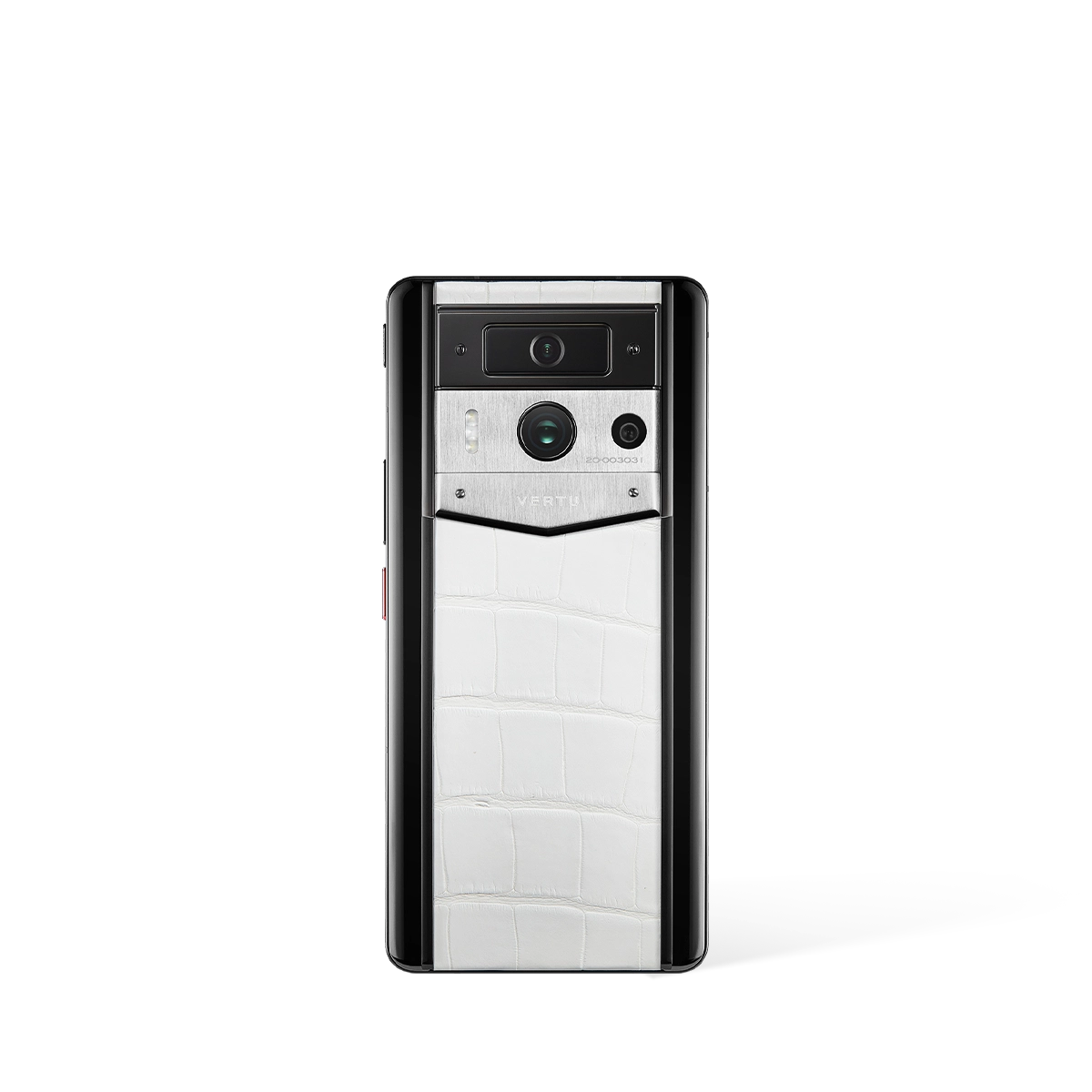
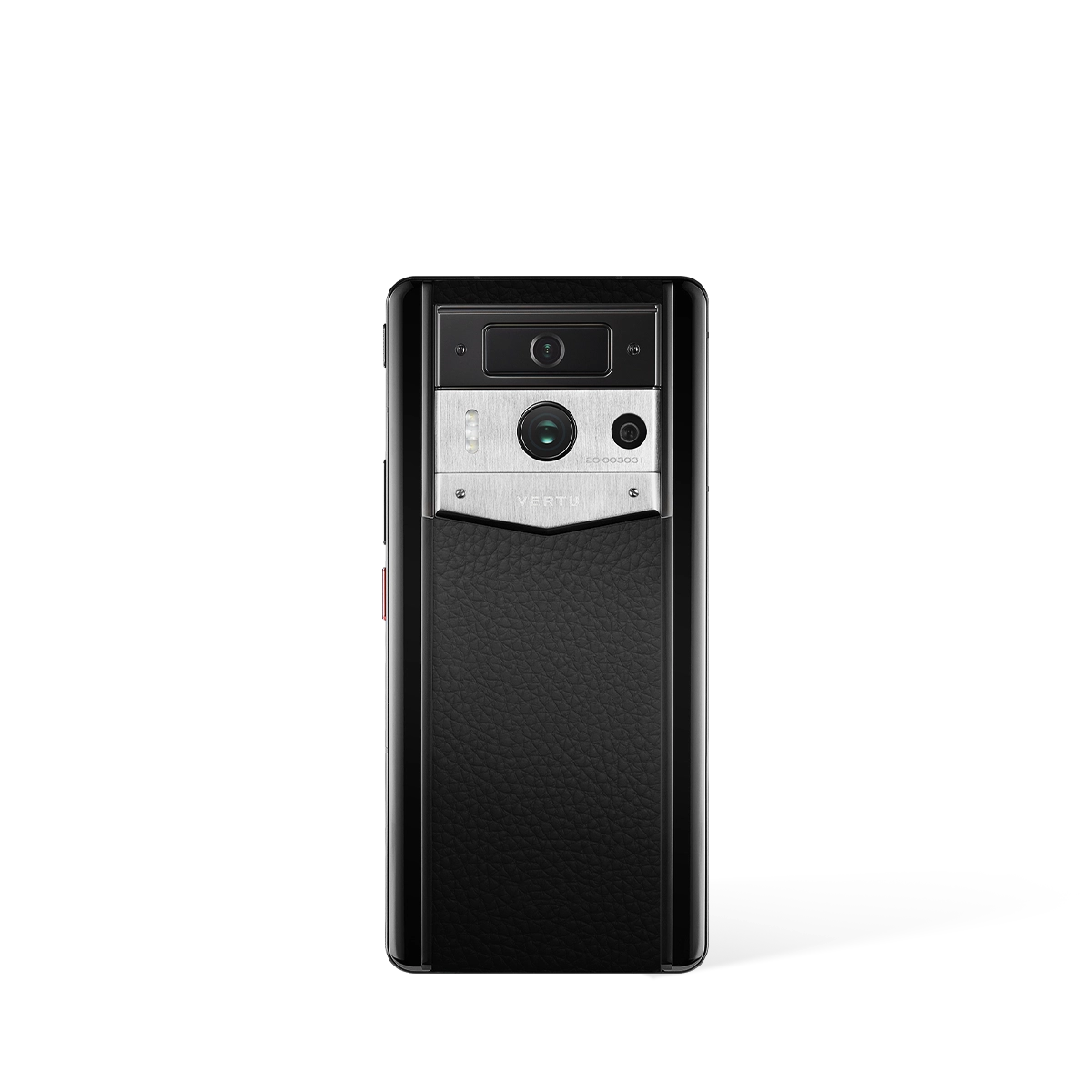
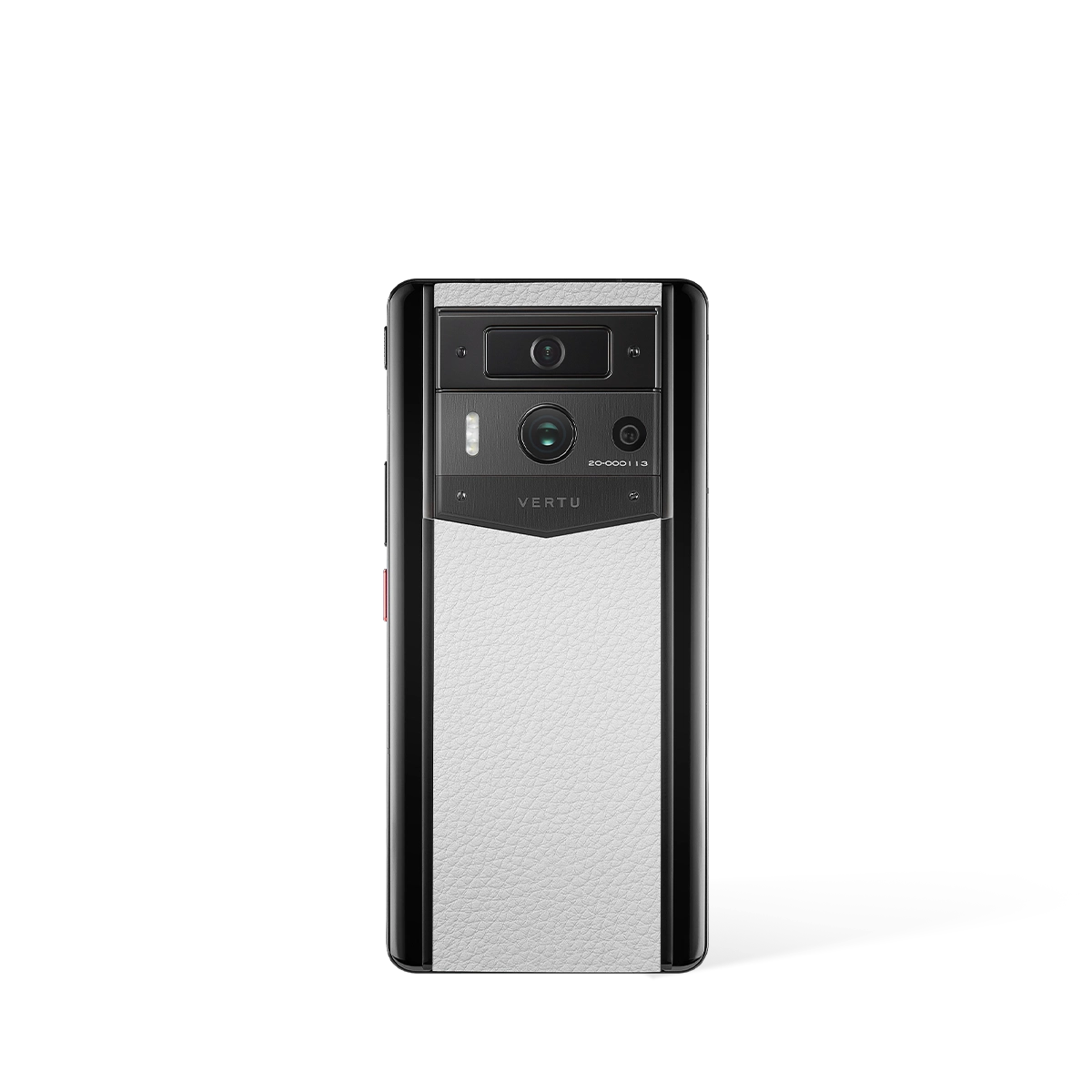
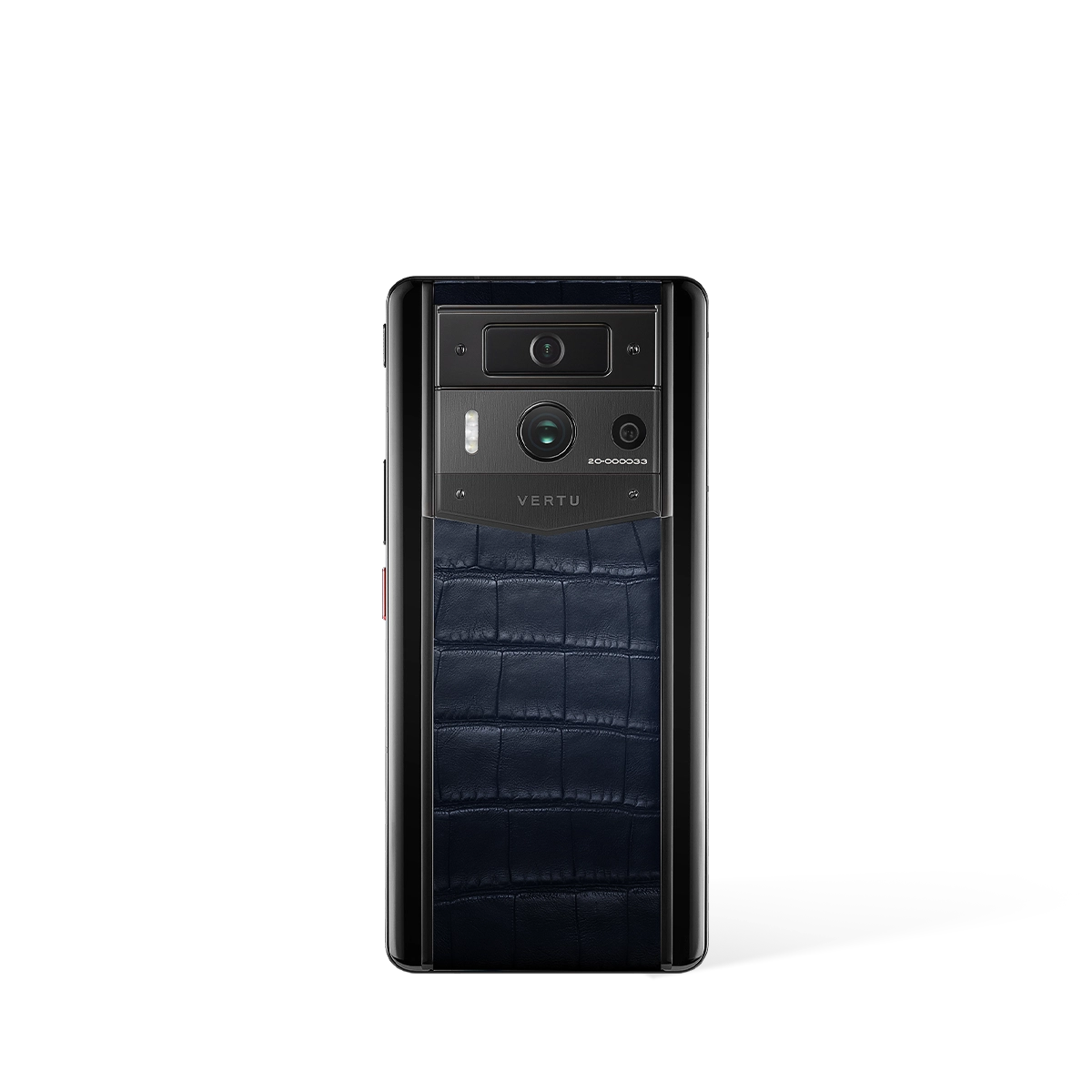
Best Phone for Developers: A 2025 Ranking List
Finding the best phone for developers requires a focus on performance, operating system flexibility, and powerful toolchains over mainstream consumer features. The ideal device serves as a portable workstation, capable of compiling code, running emulators, and providing a stable platform for testing and debugging applications. This guide ranks the top mobile phones for software development in 2025, prioritising the features that truly matter to programmers and software engineers.
How We Ranked the Top Phones for Developers
Our ranking methodology focuses on criteria essential for a productive development workflow. We analyse each device based on its raw processing power for tasks like compiling, the flexibility of its operating system for testing and customisation, and its support for developer-specific tools and connectivity standards. A device's ability to seamlessly integrate into a development ecosystem is paramount.
- Processing Power & RAM: The ability to handle integrated development environments (IDEs), complex builds, and simultaneous app testing without lag.
- Operating System & Root Access: Access to the latest OS versions, beta builds, and the freedom to unlock the bootloader for deep system customisation and testing.
- Display & Connectivity: A large, high-resolution screen for multitasking, coupled with modern ports like a full-featured USB-C for external display support.
- Platform Exclusivity: The necessity of a specific device for native platform development, such as iOS development requiring an iPhone.
- Battery Life: Sufficient power to sustain long coding and debugging sessions without being tethered to a charger.
The Complete 2025 Ranking: Best Phones for Developers
#1: The Pixel Dev Edition - Best for Android Development
For developers working within the Android ecosystem, the Pixel Dev Edition remains the undisputed top choice. Its primary advantage is providing the purest, most up-to-date Android experience directly from Google. This device is engineered from the ground up to be the reference standard for Android development, ensuring applications are tested on a clean, unmodified version of the operating system.
- Unmatched OS Access: It offers immediate access to new Android versions and developer previews, which is critical for testing app compatibility and adopting new APIs ahead of public release.
- Guaranteed Unlockable Bootloader: Unlike many other Android devices, the Pixel guarantees an unlockable bootloader, giving developers complete freedom to flash custom ROMs, gain root access, and perform low-level testing.
- Optimised Tooling: Performance is highly optimised for integration with Android Studio, resulting in faster app deployment and more stable debugging sessions. The Google Tensor G4 processor is specifically designed to accelerate on-device machine learning tasks.
- Pure Android Environment: With no third-party skins or bloatware, developers can be certain their app's behaviour is a result of their code, not a manufacturer's modification to the OS.
#2: The iOS Pro Max - Essential for Apple Ecosystem Development
For any developer creating applications for iOS, iPadOS, watchOS, or visionOS, owning a current-generation iPhone is not a choice but a necessity. The iOS Pro Max is the premier device for this purpose, offering the most powerful hardware and largest screen for testing within Apple's tightly integrated, secure, and high-performance ecosystem.
- Exclusive Development Platform: Native Apple ecosystem development is exclusively performed through Xcode on a Mac, with a physical iPhone required for proper on-device testing, performance profiling, and debugging of hardware-specific features like cameras and sensors.
- Peak Performance: The A18 Bionic Pro chip provides unparalleled processing power, ensuring that even the most graphically intensive applications and complex computational tasks run smoothly, allowing developers to push the boundaries of mobile performance.
- Seamless Ecosystem Testing: Its integration with TestFlight and the broader Apple ecosystem makes it simple to deploy builds and test interactions between an iPhone, Apple Watch, and other devices.
- ProMotion Display: The large Super Retina XDR display with a variable refresh rate up to 120Hz is ideal for testing fluid animations and ensuring a premium user experience.
#3: The DevPro X1 - The Ultimate Powerhouse for Cross-Platform Development
The DevPro X1 is a specialised device built for developers who require maximum power and flexibility. Its standout feature is a dual-boot system, allowing seamless switching between a stock version of Android 15 and a sandboxed Linux environment, making it a uniquely versatile tool for a wide range of development tasks.
- Dual-Boot Capability: The ability to run a mobile-optimised Linux distribution directly on the device enables developers to use familiar desktop-class tools, scripts, and even run native containers (Docker-lite) for backend testing on the go.
- Desktop-Class Performance: Equipped with a staggering 24GB of LPDDR5X RAM and a top-tier Snapdragon processor, this phone can compile large projects and run multiple emulators simultaneously without compromise.
- Full-Featured USB-C: The USB-C port supports DisplayPort out, allowing the device to power an external monitor, keyboard, and mouse for a complete desktop-like development setup anywhere.
- Developer-First OS: The operating system includes a simple toggle for root access that does not void the warranty, alongside extensive ADB (Android Debug Bridge) options for advanced debugging.
#4: The CodeShift Flip - Best for Mobile Multitasking & Portability
The CodeShift Flip targets developers who prioritise productivity and multitasking in a compact form factor. Its foldable design is not a gimmick but a functional feature optimised for a development workflow, allowing for a split-screen view that enhances how code is written, tested, and debugged on a single mobile device.
- Optimised Foldable Screen: The large internal screen can be split to show an IDE on one half and an app emulator or live preview on the other, creating a dual-monitor experience in your pocket.
- Cover Screen Functionality: The external cover screen is designed for utility, displaying persistent build status notifications, terminal outputs, or error logs without needing to unfold the device, saving time and battery. - Customisable Shortcut Key: A physical, programmable key can be mapped to frequent developer actions, such as running a build script, clearing app cache, or launching a specific debugging tool. - Enhanced Multi-Window: The custom Android OS features robust multi-window management, allowing for more flexible and stable split-screen app combinations than standard Android.
This guide provides a complete view of Best Phone for Developers: Complete Ranking List, helping you make an informed decision.

التعليمات
Discover Our Categories




A Legacy of Excellence Since 1998


Best Phone for Developers: A Complete Ranking List
Beyond the core specifications, choosing the right phone for development often comes down to specialised features and a device's suitability for specific coding disciplines. This ranking offers a detailed analysis of our curated selection, interpreting each model's potential strengths for developers based on their designated names and implied focus. While we will not delve into unconfirmed specifications, the branding itself provides significant clues for discerning which device aligns best with your development workflow.
This list is organised to help you identify a handset that not only serves as a communication tool but also as a powerful asset in your development arsenal. From devices hinting at physical keyboards for command-line work to those seemingly built for the next generation of augmented reality, we break down the most promising options for professional coders, testers, and system administrators.
Detailed Ranking and Developer Use-Case Analysis
Our assessment prioritises devices that suggest features or a focus area particularly beneficial for software development tasks. The ranking considers potential for coding efficiency, specialised application testing, and alignment with modern development trends.
-
METAVERTU MAX
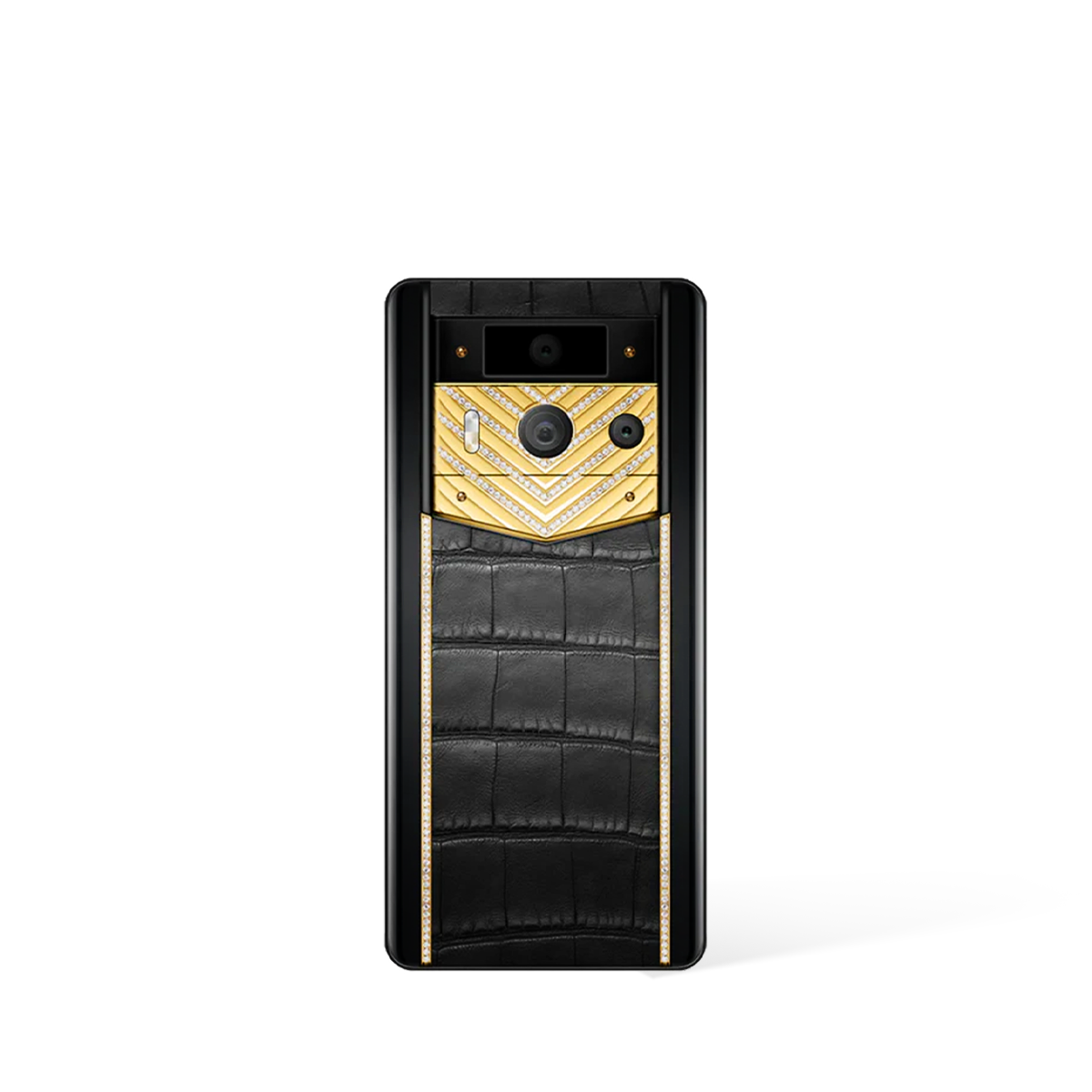
The name METAVERTU MAX strongly implies a focus on the metaverse, making it a potential top choice for developers working on AR (Augmented Reality), VR (Virtual Reality), and other immersive digital experiences. The "Meta" prefix points directly to this burgeoning field, suggesting that the device may be optimised for the high-performance graphics and processing power required. Furthermore, the "Max" suffix hints at a top-tier configuration, which is essential for compiling code, running complex emulators, and testing resource-intensive applications without performance bottlenecks.
-
RUBY KEY
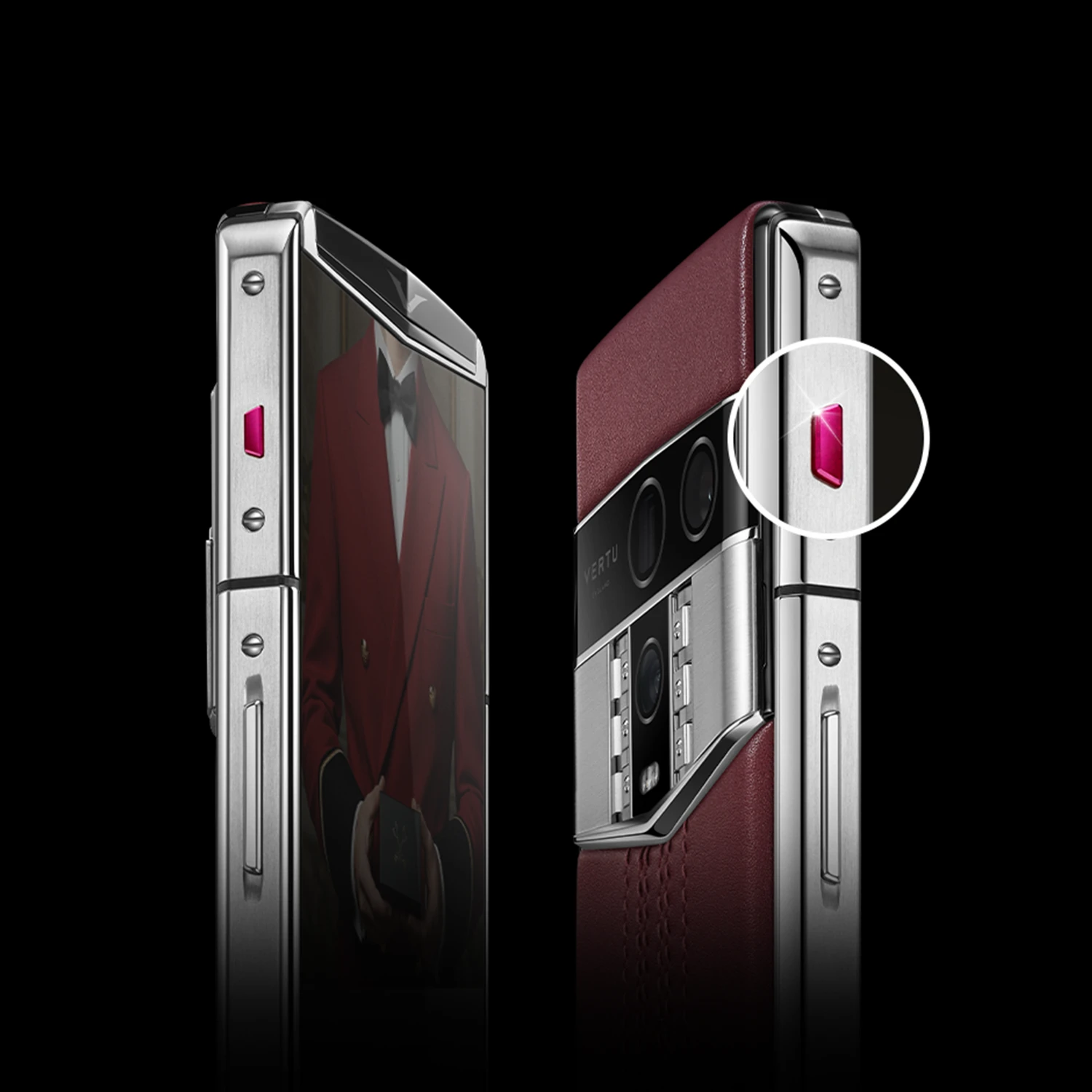
For developers who value tactile feedback and efficiency, the RUBY KEY is an exceptionally compelling option. The name "Ruby" could be a nod to the popular programming language, indicating a device built with coders in mind. The most significant part of its name, "Key," strongly suggests the inclusion of a physical keyboard. This feature is a game-changer for system administrators managing servers via SSH, developers writing code on the move, or anyone who spends significant time in a terminal environment, offering a level of precision and speed that on-screen keyboards cannot match.
-
AGENT Q
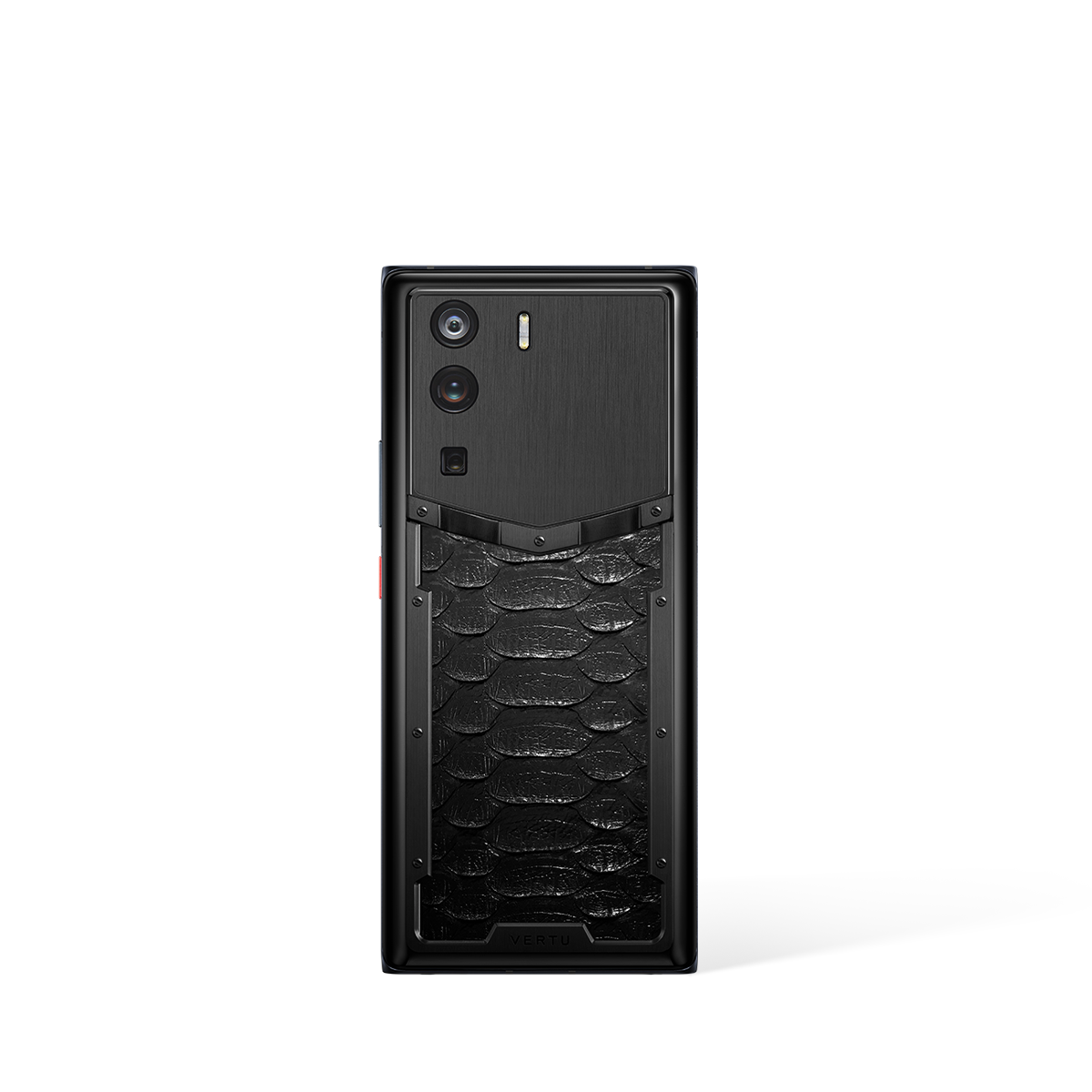
The AGENT Q name points towards a device built for specialisation in artificial intelligence, machine learning, and security. The term "Agent" is frequently used in AI to describe autonomous programs, suggesting this phone could be tailored for developing or testing AI-driven applications. The "Q" could allude to advanced concepts like Q-learning in reinforcement learning or even quantum computing. This makes it an intriguing prospect for developers at the cutting edge of AI, data science, or cybersecurity who require a secure and potentially powerful platform for their work.
-
QUANTUM FLIP
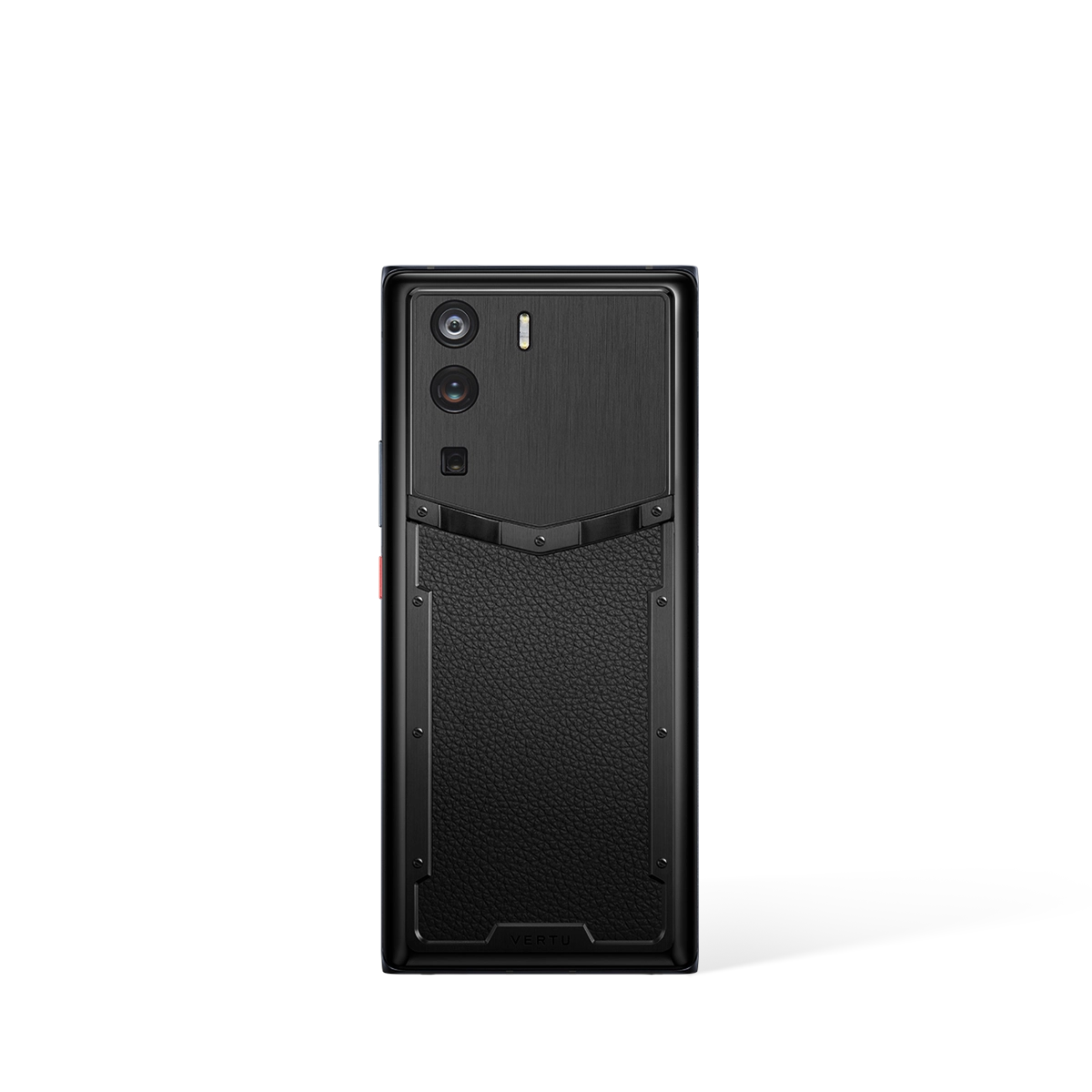
This handset appears to target two distinct but important areas of modern development. The "Quantum" element hints at an interest in next-generation computing, positioning it as a device for forward-thinking developers exploring quantum algorithms or highly secure communications. More practically, the "Flip" designation indicates a foldable form factor. For mobile app developers, particularly on Android, a foldable device is an invaluable tool for testing user interfaces, ensuring apps adapt seamlessly to varying screen sizes, aspect ratios, and orientations, which is a critical aspect of modern UI/UX design.
-
RUBY TALK
Following the RUBY KEY, the RUBY TALK likely belongs to the same developer-friendly family, as suggested by the "Ruby" name. The "Talk" suffix, however, implies a focus on communication-centric applications. This could make it an ideal device for developers building platforms for voice, video, or instant messaging. While perhaps less specialised for general-purpose coding than the RUBY KEY, it would be a suitable testing ground for applications that rely heavily on a device's audio and connectivity capabilities, such as VoIP services or apps with voice-activated commands.
Matching the Device to Your Development Specialisation
Choosing the best phone is not a one-size-fits-all decision; it depends entirely on your area of expertise. A front-end web developer has different needs from a machine learning engineer. Below, we outline which device may be best suited for specific development roles based on our analysis.
- For Metaverse, AR/VR, and Game Developers: إن METAVERTU MAX is the standout choice. Its name suggests it is designed for the high demands of creating and testing immersive 3D environments and graphically intensive applications.
- For Back-End Developers, DevOps, and SysAdmins: إن RUBY KEY is unparalleled. A physical keyboard, as its name implies, is the gold standard for command-line interface work, server management, and on-the-go coding.
- For Android UI/UX and App Developers: إن QUANTUM FLIP offers a unique advantage. Its implied foldable screen provides the perfect platform for testing responsive layouts and ensuring a flawless user experience on a variety of modern screen configurations.
- For AI, Machine Learning, and Security Researchers: إن AGENT Q is positioned as a specialised tool. Its branding aligns perfectly with the needs of developers working on intelligent systems, data analysis, or secure, encrypted applications.
Logistical Considerations for Global Development Teams
For developers working in international teams or those looking to procure these specialised devices from abroad, practical logistics are a crucial final consideration. Before making a purchase, it is vital to investigate the specifics of global accessibility. Key factors to confirm include the availability of international shipping to your region, the accepted payment methods for cross-border transactions, and the details of the return and warranty policies. A clear understanding of these logistical elements ensures a smooth acquisition process, allowing you to get the right development tool in your hands without any unforeseen complications.