
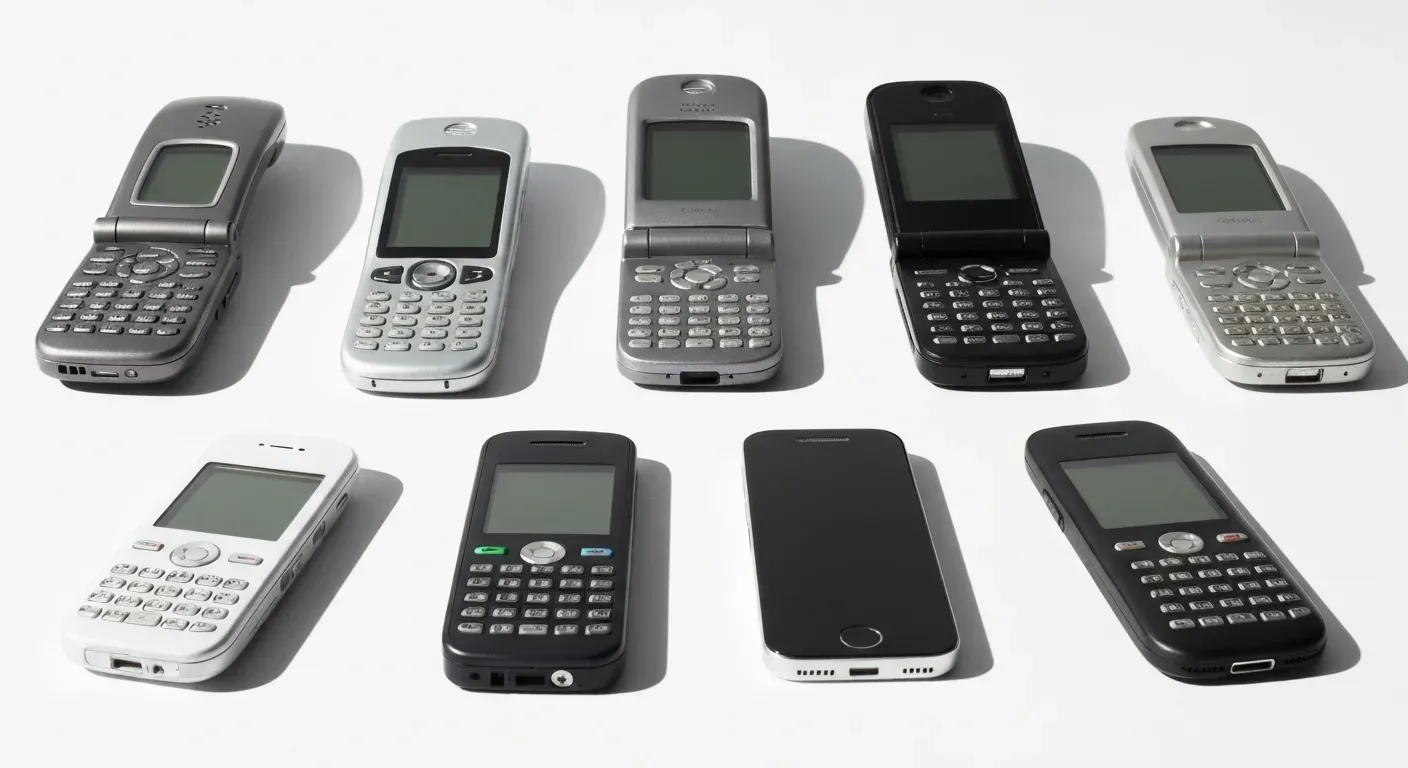
 Have you ever wondered what your next smartphone will be able to do? The technology in your pocket is evolving faster than ever. Groundbreaking features once considered science fiction are now becoming a reality, setting a new standard for what we expect from our devices.
At the heart of this innovation is a specific market driving the global conversation. From Silicon Valley giants to dynamic startups, American mobile phones are consistently pushing the boundaries of what's possible. They are not just keeping up with trends; they are actively creating them for the world to follow.
This article explores the cutting-edge advancements defining this leadership, from powerful AI integration to next-generation connectivity. We will uncover why the US market is setting the pace for global technology and discover the key features shaping the future of mobile devices.
Top 7 Smartphone Features Driving Innovation Toward 2026
The smartphone landscape is rapidly evolving as we head toward 2026. New technologies are fundamentally changing how we interact with our devices. Seven key features define this transformation, pushing the boundaries of mobile capability and user experience. These innovations signal a new era for personal technology.
Advanced AI Integration
AI in smartphones is moving far beyond simple voice commands. Predictive AI now anticipates user needs to enhance daily life. These intelligent systems learn your routines to proactively manage schedules, optimize battery usage, and suggest actions before you even think to initiate them.
These AI mobile assistants also offer personalized health monitoring and provide smart shopping recommendations, changing the core interaction with your device. Leading the charge, many American mobile phones integrate this sophisticated AI to create a more intuitive and proactive user experience.
Foldable and Rollable Displays
Innovation in mobile design is reshaping the smartphone market, with foldable and rollable screens at the center of this shift. These flexible displays allow a device to change its physical size, expanding for immersive work or contracting for easy portability.
This technology unlocks powerful new multitasking capabilities, allowing users to run multiple apps simultaneously on a larger screen surface. It redefines the experience for both mobile gaming and productivity, impacting the entire consumer electronics sector.
Immersive AR & VR Experiences
Smartphones are becoming central hubs for augmented (AR) and virtual reality (VR), blending digital information with the physical world. This integration enables more immersive gaming, where virtual environments react to a player's real-world movements.
The technology also supports virtual meetings with holographic representations of participants. In retail, users can experience virtual try-ons for clothing and accessories directly from their phones. These features showcase the leading technology trends in interactive digital content.
Next-Generation Connectivity (6G)
The future of mobile connectivity is advancing toward 6G networks. This next generation promises speeds up to 100 times faster than 5G and delivers ultra-low latency, reducing data transfer delays to nearly zero.
This incredible performance will enable real-time AI processing directly on the device, and instantaneous data transfer will unlock entirely new mobile capabilities. Next-generation smartphones will leverage 6G for complex, data-heavy tasks without any noticeable lag.
Advanced Biometric and Security Features
Device protection is evolving with advanced biometrics. American mobile phones are incorporating new security layers that go far beyond fingerprints. These systems use voice, iris, and even behavioral recognition for robust, multi-layered device protection.
This technology also secures mobile payments and digital wallets. Ultrasonic fingerprint scanners, for instance, provide enhanced security and higher resolution for more accurate readings. These methods create a formidable defense for your personal data.
| Biometric Method | Primary Use Case | Security Level |
|---|---|---|
| Ultrasonic Scan | Device Unlock, Payments | High |
| Iris Recognition | High-Security Access | Very High |
| Voice Recognition | Hands-Free Authentication | Medium |
| Behavioral Scan | Continuous Authentication | High |
Enhanced Mobile Health Monitoring
Smartphones are transforming into powerful tools for personal health management. Advanced mobile health systems use integrated sensors and AI to track vital metrics. Users can effortlessly monitor heart rate, sleep patterns, and activity levels.
These devices offer personalized health recommendations based on the data they collect. They also facilitate telemedicine, enabling real-time vital sign monitoring and virtual consultations with healthcare providers, reflecting a major shift toward proactive health management.
Sustainable Mobile Technology
Sustainability has become a critical focus in mobile technology. Manufacturers now emphasize eco-friendly materials in device construction and develop green energy solutions like longer-lasting batteries to reduce electronic waste.
Innovations include solar-powered charging capabilities and highly energy-efficient components. These designs aim to reduce the environmental impact of each device, aligning with a broader market demand for responsible and sustainable products.
Understanding Consumer Behavior and Digital Natives in 2026
By 2026, consumer behavior will be largely defined by digital natives. This generation grew up with advanced mobile devices and expects technology to be seamlessly integrated into their lives. Their preferences directly shape the features and designs of next-generation smartphones.
Shifting Expectations of Digital Natives
Digital natives demand intuitive and intelligent technology. They prioritize features like AI-powered personalization that learns their habits to simplify daily tasks. For them, a seamless user interface is not a bonus; it is a fundamental requirement. These users also expect robust security protocols to protect their financial and personal data.
The Rise of Mobile Payments and Wallets
The adoption of mobile payments and digital wallets continues to accelerate, becoming a standard feature on most smartphones. Consumers are increasingly choosing mobile payments for their convenience and enhanced security in financial transactions. This trend marks a significant shift away from physical cards and cash toward device-based solutions.
Impact on Handset Features and Design
Consumer demand directly influences hardware innovation in American mobile phones. Manufacturers develop features that cater specifically to the habits of digital natives. Foldable displays support advanced multitasking, while sophisticated camera systems enable high-quality content creation for social media.
| Feature Driver | Resulting Handset Innovation | Primary User Benefit |
|---|---|---|
| Need for Multitasking | Foldable Displays | View multiple applications at once |
| Immersive Entertainment | AR/VR Integration | Interactive gaming and media |
| Social Content Creation | Advanced Camera Technology | High-resolution photo and video capture |
The US Mobile Industry Landscape in 2026
The US smartphone market in 2026 is a dynamic landscape of fierce competition and relentless innovation. Companies are pushing to integrate the latest technologies into their devices, with key drivers including artificial intelligence, sustainable manufacturing, and cross-device functionality. This environment shapes the future of mobile technology and consumer expectations.
Key Market Trends and Competitor Analysis
Consumers now demand much more than basic communication. Phones in 2026 will feature on-device AI for task automation and improved security. Manufacturers are also focusing on sustainable design by using recycled materials and offering repairable components. Finally, seamless integration will allow a phone to connect effortlessly with tablets, watches, and laptops.
| Feature Area | 2024 Standard | Projected 2026 Standard |
|---|---|---|
| AI Integration | On-device photo editing | Predictive task automation |
| Connectivity | 5G Network Access | 5G Advanced / Early 6G Trials |
| Sustainability | Recycled aluminum frames | Modular, repairable components |
| Display Tech | Foldable OLED screens | Under-display camera technology |
Innovation Hubs Driving the Future of Mobile
Tech hubs like Silicon Valley remain the epicenter of mobile research and development. These centers attract immense investment and talent, fostering a collaborative environment that leads to groundbreaking technologies. Engineers in these regions are developing the next generation of mobile hardware and software, with a focus on advanced connectivity and new display technologies.
The Role of Consumer Electronics in Mobile Advancement
The broader consumer electronics sector is a powerful engine for mobile progress. Advances in component manufacturing directly improve smartphones. For example, innovations in battery chemistry extend device usage, while new processors increase computing power for complex applications. These developments create more efficient and durable devices for everyone.
FAQ (Frequently Asked Questions)
Q1: What are the most significant upcoming smartphone features in 2026?
A1: In 2026, smartphones will feature advanced AI for predictive assistance, sophisticated foldable or rollable displays, and immersive AR/VR. Users can also expect enhanced biometric security, advanced mobile health monitoring, next-generation 6G connectivity, and a strong focus on sustainable technology.
Q2: How is AI changing the smartphone experience in 2026?
A2: AI is transforming smartphones from reactive tools into proactive partners. By 2026, on-device AI will anticipate user needs without commands, offering personalized health recommendations from sensor data or suggesting shopping items based on browsing habits. This creates a more intuitive and efficient user experience.
Q3: Will foldable phones become mainstream in 2026?
A3: Foldable phones are expected to gain significant traction by 2026. Improved durability and lower prices will make them more reliable and accessible for daily use. Their innovative form factors and enhanced multitasking capabilities will also appeal to a wider consumer base, helping move these devices toward mainstream adoption.
Q4: What is the impact of 6G on mobile devices?
A4: The impact of 6G will be profound. It promises ultra-low latency and speeds up to 100 times faster than 5G, enabling real-time AI processing directly on devices. Users will be able to transfer large data files almost instantly, unlocking the potential for entirely new mobile applications and experiences.
Q5: How are US mobile phones focusing on sustainability in 2026?
A5: In 2026, American mobile phones will increasingly prioritize sustainability. Manufacturers are using more eco-friendly materials, developing energy-efficient components, and designing devices with longer-lasting batteries to extend their usable lifespan. Companies are also exploring solutions like solar-powered charging to reduce the overall environmental footprint of their products.
Conclusion: The Future in Your Hands
American mobile phones are evolving beyond simple communication tools into sophisticated platforms that set a global benchmark for innovation. By integrating advanced AI, pioneering foldable displays, and championing next-generation connectivity, the US market is actively shaping the future. These devices are central hubs that define how we interact with the digital world.
To make an informed decision for your next upgrade, begin familiarizing yourself with these groundbreaking features. Research how integrated AI can personalize your experience and how sustainable practices align with your values. Understanding these key advancements will empower you to choose a device that truly meets the demands of tomorrow.