
What are the recent advancements in biosensors? Exploring 5 Game-Changing Innovations
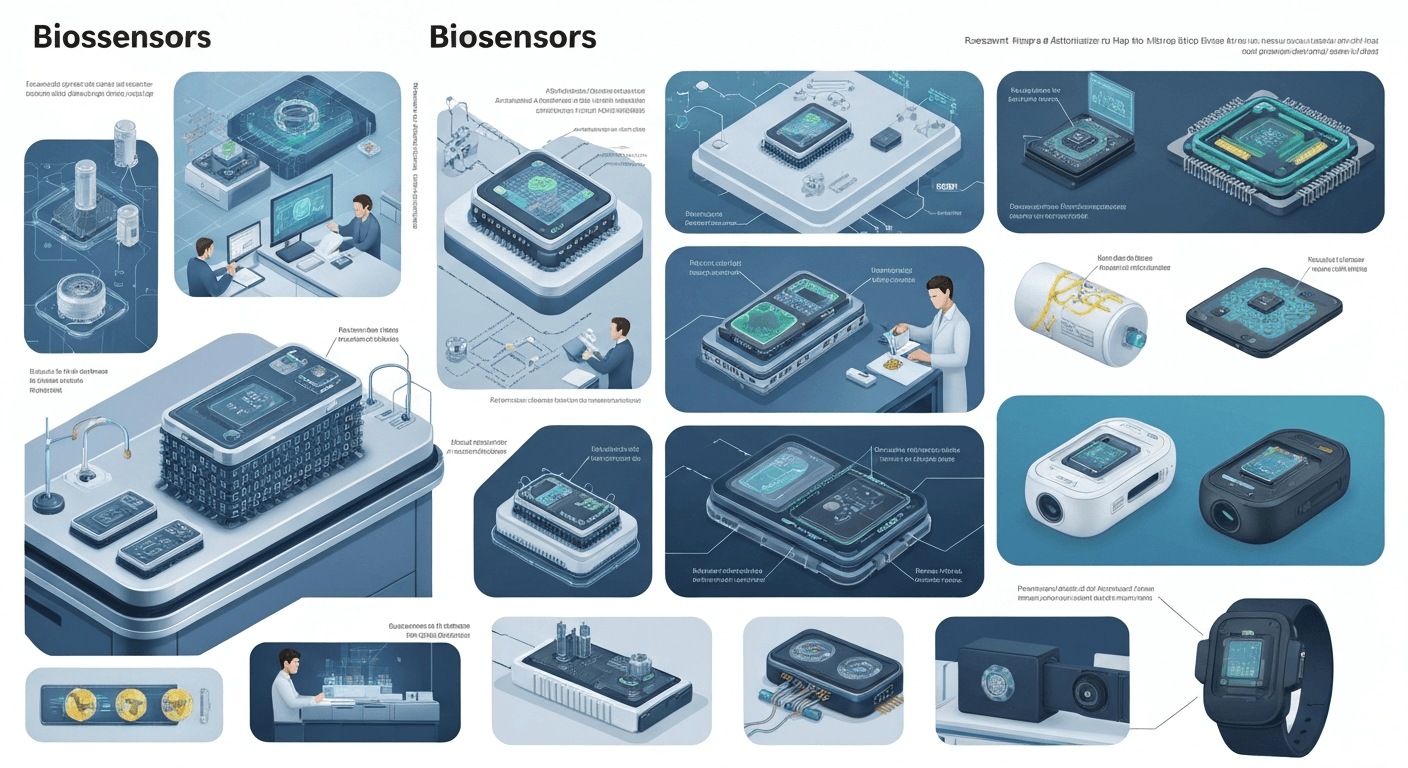 Imagine a world where a tiny patch on your skin detects diseases in real-time, or a device instantly tells you if your water is safe. This isn't science fiction; it's the rapidly evolving reality of biosensor technology. These miniature marvels are poised to change how we monitor our health and interact with the world around us.
The field is buzzing with progress, prompting many to ask, “What are the recent advancements in biosensors?” From healthcare diagnostics to environmental safety, these breakthroughs promise unprecedented accuracy and speed. They translate complex biological signals into actionable data that can empower your decisions and improve lives on a global scale.
To help you navigate this exciting landscape, we're diving deep into five game-changing innovations set to redefine industries. This article will explore each technology's unique features, practical applications, and the profound impact they are expected to have. Get ready to discover the future of sensing technology, happening right now.
Top 5 Biosensor Innovations Transforming Our World
The latest advancements in biosensors are transforming diagnostics and monitoring. Driven by progress in biological techniques and instrumentation, these technologies are becoming faster, more sensitive, and highly accessible. They are pushing the boundaries of what is possible in modern healthcare, environmental safety, and personal wellness.
1. CRISPR-Based Biosensors for Rapid Disease Detection
CRISPR-based biosensors leverage the precision of gene editing to detect specific nucleic acid sequences from pathogens or biomarkers. By using enzymes like Cas12 or Cas13, these tools can identify viral or bacterial DNA/RNA with incredible accuracy. This enables rapid and reliable disease diagnosis for infectious diseases and genetic disorders.
2. Wearable Electrochemical Biosensors for Continuous Health Monitoring
Wearable electrochemical biosensors are being developed to continuously monitor key physiological parameters directly from sweat or interstitial fluid. These devices track metrics like glucose, lactate, and electrolytes in real-time. This offers invaluable health insights for athletes, diabetics, and patients with chronic conditions.
3. Nanoparticle-Enhanced Optical Biosensors for Ultra-Sensitive Detection
The integration of nanoparticles, such as gold or quantum dots, with optical biosensing platforms significantly amplifies detection signals. This technical leap leads to unprecedented sensitivity for identifying minute concentrations of biomarkers, viruses, or environmental pollutants. This enhancement paves the way for more effective diagnostics and safety testing.
| Innovation Type | Core Principle | Primary Application | Key Advantage |
|---|---|---|---|
| CRISPR-Based | Gene-Editing Precision | Disease Diagnosis | High Specificity & Speed |
| Wearable Electrochemical | Continuous Monitoring | Personal Health | Real-Time Data |
| Nanoparticle-Enhanced | Signal Amplification | Ultra-Low Detection | Unprecedented Sensitivity |
| Microfluidic Platform | Miniaturization | Point-of-Care Testing | Accessibility & Low Volume |
| DNA-Based | Molecular Recognition | Environmental Screening | Toxin Specificity |
4. Microfluidic Biosensor Platforms for Point-of-Care Diagnostics
Microfluidic biosensor platforms, or “lab-on-a-chip” systems, integrate multiple laboratory functions onto a single, small chip. These devices streamline sample preparation, reaction, and detection, enabling rapid, low-volume analysis. These systems facilitate faster and more accessible point-of-care diagnostics in diverse settings, from clinics to remote locations.
5. DNA-Based Biosensors for Environmental Toxin Screening
DNA-based biosensors offer a highly specific and sensitive method for detecting environmental toxins, pollutants, and pathogens. By utilizing DNA probes that bind selectively to target molecules, these biosensors can identify even trace amounts of harmful substances. This capability is crucial for enhancing environmental protection and public safety initiatives.
The Future of Biosensing: A Closer Look at 2025
By 2025, the field of biosensing is set for a profound transformation, driven by digital intelligence, material innovation, and adaptive regulations. Recent advancements reveal a clear shift from simple detection to predictive, personalized health management. This evolution promises to make proactive healthcare more accessible and integrated into daily life.
The integration of artificial intelligence and machine learning with biosensor data is poised to enhance diagnostic accuracy. This powerful synergy will allow algorithms to analyze continuous data streams from wearables, identifying subtle patterns that precede disease onset. This facilitates a new era of personalized medicine based on real-time biological feedback.
Furthermore, advancements in materials science are leading to more biocompatible, durable, and cost-effective biosensor components. Innovations like integrating fluorescence tags with nanomaterials are dramatically increasing the sensitive detection limits of these devices. This accelerates their adoption in both clinical and consumer applications.
Crucially, regulatory pathways are evolving to accommodate this rapid pace of development. Global health authorities are creating more agile frameworks to evaluate these complex systems, ensuring safety and efficacy. This balanced approach is essential for translating transformative technologies from research to reality.
Navigating the Landscape: How to Choose the Right Biosensor
Selecting the ideal biosensor requires a strategic approach, especially given the rapid evolution of biological techniques and instrumentation. Navigating this landscape means aligning a device’s capabilities with precise, real-world needs.
The primary consideration is the specific application. For clinical diagnostics, diagnostic accuracy and high sensitivity are non-negotiable. You must also evaluate the required speed of results and the environment of use, whether a lab or a field setting.
Beyond technical performance, user-friendliness is crucial for widespread adoption. It's essential to evaluate the ease of use, especially for point-of-care devices operated by non-specialists. Consider the clarity of data interpretation and if the system requires specialized training.
Finally, a comprehensive analysis of cost-effectiveness is vital. This extends beyond the initial purchase price to include ongoing expenses for consumables and maintenance. Assess the potential for seamless integration with existing healthcare or monitoring systems for greater long-term value.
FAQ (Frequently Asked Questions)
Q1: What is the primary advantage of CRISPR-based biosensors?
A1: Their main benefits are unparalleled specificity and speed. Using CRISPR's precision, they identify specific DNA or RNA from pathogens. This allows for rapid disease identification, enabling timely and effective treatment.
Q2: How are wearable biosensors improving personal health management?
A2: Wearable devices provide continuous, real-time monitoring of vital data like glucose and heart rate. This constant stream of information allows for proactive health interventions. It empowers users and clinicians to better manage chronic conditions.
Q3: What role do nanoparticles play in modern biosensing?
A3: Nanoparticles greatly enhance sensor sensitivity, enabling detection of very low analyte concentrations. They act as signal amplifiers, increasing the detection limits of devices. This makes them essential for early-stage diagnostics and environmental safety.
خاتمة
The landscape of biosensor technology is evolving at an unprecedented pace, driven by the game-changing innovations we've explored. From CRISPR to wearables, these advancements are creating a new era of proactive, precise, and personalized data for health and environmental diagnostics. The future of sensing is happening now.
Ready to explore how these innovations can benefit you? Start by identifying which biosensor technology aligns with your industry or health goals. Engage with experts and stay updated on new developments to harness the power of these transformative tools for a healthier, safer future.