 Imagine a future where understanding your body's signals is as simple as glancing at your wrist or finger. In 2026, this isn't science fiction; it's your reality, thanks to an explosion of innovative health-tracking technology designed to put you in control of your well-being.
Navigating the landscape of advanced personal health monitoring can feel overwhelming. However, finding the best wearable health tracker is now more crucial than ever for proactive wellness. These devices are no longer just for fitness enthusiasts; they are becoming indispensable tools for everyone seeking a clearer picture of their health.
This guide unlocks the potential of the top 7 wearable health trackers, showcasing how cutting-edge biosensors and AI deliver deep insights into your sleep, activity, and vital signs. Prepare to discover how smart rings, advanced fitness bands, and sophisticated smartwatches can empower you to make informed decisions and elevate your overall wellness journey.
Top 7 Best Wearable Health Trackers for Enhanced Wellness in 2026
Navigating the evolving landscape of personal health technology reveals advanced wearable devices. These trackers offer more than just step counts; they provide deep insights into physiological metrics. In 2026, selecting the best wearable health tracker means prioritizing accuracy, user experience, and integration with your lifestyle. This guide highlights seven top contenders that empower users with enhanced wellness data.
1. VERTU Grand Watch
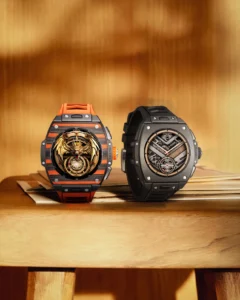
The VERTU Grand Watch blends classic luxury with digital intelligence. Its design features a Tonneau-shaped case and a large 44mm dial with a Sapphire Mirror. The watch body utilizes microcrystalline black ceramic and filament-colored carbon. This device incorporates AI Health Guard technology. A PPG Bio-Tracking Optical Sensor monitors heart rate and blood oxygen in real-time. It also tracks blood glucose. The system provides safety alerts for health abnormalities.
AI Exercise Modes, including Golf and Tennis, deliver detailed performance data. AI Productivity features, such as one-touch voice recording and text conversion, aid daily organization. The watch offers an extra-long standby time of 5-7 days. It represents a fusion of high-end design and advanced health tracking capabilities, making it a strong contender for the best wearable health tracker for those who value both style and substance.
2. Fitbit Charge 6
The Fitbit Charge 6 offers robust health tracking at a cost-effective price point. Built-in GPS maps activities with accuracy. A haptic side button allows intuitive navigation. The tracker integrates seamlessly with Google services. Its seven-day battery life supports consistent monitoring of steps and distance. This makes it a solid choice for daily wellness monitoring and a great option for those seeking an affordable yet effective best wearable health tracker.
3. Apple Watch SE (3rd generation)
For users within the Apple ecosystem, the Apple Watch SE (3rd generation) provides reliable health metrics. It accurately tracks step count, distance, and heart rate. An always-on display option is available. The device supports quick charging. It offers over six dozen customizable workout modes. Advanced features include temperature sensing for menstrual-cycle tracking, positioning it as a versatile best wearable health tracker for iPhone users.
4. Garmin Vivoactive 6
The Garmin Vivoactive 6 stands as a versatile and accurate fitness tracker. Onboard satellite connectivity ensures precise location tracking. Its vibrant AMOLED display presents advanced health metrics, including blood oxygen levels and detailed sleep analysis. Features like incident detection and a ‘Morning Report' offer daily readiness and safety insights. Garmin's reputation for accuracy makes the Vivoactive 6 a top choice for the best wearable health tracker for athletes and outdoor enthusiasts.
5. Oura Ring 4
The Oura Ring 4 redefines wearable health tracking with its discreet smart ring form factor. It provides continuous monitoring of sleep, readiness, and activity scores. The system adapts to the user's individual physiology. New design iterations offer thinner profiles and expanded color options. The ring integrates with glucose monitoring. Its ‘Symptom Radar' promotes proactive health awareness, making the Oura Ring 4 a unique and powerful best wearable health tracker for those who prefer subtlety.
6. Whoop MG Fitness Band
The Whoop MG Fitness Band delivers deep health insights without a screen. It employs a proprietary algorithm for advanced capabilities, including ECG and blood pressure monitoring. The band tracks daily strain, ‘Healthspan,' and ‘Pace of Aging,' offering a holistic view of physiological condition. A subscription is necessary for full access to its advanced analytics. For those prioritizing in-depth physiological data, the Whoop MG Fitness Band is a compelling best wearable health tracker.
7. Dexcom Stelo
The Dexcom Stelo is a continuous glucose monitor (CGM) sensor designed for commercial sale. Its user-friendly dispenser and straightforward app simplify glucose tracking. The Stelo integrates with popular trackers like Oura and Apple devices. It provides timely alerts for glucose spikes, empowering users to manage their metabolic health proactively. For individuals managing diabetes, the Dexcom Stelo is an essential best wearable health tracker.
Here is a comparison of key features for these top wearable health trackers:
| Feature/Device | VERTU Grand Watch | Fitbit Charge 6 | Apple Watch SE (3rd gen) | Garmin Vivoactive 6 | Oura Ring 4 | Whoop MG Fitness Band | Dexcom Stelo |
|---|---|---|---|---|---|---|---|
| Primary Form | Watch | Band | Watch | Watch | الخاتم | Band | CGM Sensor |
| Key Health Metric | HR, SpO2, Glucose | Activity, HR | HR, Activity, Temp | SpO2, Sleep, HR | Sleep, Readiness | Strain, ECG, BP | Glucose |
| GPS | Not specified | Built-in | Built-in | Built-in | Not specified | Not specified | Not applicable |
| Battery Life | 5-7 days | 7 أيام | Up to 18 hours | Not specified | Up to 7 days | Up to 7 days | Not specified |
| Unique Feature | AI Health Guard, Luxury Design | Google Integration | Temp Sensing for Cycle | Morning Report, Incident Detection | Discreet Form, Symptom Radar | Healthspan Tracking | User-friendly CGM |
Choosing the best wearable health tracker in 2026 depends on individual priorities. Whether you seek luxury integration, comprehensive fitness tracking, or specialized health monitoring, these devices offer advanced solutions. They empower users with data to make informed decisions for enhanced wellness.
Choosing Your 2026 Wearable Health Tracker: A Buyer's Guide
Selecting the best wearable health tracker for 2026 requires careful consideration of your personal health objectives. Define your primary goals before investing. Are you tracking general activity, analyzing sleep patterns, monitoring specific sports performance, or managing conditions like blood glucose levels? Understanding your needs directs you to the most suitable device.
Understanding Your Health Goals
Clearly define your health and fitness objectives for 2026. Your focus might be general activity, detailed sleep analysis, or specific sports performance. Some users manage chronic conditions, requiring devices that track metrics like blood glucose levels. Identifying these needs guides your search for the best wearable health tracker.
Key Features to Prioritize
Prioritize features based on your goals. Consider the accuracy and range of tracked health metrics: heart rate, blood oxygen saturation (SpO2), ECG, and blood pressure. For outdoor activities, integrated GPS is essential. Evaluate sleep tracking quality and the availability of specialized workout programs. Advanced users benefit from sophisticated biosensors and AI-driven health insights, all contributing to finding the best wearable health tracker for their specific needs.
| Feature | Example Device 1 | Example Device 2 | Example Device 3 |
|---|---|---|---|
| Heart Rate | Continuous | On-demand | Continuous |
| SpO2 Tracking | Yes | No | Yes |
| GPS | Built-in | Connected | Built-in |
| Sleep Stages | Deep, Light, REM | Light, Deep | Deep, Light, REM |
| ECG | Available | Not Available | Available |
Integration and Ecosystem Compatibility
Evaluate how a new wearable integrates with your existing digital ecosystem. For iPhone users, an Apple Watch SE offers seamless integration. Check compatibility with popular health apps and platforms. This ensures your health data consolidates and allows for effective analysis, a crucial aspect when choosing the best wearable health tracker.
Battery Life and Durability
Assess battery life against your usage patterns. Devices like the Fitbit Charge 6 offer a 7-day battery, supporting continuous tracking. Other devices may require more frequent charging. Durability, water resistance, and material comfort are vital for daily wear and diverse activities, all factors to consider when selecting your best wearable health tracker.
FAQ (Frequently Asked Questions)
Q1: What are the most important health metrics to track in 2026?
A1: By 2026, continuous heart rate monitoring and blood oxygen levels (SpO2) are essential. Detailed sleep metrics, including duration, stages, and quality, offer crucial recovery insights. Daily steps and activity levels remain fundamental for general fitness.
Q2: Can smart rings replace smartwatches for health tracking?
A2: Yes, smart rings like the Oura Ring 4 provide comprehensive health tracking. They offer sleep, readiness, and activity scores. While they may lack screen-based apps, they excel in continuous physiological monitoring.
Q3: How accurate are wearable biosensors for health monitoring?
A3: Wearable biosensor accuracy has significantly improved by 2026, especially for heart rate and steps. Devices use advanced sensors for more precise readings. However, for critical medical diagnoses, discuss results with a healthcare professional.
Q4: Are there any wearable health trackers specifically for managing chronic conditions?
A4: Yes, specialized wearables are emerging for chronic condition management. Devices like the Dexcom Stelo focus on continuous glucose monitoring (CGM) for diabetes management. These provide real-time data and alerts.
Q5: What is the future of AI in wearable healthcare technology?
A5: The future of AI in wearable healthcare technology by 2026 involves personalized health insights. Predictive analytics will aid disease prevention. AI-powered coaching will enhance fitness and wellness. More sophisticated automated health alerts will emerge.
خاتمة
In 2026, the dynamic market for the best wearable health tracker presents a wealth of sophisticated options, from elegant smartwatches to discreet smart rings and specialized medical devices. These powerful tools are transforming personal wellness by providing actionable data and tailored insights, empowering you to take control of your health journey.
To truly harness this technology, carefully consider your unique wellness goals and desired features when selecting your best wearable health tracker. Prioritize devices like VERTU Grand Watch, Fitbit, Garmin, Oura, or Dexcom that align with your lifestyle and offer the specific functionalities you need for enhanced well-being.
Invest in your future health today by choosing the best wearable health tracker that resonates with your aspirations. Embrace these advancements and embark on a more informed, empowered, and healthier 2026 – your well-being is worth this proactive step!