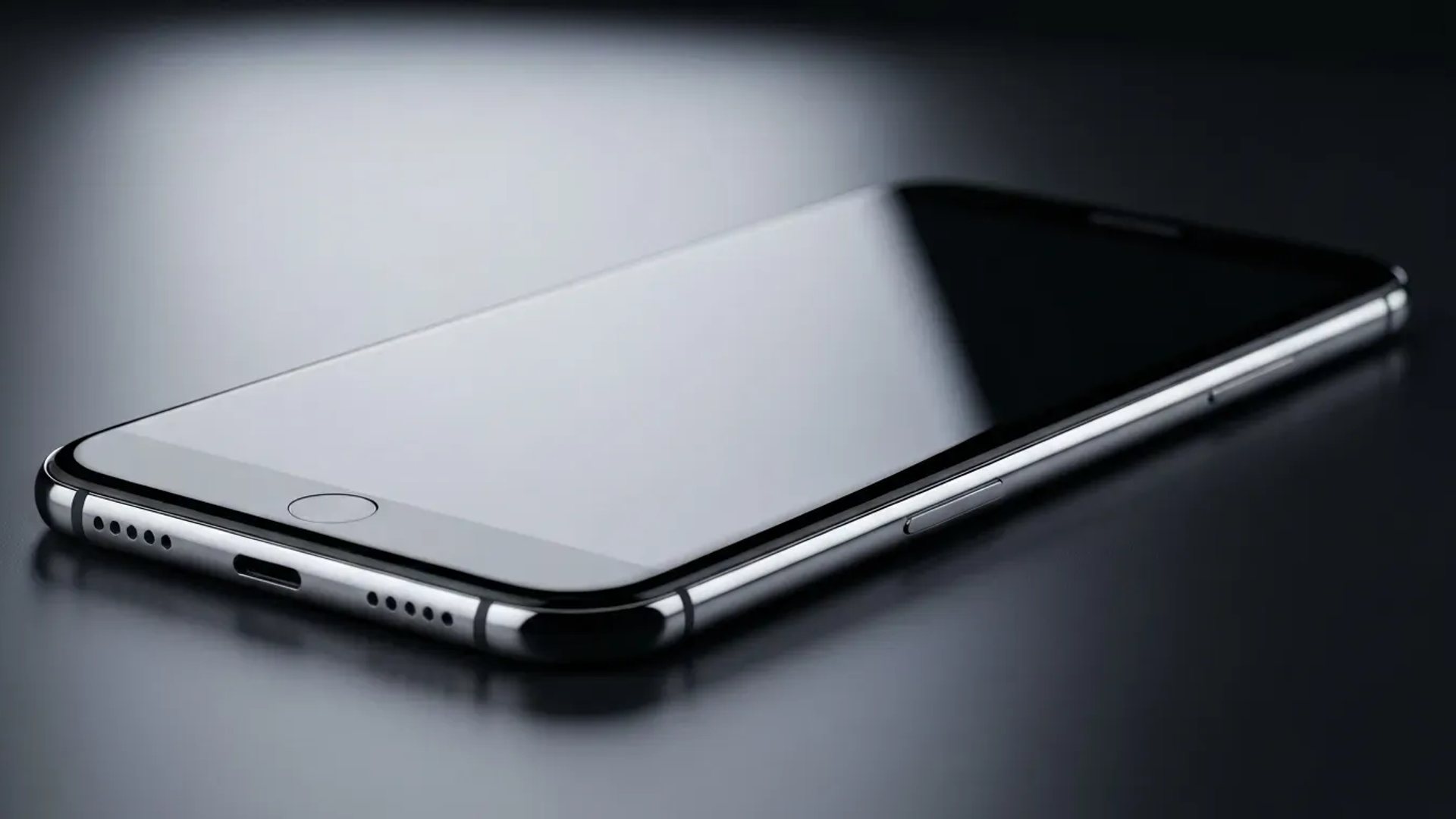
 Imagine holding a device so sleek it feels less like hardware and more like a seamless extension of your hand. As we navigate the technological landscape of 2026, the era of bulky, cumbersome electronics is officially fading into history. You no longer have to sacrifice raw processing power for breathtaking aesthetics in the pursuit of mobile perfection.
Manufacturers are now pushing the absolute boundaries of physics, seamlessly blending aerospace-grade titanium and glass with cutting-edge engineering. This relentless drive for elegance has given rise to the ultra-thin luxury phone, a sophisticated category that completely redefines status and performance. These devices represent the true pinnacle of modern craftsmanship, offering a distinct edge that commands attention.
In this comprehensive guide, we explore the ten most remarkable devices and technologies leading this slender design revolution. Discover the innovative engineering principles and exotic materials that make these wafer-thin profiles possible without ever compromising on utility. Prepare to witness the stunning future of mobile technology where slim dimensions meet spectacular capability.
Top 10 Groundbreaking Ultra-Thin Luxury Phones & Technologies
The market for the ultra-thin luxury phone prioritizes precise engineering and advanced materials. Manufacturers now reduce device thickness while maintaining structural integrity through titanium frames and specialized glass. This section details the devices and the breakthrough technologies defining this slim form factor.
1. iPhone Air
The iPhone Air defines the modern era of thin smartphones. Boasting an ultra-slim 5.6mm profile, it sets the gold standard for portability. Apple constructs the chassis from recycled titanium and protects the display with advanced Ceramic Shield. The design prioritizes a sleek form factor and includes a universal USB-C port.
2. iPhone 17
Priced at $799, the iPhone 17 establishes a crucial market benchmark. It allows analysts to position other smartphones, including ultra-thin luxury phone variants, against a standard base model. This device perfectly balances essential features with accessibility for a broad user base.
3. iPhone 17 Pro
The iPhone 17 Pro costs $1,099 and represents the premium tier. It offers advanced performance features beyond the capabilities of the ultra-thin iPhone Air. This model targets power users who require a comprehensive smartphone experience rather than just a slim profile.
4. iPhone 13 Mini
Though discontinued, the iPhone 13 Mini remains a legendary reference point for compact design. It features a 5.18-inch screen, a dimension that supports excellent one-handed usability. Its legacy highlights specific market preferences for manageable, pocketable smartphones that defy the "phablet" trend.
5. Google Pixel 8
The Google Pixel 8 measures 5.9 inches in height. Google engineers selected this dimension to prioritize user comfort without sacrificing screen real estate. The form factor reflects a conscious choice for ergonomic handling in daily use.
6. Samsung Galaxy S25
Samsung positions the Galaxy S25 as one of the smallest new flagship smartphones. It stands 5.78 inches high. This compact size appeals to users who reject larger designs in favor of traditional, manageable devices.
| Device Model | Key Dimension/Spec | Price / Feature | Positioning |
|---|---|---|---|
| iPhone Air | 5.6mm Thickness | Recycled Titanium | Ultra-thin Luxury |
| iPhone 17 | Base Model | $799 | Market Benchmark |
| iPhone 17 Pro | Premium Specs | $1,099 | Performance Focus |
| Galaxy S25 | 5.78-inch Height | Compact Design | Manageable Size |
| iPhone 13 Mini | 5.18-inch Screen | Discontinued | One-handed Use |
7. Ultra-thin Glass (UTG)
SCHOTT manufactures Ultra-thin Glass with a thickness of just 0.025 mm. This material is the backbone of the ultra-thin luxury phone market and flexible displays. It allows foldable smartphones to bend repeatedly without breaking, offering the durability required for daily use.
8. High-index Glass Wafers and Waveguides
Manufacturers use High-index Glass Wafers to drastically reduce weight in smart glasses and AR accessories. These components enhance AR/MR experiences by enabling high image quality within a slim profile. They effectively replace bulkier optical solutions of the past.
9. Glass-to-metal Seals
Glass-to-metal seals are critical for protecting sensitive electronic components in compact devices. These seals ensure reliability in space-constrained environments. They prevent moisture, dust, and debris from damaging the internal circuitry of slim electronics.
10. Borosilicate Glass
Borosilicate glass provides exceptional heat, chemical, and temperature resistance. Engineers utilize this material to create robust internal structures. These structures are essential for the precision engineering required in ultra-thin devices where thermal management is a key challenge.
The Evolution of Ultra-Thin Design Principles
Engineers constantly push boundaries to create the ultimate ultra-thin luxury phone. This pursuit demands innovation in component miniaturization and chassis construction. Manufacturers utilize advanced materials to maintain structural integrity while reducing thickness.
Material Innovation Driving Slimness
Achieving a slim profile relies heavily on material science. Titanium and aerospace aluminum alloys replace heavier metals, providing immense strength without adding bulk.
| Material Component | Primary Function | Advantage |
|---|---|---|
| Titanium Alloy | Structural Frame | High strength-to-weight ratio |
| Ultra-Thin Glass (UTG) | Display Layer | Withstands 200,000+ folds |
| High-Density Battery | Power Source | Maximizes mAh in thin chassis |
Design Philosophy: Form vs. Function
Modern design principles require a careful balance. Engineers must fit essential functionalities into restricted spaces, which often leads to strategic compromises.
For instance, a device might feature reduced battery capacity to maintain a sub-7mm thickness. Designers prioritize the profile, forcing innovation in power management efficiency rather than simply increasing cell size.
The Role of Flexible Glass in Foldable Smartphones
Ultra-thin flexible glass serves as a cornerstone technology. It enables the next generation of foldable smartphones, allowing screens to fold without shattering.
These advancements permit innovative designs once deemed impossible. Manufacturers now produce devices that offer large, immersive displays yet fold into compact forms. This evolution pushes mobile technology forward, blurring the lines between phone and tablet.
Navigating the 2026 Ultra-Thin Smartphone Market
In 2026, luxury extends beyond materials like titanium or ceramic. It now includes engineering achievements like the ultra-thin luxury phone. Buyers prioritize devices that balance 5mm profiles with functional hardware.
Key Considerations for Buyers
Reducing device depth often impacts battery size and thermal management. A 5mm chassis leaves less room for massive 5000mAh batteries or 1-inch camera sensors. Buyers must analyze the specifications to ensure the device meets their daily usage requirements.
| Feature | Standard Flagship (2026) | Ultra-Thin Model (2026) |
|---|---|---|
| Thickness | 7.8mm - 8.5mm | 4.8mm - 5.5mm |
| Battery Capacity | 5000mAh - 5500mAh | 3800mAh - 4200mAh |
| Cooling System | Large Vapor Chamber | Multi-layer Graphite |
| Main Camera | 1-inch Sensor | Compact Periscope |
Future Trends in Slim Smartphone Design
Engineers focus heavily on component miniaturization. 2026 designs incorporate advanced flexible glass technologies and stacked logic boards. These methods allow manufacturers to shave millimeters off the frame while maintaining 120Hz refresh rates and high-speed 5G connectivity.
The Enduring Appeal of Compact Devices
Slimness does not always equal a large surface area. A distinct market segment demands ergonomics for one-handed use. Devices like the Samsung Galaxy S25 target this group, offering flagship processors and OLED displays in compact bodies.
"True luxury in 2026 combines 4nm processing power with exceptional portability."
As smartphones evolve, the market emphasizes both visual design and technical capability. Whether choosing a folding unit or a rigid ultra-thin luxury phone, the focus remains on combining aesthetic precision with robust performance.
FAQ (Frequently Asked Questions)
Q1: What is the slimmest smartphone available in 2026?
Answer 1The iPhone Air leads the market with an exact thickness of 5.6mm. It establishes itself as the premier ultra-thin luxury phone by prioritizing a minimal profile. This device offers a sleek alternative to bulkier standard models.
Q2: Are ultra-thin smartphones durable?
Answer 2Manufacturers use Ceramic Shield for scratch resistance, but thinner frames inherently have less rigidity. These designs may sustain impact damage more easily than standard 8mm models. Using a high-quality protective case is strongly advised.
Q3: How does flexible glass impact smartphone design?
Answer 3Flexible glass allows display panels to bend repeatedly without fracturing. This material science is crucial for engineering foldable devices. It enables screens to fold for a smaller footprint or expand for multitasking.
Q4: What are the main drawbacks of ultra-thin phones?
Answer 4Internal space constraints often force hardware compromises. Engineers frequently reduce battery capacity and limit camera sensor dimensions to fit the slim profile. Users may sacrifice some battery life for the aesthetic of a 5.6mm chassis.
Q5: Will foldable smartphones become mainstream in 2026?
Answer 5Yes, foldable devices occupy a significant market share due to improved durability. Consumer data indicates a shift toward these versatile form factors. Users increasingly prefer the flexibility of foldables over traditional rigid slates.
Conclusion
As we navigate 2026, the smartphone landscape is being redefined by the relentless pursuit of the ultimate ultra-thin luxury phone. Innovations like the sleek iPhone Air and cutting-edge ultra-thin flexible glass prove that aesthetic perfection no longer requires sacrificing durability. This design revolution represents the pinnacle of mobile engineering.
When selecting your next flagship device, look beyond the surface to ensure the slim profile truly supports your daily demands. You must carefully weigh the trade-offs between a razor-thin chassis and essential factors like battery life. Prioritize a device that offers a harmonious balance of ergonomic comfort and high-performance functionality.
Now is the perfect time to embrace the future of connectivity. Explore the latest innovations in ultra-thin smartphones to find the perfect blend of design and technology. Step into this exciting new era of luxury mobile devices and upgrade your personal style today.