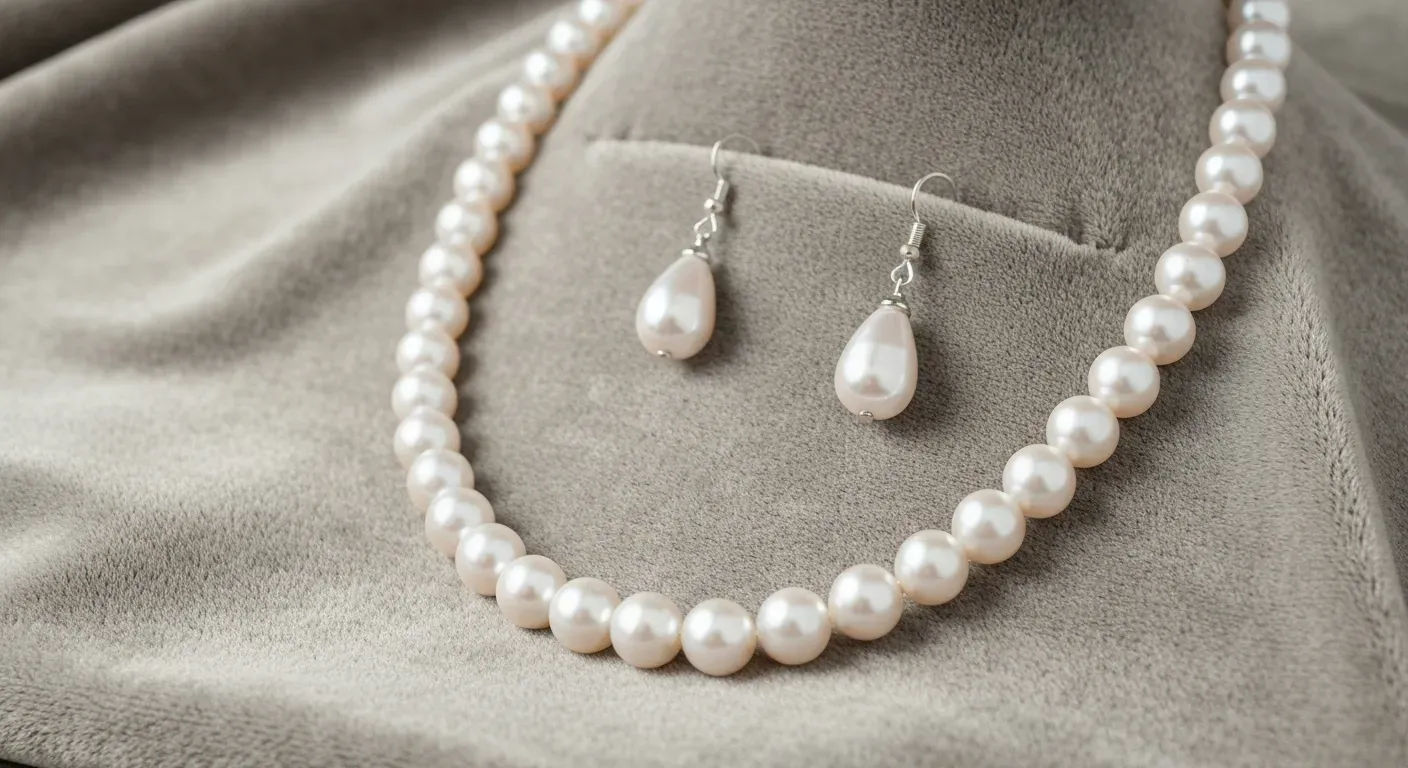
Pearls have charmed people for ages. They are naturally beautiful and always look good. They mean class. But looking at shiny pearls brings a tough question. Should you pick freshwater or saltwater pearls? Knowing the small differences between them helps you buy pearls you will love.
While saltwater pearls have long held the crown for prestige, modern cultivation techniques have elevated freshwater pearls to stunning new heights. Selecting the right piece of luxury pearl jewellery requires balancing aesthetics, budget, and long-term value. Whether you seek the mirror-like lustre of an Akoya or the durability of a freshwater gem, knowing the facts is key.
This guide will navigate you through the defining characteristics of Akoya, Tahitian, and South Sea pearls to help you make an informed decision in 2026. We will compare lustre, shape, and investment potential to ensure you find the perfect match. Get ready to discover which pearl type truly deserves a place in your fine jewellery collection.
Understanding Pearl Types for Luxury Jewellery
Choosing the right gem matters for fine pearl jewelry. Buyers must know how pearls are grown and where they come from. This helps them find the true value. The market has different kinds of pearls. Some are for everyday wear. Others are for investing. Knowing these differences helps you buy smart.
1. Freshwater Pearls: Variety and Value
Freshwater pearls are cultivated in mussels within lakes and rivers. Because these mollusks can produce multiple gems simultaneously—sometimes up to 30 at once—the supply volume is significant. This abundance results in a vast spectrum of shapes, sizes, and soft pastel colors rather than deep metallics.
What it means in real life:
Their shells are strong. They resist chips and wear. They are more durable than delicate shells. Saltwater shells shine more. But these shells cost less. They come in many kinds. This makes them good for new collectors.
Actionable Tip: For a high-end look on a budget, seek out “Edison” style freshwater pearls. These are bead-nucleated to mimic the roundness and size of saltwater pearls at a fraction of the price.
2. Saltwater Pearls: Elegance and Exclusivity
Sourced from oysters in marine environments, saltwater pearls are the epitome of traditional luxury. These oysters typically yield only one pearl at a time, a biological limitation that creates scarcity and drives higher price points. Collectors prize them for their brilliant lustre and often perfectly round shapes.
What This Means:
Growing these plants needs specific ocean conditions. This makes them costly and special. They are rare. This makes them valuable in fancy markets. They hold their worth better than plants grown in fresh water.
Actionable Tip: When purchasing, prioritize lustre over size. A smaller, highly reflective saltwater pearl often holds more value and beauty than a larger, dull one.
3. Akoya Pearls: Classic Lustre
Akoya pearls function as the standard for classic saltwater gems. Renowned for their bright, mirror-like lustre, they typically exhibit classic white or cream hues, often with desirable rose overtones. Jewelers frequently select Akoyas for timeless pearl necklaces and stud earrings.
What This Means:
With sizes typically ranging from 6mm to 8mm, Akoyas offer consistency that makes them ideal for matched strands. They are the “little black dress” of pearls—essential for formal wear and professional settings.
Look for “Hanadama” if you want the best Akoya pearls. This label means they have the brightest shine and a smooth surface.
4. Tahitian Pearls: Exotic Allure
Cultivated in the saltwater oysters of French Polynesia, Tahitian pearls are famous for their natural dark body colors. The spectrum ranges from deep greens and greys to blues and blacks. Unlike dyed freshwater pearls, these colors occur naturally, adding a specific mystique and rarity to the gem.
Practical Ideas:
The dark color makes jewelry look heavier. This is good for pendants that stand out. It helps buyers who want something different from plain white necklaces.
Actionable Tip: When selecting Tahitian pearls, look for the “Peacock” overtone—a shimmering mix of green, rose, and gold on a black body. This is widely considered the most valuable and sought-after color variation.
5. South Sea Pearls: Grandeur and Investment
Grown in the Pinctada maxima oyster, South Sea pearls rank as the largest commercially available saltwater pearls. They feature a satin-like, shimmering appearance rather than a sharp mirror reflection. Common tones include silver-white and deep gold.
What This Means in Real Life:
Due to their large size (often exceeding 10mm) and long growth period, they represent a significant investment in fine jewellery. Their substantial presence commands attention, making them the ultimate status symbol in the pearl world.
Actionable Tip: For investment purposes, prioritize Deep Gold South Sea pearls. The deeper and more saturated the gold tone, the higher the market value and rarity.
Pearl Comparison Guide
| Pearl Type | Source | Typical Colors | Key Characteristic | Ideal For |
|---|---|---|---|---|
| Freshwater | Mussels | Soft Pastels | Variable shapes | Everyday Wear |
| Akoya | Oysters | White, Cream | Mirror-like luster | Classic Necklaces |
| Tahitian | Oysters | Black, Green, Blue | Dark, exotic tones | Statement Pendants |
| South Sea | Oysters | White, Golden | Largest size | Investment Pieces |
Key Differences: Freshwater vs. Saltwater Pearls in 2026
Buyers in 2026 must distinguish between distinct pearl categories. The environment and cultivation method dictate the final appearance and cost. Understanding these technical differences helps buyers select the right piece for their collection.
Origin and Cultivation
Freshwater farms use mussels in lakes and rivers. One mussel makes many pearls at once. This means farmers get a lot of pearls. Saltwater farms put oysters in the ocean. These oysters usually grow one pearl. This makes pearls rare. Rare pearls cost more. This affects the price of fancy pearl jewelry.
Lustre and Surface Finish
Saltwater pearls shine bright. They have a sharp, mirror-like finish. Freshwater pearls have a softer, satin glow. The best freshwater pearls can look as shiny as saltwater pearls. But most saltwater pearls shine better.
Note: Lustre quality serves as the primary indicator of pearl value in the 2026 market.
Shape and Colour Variety
Saltwater pearls are round. Akoya pearls are white or cream. Tahitian pearls are dark black. South Sea pearls are deep gold. Freshwater pearls are often misshapen. They come in pink, lavender, and white. Designers like these unique shapes.
Durability and Nacre Thickness
Freshwater pearls consist almost entirely of solid nacre. This composition prevents peeling and resists wear exceptionally well. Saltwater pearls feature a bead nucleus with a nacre coating. The thickness of this layer determines the pearl's lifespan; buyers must verify nacre depth when purchasing saltwater strands to ensure the pearl remains intact over decades.
Price Point and Investment Potential
Freshwater pearls cost less due to high supply, serving as accessible accessories for daily wear. Saltwater pearls hold higher value over time. Investors prioritize saltwater strands for their rarity and market stability.
| Feature | Freshwater Pearls | Saltwater Pearls |
|---|---|---|
| Source | Mussels (Lakes/Rivers) | Oysters (Oceans) |
| Shape | Often Irregular/Baroque | Typically Round |
| Lustre | Soft, Satin Sheen | High, Mirror-like |
| Composition | Solid Nacre | Bead Nucleus + Nacre |
| Primary Colors | Pastels, White | White, Cream, Gold, Black |
Choosing the Right Pearl Jewellery for You in 2026
Pick the right pearls. Look at your life and your money. In 2026, people want pearls that last. They also want pearls that match many outfits. Know about pearls. Then you will buy wisely.
Consider Your Style: Necklace, Earrings, or Pendant?
Identify the primary use for your luxury pearl jewellery. A classic pearl necklace suits formal events, while pearl studs work for daily office wear. Statement pendants often serve as focal points for evening attire. Assess your current collection before adding a complete pearl set and match the jewellery type to your wearing frequency.
Budgeting for Quality: Freshwater vs. Saltwater Investment
Your budget dictates the pearl origin. Freshwater pearls offer diverse shapes and lower price points due to higher harvest yields. Saltwater pearls, like Akoya or South Sea, present higher lustre and scarcity. Investors often favor saltwater varieties for long-term value retention.
| Feature | Freshwater Pearls | Saltwater Pearls |
|---|---|---|
| Source | Mussels (Rivers/Lakes) | Oysters (Ocean) |
| Yield per Shell | 30-40 pearls | 1-2 pearls |
| Shape | Often off-round/baroque | Typically round/near-round |
| Nacre Composition | Nearly 100% solid nacre | Thin nacre over bead nucleus |
Beyond Pearls: Exploring Gemstone Jewellery and Pre-owned Watches
Diversify your portfolio beyond pearls. Gemstone jewellery adds color and hardness variations, such as sapphires which rank 9 on the Mohs scale. The market for pre-owned watches also offers alternative luxury investments for 2026. These items often complement pearl pieces, creating a cohesive, high-value collection. Mixing textures, like metal watch bands with organic pearl surfaces, creates visual interest.
Caring for Your Investment Quality Pearls
Proper maintenance extends the life of investment-quality pearls. Pearls rank 2.5 to 4.5 on the Mohs hardness scale, making them softer than most gems. Wipe pearls with a soft cloth after wearing to remove skin oils.
Care Tip: Store pearls separately from diamonds or metal chains. Harder gemstones scratch the pearl surface upon contact.
Store them in a soft pouch rather than an airtight plastic bag. Pearls require trace amounts of moisture from the air to prevent cracking.
FAQ (Frequently Asked Questions)
Q1: Are freshwater pearls durable enough for everyday wear?
A1: Yes, freshwater pearls are highly durable due to their solid nacre composition. They resist chipping and wear well, making them suitable for daily use.
Q2: What is the primary difference in lustre between freshwater and saltwater pearls?
A2: Saltwater pearls typically exhibit a sharper, mirror-like lustre. Freshwater pearls often have a softer, satin-like sheen, though high-quality ones can be very lustrous.
Q3: Which type of pearl is generally considered a better investment?
Saltwater pearls are good investments. South Sea and Tahitian pearls are rare. They are worth more money.
Yes. Dyed pearls can be luxury jewelry.
A4: While dyed pearls can be beautiful, natural colors are typically more prized in luxury jewellery. Tahitian pearls are valued for their natural dark hues, not dyeing.
خاتمة
In 2026, choosing between freshwater and saltwater pearls is key for luxury pearl jewelry collectors. Both kinds offer great value. They have different looks and investment potential. Freshwater pearls are easier to find. Saltwater pearls are rarer. Either choice will make your collection look fancy.
Pick the best gem. Look closely at its shine, color, shape, and where it came from. Think about your life. Do you want a modern freshwater set you can wear often? Or a fancy saltwater necklace that feels special? Compare your options. This helps you find a gem that fits what you want in fine jewelry.
Now is the perfect time to embrace the allure of pearls and transform your look with a statement of elegance. Explore our curated collection of exquisite pearl jewellery to find the specific design that elevates your style for 2026 and beyond. Discover your perfect match today and invest in a treasure that offers enduring beauty.