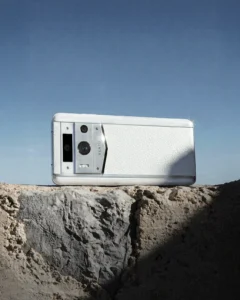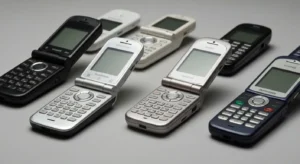
Imagine holding a device that once redefined global communication, yet now feels remarkably substantial compared to today’s ultra-thin glass slabs. As we navigate through 2025, the appreciation for vintage technology is reaching new heights, transforming what was once considered electronic waste into valuable historical artifacts. These early gadgets represent pivotal leaps in innovation, making collector's phones highly sought-after items for serious enthusiasts and savvy investors alike.
Beyond the satisfying click of physical keypads or the nostalgic charm of monochrome pixelated screens, acquiring these devices is a crucial step in preserving mobile phone history. It is not merely about owning old electronics; it is about curating a physical timeline of the incredible cell phone evolution that has fundamentally shaped our modern society. In this article, we will delve into the fascinating stories behind iconic devices, examine their lasting historical significance, and uncover exactly why these classic mobile treasures are essential additions for any true mobile history buff.
The Top 7 Best Early Collector's Phones to Own in 2025
As we move further into the digital age, the appreciation for vintage technology grows. Collector's phones are no longer just obsolete electronics; they are tangible pieces of history that tell the story of human connection. From the “brick” to the first sleek touchscreens, owning these devices in 2025 offers a nostalgic journey through the evolution of communication.
1. Motorola Dynatac 8000X
إن Motorola Dynatac 8000X, released in 1984, is the genesis of mobile history. As the first commercially available mobile phone, it offered only basic calling capabilities. Its significant size—often referred to as “the brick”—and notoriously short battery life highlight the immense evolution of mobile technology. Today, it stands as a foundational piece for any phone museum collection, representing the very first step toward a wireless world.
2. IBM Simon
Often considered the first true smartphone, the IBM Simon (1994) was decades ahead of its time. It pioneered the touchscreen interface, integrating features like a calendar and address book long before they were standard. This device offered an early glimpse into the multi-functional devices of today, representing a key step in smartphone history that bridges the gap between PDAs and cellular technology.
3. Nokia 9000 Communicator
Launched in 1996, the Nokia 9000 Communicator revolutionized mobile communication by bringing internet access to a handset. Its unique clamshell design revealed a full keyboard and screen, marking a significant stride towards the mobile internet era. It remains a prime example of classic mobile devices designed for the serious professional.
4. BlackBerry
Emerging in 1999, BlackBerry devices became synonymous with mobile messaging and productivity. Known for their satisfying tactile keyboards and robust email capabilities, they popularized push email and secure communication. These devices shaped the early landscape of mobile data services and remain highly collectible mobile phones for those who miss physical keys.
5. Nokia 7600
إن Nokia 7600, released in 2003, stands out as a design icon. It was an early adopter of 3G capability, signaling the move towards faster mobile data speeds. However, it is best known for its distinctive “teardrop” shape. This radical departure from standard ergonomics makes it a unique item among vintage phones and a testament to early mobile technology advancements in fashion and form factor.
6. Apple iPhone
Announced in 2007, the Apple iPhone redefined the smartphone industry entirely. By seamlessly combining a music player, internet browser, and phone with an intuitive touchscreen, it ushered in the era of mobile computing and apps. It is a cornerstone of smartphone history, marking the moment phones became pocket computers.
7. Android Smartphone
Following the iPhone, the first Android smartphone launched in 2008, rapidly becoming a major competitor. Its open platform fostered a vast app ecosystem, offering users unparalleled choice and customization. This device represents the diverse evolution of mobile technology and the democratization of the smartphone market.
“Collecting these devices is not just about hoarding hardware; it is about preserving the milestones of human innovation.”
| Device | Release Year | Key Significance |
|---|---|---|
| Motorola Dynatac 8000X | 1984 | First commercial mobile phone; “The Brick” |
| IBM Simon | 1994 | First smartphone; pioneered touchscreen |
| Nokia 9000 | 1996 | Mobile internet pioneer; clamshell design |
| BlackBerry | 1999 | King of productivity and push email |
| Nokia 7600 | 2003 | Unique design; early 3G adopter |
| Apple iPhone | 2007 | Redefined the industry; modern app era |
| Android Smartphone | 2008 | Open platform; vast ecosystem |
In conclusion, building a collection of these collector's phones provides a fascinating physical timeline of technological progress. Whether it is the sheer heft of the Dynatac or the sleek innovation of the original iPhone, each device captures a specific moment when the world became a little more connected.
The Enduring Appeal of Vintage Phones
The fascination with retro technology extends far beyond simple nostalgia; it is an appreciation for the mechanical artistry that defined an era. For enthusiasts, collector's phones represent tangible artifacts of our technological journey, serving as physical anchors to the past. Owning an early mobile phone allows one to hold a piece of history, connecting directly to the pivotal innovations that paved the way for today's sophisticated ecosystems.
“To hold a vintage phone is to hold the moment when the world first decided to cut the cord.”
Tangible History and Design
Each antique cell phone tells a distinct story of design, engineering, and societal change. Unlike the ubiquitous, homogeneous glass slabs that dominate the market in 2025, classic mobile devices feature unique designs and build qualities. The robust construction and distinct aesthetics of retro phones offer a compelling contrast to modern minimalism.
- Tactile Satisfaction: The mechanical click of a keypad or the snap of a flip phone offers sensory feedback lost in touchscreens.
- Diverse Form Factors: From “bricks” to “lipsticks” to “communicators,” design was experimental and bold.
- Durability: These devices were built to withstand the rigors of daily life without protective cases.
For collectors, the hunt for rare and well-preserved vintage phones is part of the excitement. Each acquisition—whether it is a heavy analog brick or an early candy-bar GSM device—adds a unique chapter to their personal phone museum.
A Study in Evolution
The evolution from early mobile phones to the hyper-connected smartphones of 2025 is staggering. Understanding this cell phone evolution is key to appreciating the rapid pace of mobile technology. Collectible mobile phones serve as educational tools, offering insights into the challenges and breakthroughs that have defined the industry.
| Feature | Vintage Collector's Phones | Modern Smartphones (2025) |
|---|---|---|
| Aesthetics | Experimental, mechanical, distinct shapes | Uniform, minimalist, screen-dominant |
| Battery Life | Multi-day standby, low power consumption | High consumption, daily charging required |
| Interface | Physical buttons, monochrome/low-res screens | Haptic touch, AI-driven, high-resolution OLED |
| Durability | Rugged plastics and rubber (High impact) | Fragile glass and polished metal |
These devices remind us of the ingenuity required to transform bulky communication hardware into the pocket-sized supercomputers we rely on today. By preserving these machines, collectors ensure that the origins of our digital lives are never forgotten.
A Strategic Guide to Buying Collector's Phones in 2025
In the sophisticated landscape of 2025, curating collector's phones has evolved into a pursuit that balances historical preservation with investment strategy. When building a collection, condition is paramount. Discerning enthusiasts must look for devices with minimal cosmetic damage and, whenever possible, fully functional components.
Understanding the historical context of iconic mobile devices adds significant value. For example, the utilitarian heft of the Motorola Dynatac or the disruptive interface of the first iPhone represent pivotal shifts in communication culture. Researching the rarity and fluctuating market demand for these vintage phones is essential for making informed acquisition decisions.
The significance of specific features often dictates the desirability of antique cell phones. Devices that introduced groundbreaking technology are particularly sought after as they represent key milestones in cell phone evolution. The IBM Simon is prized for its early touchscreen implementation, while the Nokia 9000 Communicator is legendary for its pioneering internet capabilities. Furthermore, inspecting for original accessories—such as charging cradles or styluses—can drastically enhance a phone's collectibility and value.
| Feature Aspect | Vintage Milestones (e.g., IBM Simon, Nokia 9000) | Modern Luxury (e.g., VERTU Agent Q, Quantum Flip) |
|---|---|---|
| Core Value | Tangible history and technological “firsts” | Exclusivity, craftsmanship, and status |
| Materiality | Early industrial plastics and silicon | Premium materials and luxury finishes |
| Tech Focus | Basic connectivity and early touchscreens | Advanced AI and decentralized computing |
| Data Privacy | Non-existent (Historical standard) | Data sovereignty and enhanced security |
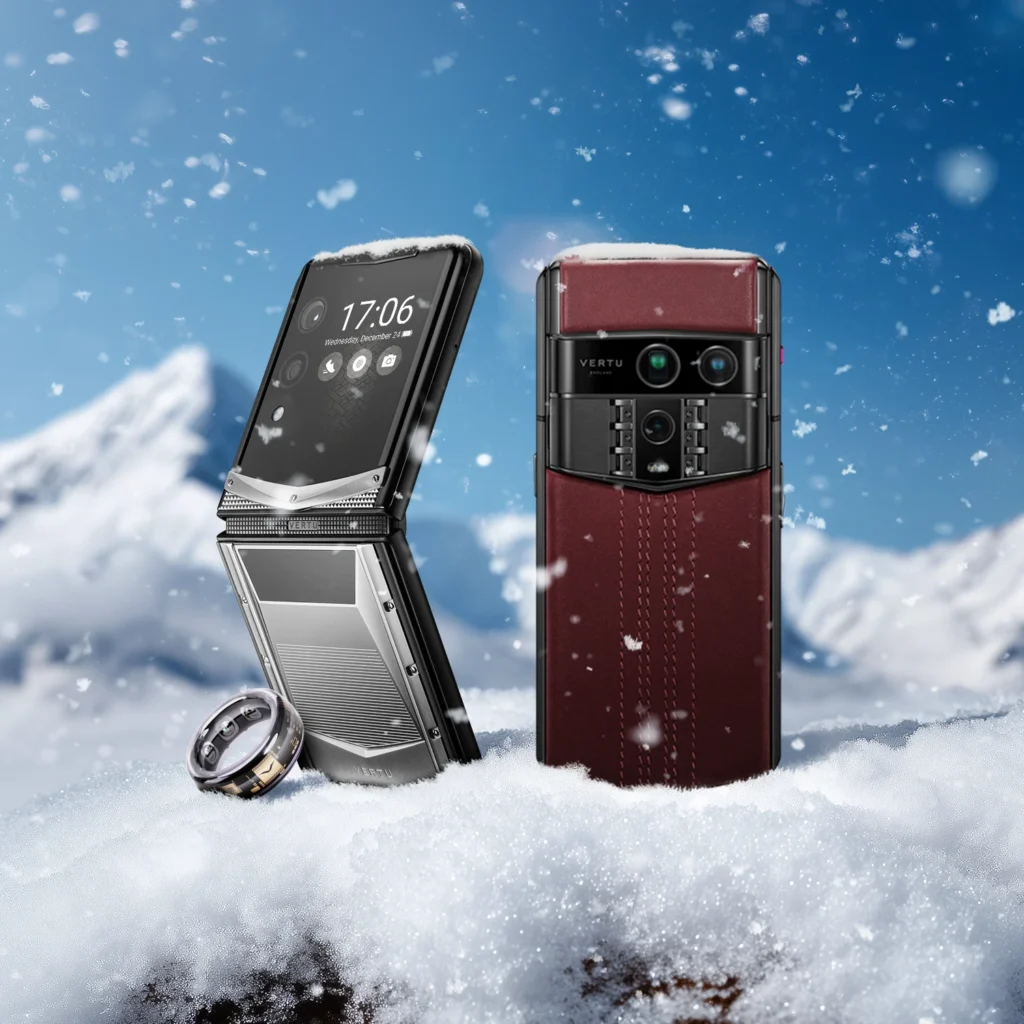
While the primary allure for many remains the tangible history of older devices, examining modern luxury phones like the VERTU Agent Q or Quantum Flip offers a unique counter-perspective. These devices differ vastly from their ancestors but reflect a similar lineage of specialized, high-end mobile devices through their focus on premium materials, advanced AI, and data sovereignty. Regardless of the era collected, responsible stewardship is vital; collectors should always ensure the responsible disposal or e-waste recycling of any damaged mobile devices that are beyond repair or collection.
FAQ (Frequently Asked Questions)
Q1: Do collector's phones actually increase in value over time?
A1: Yes, many rare and iconic models have seen significant appreciation in value. Devices like a sealed first-generation iPhone or the Motorola Dynatac have fetched high prices at auctions. However, value is heavily dependent on the device's cosmetic condition, the presence of original packaging, and its rarity in the current market.
Q2: Can I still use vintage mobile phones on modern networks in 2025?
A2: Generally, no. Most major telecommunications carriers have decommissioned their 2G and 3G networks to make room for 5G and 6G spectrums. While the devices may power on and function as offline handhelds (allowing you to play built-in games or view old contacts), they typically cannot make calls or access the internet.
Q3: What is the most critical factor when buying an antique cell phone?
A3: Condition is paramount. Collectors should look for phones with minimal scratches, no screen rot, and intact buttons. Perhaps most importantly, check the battery compartment for corrosion; old batteries often leak and destroy the internal circuitry, rendering the phone worthless as a functional collectible.
Q4: How should I store my collection to prevent damage?
A4: Always remove the battery from the device if you plan to store it for a long period. Store the phones in a cool, dry place away from direct sunlight, which can yellow plastics and damage LCD screens. Using silica gel packets in your storage area can help control humidity levels.
خاتمة
As we navigate the sophisticated digital landscape of 2025, early collector's phones offer a fascinating window into the past, celebrating the incredible journey of mobile technology. These distinctive devices are far more than just nostalgic gadgets gathering dust; they are genuine artifacts of innovation that map our rapid transition from the heavy, brick-like beginnings of cellular communication to the sleek, powerful tools of today.
Owning these vintage treasures allows enthusiasts to physically hold history, appreciating the daring engineering leaps and design experiments that paved the way for the modern smartphone era. To build a truly meaningful collection, however, you must go beyond casual observation. Start by deeply researching specific models that defined their respective eras, and actively connect with vibrant collector communities to exchange valuable insights.
Ready to build your own museum of mobile history? There has never been a better moment to dive into this rewarding hobby. Start your hunt today by scouring local estate sales or specialized online auctions for that perfect first piece. Whether you are looking for a Nokia brick or an original iPhone, take the first step now to curate your own collection and help preserve a vital part of our technological legacy for future generations.