 Imagine stepping into a boutique in 2026, where the choice isn't just about silhouette, but the very molecular structure of your frames. The boundary between artisanal heritage and digital craftsmanship has blurred, presenting a complex decision for style connoisseurs. Are you ready to trade the warmth of timeless acetate for the bespoke, microscopic precision of additive manufacturing?
As technology accelerates, the definition of high-end fashion is evolving to prioritize material innovation alongside exclusivity. Discerning collectors now seek edge luxury eyewear that seamlessly combines avant-garde aesthetics with unparalleled durability and featherlight comfort. This shift marks a pivotal era where true sophistication is defined by how perfectly a frame adapts to your unique facial structure.
In this comprehensive showdown, we compare the limitless customization of 3D-printed designs against the proven legacy of traditional frame construction. We will dive into the specific material properties and virtual shopping technologies that are currently transforming the premium optical landscape. Read on to discover which manufacturing approach truly delivers the ultimate experience in high-fashion vision.
The 2026 Material Showdown: 3D Printed vs. Traditional Frames
The eyewear industry stands at a crossroads in 2026. One path leads to high-tech additive manufacturing, while the other preserves century-old craftsmanship. Both define the current state of edge luxury eyewear. This showdown compares the precision of lasers against the warmth of hand-polishing.
1. MYLON by MYKITA
MYKITA utilizes a Selective Laser Sintering (SLS) process for its MYLON collection. This technique creates serially produced frames where the material features a porous structure, giving the surface a distinct tactile quality unlike smooth plastic.
The construction prioritizes ergonomics. The frames are exceptionally light, significantly reducing pressure on the nose bridge. The robust design withstands daily wear without losing shape, successfully merging industrial repeatability with individual comfort.
2. GÖTTI Dimension Collection
GÖTTI manufactures the Dimension Collection in Switzerland, employing advanced 3D printing techniques to build extremely fine structures. The process eliminates the need for screws or soldering in the front frame, resulting in a seamless look.
The resulting surfaces are flawless and uniform. This method achieves a minimalist aesthetic by removing unnecessary bulk found in standard injection molds. The frames offer a high-quality finish that rivals traditional materials in both look and feel.
3. HOET COUTURE
HOET COUTURE shifts the focus to metal, using laser-printed titanium. This method allows for complex geometries impossible with traditional casting, as the laser melts titanium powder layer by layer.
Production happens on-demand, which reduces stock waste significantly. It offers high personalization for specific facial measurements. The open structure designs reduce weight while maintaining the inherent strength of titanium.
4. KLENZE & BAUM
KLENZE & BAUM crafts frames from laser-sintered polyamide powder. This material ensures extreme lightness, allowing the frames to remain flexible and adapt to the wearer's head shape. This flexibility prevents snapping under tension.
A patented screwless hinge enhances durability. This mechanism eliminates common breakage points found in standard glasses. If the hinge disconnects under stress, users can simply reassemble it by hand rather than requiring a repair.
5. YOU MAWO
YOU MAWO integrates AI into manufacturing, using 3D scans to map facial topography with millimeter precision. Powder Bed Fusion technology builds the frames based on this data.
This process results in a custom fit that solves pressure point issues common in mass-market frames. The brand sets a benchmark for individualization, ensuring each frame corresponds exactly to the user's biometric data.
6. ROLF
ROLF combines technology with ecology. They use castor beans to create plant-based frames. 3D printing shapes this material with minimal waste, as the process uses only the material required for the frame.
The design includes a screwless hinge mechanism. This approach merges sustainability with structural integrity, proving that eco-conscious manufacturing can produce durable, precise eyewear.
| Brand | Material Base | Key Technology/Feature |
|---|---|---|
| MYLON | Porous Polymer | Selective Laser Sintering (SLS) |
| HOET | Titanium | Laser-printed metal structures |
| YOU MAWO | Polyamide | AI-driven 3D scanning & Powder Bed Fusion |
| ROLF | Castor Beans | Plant-based 3D printing |
| MASUNAGA | Acetate/Titanium | Hand-polishing & manual assembly |
7. MASUNAGA
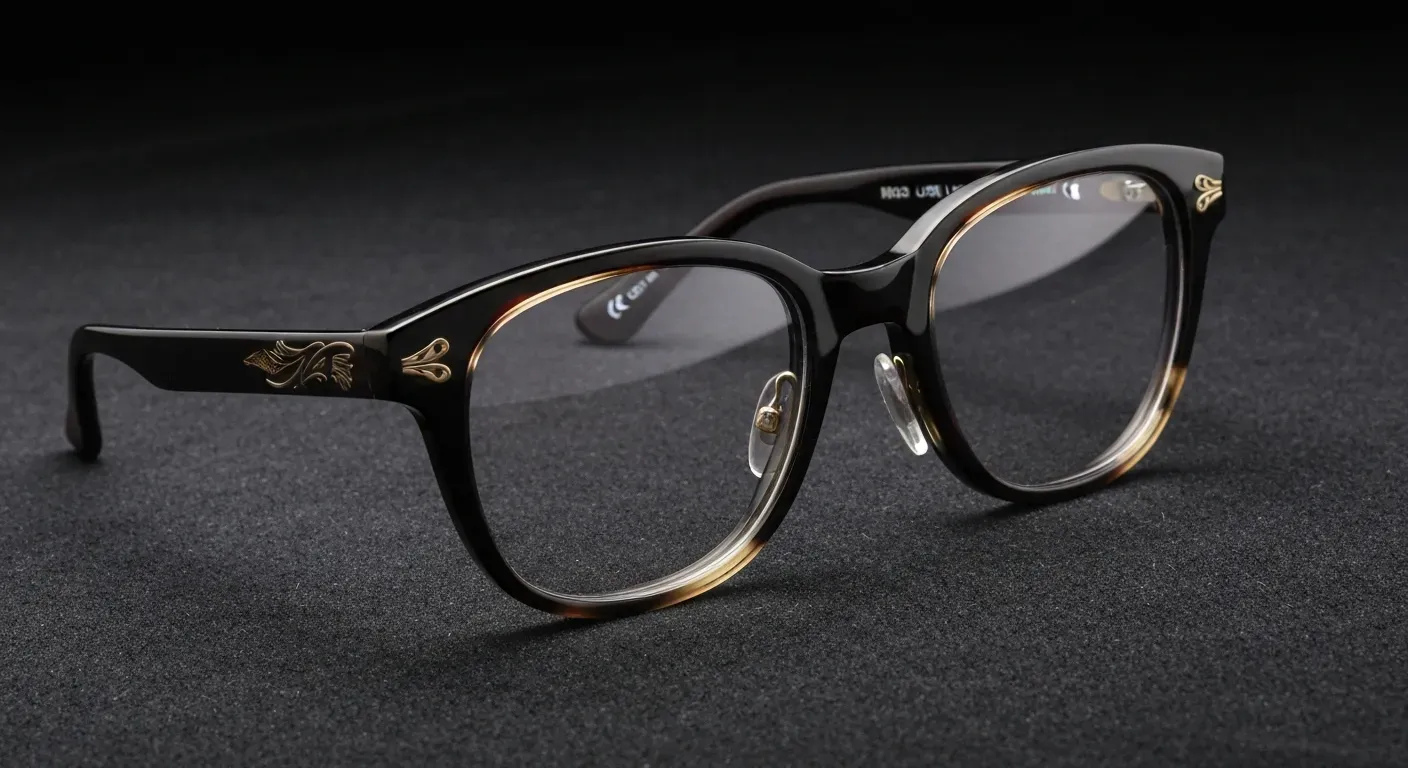
Founded in 1905, MASUNAGA represents history. They use hand-polished acetate and pure titanium, where craftsmen finish every detail manually. The manufacturing process involves over 200 manual steps.
The hinges are durable and precise. This brand prioritizes the tactile feel of polished materials over digital speed, representing the height of traditional Japanese craftsmanship. The finish remains smooth and glossy for years.
8. MATSUDA
MATSUDA treats eyewear as jewelry. The designs incorporate sterling silver and 18K gold accents, drawing inspiration from architecture and fashion history. The frames feature intricate engravings on the metal core wire.
The manufacturing process creates frames with substantial weight, targeting the ultra-luxury segment. The integration of precious metals requires specialized handling, offering unparalleled elegance distinct from printed plastics.
9. EYEVAN
EYEVAN balances modern machinery with manual tools. They manufacture exclusively in Japan, using fine raw materials to ensure longevity. The designs remain classic rather than experimental.
This brand maintains a consistent aesthetic standard. They combine traditional craftsmanship with high-tech machinery for precision cutting. The result is timeless style backed by industrial reliability.
10. Acetate Frames: The Traditional Benchmark
Acetate remains the industry standard for color. It is a cotton-based plastic known for its hypoallergenic properties. It holds intricate shapes after heating and cooling, making it ideal for adjustment.
The material allows for rich, deep color patterns that permeate the entire block of material. This depth is not easily replicated by surface printing. Acetate serves as the cornerstone of premium traditional eyewear manufacturing.
Innovations Shaping 2026 Eyewear
The eyewear industry in 2026 prioritizes sustainability and technological precision. Manufacturers shift away from traditional methods to meet modern demands. This evolution defines the new standard for edge luxury eyewear. Consumers now expect products that balance environmental impact with high-performance specifications.
The Rise of Eco-friendly Materials
Market demand drives the widespread adoption of sustainable resources. Brands now select plant-based plastics like Nylon 11 Powder over standard petroleum-based acetates. This specific material delivers verified strength and flexibility. Recycled metals also feature prominently in frame construction to lower carbon footprints.
Manufacturers integrate these materials without sacrificing structural integrity. The industry proves that environmental responsibility aligns with high-quality production. Brands prioritize these eco-friendly choices to meet specific sustainability targets, ensuring durability and aesthetics remain intact for the end user.
Advancements in 3D Printing Technologies
Production techniques now rely heavily on evolving 3D printing applications. Methods such as Selective Laser Sintering (SLS) and Powder Bed Fusion dominate the manufacturing sector. These technologies allow engineers to create complex, lightweight structures that traditional molding methods cannot replicate.
SLS enables greater precision and significantly faster production times. Powder Bed Fusion bonds material layer by layer to reduce assembly requirements. The table below outlines the operational differences between legacy methods and 2026 printing tech:
| Feature | Traditional Injection Molding | SLS / Powder Bed Fusion |
|---|---|---|
| Design Capabilities | Limited by mold release angles | High (Complex lattices/hollows) |
| Production Speed | Slow (Requires mold fabrication) | Fast (Direct digital production) |
| Material Efficiency | Low (Subtractive waste) | High (Powder reuse) |
| Weight Profile | Standard density | Ultra-lightweight structures |
The Role of Virtual Try-On
Virtual Try-On technology revolutionizes the online shopping experience in 2026. Advanced augmented reality (AR) tools map facial features with high accuracy, allowing customers to visualize exactly how different frames look on their faces in real-time.
“Augmented reality bridges the gap between online convenience and the in-store fitting experience.”
This technology supports the purchasing process for high-end eyewear. Buyers confirm fit and style remotely before committing to a purchase. This capability reduces return rates and increases consumer confidence, representing a critical functional shift in digital retail.
Choosing Your 2026 Eyewear: A Buyer's Guide
Selecting frames in 2026 requires analysis of materials and mechanics. Buyers now prioritize technical specifications alongside aesthetic design. Whether you prefer additive manufacturing or hand-carved acetate, the market offers diverse solutions. This guide breaks down the essential criteria for selecting edge luxury eyewear.
Understanding Material Properties
Material composition defines the frame's lifespan and daily wearability. 3D-printed frames utilize nylon or titanium powders to achieve low weight and high flexibility. Conversely, traditional cellulose acetate provides a substantial feel with extensive color options. Buyers must evaluate durability and hypoallergenic ratings based on skin sensitivity.
| Feature | 3D-Printed Nylon | Cellulose Acetate | Titanium |
|---|---|---|---|
| Weight | Ultra-light (<15g) | Medium (>25g) | Light (15-20g) |
| Flexibility | High elasticity | Rigid structure | High tensile strength |
| Texture | Matte/Granular | Glossy/Smooth | Metallic/Plated |
| Adjustment | Heat-free | Requires heat | Mechanical bending |
The Importance of Fit and Comfort
Precise measurements prevent pressure points behind the ears and on the nose bridge. Customizable 3D-printed eyewear allows users to specify bridge width and temple length to the exact millimeter. Traditional frames often require manual adjustment by opticians to match face geometry.
Advanced Lens Technologies further dictate visual performance. High-index materials reduce lens thickness, while specific coatings manage glare and blue light. Correct alignment of the optical center ensures consistent visual clarity throughout the day.
Style and Personalization Factors
Personalization drives the 2026 luxury market. Manufacturers provide options for custom hinge hardware, laser engraving, and specific color codes. This approach ensures the final product reflects individual preferences rather than mass-market trends.
Aesthetic choices vary widely. Some users select architectural, futuristic frames for a modern profile. Others prefer classic Japanese Eyewear Brands that emphasize manual polishing and heritage techniques. Select the design that aligns with your wardrobe and elevates your look.
FAQ (Frequently Asked Questions)
Q1: Are 3D-printed frames durable enough for daily wear in 2026?
A1: Yes. Modern edge luxury eyewear utilizes high-grade polymers and titanium powder. Engineers structure these frames for high flexibility and impact resistance. They resist snapping under pressure better than standard plastics, ensuring they withstand daily handling throughout 2026.
Q2: What are the main advantages of traditional acetate frames in 2026?
A2: Acetate retains specific advantages over newer methods. The material allows for deep, embedded colors and hypoallergenic contact with skin. Designers mill intricate patterns directly into the frame, preserving a classic weight and aesthetic found in premium collections.
| Feature | 3D-Printed Frames | Traditional Acetate |
|---|---|---|
| Primary Material | High-grade Polymers / Titanium | Cellulose Acetate |
| Durability | High Impact Resistance | Moderate Flexibility |
| Aesthetic | Complex, Matte Textures | Deep, Glossy Colors |
| Skin Reaction | Biocompatible | Hypoallergenic |
Q3: How does virtual try-on technology enhance the luxury eyewear buying process?
A3: Virtual try-on tools use facial mapping to display accurate fit. Customers visualize style compatibility from home without visiting a store. This precision minimizes sizing errors, leading to significantly reduced return rates and increased buyer confidence.
Q4: Can I get advanced lens technologies with 3D-printed frames?
A4: Absolutely. Manufacturers integrate high-index and progressive lenses into 3D-printed rims. The customization process ensures precise optical alignment. Users receive optimal visual performance alongside the lightweight frame structure.
Q5: Which Japanese eyewear brands are leading in 2026?
A5: Two brands dominate the sector. MASUNAGA produces frames with strict attention to mechanical detail and craftsmanship. MATSUDA incorporates precious materials into their designs. Both define the high-end market standard for 2026.
خاتمة
As we navigate the 2026 eyewear landscape, the choice between the heritage of acetate and the innovation of 3D printing creates a fascinating dichotomy. Both avenues offer distinct pathways to achieving true edge luxury eyewear, blending premium aesthetics with unique personal values. Whether you prefer the warmth of handcrafted Japanese frames or the bespoke precision of additive manufacturing, high-end style has never been more accessible.
To find your ideal match, carefully evaluate your priorities regarding material sustainability, weight, and specific customization needs. We highly recommend utilizing modern virtual try-on tools to visualize how these distinct textures and shapes complement your features before buying. By aligning your selection with your lifestyle, you ensure your next investment piece offers both lasting comfort and sophisticated flair.
Now is the perfect time to redefine your look with a pair that truly represents your 2026 style evolution. Don't settle for the ordinary when you can experience the pinnacle of optical engineering and design. Explore our curated collection of the latest 3D-printed and traditional designer eyewear today to discover your new signature frame.