
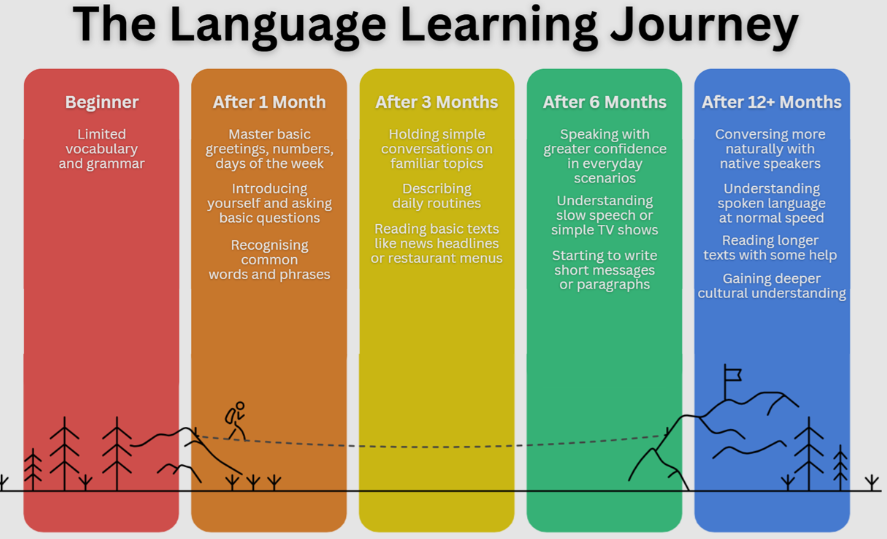
Are you ready to unlock a world of new possibilities in 2025? Mastering a new language is more than just memorizing vocabulary; it is a powerful gateway to rich cultures, exciting career opportunities, and deeper human connections. As we step into this new year, the educational landscape is evolving rapidly, making fluency more accessible than ever before.
However, the difference between giving up and achieving mastery often comes down to having the right resources at your fingertips. To navigate this path effectively, you need a strategy supported by the best language learning tools available today.
Whether you are a complete beginner or looking to polish advanced skills, choosing the right software and methods is crucial for efficient progress. This comprehensive guide is designed to equip you with essential knowledge for the year ahead. We will explore what defines a high-quality resource, dive into top-rated options including cutting-edge AI-powered solutions, and help you build a personalized roadmap. Let’s prepare to achieve your linguistic goals with confidence and precision.
Understanding the Landscape of Language Learning Tools in 2025
In the rapidly evolving educational sector, language learning tools have transformed from simple textbooks to sophisticated digital ecosystems. These resources are essential assets designed to streamline the complex process of acquiring a new language, ensuring learners can navigate global communication with confidence and efficiency.
What Exactly Are Language Learning Tools?
Fundamentally, language learning tools are digital or physical resources designed to help you acquire a new language. While the category traditionally included dictionaries and flashcards, the 2025 landscape is dominated by integrated software solutions.
These range from mobile apps and browser extensions to virtual tutors and immersive VR environments. The primary goal remains constant: bridging the gap between a learner's current ability and fluency through structured, accessible support.
Key Principles for Effective Language Acquisition in 2025
Effective learning in 2025 relies on core principles like comprehensible input, spaced repetition, and consistent practice. Modern tools leverage data to ensure learners are neither bored nor overwhelmed.
“True proficiency requires exposure to content that is slightly above the learner's current level, processed through active engagement.”
To understand the shift in methodology, consider how modern tools optimize the learning process compared to traditional study:
| Methodology Aspect | Traditional Classroom | Modern Digital Tools |
|---|---|---|
| Feedback Loop | Delayed (Homework grading) | Instant (Real-time AI correction) |
| Curriculum Pacing | Fixed class schedule | Adaptive (Spaced Repetition Systems) |
| Content Relevance | Static textbooks | Personalized based on interests |
| Accessibility | Location-dependent | On-demand (Mobile/Cloud) |
The Rise of AI and Digital Resources
AI-powered apps are revolutionizing the field with personalized feedback and conversational practice. Unlike static audio exercises of the past, Generative AI now allows for dynamic role-play scenarios, offering corrections on pronunciation and syntax instantly.
This technology democratizes access to “tutor-like” interactions, making high-level immersion accessible to anyone with a smartphone. By analyzing user performance, these tools create a bespoke learning path that adapts daily to maximize retention and fluency.
Top Language Learning Apps & Programs for Your 2025 Goals
As we step into 2025, the accessibility of education has never been greater. Whether you are aiming to master Spanish for a vacation or learn Mandarin for business, selecting the right language learning tools is the first step toward success. The market is saturated with options, but identifying platforms that align with your specific cognitive style can make the difference between giving up in February and achieving fluency by December.
The Best Language Learning Apps for US Learners
Mobile applications have revolutionized how we approach daily practice. Top-rated apps like Duolingo, Babbel, and Memrise dominate the market, yet they serve very different needs.
Duolingo excels at keeping users motivated through gamification, making it ideal for casual learners building a habit. In contrast, Babbel focuses on conversation-based lessons designed to get you speaking quickly, while Memrise utilizes video clips of native speakers to teach vocabulary in context.
To help you choose, here is a comparison of these leading platforms:
| App Name | Primary Focus | Learning Method | Best For |
|---|---|---|---|
| Duolingo | Gamification & Basics | Short, game-like exercises | Building daily consistency |
| Babbel | Practical Conversation | Structured dialogues & grammar | Travel and real-world usage |
| Memrise | Vocabulary & Listening | Native speaker video clips | Learning slang and nuances |
| Pimsleur | Auditory Learning | Audio-based repetition | Commuters and auditory learners |
Exploring Comprehensive Language Learning Programs
While apps are excellent for vocabulary and maintenance, structured language learning programs often provide the depth required for true proficiency. These programs move beyond simple translation exercises to offer a more immersive and grammar-focused approach.
Pro Tip: Comprehensive programs are designed to simulate a classroom environment, ensuring you understand the structure of the language, not just isolated words.
For 2025, consider investing in software that emphasizes syntax and sentence construction. Unlike casual apps, these programs often require longer study sessions but yield higher retention rates regarding complex grammatical rules. They are essential for learners who need to reach a professional level of fluency rather than just conversational tourism skills.
Leveraging Software for Targeted Skill Development
To supplement your main coursework, utilize specific software for targeted skill development. Flashcard apps like Quizlet are indispensable for efficient vocabulary memorization.
These tools leverage Spaced Repetition Systems (SRS), an algorithmic approach that prompts you to review words right before you are likely to forget them. By integrating SRS tools with comprehensive courses, you create a robust ecosystem for learning. This hybrid approach—using structured programs for grammar and SRS software for vocabulary—optimizes study time and accelerates long-term retention.
2025's Top Language Learning Tool Reviews: A Detailed Comparison
As we navigate 2025, the landscape of language learning tools has evolved from simple flashcards to sophisticated AI-driven ecosystems. Whether you are a visual learner, an auditory processor, or someone who needs social interaction, the current market offers specialized solutions for every learning style. Below is a detailed breakdown of the top contenders.
Duolingo: Gamified Learning for Habit Building
Duolingo remains the king of engagement. Its core philosophy revolves around a gamified system designed to build lasting habits. Users earn XP points, maintain streaks, and collect badges, turning language acquisition into a daily game.
The platform offers short, bite-sized lessons that fit into any schedule, along with engaging “Stories” and Audio Lessons. While the Free version is robust, Super Duolingo removes ads, and the newer Duolingo Max introduces advanced AI features for roleplay and explanation.
Babbel: Structured Lessons for Practical Fluency
For learners seeking a more academic yet practical approach, Babbel offers structured courses designed by expert language teachers. The lessons, typically lasting 10-15 minutes, focus heavily on clear grammar explanations and practical dialogues relevant to real-life situations.
The experience is defined by a minimalist design and effective speech recognition technology to refine pronunciation. For those wanting human interaction, Babbel Live provides virtual classes, bridging the gap between app-based study and classroom learning.
Memrise: Vocabulary Expansion with Native Speaker Videos
Memrise distinguishes itself by focusing on vocabulary building through spaced repetition and immersion. The standout feature, “Learn with Locals,” utilizes videos of native speakers in real-world contexts, helping users understand cadence and slang.
The platform also features user-created courses and MemBot, an AI tool that provides real-time feedback, ensuring that listening and comprehension skills are prioritized alongside vocabulary retention.
| Feature | Duolingo | Babbel | Memrise |
|---|---|---|---|
| Primary Method | Gamification & Translation | Structured Grammar & Dialogue | Spaced Repetition & Video |
| Key Feature | XP, Streaks, Duolingo Max | Speech Recognition, Live Classes | Learn with Locals, MemBot |
| Lesson Length | Bite-sized (Micro-learning) | 10-15 Minutes | Flexible/Short |
Pimsleur: Audio-Focused for Speaking and Listening
Pimsleur is the ideal choice for auditory learners and commuters. The method emphasizes speaking and listening from Day 1, utilizing hands-free 30-minute audio lessons. Users learn through hearing and mimicking, which is excellent for developing speech patterns without the distraction of text. With courses in 51 languages and downloadable lessons, it allows for offline learning where the primary goal is pronunciation and conversational rhythm.
Rosetta Stone: Immersive Learning Through Visuals
Rosetta Stone continues to champion the immersive method. Unlike other apps that translate words, this tool forces you to learn through context, using only the target language. The experience relies heavily on matching visuals with audio, simulating how we learn our first language. It features TruAccent speech recognition and bite-sized lessons that foster an intuitive understanding of grammar and syntax without explicit rules.
HelloTalk: Connecting with Native Speakers
HelloTalk moves away from structured coursework to focus on social application. It connects users directly with native speakers around the world. The app includes an AI tool for matching users based on interests and language goals. It provides a platform for real-time feedback from native speakers via text, voice, and video, making it a powerful tool for cultural exchange and social interaction.
ChatGPT: AI Conversation Partner for Practice
While not a traditional course, ChatGPT has emerged as a formidable practice partner. It supports multiple languages and allows users to discuss a wide range of real-life topics. The “Speak” feature enables pronunciation practice, while the AI's ability to provide fast replies creates a fluid conversational flow. It serves as an on-demand tutor capable of role-playing specific scenarios.
| Tool | Core Focus | Unique Technology |
|---|---|---|
| Pimsleur | Audio/Speaking | Hands-free Audio Lessons |
| Rosetta Stone | Visual Immersion | TruAccent Speech Recognition |
| HelloTalk | Social Connection | AI User Matching |
| ChatGPT | Open Conversation | Generative AI & Speak Feature |
Strategies for Sustaining Momentum and Achieving Fluency in 2025
Achieving language proficiency in 2025 requires moving beyond casual app usage toward a strategic, multi-faceted approach. While technology provides the foundation, sustaining momentum demands intentional habits and a shift from passive consumption to active engagement.
Overcoming Motivation Dips and Common Pitfalls
The “intermediate plateau” is a notorious phase where progress feels stagnant, often leading to burnout. To combat this, utilize modern language learning tools that incorporate gamified features such as streak tracking and leaderboards to maintain daily engagement. However, relying solely on algorithms is insufficient.
- Micro-Goals: Break large ambitions into manageable tasks (e.g., “Learn 5 new verbs today” vs. “Learn Spanish”).
- Community: Join language exchange communities or Discord servers. Social accountability is a potent antidote to isolation.
The Power of Blended Learning: Beyond Apps
To achieve true fluency, learners must combine digital convenience with immersive depth. A blended learning strategy integrates apps with structured courses, live tutors, and media immersion. This ensures that vocabulary learned digitally is reinforced through real-world context.
| Component | App-Only Learning | Blended Learning Approach |
|---|---|---|
| Primary Focus | Vocabulary & Syntax Drills | Context, Culture & Conversation |
| Feedback Loop | Automated/Binary (Right/Wrong) | Nuanced Human Correction |
| Skill Development | Passive Recognition | Active Production & Speaking |
| Retention Rate | Lower (Rote Memorization) | Higher (Emotional Connection) |
Setting Realistic Goals and Tracking Progress
Fluency is not a destination but a continuous process of improvement. Focus on consistent conversation practice rather than perfection. Set goals centered on active speaking—such as recording a weekly audio diary or booking a tutor session—rather than just passive listening.
“Consistency beats intensity. It is better to practice speaking for 15 minutes daily than to study grammar for five hours once a week.”
By tracking tangible milestones, such as the ability to order a meal or understand a news segment, learners can visualize their progress and maintain the drive necessary for long-term success.
FAQ (Frequently Asked Questions)
Q1: What are the most effective free language learning tools available in 2025?
A1: For free resources, Duolingo remains the top choice for gamified learning, while Memrise offers excellent free tiers for vocabulary. Additionally, ChatGPT (free version) is an incredible tool for conversation practice and grammar explanations. For listening, podcasts and YouTube channels dedicated to language learning are invaluable free assets.
Q2: Can I become fully fluent using only mobile apps?
A2: While apps are powerful for building vocabulary and basic grammar, achieving full fluency usually requires more. Apps are best used as a foundation. To reach high-level fluency, you must supplement app usage with real-world conversation, consumption of native media (movies, books), and ideally, interaction with native speakers or tutors.
Q3: How do AI-powered tools compare to human tutors?
A3: AI tools offer unmatched convenience, instant feedback, and low cost, making them perfect for daily practice and drilling. However, human tutors provide cultural nuance, emotional connection, and the ability to understand complex context that AI still struggles with. The best strategy is often a hybrid approach: AI for daily drills and humans for weekly conversational depth.
Q4: How much time should I spend daily on language learning tools?
A4: Consistency is more important than duration. Spending 15 to 30 minutes every day is far more effective than a single 4-hour session once a week. Short, daily sessions leverage spaced repetition algorithms found in most modern tools, which significantly improves long-term memory retention.
خاتمة
As we step into 2025, the path to fluency has never been more open or exciting. The landscape of language learning tools has evolved tremendously, offering everything from gamified experiences like Duolingo to sophisticated AI-powered assistants and immersive cultural programs. These resources are no longer just optional accessories; they are essential companions that bridge the gap between beginners and fluent speakers, making the acquisition of a new language accessible to everyone, regardless of their starting point.
By leveraging technology, you can transform a daunting challenge into an enjoyable daily habit. To truly harness the power of these innovations, start by honestly assessing your unique learning style and specific goals. Whether you thrive on visual cues, auditory repetition, or interactive conversation, there is a solution tailored to your needs.
Ready to start your journey? Don't wait for the “perfect” time. Download one of the recommended apps today, set a 15-minute daily goal, and commit to your first week of practice. If you found this guide helpful, subscribe to our newsletter for more expert tips, tool reviews, and strategies to keep your skills sharp throughout the year. Your future fluent self starts today!
Powered by OpenSEO.