This comprehensive guide analyzes the leading Swiss watch brands in 2026, evaluating their horological heritage, manufacturing prowess, and investment potential. We explore the pillars of the industry, from the “Holy Trinity” of watchmaking to the titans of industrial luxury that define the global market.
What are the top 10 Swiss watch brands to know in 2026?
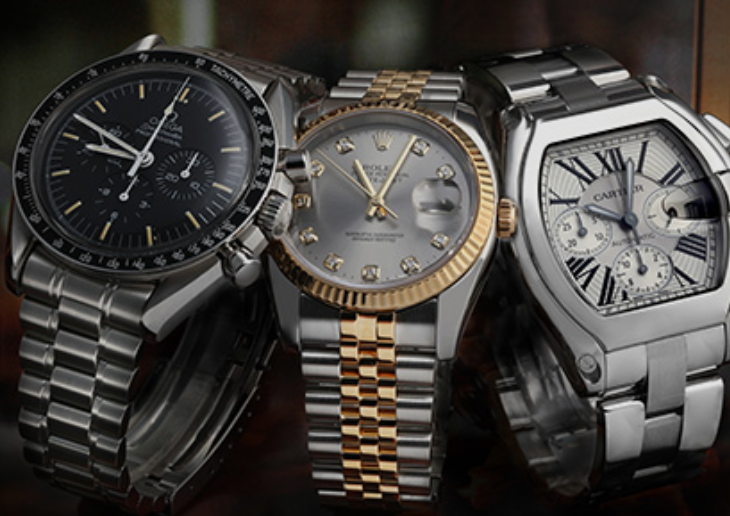
The top 10 Swiss watch brands for 2026 are Rolex, Patek Philippe, Omega, Cartier, Audemars Piguet, Vacheron Constantin, Jaeger-LeCoultre, Breitling, IWC Schaffhausen, and Longines. These manufacturers represent the pinnacle of horological excellence, offering everything from entry-level luxury to ultra-high-end complications and proven investment stability.
1. Rolex: The Unchallenged King of Luxury
Rolex remains the most recognized and commercially successful Swiss watch brand in the world. In 2026, the brand celebrates the 100th Anniversary of the Oyster Case, the world’s first waterproof wristwatch housing that fundamentally changed the industry in 1926.
-
Horological Significance: Rolex is the benchmark for reliability. Their “Superlative Chronometer” certification exceeds standard COSC requirements, ensuring precision within $-2/+2$ seconds per day.
-
Iconic Models: The Submariner, GMT-Master II, and the Day-Date “President.”
-
2026 Market Status: With revenues surpassing 10 billion CHF, Rolex dominates approximately 30% of the luxury watch market share.
2. Patek Philippe: The Apex of Haute Horlogerie
If Rolex is the gold standard for luxury, Patek Philippe is the apex of artistic watchmaking. As the leading member of the “Holy Trinity,” Patek Philippe represents the ultimate goal for serious collectors.
-
Manufacturing Excellence: Every watch is finished to the uncompromising standards of the Patek Philippe Seal.
-
Key Anniversary: 2026 marks the 50th Anniversary of the Nautilus (launched in 1976), leading to high-profile commemorative releases.
-
Heritage: Founded in 1839, the brand has remained family-owned (by the Stern family) since 1932, ensuring a consistent vision of “timeless elegance.”
3. Omega: Technical Innovation and Exploration
Omega is the primary competitor to Rolex, often surpassing the “Crown” in terms of technical specifications through its Master Chronometer movements.
-
Technical Prowess: Omega utilizes the Co-Axial escapement and provides anti-magnetic resistance up to $15,000$ Gauss.
-
Historical Legacy: As the “First Watch on the Moon,” the Speedmaster Professional remains a cornerstone of horology.
-
Market Position: Omega serves as the official timekeeper for the Olympic Games and the choice of NASA, cementing its reputation for precision.
4. Cartier: The Master of Shapes
While often viewed as a jeweler, Cartier is statistically the second-largest watchmaker in the world by revenue in 2026.
-
فلسفة التصميم: Unlike many brands focused on circular cases, Cartier specializes in “shaped” watches, such as the rectangular Tank and the square Santos.
-
Historical Milestone: The Santos de Cartier (1904) is widely regarded as the first pilot’s watch and the first purpose-built men’s wristwatch.
-
Aesthetic Appeal: Cartier blends Parisian style with Swiss mechanical movements, appealing to a diverse demographic.
5. Audemars Piguet: The Cultural Powerhouse
Based in Le Brassus, Audemars Piguet (AP) has successfully transitioned from a traditional manufacture into a cultural icon, largely driven by the Royal Oak.
-
The Royal Oak Legacy: Designed by Gérald Genta in 1972, this model created the “luxury steel sports watch” category.
-
Modern Strategy: In 2026, AP has moved almost entirely to a direct-to-consumer model, increasing the exclusivity of its timepieces.
-
Artisanship: Their skeletonized movements and “frosted gold” finishes demonstrate a blend of high-tech and hand-applied art.
6. Vacheron Constantin: 270 Years of Mastery
As the oldest watchmaker in continuous production (founded in 1755), Vacheron Constantin is celebrating its 270th Anniversary in 2026.
-
The Overseas Collection: Their flagship luxury sports watch is celebrated for its versatility, featuring a “quick-exchange” strap system.
-
High Complications: Vacheron is known for the Reference 57260, the world's most complicated mechanical watch with 57 complications.
-
Hallmark of Geneva: Most of their movements bear this prestigious seal, certifying the highest level of Genevan finishing.
7. Jaeger-LeCoultre: The Watchmaker’s Watchmaker
Jaeger-LeCoultre (JLC) is famous for having created over 1,200 unique calibres, supplying movements to nearly every other top-tier Swiss brand throughout history.
-
The Reverso: An Art Deco icon with a swiveling case, originally designed for polo players to protect the crystal.
-
Manufacturing Prowess: JLC is a fully integrated “manufacture,” meaning they create almost every component in-house.
-
Master Control Series: These watches undergo a rigorous “1,000 Hour Control” test, exceeding standard industry certifications.
8. Breitling: The Specialist in Aviation
Since the leadership transition to Georges Kern, Breitling has revitalized its image, focusing on “Air, Land, and Sea” collections.
-
Navitimer: Featuring a circular slide rule, this is the definitive tool watch for pilots.
-
Sustainability: Breitling is a leader in “transparent luxury,” using lab-grown diamonds and recycled packaging.
-
Marketing Focus: The “Breitling Squads” approach has modernized the brand’s appeal, making it more inclusive and lifestyle-oriented.
9. IWC Schaffhausen: Engineering for the Wrist
IWC (International Watch Company) is unique for being located in the German-speaking part of Switzerland, which influences its utilitarian and engineering-focused design.
-
Pilot’s Watches: IWC’s “Big Pilot” and “Mark” series are legendary for their legibility and robust construction.
-
Perpetual Calendars: Thanks to Kurt Klaus’s innovations in the 1980s, IWC offers some of the most user-friendly perpetual calendars on the market.
-
Material Innovation: They pioneered the use of titanium and ceramics (Ceratanium) in watchmaking.
10. Longines: The Heritage and Value Leader
Longines holds a unique position as the volume leader in the luxury segment, offering genuine Swiss heritage at a more accessible price point.
-
Heritage Reissues: Longines excels at bringing back historical designs, such as the Legend Diver and the Heritage Classic.
-
Elegance: Their slogan, “Elegance is an attitude,” is reflected in slim dress watches and refined chronographs.
-
Technical Value: Many modern Longines models feature silicon hairsprings and extended power reserves that rival brands twice their price.
Comparison of Top Swiss Watch Brands (2026)
| Brand | Tier | Key Movement Feature | Iconic Model | Est. Entry Price |
| Rolex | Luxury Tool | Superlative Chronometer | Submariner | $9,100 |
| Patek Philippe | Haute Horlogerie | Patek Philippe Seal | Nautilus | $35,000 |
| Omega | Technical Luxury | Master Chronometer | Speedmaster | $6,500 |
| Cartier | Jewelry/Design | In-house Calibres | Tank | $3,500 |
| Audemars Piguet | Modern Luxury | Open-working | Royal Oak | $25,000 |
| Vacheron Constantin | High Horlogerie | Hallmark of Geneva | Overseas | $22,000 |
| Jaeger-LeCoultre | Technical Heritage | 1,000 Hour Control | Reverso | $8,500 |
| Breitling | Professional/Pilot | COSC Certified | Navitimer | $5,500 |
| IWC | Engineering | Ceratanium Cases | Big Pilot | $5,800 |
| Longines | Accessible Luxury | Silicon Hairsprings | Heritage Classic | $1,800 |
How to Choose the Right Swiss Watch: 4 Essential Steps
-
Determine Your Budget: Swiss watchmaking spans from $500 (Tissot) to over $1,000,000. Identify if you are looking for an entry-level daily wearer or a long-term investment asset.
-
Select Your Style:
-
Tool/Sports: Choose Rolex or Omega for durability.
-
Dress/Elegant: Opt for Patek Philippe or Cartier.
-
Aviation/Racing: Look at Breitling or TAG Heuer.
-
-
Check the “Swiss Made” Label: Ensure the watch meets the 2026 Swissness Ordinance, which requires 60% of manufacturing costs to be generated in Switzerland.
-
Verify Maintenance Requirements: Luxury mechanical movements require servicing every 5 to 10 years. Brands like Rolex and Omega have extensive service networks, while independent “Haute” brands may require shipping back to the manufacture.
Frequently Asked Questions (FAQ)
What does “Swiss Made” actually mean in 2026?
According to current regulations, a watch is “Swiss Made” if its technical development is carried out in Switzerland, its movement is Swiss-assembled and inspected, and at least 60% of the manufacturing costs are incurred in Switzerland.
Is a Rolex the best investment Swiss watch?
Rolex traditionally holds its value better than almost any other brand due to high demand and controlled supply. However, in 2026, Patek Philippe and Audemars Piguet often achieve higher percentage gains on specific rare or discontinued models in the secondary market.
Why are Swiss watches more expensive than Japanese watches?
The premium for Swiss watches is attributed to the “Haute Horlogerie” finishing (hand-polishing, bevelling), the use of precious materials, and the centuries of brand heritage. While Japanese watches like Grand Seiko offer incredible precision, Swiss brands dominate the luxury status and resale sectors.
How often should a mechanical Swiss watch be serviced?
Most modern Swiss brands, including Rolex and Omega, now suggest service intervals of 8 to 10 years thanks to advanced lubricants and materials like silicon. However, water resistance seals should be checked every 2 years if you swim with the watch.
Which Swiss brand is best for a first-time buyer?
Tissot, Hamilton, and Longines are widely considered the best entry points. They offer the prestige of a Swiss-made mechanical movement at prices that are accessible to new enthusiasts.