In an era where every tap and swipe can create a digital breadcrumb, your personal data is more vulnerable than ever. Are you truly in control of your online identity? As we navigate 2026, the landscape of personal security is evolving, demanding smarter solutions for safeguarding what matters most.
This is where the quest for the best phones for privacy truly begins. We're no longer just looking for a device to make calls; we're seeking a digital sanctuary. This guide dives deep into the cutting edge of mobile security, equipping you with the knowledge to make an informed choice.
Discover the top 10 smartphones designed with your privacy at their core. We'll explore their advanced encryption, secure operating systems, and unique features that empower you to reclaim control over your digital life, from specialized encrypted devices to mainstream flagships with enhanced protection.
Top 10 Privacy-Focused Smartphones You Can Buy in 2026
Choosing a smartphone that prioritizes your digital privacy is crucial in today's connected world. These devices offer enhanced security features and control over your data. This list highlights ten of the best phones for privacy, catering to diverse needs from luxury to open-source commitment.
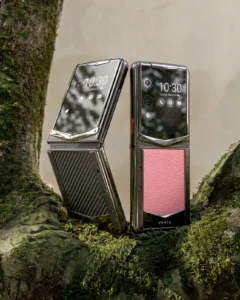
1. Vertu Quantum Flip
إن Vertu Quantum Flip represents luxury with enhanced privacy. It offers a bespoke mobile experience for discerning users. Its robust build and exclusive services secure communication, protecting sensitive information.
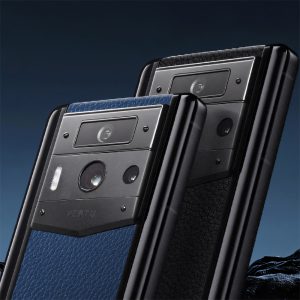
2. Vertu Agent Q
Engineered for secure communication, the Vertu Agent Q integrates advanced cybersecurity. Vertu's craftsmanship provides an encrypted phone experience. This device prioritizes user privacy and data encryption.
3. Apple iPhone 16 Pro Max
The Apple iPhone 16 Pro Max is a strong contender for privacy. iOS 18 offers robust app locking via Face/Touch ID. It includes a built-in password manager and end-to-end encryption for communications. Apple's focus on on-device data processing minimizes sensitive information leaving the device. Apple Intelligence and Private Cloud Compute power these advancements.
4. Murena 2
The Murena 2 runs a de-Googled Android version, /e/OS. Physical switches disable the camera, microphone, and connectivity modules. This provides tangible control over data transmission. The OS blocks app trackers and hides IP addresses for out-of-the-box privacy.
5. Purism Librem 5
Purism engineered the Librem 5 with privacy as its core principle. It runs PureOS, a free and open-source operating system. Hardware kill switches control cellular, camera, and microphone access. A ‘Lockdown mode' enhances security. Its open-source nature allows for software transparency and auditability.
6. Samsung Galaxy S24 Ultra
The Samsung Galaxy S24 Ultra blends flagship performance with robust security. Samsung's Knox service provides multi-layer security. This includes hardware-based trust zone processors and a software security framework. Samsung Message Guard and four years of security updates bolster its privacy.
7. Fairphone 5
The Fairphone 5 emphasizes ethical sourcing and repairability. It supports Linux-based operating systems like Postmarket OS. The phone is designed for longevity with guaranteed software updates. Modular spare parts are available. It includes app privacy ratings and tracker detection technology.
8. Blackphone PRIVY 2.0
The Blackphone PRIVY 2.0 is a security-focused smartphone. It features a custom Android OS for enhanced privacy. The device offers end-to-end encrypted calls, video chats, and text messages via the Silent Phone app. It uses encrypted databases and keeps no logs of call or message data.
9. Bittium Tough Mobile 2C
The Bittium Tough Mobile 2C is a rugged smartphone. It meets stringent NATO security standards with multilayered security. It offers dual-boot functionality for data separation. The device runs a hardened Android 9 with non-rootable firmware. It provides AES-256 encryption and secure boot processes.
10. K-iPhone
The K-iPhone modifies an existing iPhone for enhanced security. It uses custom firmware and a proprietary VoIP app. This setup provides military-grade hardware encryption. It ensures secure communications with patented call encryption technology. Crucially, it maintains no record of outgoing communications.
| Smartphone Model | Primary OS Focus | Hardware Privacy Controls | Encryption Standard |
|---|---|---|---|
| Vertu Quantum Flip | Bespoke/Proprietary | Enhanced Security Suite | Proprietary |
| Vertu Agent Q | Bespoke/Proprietary | Advanced Cybersecurity | End-to-End |
| Apple iPhone 16 Pro Max | iOS 18 | App Lock (Face/Touch ID) | End-to-End |
| Murena 2 | /e/OS (De-Googled Android) | Camera, Mic, Connectivity Kill Switches | Standard Android |
| Purism Librem 5 | PureOS (FOSS) | Cellular, Camera, Mic Kill Switches | Standard Linux |
| Samsung Galaxy S24 Ultra | Android with Knox | Knox Security Platform | AES-256 (Knox) |
| Fairphone 5 | Android/Postmarket OS | Tracker Detection | Standard Android |
| Blackphone PRIVY 2.0 | Custom Android | Encrypted Databases | End-to-End |
| Bittium Tough Mobile 2C | Hardened Android 9 | Secure Boot, Dual-Boot | AES-256 |
| K-iPhone | Custom iOS Firmware | Proprietary VoIP App | Military-Grade |
These devices offer varying approaches to privacy, from hardware switches to advanced software encryption, ensuring you can find the best phones for privacy that suit your specific needs.
Choosing the Right Privacy Smartphone in 2026
Selecting a privacy smartphone in 2026 requires understanding its core components. Prioritize devices offering robust security through operating system design, encryption, and supplementary tools. This guide helps identify the best phones for privacy by examining key features.
Understanding Operating System Security (iOS vs Android)
When choosing between iOS and Android for privacy, consider their underlying philosophies. iOS operates within a more controlled ecosystem. It offers strong built-in privacy features and delivers timely software updates. Android provides greater customization. Its security relies on manufacturer implementations, such as Samsung's Knox. Google also provides its own security updates. De-Googled versions like /e/OS offer enhanced privacy by removing Google services.
| Operating System | Privacy Focus | Update Frequency | Customization |
|---|---|---|---|
| iOS | High | Regular | Limited |
| Android (Stock) | Moderate | Varies by OEM | High |
| Android (/e/OS) | High | Varies by project | High |
Hardware vs. Software Encryption
Hardware encryption, often managed by dedicated security chips, provides a robust layer of data encryption at the device level. This method offers strong protection for your data. Software encryption is implemented through apps and operating system features. It offers flexibility in how data is protected. However, it may be more susceptible to sophisticated cyber threats.
The Role of VPNs and Private Browsers
A Virtual Private Network (VPN) is crucial for masking your IP address. It encrypts your internet traffic, adding a vital layer of privacy protection. Complementing this, private browsers minimize tracking. They block trackers and cookies, ensuring your online activity remains more anonymous.
Assessing Access Controls and Data Encryption
Effective access controls are essential for preventing unauthorized access. Strong biometric authentication, like fingerprint or facial recognition, and multi-factor authentication secure your device. Robust data encryption ensures that even if data is intercepted, it remains unreadable. This forms a critical part of overall cybersecurity for the best phones for privacy.
FAQ (Frequently Asked Questions)
Q1: Can a smartphone truly be 100% private?
A1: No smartphone guarantees 100% privacy. Interconnected devices and evolving threats create risks. However, strong encryption and privacy-centric OS significantly reduce vulnerabilities, offering higher data protection.
Q2: How do private messaging apps enhance security?
A2: Private messaging apps use end-to-end encryption. This ensures only sender and recipient can read messages. It prevents platforms or third parties from accessing conversations, protecting sensitive information.
Q3: What are the risks of using public Wi-Fi without a VPN?
A3: Using public Wi-Fi without a VPN exposes your device to threats. Unencrypted data can be intercepted by others on the network. This compromises your sensitive information and overall security.
Q4: Are Vertu phones worth the investment for privacy?
A4: Vertu phones offer a premium experience with dedicated security features. They are a viable option for those prioritizing both luxury and privacy. These devices suit users needing encrypted communications and advanced data protection.
Q5: How can I protect my sensitive information from trackers?
A5: Use private browsers and tracker-blocking apps. Enable VPNs to mask your IP and encrypt traffic. Regularly review and manage app permissions to limit data collection and sharing.
خاتمة
In 2026, the quest for the best phones for privacy reveals a vibrant market, from dedicated encrypted devices to mainstream smartphones boasting advanced security. Understanding operating systems and encryption is paramount for safeguarding your digital life.
To secure your data, thoroughly assess your privacy needs and investigate models like the Vertu Agent Q or iPhone 16 Pro Max. Complement your chosen device with VPNs and private browsers for robust, layered protection.
Invest in your digital well-being now by choosing a smartphone that grants you unparalleled control over your personal information. Make the informed decision to protect your data and embrace a more private mobile experience today.