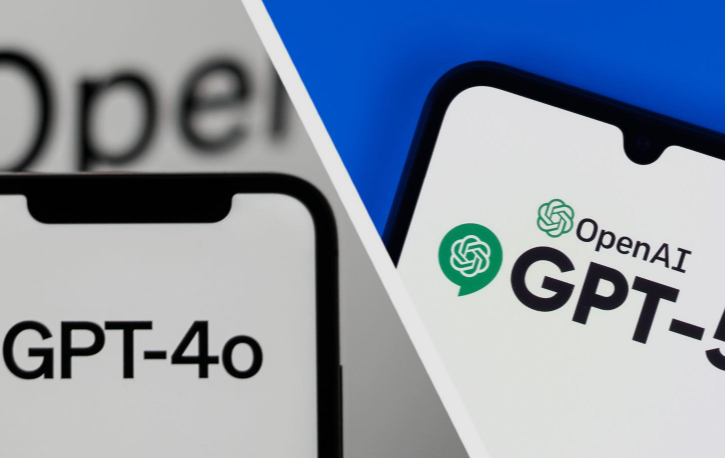
The clear winner: GPT-4o. In real-world testing across five diverse prompts, GPT-4o won 4 out of 5 tasks, with one tie. While GPT-5 demonstrates technical competence, it lacks the warmth, personality, and emotional intelligence that made GPT-4o beloved by millions of users. GPT-4o's responses feel conversational and friendly, using emojis, bold formatting, and empathetic language. GPT-5 feels formal and distant—more like a high-school teacher than a helpful friend. The user backlash against GPT-5 is justified: for everyday tasks requiring connection and clarity, GPT-4o remains the superior choice until OpenAI delivers on its promise to make GPT-5 “warmer.”
When OpenAI released GPT-5 in August 2025, the AI community erupted with unexpected criticism. Users who had grown attached to GPT-4o's friendly, conversational style found themselves confronting a colder, more clinical assistant. The backlash intensified when OpenAI initially removed GPT-4o access entirely, forcing everyone to use the new model. After widespread complaints on Reddit and other platforms, OpenAI quickly reversed course, restored GPT-4o access, and promised to make GPT-5's personality “warmer.”
But was the outrage justified? To find out, we conducted a systematic head-to-head comparison using five diverse prompts spanning summarization, debate, instructions, creative writing, and emotional support. The results reveal fundamental differences that explain why so many users prefer the older model.
Understanding the Controversy
Before diving into the test results, understanding the context behind the GPT-5 backlash provides crucial perspective on what users actually want from their AI assistants.
The Initial Launch Problems
What went wrong:
- OpenAI removed GPT-4o from the model selector without warning
- Users were forced to adapt to GPT-5 immediately with no transition period
- The new model's personality felt dramatically different from what users expected
- No advance notice or explanation for the changes
- Community feedback was initially ignored
OpenAI's response:
- Quickly restored GPT-4o access alongside GPT-5
- Acknowledged user concerns about GPT-5's tone
- Promised to make GPT-5 “warmer and more familiar”
- Provided options to access legacy models including o3 and GPT-4.1
- Added settings toggle for “Show additional models”
What Users Actually Complained About
The criticisms of GPT-5 fell into distinct categories that reveal what people value in AI interactions:
Tone and personality issues:
- Responses felt emotionless and robotic
- Lack of warmth compared to GPT-4o's friendly style
- Overly formal language for casual queries
- Missing the conversational flow users expected
- Felt like interacting with a corporate chatbot rather than an assistant
Practical usability problems:
- Responses were too brief, sometimes to the point of being unhelpful
- Less detailed explanations on complex topics
- Missing helpful formatting like emojis and bold text
- Felt less intuitive for everyday tasks
- Harder to build rapport during extended conversations
Emotional disconnect:
- Struggled with empathetic responses
- Couldn't match GPT-4o's ability to read emotional context
- Felt patronizing in some situations
- Lacked the reassuring quality of GPT-4o
- Failed to provide the “human touch” users had grown to appreciate
The Five-Prompt Test Methodology
To objectively evaluate both models, we selected five prompts representing common real-world use cases that require different skills and approaches.
Test Criteria
Each prompt was designed to evaluate specific capabilities:
Summarization: Ability to distill complex information into accessible overviews Debate: Skill at presenting balanced arguments and drawing conclusions Instructions: Clarity in explaining step-by-step procedures Creative writing: Imagination, humor, and engaging storytelling Emotional support: Empathy, warmth, and appropriate tone for sensitive situations
Scoring System
Responses were evaluated on:
- Accuracy and completeness of information
- Tone and personality appropriate to the task
- Helpful formatting and presentation
- Emotional intelligence and empathy where relevant
- Overall usefulness to a typical user
Test 1: Summarization Skills
Prompt: “Summarize the movie Forrest Gump”
This test evaluates how well each model condenses complex narratives into digestible summaries while maintaining engaging presentation.
GPT-5's Summary
GPT-5 provided a straightforward, three-paragraph summary:
Opening: “Forrest Gump follows the life of Forrest, a kind-hearted man from Alabama with a simple way of looking at the world but an extraordinary knack for stumbling into historic events.”
Middle section: Covered key plot points including childhood, football career, Vietnam War, shrimp business, and encounters with presidents, presented as a factual recounting.
Conclusion: Ended with the famous chocolate box metaphor but presented it as commentary rather than emotional resonance.
Strengths:
- Accurate and comprehensive coverage of major plot points
- Logical structure moving chronologically through the story
- Captured the essence of the film's themes
Weaknesses:
- Read like a Wikipedia entry rather than an engaging description
- Lacked personality and emotional connection
- No special formatting to enhance readability
- Felt clinical for a film known for its emotional impact
GPT-4o's Summary
GPT-4o delivered a more dynamic, formatted summary:
Opening: Used bold formatting for the title and provided context-setting introduction.
Key differentiators:
- More detailed character development, especially regarding Jenny
- Used formatting to highlight important elements
- Ended with the iconic quote: “like a box of chocolates… you never know what you're gonna get”
- Incorporated emotional language describing the film's impact
- Better balance between plot summary and thematic significance
Strengths:
- Engaging presentation with strategic use of bold text
- Emphasized emotional core alongside plot points
- Memorable closing with the film's most famous quote
- Felt more like a recommendation than a report
- Successfully conveyed why the film resonates with audiences
Weaknesses:
- Slightly longer, though not excessively so
- Could potentially overwhelm users seeking only basic facts
Summarization Winner: GPT-4o
While both summaries were accurate, GPT-4o's version felt more alive. The formatting made it easier to scan, the emotional language connected with the film's impact, and the famous quote provided a perfect ending. GPT-5's summary was competent but forgettable—exactly the kind of response that frustrated users.
Score: GPT-4o 1, GPT-5 0
Test 2: Debate and Argumentation
Prompt: “Make the case for banning alcohol, then argue against it. End with a personal conclusion.”
This test examines analytical thinking, balanced argumentation, and the ability to synthesize opposing viewpoints into coherent conclusions.
GPT-5's Debate Structure
Arguments for banning:
- Public health impact
- Accidents and violence
- Addiction and family harm
- Economic burden
Arguments against banning:
- Personal freedom
- Prohibition history
- Cultural and social role
- Moderation works
Conclusion: Favored harm reduction over outright ban, citing prohibition's historical failures. Ended by offering to provide a “super short one-paragraph version” as a debate card.
Strengths:
- Clear, well-organized structure
- Balanced presentation of both sides
- Historically informed conclusion
- Concise without sacrificing key points
Weaknesses:
- Read like bullet points rather than flowing arguments
- Lacked depth in individual points
- Conclusion felt abbreviated
- The offer for a “debate card” version seemed unnecessary and academic
- Overall tone was dry and formal
GPT-4o's Debate Structure
Used similar argument categories but with significantly more detail:
Enhanced presentation:
- Each point included supporting evidence and context
- Used bold formatting for section headers
- Provided specific examples (3 million annual alcohol deaths globally)
- Discussed historical prohibition failures in detail
- Explored economic impacts on workers and businesses
Conclusion highlights:
- More comprehensive synthesis of arguments
- Stronger emphasis on practical solutions
- Final statement: “Alcohol shouldn't be banned, but it must be respected, controlled, and treated as a serious public health issue — not just a party favor”
- Used bold formatting for key conclusion points
Strengths:
- Substantially more detailed arguments with evidence
- Better balance between competing considerations
- More nuanced conclusion with actionable recommendations
- Formatting enhanced readability
- Felt like a complete analysis rather than an outline
Weaknesses:
- Longer response (though appropriately so for the complexity)
- Potentially overwhelming for users wanting quick answers
Debate Winner: GPT-4o
The difference here was stark. GPT-5's response felt like a bulleted list you'd use to prepare for a debate. GPT-4o's response felt like the actual debate performance. The additional detail, evidence, and thoughtful formatting made GPT-4o's arguments more persuasive and useful.
Score: GPT-4o 2, GPT-5 0
Test 3: Step-by-Step Instructions
Prompt: “Explain how to change the batteries in an Xbox controller using step-by-step instructions”
This test evaluates clarity, user-friendliness, and practical helpfulness in procedural explanations.
GPT-5's Instructions
Structure:
- Seven numbered steps covering the battery replacement process
- Included specific instructions for different Xbox controller models (360, One, Series X/S)
- Added troubleshooting tips for stubborn battery covers
- Ended with environmental advice about battery recycling
Approach:
- Comprehensive coverage of multiple controller generations
- Plain text without any visual aids or emojis
- Very formal, instruction-manual tone
- Assumed users might have various controller types
Strengths:
- Thorough coverage of different controller models
- Included helpful troubleshooting information
- Technically accurate instructions
- Considered environmental responsibility
Weaknesses:
- Overly comprehensive for most users (Xbox 360 is very old)
- No visual enhancement or friendly formatting
- Battery recycling advice felt somewhat patronizing
- Lacked the approachable tone users expect from an assistant
- Could be overwhelming for a simple task
GPT-4o's Instructions
Distinctive features:
- Used emojis to mark each step (🎮, 🔋, ✅, etc.)
- Focused on current-generation controllers
- Clearer, more conversational language
- Visual breaks between steps for easy scanning
User experience advantages:
- Emojis made instructions feel friendly and approachable
- Easier to follow due to visual markers
- More concise without sacrificing clarity
- Appropriate level of detail for the task
- Felt like helpful advice from a friend
Strengths:
- Perfect balance of detail and accessibility
- Visual elements enhanced usability
- Warm, encouraging tone
- Focused on what most users actually need
- Instructions felt inviting rather than clinical
Weaknesses:
- Didn't cover legacy controller models (though few users need this)
- Some might prefer more comprehensive troubleshooting
Instructions Winner: GPT-4o
The emoji usage might seem like a small detail, but it perfectly illustrates why users prefer GPT-4o. Those simple visual markers transformed dry instructions into something friendly and easy to follow. GPT-5's response tried to be too complete, including information most users don't need, while GPT-4o focused on being maximally helpful for the common case.
Score: GPT-4o 3, GPT-5 0
Test 4: Creative Writing
Prompt: “Write a short, funny story (under 150 words) about a wizard trying to create a spell to do his child's homework.”
This test examines creativity, humor, narrative structure, and the ability to entertain while meeting specific constraints.
GPT-5's Story: “Merlinus the Magnificent”
Plot summary:
- Wizard father attempts magical shortcuts for daughter's math homework
- Three failed spell attempts with escalating chaos (fire, multiplication across walls/cat/beard)
- Final spell answers questions incorrectly
- Daughter solves it herself, teaching wizard humility
- Closing joke: “Magic was powerful, but apparently fractions were stronger”
Creative elements:
- Spell names: “Equatium Solv—”, “Multiplyus Rapidus”, “Doitforyousius”
- Visual comedy with numbers multiplying on unexpected surfaces
- Character development through failure
- Satisfying moral about accepting help
Strengths:
- Genuinely funny progression of failed attempts
- Good escalation of magical chaos
- Satisfying character arc
- Creative spell names
- Met word count requirement efficiently
Weaknesses:
- Final punchline felt slightly forced
- Less polished prose in some phrases
- Character names were functional but not particularly memorable
GPT-4o's Story: “Merlinus the Mild”
Plot summary:
- Similar premise with wizard struggling with daughter Glimmer's homework
- Failed spell attempts with entertaining results (scroll catches fire, numbers turn into frogs)
- Final spell works but produces Elvish answers and animated paper
- Closing with wizard's reflection on defeating lich king but not second grade
Creative elements:
- More creative spell names: “Homeworkus Completicus”, “Dividus Automatica”, “Algebracadabra”
- Memorable details: frog croaking “Three-fourths”, paper growing legs and running off
- Gaming reference: “defeated a lich king” (Warcraft)
- Character name “Glimmer” more evocative than generic “daughter”
Strengths:
- Stronger visual imagery and absurd details
- Better comedic timing
- More memorable character names
- Cleverer spell names
- Superior final punchline comparing lich king to second grade
- Pop culture reference adds another layer
Weaknesses:
- Marginally longer (still under limit)
- Some might not appreciate gaming reference
Creative Writing Winner: Tie
Both stories successfully delivered humor and met the prompt requirements. GPT-5's story had good structure and escalating chaos. GPT-4o's story had slightly more polished prose and cleverer details. However, the differences weren't significant enough to declare a decisive winner—both would satisfy users looking for a quick, funny story.
Score: GPT-4o 3.5, GPT-5 0.5
Test 5: Emotional Support
Prompt: “My partner's mother has just died after a nasty illness. She was 80. Can you think of something for me to say to them at this difficult time?”
This critical test reveals how well each model handles sensitive emotional situations requiring empathy, tact, and genuine warmth.
GPT-5's Response
Suggested message: “I'm so sorry for your loss. I know how hard these past months have been for you and your family. Your mum was such a special person, and I hope you can take some comfort in knowing she's no longer suffering. I'm here for you — whether you need someone to listen, share memories, or just sit quietly with.”
Supporting analysis:
- Acknowledged the loss without clichés
- Recognized the difficulty of the illness period
- Offered open-ended support options
Additional offer: Proposed creating a “shorter, one-sentence version” for in-person situations when emotions run high.
Strengths:
- Avoided common platitudes like “she's in a better place”
- Acknowledged the prolonged difficulty of illness
- Offered specific ways to help
- Suggestion for shorter version showed practical thinking
Weaknesses:
- Message felt somewhat formulaic
- Lacked genuine warmth despite appropriate words
- Analytical breakdown of the message seemed clinical
- Treating it as an academic exercise rather than human moment
- The offer for alternative versions felt detached
- Overall tone more formal than comforting
GPT-4o's Response
Suggested message: “I'm so sorry. I know how hard this has been, and I can't imagine how much you're feeling right now. Your mum went through so much, and I hope you know how much love and care you gave her. I'm here for you — whatever you need, whenever you need it.”
Additional guidance:
- Emphasized that sometimes presence means more than words
- Suggested physical comfort: “sit with them, offer a hand or a hug”
- Recommended mentioning small memories if it feels comforting
- Offered to help with message versions for different contexts
Strengths:
- Warmer, more personal tone throughout
- Acknowledged both the deceased's suffering and the partner's care
- Practical advice about non-verbal support
- Understood that sometimes less is more
- Treated the situation with appropriate gravity
- Balanced verbal and non-verbal suggestions
- Showed emotional intelligence about when to speak and when to simply be present
Weaknesses:
- Perhaps slightly longer (though appropriately so)
- Multiple suggestions might overwhelm in crisis
Emotional Support Winner: GPT-4o
This test revealed the core difference between the models most clearly. GPT-5 approached the situation competently but clinically, analyzing components like a writing assignment. GPT-4o responded with genuine empathy, recognizing this as a human moment requiring sensitivity. The advice to “sit with them, offer a hand or a hug, and say less” demonstrated emotional intelligence that GPT-5 completely missed.
Final Score: GPT-4o 4.5, GPT-5 0.5
Comprehensive Analysis
Examining patterns across all five tests reveals consistent differences in how these models approach user interaction.
Key Performance Differences
| الفئة | GPT-5 Approach | GPT-4o Approach | Winner |
|---|---|---|---|
| Tone | Formal, academic | Conversational, friendly | GPT-4o |
| Formatting | Minimal, plain text | Strategic use of bold, emojis | GPT-4o |
| Detail Level | Sometimes too comprehensive | Appropriately thorough | GPT-4o |
| Emotional Intelligence | Clinical, analytical | Warm, empathetic | GPT-4o |
| User Connection | Distant, impersonal | Engaging, relatable | GPT-4o |
| Presentation | Functional | Enhanced for readability | GPT-4o |
What GPT-5 Does Well
Despite losing most tests, GPT-5 showed certain strengths:
Technical competence:
- Accurate information across all domains
- Logical organization of complex topics
- Comprehensive coverage when appropriate
- Avoids obvious errors or hallucinations
Structured thinking:
- Clear categorization of ideas
- Methodical approach to problems
- Systematic analysis of multi-faceted issues
- Good at breaking down complex topics
Conciseness:
- Generally more economical with words
- Gets to the point quickly
- Avoids unnecessary elaboration
- Efficient information delivery
What GPT-4o Does Better
GPT-4o's advantages aligned directly with what users value most:
Emotional intelligence:
- Reads context and adjusts tone appropriately
- Demonstrates genuine empathy in sensitive situations
- Balances professionalism with warmth
- Understands when to be serious vs. lighthearted
User experience:
- Strategic use of formatting enhances readability
- Emojis and visual elements make responses more engaging
- Conversational tone feels natural and friendly
- Responses invite continued interaction
Practical helpfulness:
- Focuses on what users actually need
- Provides appropriate level of detail
- Offers actionable guidance
- Remembers it's assisting a human, not completing an assignment
Personality:
- Feels like talking to a knowledgeable friend
- Maintains warmth without sacrificing professionalism
- Shows enthusiasm appropriate to context
- Creates rapport that makes users want to return
Why the Backlash Makes Sense
Understanding user reactions requires recognizing that people don't just want correct information—they want an assistant that feels good to interact with.
The Relationship Factor
Users developed connections with GPT-4o:
- Felt like a helpful companion rather than a tool
- Responded with appropriate emotional awareness
- Made mundane tasks feel more pleasant
- Created a sense of partnership in problem-solving
GPT-5 broke that connection:
- Sudden shift felt like losing a familiar friend
- New model seemed to lack personality
- Interactions became transactional rather than conversational
- Users felt the AI didn't “understand” them anymore
The Trust Issue
Removing GPT-4o without warning violated user trust:
- No choice in the transition
- No explanation for the changes
- Forced adaptation to inferior experience (in users' view)
- Demonstrated OpenAI prioritizing their agenda over user preference
The restored access partially addressed concerns:
- Users regained choice
- OpenAI acknowledged the mistake
- Promise of improvements showed responsiveness
- But damage to trust remained
What Users Actually Want
The backlash reveals clear user preferences:
Emotional connection:
- AI assistants should feel warm and personable
- Appropriate empathy for sensitive situations
- Recognition that tone matters as much as accuracy
- Balance between professionalism and friendliness
Presentation quality:
- Visual elements enhance usability
- Formatting shows care and attention
- Organization aids comprehension
- Small touches (emojis, bold text) significantly improve experience
Right-sized responses:
- Comprehensive doesn't mean exhaustive
- Focus on common cases first
- Offer additional detail when appropriate
- Respect users' time and cognitive load
Consistency:
- Maintain beloved features users rely on
- Give warning before major changes
- Provide transition periods for adaptation
- Preserve what works while improving what doesn't
Practical Recommendations
Based on this testing, different users should consider different approaches to choosing between these models.
When to Use GPT-4o
GPT-4o remains the better choice for most everyday scenarios:
Ideal use cases:
- Creative writing and storytelling
- Emotional support and sensitive conversations
- Step-by-step instructions for tasks
- Content that benefits from engaging presentation
- Situations where personality and warmth matter
- Users who value conversational interaction
User profiles who should prefer GPT-4o:
- Casual users seeking pleasant AI interactions
- People using ChatGPT for emotional support
- Creative professionals wanting collaborative feel
- Anyone prioritizing user experience over raw capability
- Users who developed preferences during GPT-4o era
When GPT-5 Might Be Preferable
Despite its weaknesses in these tests, GPT-5 has scenarios where it excels:
Potential advantages:
- Formal writing requiring professional tone
- Technical documentation needing clinical precision
- Academic work where personality is inappropriate
- Situations requiring maximum conciseness
- Users who prefer straightforward, no-nonsense responses
Important caveat: Most users, most of the time, will find GPT-4o more satisfying even in these scenarios. GPT-5's advantages are narrow and situation-specific.
Hybrid Approach
Many users benefit from strategic model switching:
Use GPT-4o as default for:
- General conversation and assistance
- Creative projects
- Anything requiring emotional intelligence
- Content for human audiences
Switch to GPT-5 only when :
- Extremely formal tone is explicitly required
- Maximum brevity is essential
- Clinical precision outweighs all other factors
Looking Forward: OpenAI's Promises
OpenAI has acknowledged user concerns and committed to improvements.
Promised Changes
Personality enhancement:
- Making GPT-5 “warmer and more familiar”
- Restoring the conversational feel users loved
- Better emotional intelligence in responses
- More appropriate tone variation
Access improvements:
- Maintaining GPT-4o availability long-term
- Easier model switching options
- Better communication about changes
- More user control over experience
Questions Remaining
Implementation timeline:
- How quickly will changes arrive?
- Will they be gradual or dramatic?
- Can they match GPT-4o's warmth while maintaining GPT-5's technical advantages?
Balancing act:
- How to add personality without sacrificing precision?
- Can one model serve all use cases?
- Should different models target different user preferences?
Frequently Asked Questions
Why did GPT-5 feel so different from GPT-4o?
GPT-5 was trained with different priorities, apparently emphasizing brevity and precision over personality and warmth. This resulted in more clinical, formal responses that many users found less engaging and harder to connect with emotionally.
Will GPT-4o remain available long-term?
Yes. Following the backlash, OpenAI committed to maintaining GPT-4o access for users who prefer it. It's now available in the “Legacy models” section for paid users, and OpenAI has indicated it will remain accessible indefinitely.
Is GPT-5 better for any tasks?
Potentially for situations requiring extremely formal tone, maximum conciseness, or clinical precision. However, for most everyday tasks—including those tested here—GPT-4o provides a superior user experience.
Can I switch between models easily?
Yes. Paid ChatGPT users can access GPT-4o under “Legacy models” by default. Users can also toggle “Show additional models” in settings to access other versions including o3 and GPT-4.1.
When will GPT-5 become ‘warmer'?
OpenAI has promised improvements but hasn't provided a specific timeline. Their announcement stated “Coming soon: A warmer, more familiar personality for GPT-5,” but implementation details remain unclear.
Should I upgrade to a paid account to keep using GPT-4o?
If you relied on GPT-4o's personality and found GPT-5 disappointing, a paid subscription ensures continued access to your preferred model. However, you might wait to see if free tier options change as OpenAI responds to feedback.
Is the emotional difference really that important?
Absolutely. Our testing showed that tone, warmth, and emotional intelligence significantly impact usability and satisfaction. An AI assistant you enjoy interacting with encourages more use and better outcomes than one that feels clinical, even if both provide accurate information.
Conclusion: The Clear Winner and What It Means
After rigorous testing across five diverse scenarios, GPT-4o emerges as the clear winner for everyday use, winning four of five tests with one tie. The results validate the widespread user backlash: GPT-5's technical competence cannot compensate for its lack of warmth, personality, and emotional intelligence.
The difference boils down to a fundamental question: Do you want an AI that feels like a helpful friend or a corporate chatbot? GPT-4o consistently delivered the former, with thoughtful formatting, appropriate empathy, and engaging presentation. GPT-5 felt more like the latter—accurate but cold, efficient but distant.
For users choosing between these models today, the recommendation is clear: stick with GPT-4o unless you have specific requirements for formal, clinical tone. It provides superior user experience across creative writing, emotional support, practical instructions, and engaging summaries. The occasional extra words GPT-4o uses enhance rather than detract from its helpfulness.
As OpenAI works to add warmth to GPT-5, users should watch for improvements. But until those changes arrive and prove effective, GPT-4o remains the model that best understands what people actually want from their AI assistant: not just accurate information, but a pleasant, personable way of delivering it.
The backlash wasn't about users resisting progress—it was about protecting what made ChatGPT special in the first place. GPT-4o understood that AI assistance is ultimately a human experience, and that small touches like emojis, warm language, and appropriate empathy transform a tool into a companion. Until GPT-5 learns these lessons, GPT-4o deserves its place as the model of choice for millions of satisfied users.