
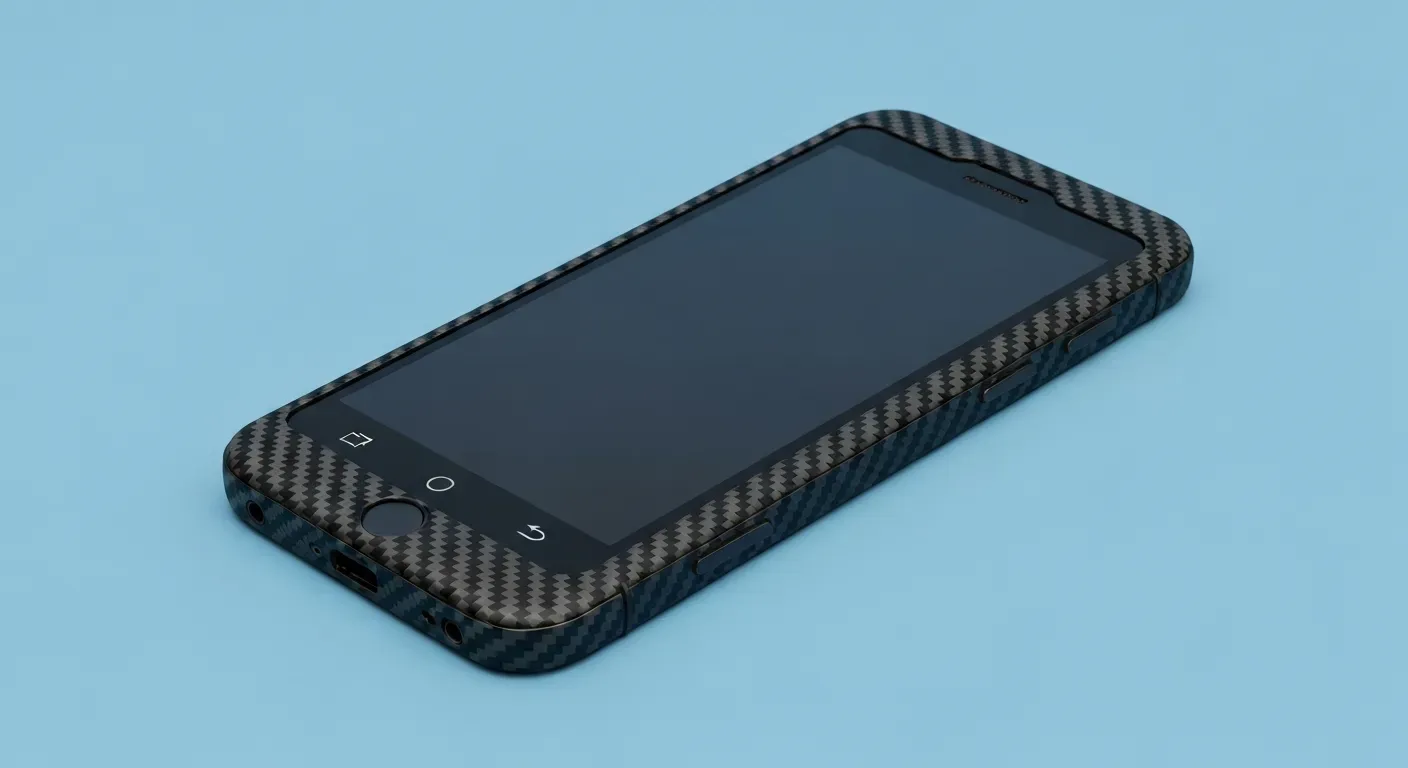
 The quest for the ultimate mobile device is pushing boundaries. You're about to witness a significant leap forward in material science that will redefine your expectations. The future of your handheld technology is getting a serious upgrade.
We're talking about the rise of the carbon fiber phone, a device poised to offer an unmatched blend of strength, lightness, and premium feel. By 2026, this innovative material is set to become a defining characteristic of high-end smartphones. This article will guide you through what these advancements mean for you. We'll explore cutting-edge features and showcase the exciting possibilities that await. Get ready to discover the future of mobile resilience and style.
Top 5 Carbon Fiber Phones to Watch in 2026
The smartphone landscape is set to evolve, with advanced materials and enhanced functionality driving innovation. Future devices will prioritize durability, lightweight design, and integrated intelligence. This section explores key contenders and emerging trends in premium smartphone technology.
VERTU Agent Q
The VERTU Agent Q aims for luxury through AI agents and data sovereignty. Its robust build and advanced internal components suggest a premium construction. While its exact material composition remains unconfirmed, its focus on cutting-edge technology aligns with future smartphone development.
VERTU Quantum Flip
The VERTU Quantum Flip, a luxury foldable for 2026, centers on an AI ecosystem and quantum encryption. Its construction uses aerospace-grade titanium alloy for resilience against temperature fluctuations, drops, and repeated folding. The device features a Snapdragon 8 Elite Supreme processor, 16 GB RAM, and 1 TB ROM. A 4300 mAh battery supports 65W fast charging.
Carbon Fiber Smartphone Trends
The adoption of lightweight, durable materials like carbon fiber extends across industries. Eyewear and hunting gear demonstrate this trend. This signals a strong inclination for advanced materials in future smartphone designs. We may see monocoque constructions and seamless phone designs emerge.
Aramid Fiber Smartphone Cases
Aramid fiber offers an exceptional strength-to-weight ratio. Premium smartphone cases now utilize this material. These cases provide strength, heat resistance, mechanical fortitude, chemical corrosion resistance, thermal stability, and wear resistance. This enhances overall smartphone durability.
Future Smartphone Materials
The evolution of premium phone materials points to carbon fiber and aramid fiber becoming integral. These materials offer superior lightweight phone options. They also enable enhanced phone design possibilities. The focus is on advanced materials for next-generation devices.
The future of smartphones points toward integrated intelligence and robust construction. Devices like the VERTU Quantum Flip showcase advanced materials and processing power. The increasing use of carbon and aramid fibers in both devices and accessories indicates a growing demand for lightweight, durable technology.
1. VERTU Agent Q: Practical Implications and Tips
Practical Implications: The VERTU Agent Q's focus on AI agents and data sovereignty suggests a device prioritizing user privacy and intelligent assistance. Its robust build indicates a premium, durable construction, aligning with the trend of using advanced materials for longevity.
Actionable Tips:
When considering the VERTU Agent Q, prioritize understanding its AI capabilities and how they can enhance your daily tasks.
Look for details on its build materials to confirm its durability and premium feel, especially if you value long-lasting devices.
2. VERTU Quantum Flip: Practical Implications and Tips
Practical Implications: The VERTU Quantum Flip exemplifies the integration of luxury, advanced security (quantum encryption), and high-end performance in a foldable form factor. Its aerospace-grade titanium alloy construction highlights a commitment to resilience against physical stress.
Actionable Tips:
For potential buyers, assess your need for advanced security features like quantum encryption and the convenience of a foldable design.
Consider the high-end specifications (Snapdragon 8 Elite Supreme, 16GB RAM, 1TB ROM) and whether they justify the premium price point for your usage.
3. Carbon Fiber Smartphone Trends: Practical Implications and Tips
Practical Implications: The broader adoption of carbon fiber in industries like eyewear and hunting gear signals a strong market demand for lightweight and durable consumer products. This trend directly translates to future smartphones, suggesting a move towards more resilient and aesthetically pleasing designs.
Actionable Tips:
As a consumer, be open to smartphones with unibody or monocoque designs, as these often leverage advanced materials for structural integrity.
Pay attention to how manufacturers are integrating these materials to enhance both the look and feel of their devices.
4. Aramid Fiber Smartphone Cases: Practical Implications and Tips
Practical Implications: The use of aramid fiber in smartphone cases demonstrates its proven ability to offer exceptional protection without adding significant bulk. This material's properties (strength, heat resistance, chemical resistance) are highly beneficial for protecting expensive devices.
Actionable Tips:
If you're looking for enhanced protection for your current or future smartphone, consider investing in an aramid fiber case.
Understand that while the case offers protection, the phone's internal components still need to be considered for overall durability.
5. Future Smartphone Materials: Practical Implications and Tips
Practical Implications: The convergence of carbon fiber and aramid fiber in future smartphones indicates a clear direction towards devices that are both incredibly light and exceptionally strong. This material evolution will enable more sophisticated designs and potentially thinner yet more robust devices.
Actionable Tips:
Stay informed about new material innovations in the smartphone market, as they will directly impact device performance and longevity.
When choosing your next smartphone, consider the materials used in its construction as a key factor in its overall value and durability.
The Rise of Advanced Materials in Consumer Electronics
The consumer electronics industry increasingly adopts advanced materials. This trend mirrors developments in other sectors. Lightweight, durable materials are reshaping product design. Future devices, like a potential carbon fiber phone, will benefit from this material evolution.
Carbon Fiber in Eyewear Trends
Eyewear designers now use carbon fiber. This material allows for ultra-lightweight frames. Users experience all-day comfort. Titanium and memory metal also contribute to this lightweight construction. These advancements in eyewear suggest a similar focus for future phone designs.
Advanced Materials in Hunting Gear
Carbon fiber sees integration into high-performance hunting gear. Rifles feature carbon-fiber barrels and chassis systems. This adoption highlights the material's strength and weight reduction capabilities. Such demanding applications demonstrate its reliability for robust consumer products.
The Significance of Lightweight Construction
The focus on lightweight construction spans diverse products. From advanced eyewear to performance gear, consumers demand easier handling. This preference for robust yet light devices is a key characteristic for future smartphones. A carbon fiber phone would embody this demand for both durability and portability.
Understanding Carbon Fiber and Alternatives
Advanced materials define modern device construction. This section explores high-performance options beyond standard materials. We examine the strengths of aramid fiber and the established benefits of carbon fiber epoxy composites for device design. Signal integrity remains a key consideration for any casing material.
Aramid Fiber: A Strong Contender
Aramid fiber offers exceptional strength. Its strength-to-weight ratio makes it suitable for premium smartphone cases. This material provides a balance of strength, heat resistance, and mechanical durability.
The Case for Carbon Fiber Epoxy Composites
Carbon fiber epoxy composites utilize epoxy prepreg. These materials create lightweight, strong structures. This principle applies directly to phone casing and monocoque smartphone designs. A carbon fiber phone leverages this strength.
Signal Blocking Properties Considerations
Advanced materials can affect signal transmission. Densely woven composites like carbon fiber may block signals. Manufacturers address this through careful design and strategic antenna placement. This ensures reliable connectivity for your carbon fiber phone.
FAQ (Frequently Asked Questions)
Q1: What makes carbon fiber ideal for future smartphones?
A1: Carbon fiber's appeal lies in its exceptional strength-to-weight ratio, allowing for a durable yet lightweight device. This combination is essential for smartphones that need to withstand daily use while supporting advanced internal components.
Q2: How does carbon fiber compare to other premium phone materials?
A2: Carbon fiber offers superior lightness, rigidity, and impact resistance compared to aluminum, titanium, ceramic, and glass. This sets a new standard for premium phone materials.
Q3: Are there any downsides to using carbon fiber in phones?
A3: Potential downsides include higher manufacturing costs for carbon fiber components. Additionally, the material's density may present challenges in signal transmission.
Q4: What is a monocoque smartphone design?
A4: A monocoque design uses a unibody construction where the external shell is the primary structural component. This design often employs advanced materials like carbon fiber to achieve maximum strength with minimal weight.
Q5: Can carbon fiber phone casings impact signal strength?
A5: Yes, the dense weave of carbon fiber can potentially impact signal strength. However, careful antenna integration and material engineering are used to mitigate these signal blocking properties.
خاتمة
As we peer into 2026, the integration of carbon fiber and other advanced materials promises a significant leap forward for smartphones. You can expect exceptional durability and an incredibly lightweight, premium feel from a carbon fiber phone. This evolution sets a new standard for both resilience and user experience.
To prepare for this exciting future, actively seek out information on emerging phone technologies and upcoming releases that showcase these innovative materials. Stay ahead of the curve by exploring the advancements in smartphone design and durability that are rapidly becoming reality.
Embrace the future of mobile technology today! Keep a keen eye on the evolving landscape of carbon fiber phone innovation and be ready to experience the next generation of smartphones. Explore the cutting-edge possibilities and make an informed choice for your next device!